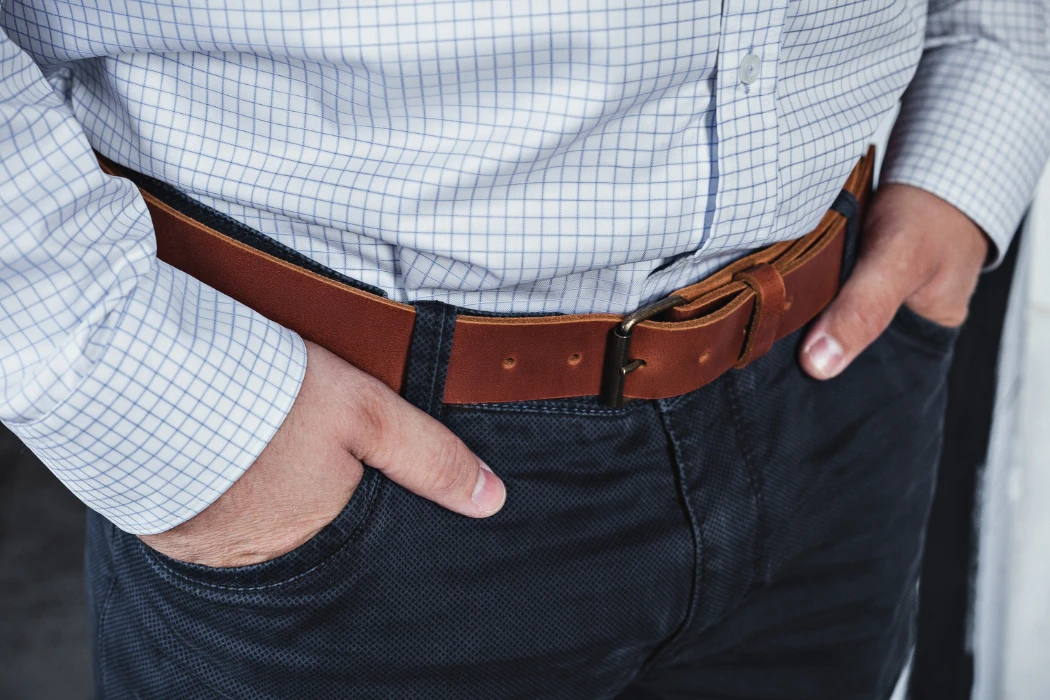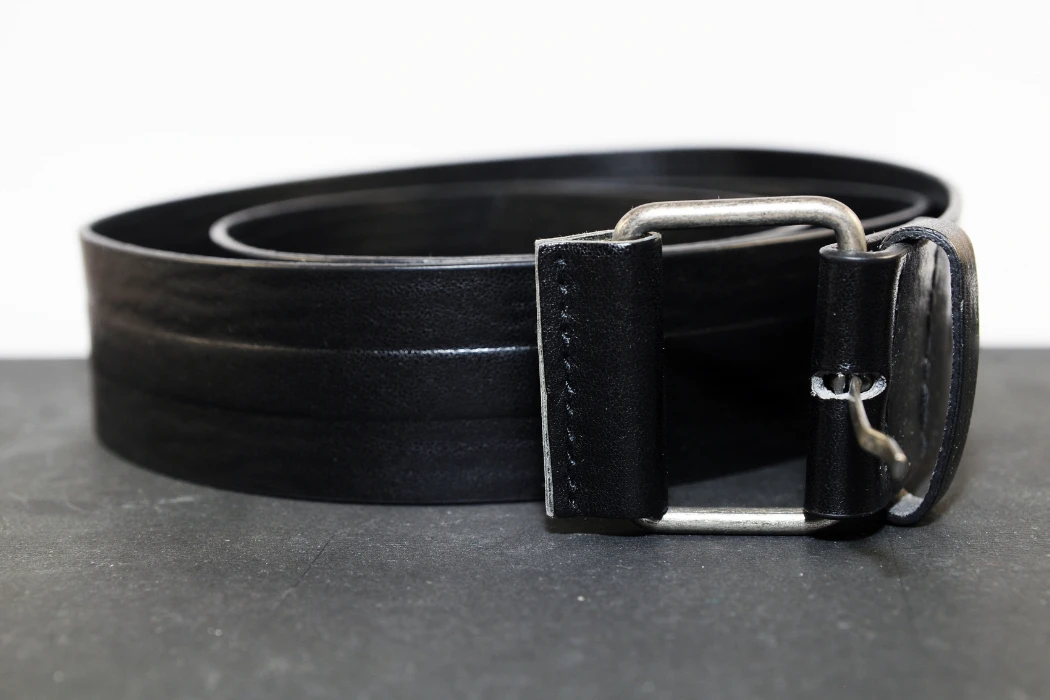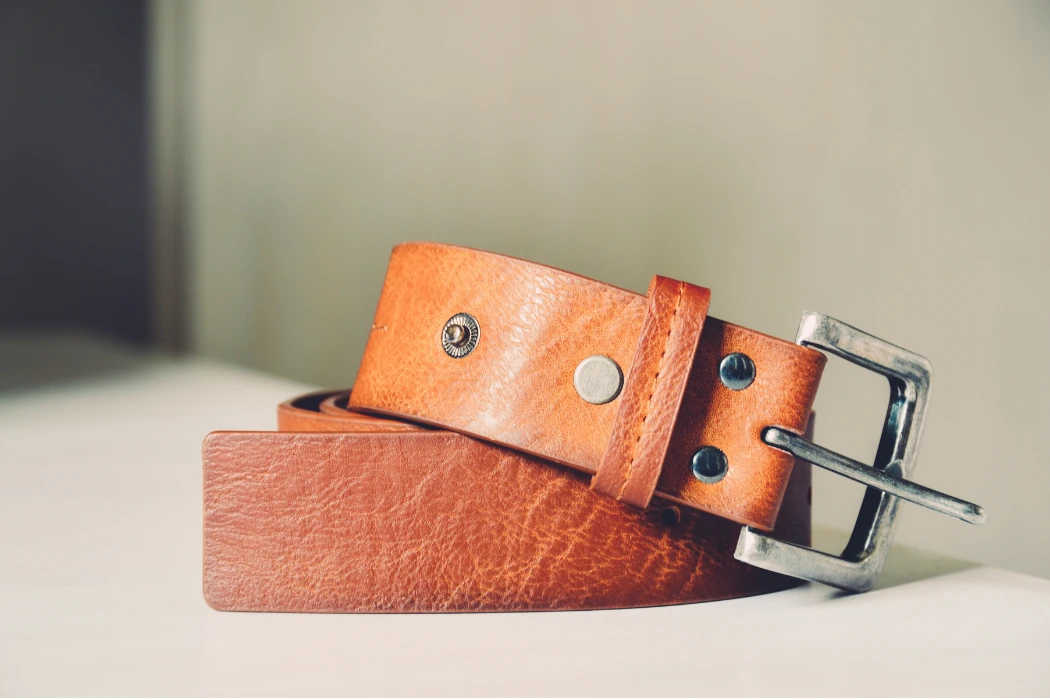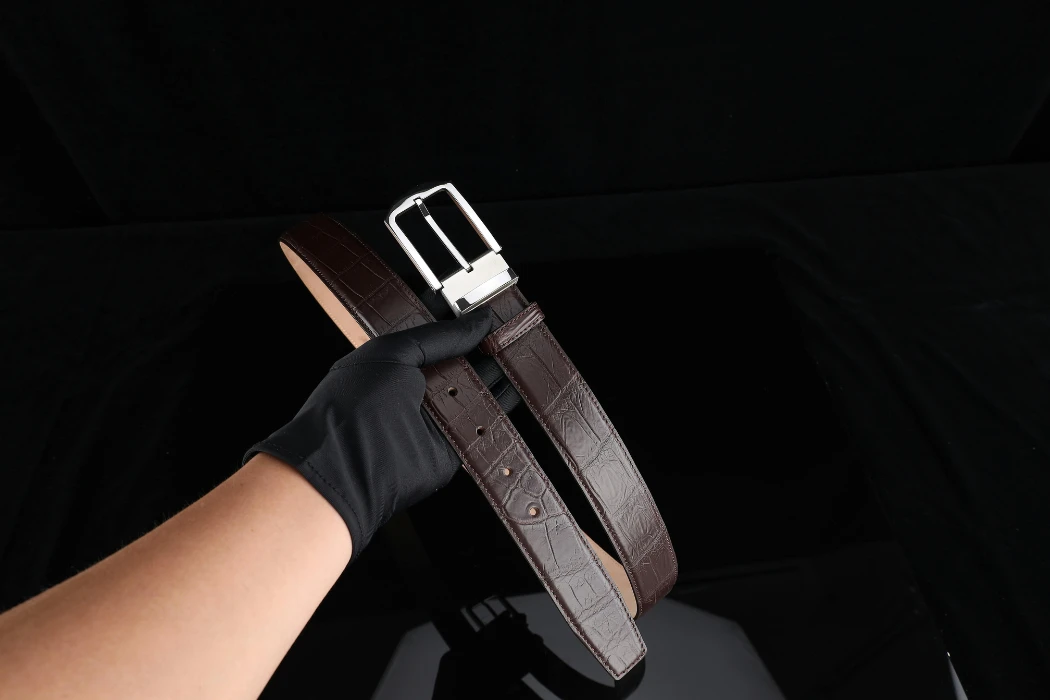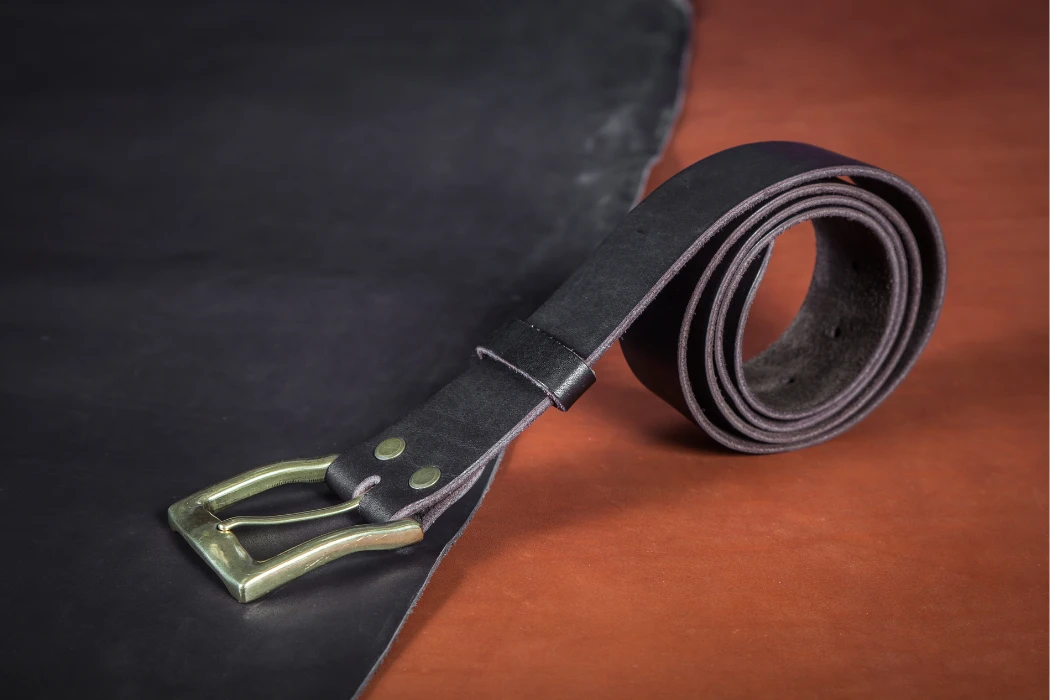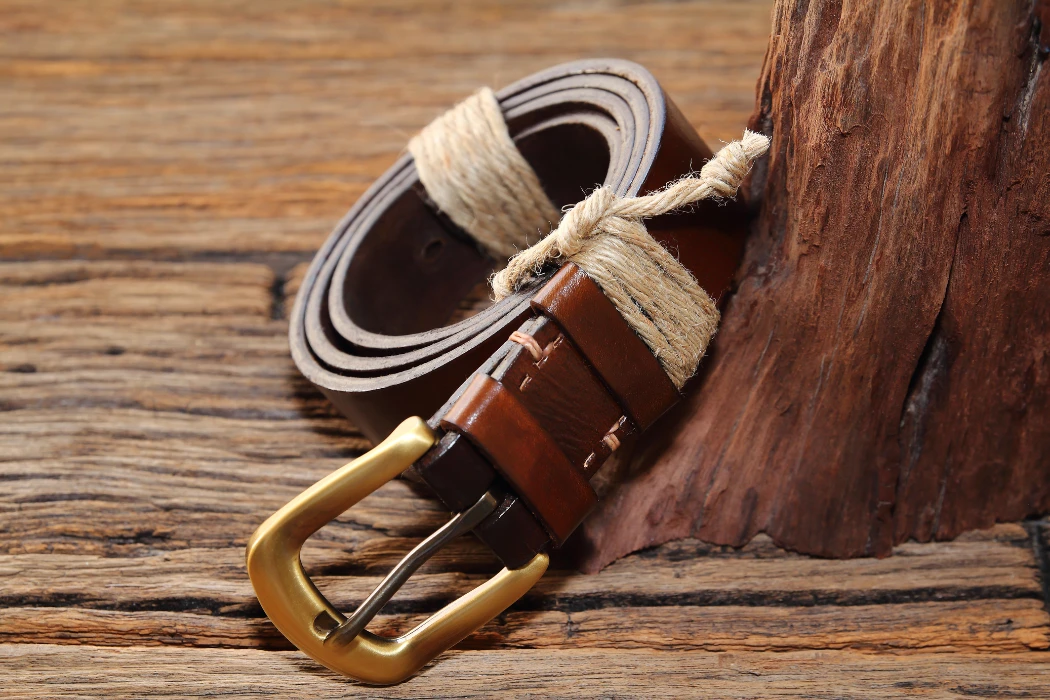
At first glance, a leather belt appears to be the simplest item in a fashion collection—merely a strap and a buckle. However, manufacturing a product capable of withstanding years of daily tension, friction, and environmental stress is a complex engineering feat. It requires a precise balance of organic chemistry and structural mechanics, turning a raw organic material into a durable commercial good.
To a technical buyer or sourcing manager, “premium” is not a vague marketing term. It is a measurable standard defined by quantifiable metrics: material integrity, specific tensile load capacities, and the molecular stability of the finish. These technical specifications separate a belt that ages beautifully from one that cracks or delaminates after a few months of use.
For global brands, the difference between a high-performing SKU and a quality control failure lies in these often-overlooked details. This guide deconstructs the anatomy of a belt from the raw hide to the final export carton. We will analyze how distinct material grades, precise construction methodologies, and rigorous compliance testing converge to determine the longevity and commercial viability of the final product.
What Distinguishes the Material Grades in Belt Manufacturing?
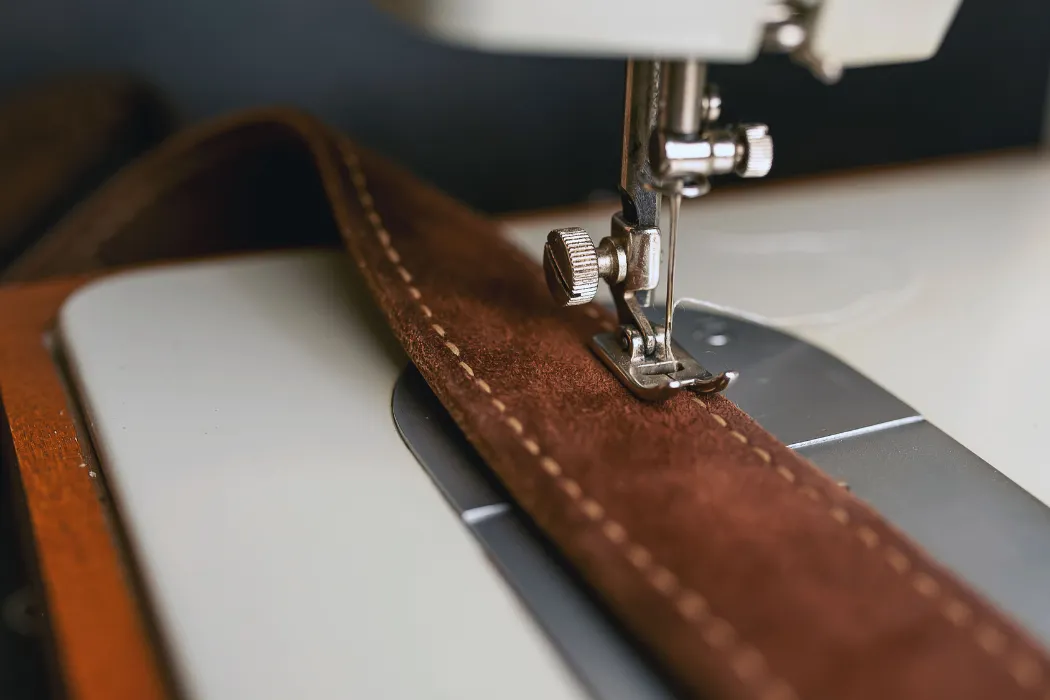
The “grade” of leather is not merely a visual classification; it is determined by which specific layer of the hide is utilized in production. Full-grain includes the outermost layer with the tightest fiber density, offering maximum durability. Top-grain is sanded to remove imperfections, sacrificing some strength for uniformity. Split leather comes from the fibrous lower layers and often requires a synthetic coating to simulate a natural look.
Full-Grain vs. Top-Grain: Grain Retention and Durability
The structural integrity of a belt relies entirely on the density of the collagen fibers in the hide.
- Full-Grain Leather: Uses the entire epidermis (outer skin). It retains the natural grain pattern and is the strongest grade available because the fibers are vertical and tightly packed. It develops a “patina” (sheen) over time rather than wearing out. Typical thickness for single-ply belts: 3.5mm – 4.0mm.
- Top-Grain Leather: The very top layer is mechanically sanded or buffed to remove natural scars, insect bites, and branding marks. While it offers a more uniform finish desirable for luxury dress belts, the removal of the strongest outer fibers reduces tensile strength by approximately 15-20% compared to full-grain.
Engineers specify full-grain for heavy-duty, casual, or heritage belts where longevity is paramount, while top-grain is preferred for formal belts requiring a pristine, flawless surface.
Split Leather & Bonded Leather: Cost-Effective Engineering
When the top grain is separated from the hide, the remaining fibrous bottom layer is known as “split” leather.
- Split Leather: Lacks the tight vertical fiber structure of the grain. To be usable for belts, it is often coated with a heavy polyurethane (PU) layer or heavily embossed to mimic grain. It is cost-effective but prone to peeling or cracking after 6-12 months of heavy use as the coating separates from the fiber base.
- Bonded Leather: Composed of leather dust and scraps bonded together with latex or polyurethane glues. It typically contains only 10-20% real leather fibers. Structurally, it acts more like paper than skin and has very low tear resistance.
These materials are engineered specifically for budget-conscious “fast fashion” markets where price point is the primary driver over longevity.
Synthetic Alternatives: PU and Vegan Technologies
Modern manufacturing also utilizes non-animal materials that mimic leather properties for specific market segments.
- PU (Polyurethane): A synthetic polymer applied to a fabric backing. High-quality PU belts can generally withstand 50,000+ flex cycles without cracking, making them a durable vegan option.
- Vegan Leather: Can be made from bio-based materials (like cactus or apple waste) mixed with PU. It requires specific testing for hydrolysis resistance to ensure it doesn’t disintegrate in humid climates (e.g., tropical shipping conditions).
For vegan belts, the critical quality control point is the adhesion strength between the surface coating and the structural backing layer.
| Leather Grade | Tensile Strength | Aesthetic Aging | Cost Index | Typical Application |
|---|---|---|---|---|
| Full-Grain | Highest | Develops Patina | $$$$ | Premium Casual / Heritage Brands |
| Top-Grain | Medium-High | Stays Uniform | $$$ | Luxury Formal / Dress Belts |
| Split (Coated) | Medium | May Peel/Crack | $$ | Mid-Market / Mass Retail |
| Bonded | Low | Delaminates Quickly | $ | Budget / Promotional Items |
How is the Physical Anatomy of a Belt Constructed?
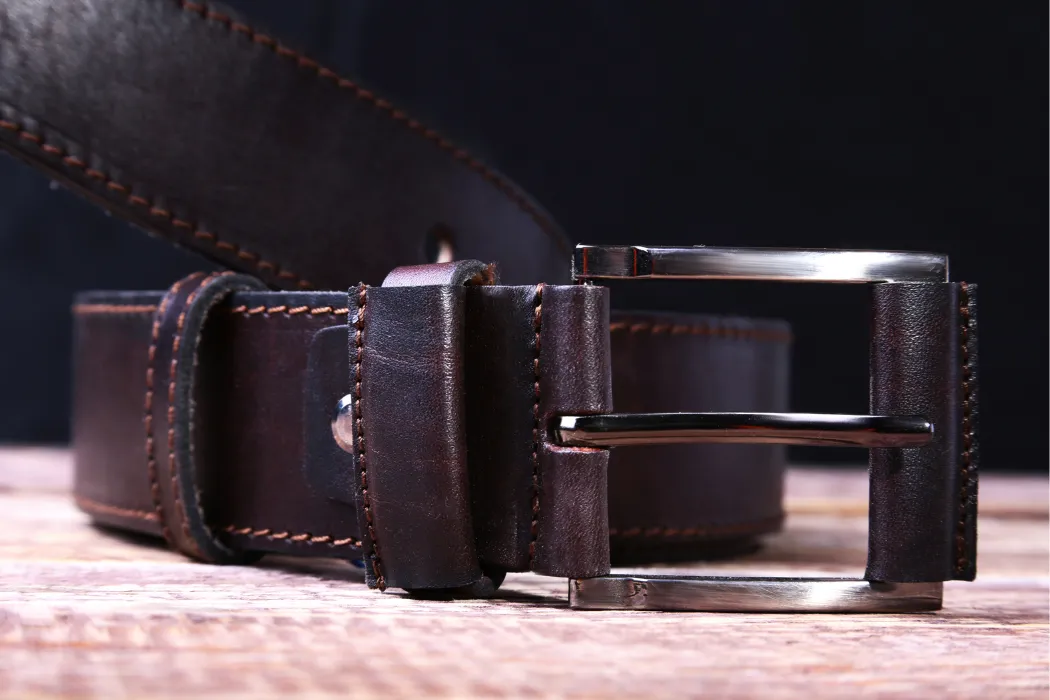
A belt is rarely just a single strip of hide. Most commercial belts are composite structures, engineered to balance flexibility with rigidity. This “sandwich” construction requires precise adhesion chemistry and mechanical fastening to prevent the layers from separating under the torque of daily wear. The construction method dictates both the belt’s formality and its lifespan.
Layering Mechanics: The “Sandwich” Structure
Premium dress belts typically utilize a 3-ply construction. Each layer serves a specific physical function:
- The Face (Top Layer): The visible premium grade (Full-grain or Top-grain). It provides aesthetic appeal and tensile strength.
- The Filler (Insert): A middle layer made from fiberboard, bonded leather, or non-woven fabric. This creates the “bombé” (raised) effect seen in formal belts. It adds volume without adding excessive weight or cost.
- The Lining (Bottom Layer): The surface touching the trousers. It is usually made from split leather or PU. Critical engineering point: The adhesive binding these three layers must be heat-activated and pressurized to prevent delamination (peeling apart) in humid conditions.
Sizing Engineering: Precision Geometry
Belt sizing is not arbitrary; it follows strict geometric standards to ensure fit and function.
- The Center Hole Rule: A standard belt has 5 or 7 holes. The “nominal size” (e.g., Size 34) is measured from the buckle fold to the middle hole (3rd hole). This allows for weight fluctuation in both directions.
- Hole Spacing: The industry engineering standard is exactly 1 inch (2.54 cm) between hole centers.
- Tip Length: The “tail” extending past the last hole is typically engineered to be 10cm – 15cm. If too short, it slips out of the keeper loop; if too long, it wraps awkwardly around the hip.
Edge Mechanics: Feather-Edge vs. Cut-Edge
The treatment of the belt’s edge is the most vulnerable point for wear and moisture entry.
- Cut-Edge (Painted): The raw edge is cut straight and sealed with multiple layers of liquid edge paint. Engineering Checkpoint: Cheap paint cracks upon bending. Premium production uses elastomeric (rubber-like) paint that flexes with the leather. It often requires 3-5 hand-applied coats for a smooth, sealed dome.
- Feather-Edge (Turned): The top layer is “skived” (thinned) at the edges, wrapped around the filler, and stitched to the lining. This creates a seamless, enclosed border. It is more labor-intensive but eliminates the risk of paint cracking entirely.
Stitching is the final reinforcement. A high-quality belt typically uses a stitch density of 8-10 SPI (Stitches Per Inch). Lower density (loose stitching) allows layers to shift, while excessively high density can perforate and weaken the leather substrate.
Why are Finishing Techniques Critical for Aesthetics and Durability?
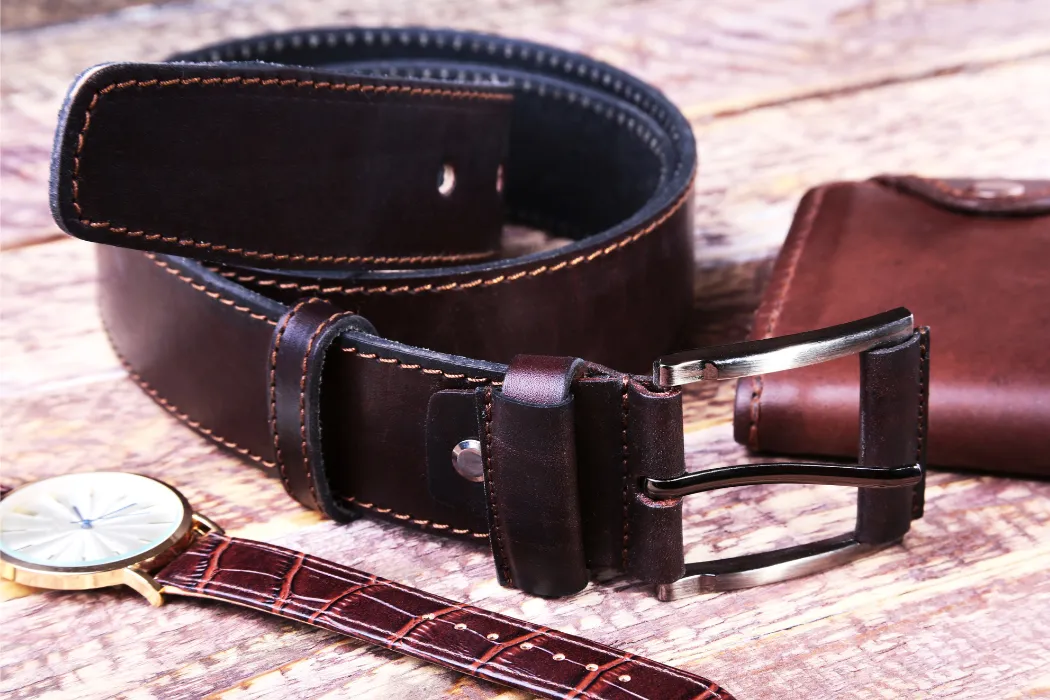
Raw tanned leather (crust) is merely a blank canvas. The “character” of a belt—its shine, touch, and color depth—is engineered through complex finishing processes. These techniques involve precise combinations of heat, pressure, and chemical application. A specialized finishing facility does not just “paint” the leather; it impregnates the fibers with oils, waxes, and sealants to create specific visual and tactile effects.
Mechanical Finishing: Friction and Heat
Achieving a high-gloss or smooth surface without using cheap plastic coatings requires mechanical engineering.
- Glazing: A glass or steel roller strikes the leather surface under high pressure. This friction generates heat, which naturally brings the oils to the surface and compresses the grain. The result is a deep, natural shine that doesn’t peel over time.
- Heat Polishing: The leather passes through heated metal rollers (often at 80°C – 100°C). This “irons” the leather flat, sealing the pores to improve water resistance and creating a uniform, premium surface often referred to as “Clean” or “Smooth” finish.
Chemical Effects: The “Living” Leather
Some of the most desirable premium finishes are dynamic, meaning they change appearance as the belt is used.
- Pull-Up Effect: The leather is saturated with heavy oils and waxes. When the belt is bent or stretched, the oils move within the fibers, causing the color to lighten in the creased areas. This creates a two-tone “burst” of color that self-heals when rubbed.
- Crazy Horse: Contrary to its name, this is cow leather that has been buffed and heavily waxed. The wax protects the fibers and allows scratches to be easily rubbed out. It is engineered to look rugged and vintage immediately, developing a unique personality within weeks of wear.
Texture Engineering: Tumbling vs. Embossing
Texture can be mechanically added to create softness or specific patterns.
- Milled (Tumbled) Leather: Hides are placed in large rotating drums (dry drumming) and tumbled for hours. The physical impact loosens the fiber structure, resulting in a naturally soft hand-feel and a “pebbled” grain texture. This is crucial for casual “washed” belts.
- Embossing: A heated metal plate presses a pattern (e.g., Crocodile, Saffiano, or Geometric) into the leather under tons of pressure. High-quality embossing requires precise temperature control; if too hot, the leather becomes brittle; if too cool, the pattern fades.
| Finish Type | Engineering Technique | Visual Characteristic | Primary Benefit |
|---|---|---|---|
| Glazed / Smooth | High-pressure rollers + Heat | High shine, flat surface | Formal elegance & water resistance |
| Pull-Up / Oiled | Oil saturation | Color bursts when bent | Rich color depth & self-healing scratches |
| Crazy Horse | Buffed surface + Heavy Wax | Matte, rugged, vintage | Extreme durability & unique patina |
| Tumbled / Washed | Dry Drumming | Soft, natural pebble grain | Flexible comfort immediately (no break-in) |
How Does Hardware Selection Impact Longevity?
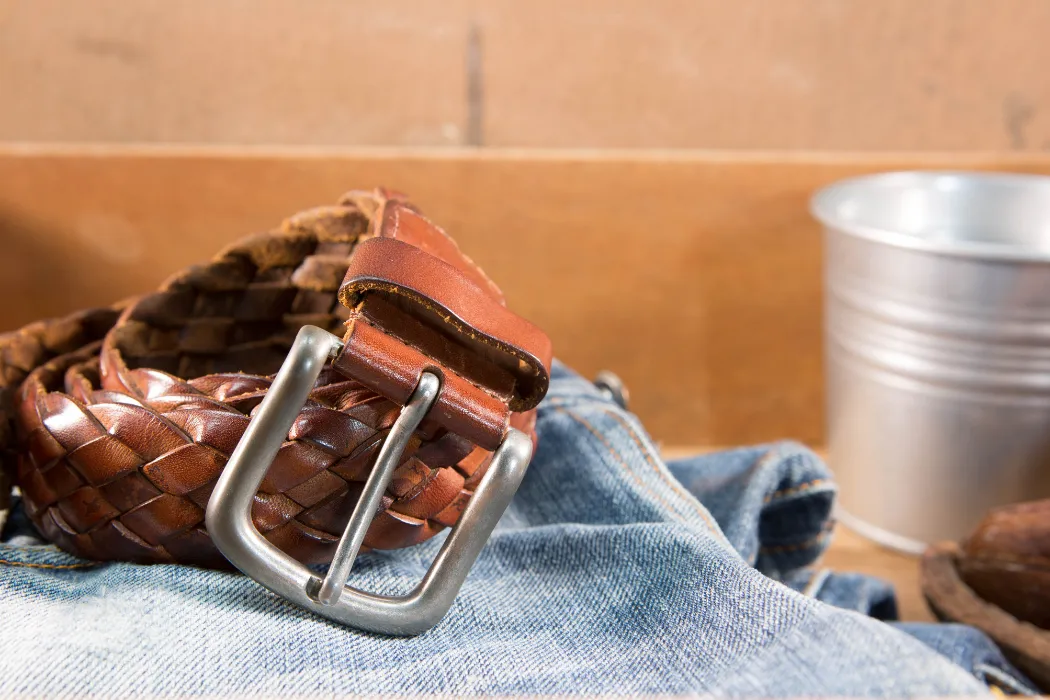
While the leather strap bears the tension, the hardware (buckle) acts as the primary mechanical latch. In engineering terms, the buckle is the most common point of catastrophic failure. A snapped pin or a corroded frame renders the entire belt useless. Therefore, hardware selection is a trade-off between weight, tensile strength, and corrosion resistance.
Buckle Materials: The Metallurgy of Durability
The base metal determines the buckle’s structural integrity and its ability to hold plating.
- Zinc Alloy: The industry standard for mass production. It is die-cast, allowing for complex 3D shapes and logos. Engineering Risk: If the casting is porous (contains air bubbles), the buckle can snap under impact. It relies heavily on electroplating for corrosion resistance.
- Solid Brass: A traditional, premium material. It is heavy, naturally corrosion-resistant, and self-lubricating (moving parts don’t grind). It does not rust but will develop a greenish patina if unlacquered. Cost is significantly higher than zinc.
- Stainless Steel (304/316 Grade): The gold standard for durability. It is hypoallergenic and virtually indestructible. Unlike zinc or brass which are cast, stainless steel is often machined, resulting in sharp, precise lines. It requires no plating, eliminating the risk of peeling.
Salt Spray Testing: To verify quality, hardware undergoes a salt spray test. A standard commercial buckle must withstand 24 hours without corrosion, while premium marine-grade hardware strives for 48-72 hours.
Functionality: Mechanical Complexity vs. Risk
Adding moving parts to a buckle increases utility but introduces new failure points.
- Roller Buckles: Feature a rolling cylinder on the frame. This is a functional engineering choice to reduce friction, preventing the leather face from scuffing when tightened.
- Reversible Buckles: Utilize a spring-loaded hinge and swivel mechanism. Warning: This is the highest failure category in belt manufacturing. If the internal spring is weak or the hinge tolerance is loose, the buckle will fall apart after a few hundred rotations.
- Ratchet (Click) Buckles: Rely on a track system (plastic or nylon) sewn into the strap. They offer precise 0.25-inch micro-adjustments, superior to the 1-inch spacing of traditional holes.
Attachment Systems: Maintenance and Repair
How the buckle connects to the strap dictates whether the belt is serviceable.
- Stitched Fold: The most elegant and formal method. The buckle is permanently sewn in. If the buckle breaks, the belt is ruined.
- Rivets: Metal fasteners hammered through the layers. Extremely strong tensile holding, but difficult to remove without specialized tools.
- Chicago Screws: A threaded post and screw system. This allows the consumer to easily swap buckles. Technical Note: To prevent the screw from vibrating loose over time, a drop of thread-locking adhesive (like Loctite) must be applied during assembly.
How Do Compliance Standards & Sustainability Shape Production?
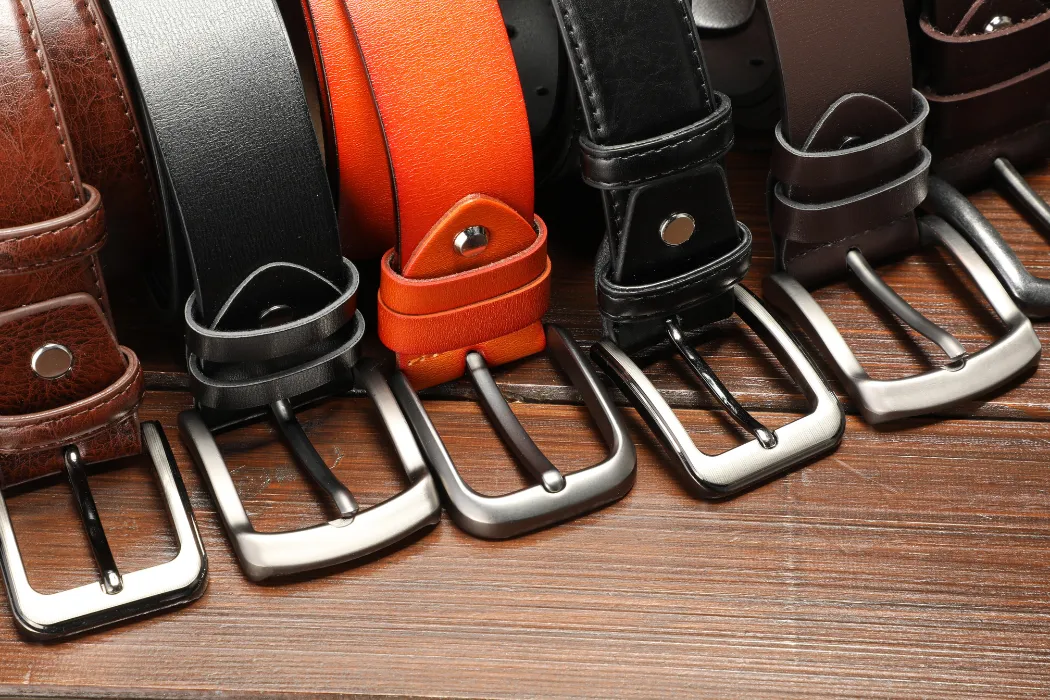
In the modern global market, a belt that fails chemical testing is a liability, regardless of its beauty or durability. “Compliance” is the engineering of safety and ethics. For brands exporting to the EU or North America, meeting strict regulatory frameworks is non-negotiable to avoid customs seizures, product recalls, and reputational damage.
Chemical Safety: The Invisible Engineering
Leather processing involves complex chemistry. Strict protocols are required to ensure no restricted substances remain in the final product.
- REACH (European Union): The strictest standard globally. It strictly regulates Chromium VI (a carcinogen that can form if tanning is mismanaged), AZO dyes, and Lead. A batch failing a Chrome VI test (limit often < 3ppm) is illegal to sell in the EU.
- CPSIA / Prop 65 (USA): Focuses heavily on Lead content in surface coatings (edge paint) and hardware, as well as Phthalates in plasticizers used in synthetic linings. Hardware must be verified lead-free (< 90ppm) to be safe for consumer contact.
Material Traceability: The LWG Standard
Sustainability is now a technical requirement measured by third-party audits.
- Leather Working Group (LWG): This is the global gold standard for tannery auditing. It rates facilities (Gold, Silver, Bronze) based on environmental performance: water usage, energy consumption, and effluent (waste) treatment. Sourcing from LWG-certified tanneries ensures the “chain of custody” for the raw material is clean.
- Sustainable Leather Foundation (SLF): An emerging standard that integrates environmental, social, and governance (ESG) pillars into a single transparency dashboard.
Social Compliance: Ethical Risk Management
Production facilities must pass social audits to ensure labor standards meet global expectations.
- SMETA / Sedex: One of the most widely used ethical audit formats, checking for labor rights, health & safety, and business ethics.
- BSCI (Business Social Compliance Initiative): Focuses on improving working conditions in the supply chain. For a buyer, a valid BSCI audit report is often the first document requested before a factory is approved for production.
| Standard | Primary Region | Critical Checkpoint | Business Impact |
|---|---|---|---|
| REACH | Europe | Chrome VI < 3ppm | Essential for EU Market Access |
| CPSIA / Prop 65 | USA | Lead < 90ppm | Essential for US Retailers |
| LWG Certified | Global | Tannery Environmental Score | Required for ESG Claims |
| SMETA / BSCI | Global | Social / Labor Audit | Prerequisite for Big Box Retail |
What Quality Control Tests Must a Belt Pass?
In manufacturing, “quality” is not an opinion; it is a data set. Because leather is an organic material, it has natural variations. Engineering-grade Quality Control (QC) is designed to distinguish between acceptable natural characteristics and functional failures. A robust QC protocol involves destroying a statistically significant percentage of production units to ensure the batch survives the real world.
Physical Stress Testing: Simulating Failure
Belts endure constant tension and torsion. Laboratory tests replicate years of wear in a few hours.
- Tensile Strength Test: The belt is clamped and pulled until it snaps. A standard casual belt must withstand at least 20kg – 40kg of force without breaking or the buckle detaching.
- Hole Elongation: A calibrated pin pulls on the center hole. If the leather stretches too much or tears, the fiber density is insufficient. High-quality vegetable-tanned leather offers the best resistance to this deformation.
- Flex Testing (Bally Flexometer): The strap is bent back and forth rapidly (often 20,000 to 50,000 cycles) to check if the edge paint cracks or the bonded layers delaminate.
Chemical Fastness: Protecting the Consumer
The most common consumer complaint is “crocking”—when dye transfers from the belt to the wearer’s clothing.
- Rub Test (Wet & Dry): A white cotton cloth is rubbed against the belt surface and lining under a specific weight (typically 10 cycles to 50 cycles). The cloth is then inspected against a “Gray Scale” (Rated 1-5). A rating of 4/5 is the standard engineering requirement to ensure a black belt won’t ruin a pair of white trousers.
- Adhesion Test (Tape Test): A standardized adhesive tape is applied to the edge paint or hardware plating and ripped off. If any paint or metal plating comes off with the tape, the batch is rejected for poor bonding.
Visual Inspection: Natural vs. Defective
Visual QC requires trained judgment to separate nature from negligence.
- Acceptable Nature: Healed scars, growth veins (neck wrinkles), and slight grain variations are proofs of genuine leather and are structurally sound.
- Manufacturing Defects: Open cuts, loose threads, uneven stitching lines, or “piping” (where the leather separates from the filler when bent) are grounds for immediate rejection.
| Test Name | Methodology | Passing Standard | Prevention Goal |
|---|---|---|---|
| Tensile Pull | Machine Pull | > 250 Newtons (approx. 25kg) | Prevent snapping under tension |
| Crocking (Rub) | AATCC 8 / ISO 105 | Grade 4.0 (Dry) / 3.5 (Wet) | Prevent dye transfer to clothes |
| Salt Spray | Corrosion Chamber | 24 Hours (Commercial Standard) | Prevent buckle rusting |
| Adhesion | Cross-Cut Tape | No peeling | Prevent edge paint falling off |
How Do Manufacturing Locations Influence Supply Chain Strategy?
The final variable in the engineering equation is geography. Where a belt is made determines its landed cost, lead time, and duty status. Smart supply chain directors do not simply look for the “cheapest” factory; they engineer a sourcing matrix that matches product complexity with the appropriate manufacturing capability. A dual-country strategy is often the gold standard for global brands.
China (Dongguan): The Center for Complexity
Dongguan remains the global capital for complex leather goods development. The supply chain ecosystem here allows for rapid prototyping and intricate material sourcing.
- Development Hub: This is where engineering happens. High-complexity belts involving mixed materials (leather + fabric), intricate braiding, or heavy studding are best executed here due to the high skill level of the workforce.
- Speed to Market: With immediate access to hardware plating factories and component suppliers, China factories can turn around samples in 3-7 days, making them ideal for fashion-forward, trend-reactive collections.
Cambodia: The Engine for Scale and Duty Benefits
For core programs—the “bread and butter” basics sold in high volume—Southeast Asia is the engineered solution for cost efficiency.
- Volume Scalability: Factories in Cambodia are designed for mass production. A single facility can output 200,000+ leather belts per month. The workflow is optimized for long runs of standardized styles with consistent quality.
- Duty Advantages: Cambodia benefits from favorable trade agreements with many major economies, significantly reducing the “landed duty paid” (LDP) cost for importers in Europe, Canada, and other regions compared to sourcing solely from China.
Vertical Integration: The Tannery Advantage
The most advanced manufacturing model involves Vertical Integration—where the belt manufacturer also owns the leather finishing facility (tannery). This is a game-changer for engineering control.
- Raw Material Control: Instead of buying finished leather from a third party, an integrated manufacturer buys “crust” (semi-processed hides) from Italy or South America and finishes them in-house. This ensures the chemical finish (like Crazy Horse or Pull-up) is exactly calibrated to the belt’s technical specs.
- Cost & Speed: By cutting out the middleman tannery, costs are reduced, and lead times for leather production drop from weeks to days. Facilities like Pro Pelli in Cambodia exemplify this model, offering LWG-standard finishing directly next to the belt assembly line.
| Factor | China Manufacturing | Cambodia Manufacturing |
|---|---|---|
| Primary Focus | High Fashion, Complex Construction, R&D | High Volume, Basics, Replenishment |
| Order Volume | Flexible / Low-Mid MOQ | High MOQ (Scale Efficiency) |
| Cost Structure | Medium (Higher Labor Skill) | Low (Labor & Duty Advantage) |
| Best For | Seasonal Trend Collections | Never-Out-Of-Stock (NOOS) Programs |
Frequently Asked Questions (FAQ)
What is the difference between “Genuine Leather” and “Full-Grain”?
“Genuine Leather” is technically a catch-all term that often refers to split leather or lower-grade layers. “Full-Grain” refers specifically to the top, un-sanded layer of the hide, which is the strongest and most durable grade available.
Why do some leather belts crack after a few months?
Cracking usually occurs in belts made of Bonded Leather or low-quality Split Leather with a thick PU coating. As the belt bends, the stiff synthetic coating detaches from the flexible fiber base. A full-grain or high-quality top-grain belt will not crack; it will soften.
How long does it take to develop a custom belt collection?
In a facility like Dongguan, sampling takes 7-10 days. Once approved, bulk production typically requires 30-45 days, depending on whether the leather needs to be specially finished.
Can a belt be both sustainable and affordable?
Yes, by using Split Leather from LWG-certified tanneries. It utilizes the byproduct of the meat industry and, when finished responsibly, offers a balance of cost-effectiveness and ethical compliance.
Conclusion: The Engineer’s Choice
Manufacturing a premium belt is not about finding the lowest bidder; it is about finding the partner who understands the physics of the product. From the tensile strength of the hide to the chemical stability of the edge paint, every detail contributes to the brand’s reputation.
For brands seeking this level of technical rigor, Hoplok Leather Goods offers a proven solution. With a dual-country footprint—combining the R&D agility of Dongguan with the scale and duty advantages of Cambodia—and the unique vertical integration of its own Pro Pelli tannery, Hoplok executes the engineering standards outlined in this guide. Whether you need complex fashion pieces or high-volume basics, Hoplok provides the “one-stop” engineering partnership global brands rely on.