Major department stores reject thousands of leather bags and belts every year simply because of bad barcodes. You can design a perfect genuine leather handbag, but a scanning failure at the checkout counter ruins the retail experience. Retailers demand floor-ready merchandise. This means every product must arrive with the exact retail ticket and UPC barcode attached securely.
The core challenge is applying these rigid compliance standards without damaging premium materials. A sticky label ruins suede, and a plastic swift tack leaves permanent holes in full-grain leather belts. Brands must balance strict data requirements, like the 12-digit UPC-A standard, with careful material handling. A scannable barcode speeds up inventory counting, prevents costly chargebacks, and keeps the entire supply chain moving smoothly.
So, how do you attach a mandatory retail tag safely? You need to understand the precise rules for barcode sizing, placement, and fastening methods. This guide breaks down the exact technical requirements for retail ticketing, so leather goods pass inspection every single time.
What Are the Core UPC Barcode Requirements for Leather Bags and Belts?

The core requirement for leather goods is a perfectly scannable 12-digit UPC-A barcode. Retailers need this code to track inventory and ring up sales instantly. You must scale the barcode between 80% and 200% of the standard size, print it with sharp black ink on a white background, and place it where scanners can easily read it without bending the leather.
Decoding the 12-Digit UPC-A Standard
Every authentic retail tag uses a specific number sequence to identify exactly what you are selling. You cannot make these numbers up, because brands must register them officially through the global GS1 organization.
- The first 6 to 9 digits represent the GS1 Company Prefix, which officially identifies the brand system worldwide.
- The middle section holds the Item Reference number, and this points directly to a specific product variation like a black leather tote bag or a 32-inch men’s belt.
- The final 1 digit is the check digit, which works as a mathematical proof so checkout scanners can instantly verify the entire code is correct.
This exact sequence ensures the inventory system recognizes your item instantly, so a store never confuses a high-end handbag with a simple leather keychain.
Sizing and Placement on Leather Goods
You cannot just shrink a barcode to fit a tiny leather tag because checkout lasers will simply fail to read it. Scale and placement matter immensely when preparing floor-ready merchandise.
- The official standard base width for a UPC-A barcode sits at exactly 1.175 inches wide by 1.004 inches high.
- You can safely reduce the magnification size down to 80%, which equals about 0.94 inches wide, but shrinking it any further violates standard retailer compliance rules.
- You must always leave a blank white space on the left and right sides of the bars. Experts call this the quiet zone, and it requires at least 0.097 inches of empty space.
Retailers expect the tag to hang freely from the leather good. Giving the barcode enough room and keeping it accessible means store employees can scan items quickly without slowing down the checkout line.
Avoiding Common Scanning Failures
Barcodes often fail on the retail floor because of bad printing methods or poor design choices. You need to focus on visibility and print durability.
- Always use solid black ink for the vertical bars and pure white for the background, because scanners read the sharp contrast between dark and light spaces.
- Do not print barcodes directly on reflective materials like silver or gold foil tags, because the laser light will bounce off and cause an immediate reading error.
- Never wrap a paper tag around the curved leather handle of a handbag, because the barcode lines will physically distort and become unreadable.
- Use thermal transfer printing to create these tags, because this method prevents the ink from smudging when leather goods experience humidity during ocean shipping.
Keeping tags completely flat and utilizing high-contrast colors guarantees a perfect scan every time, so you avoid frustrating delays and retail penalties.
| Feature | UPC-A (North America) | EAN-13 (Global/Europe) |
|---|---|---|
| Total Digits | 12 Digits | 13 Digits |
| Standard Width | 1.175 inches | 1.25 inches |
| Quiet Zone (Margins) | 0.097 inches | 0.091 inches |
| Primary Usage | US and Canadian Retailers | European and Global Retailers |
Retailers expect hangtags to look clean, uniform, and incredibly easy to read. A standard retail ticket acts as the physical ID card for your leather bag or belt. It must display the brand name, style number, color code, retail price, and the UPC barcode in a specific order. If you miss a single detail or use the wrong font size, the store receiving team might reject the entire shipment instantly.
Essential Information on a Retail Ticket
Every major department store uses a standardized layout for ticket information so cashiers can find details without thinking twice.
- You must print the brand logo at the top center, and it usually takes up the top 20% of the tag space.
- List the vendor style number and color code clearly below the logo using a clean font like Arial at a 10-point size.
- Place the suggested retail price at the bottom right corner, often using a bold 14-point font so customers see it quickly.
- Position the 12-digit UPC barcode right in the middle, leaving exactly 0.25 inches of blank white space above the price line.
Organizing this text properly means a busy retail worker never has to guess the price or the style category of your leather belt.
Standard Ticket Sizes and Hole Placements
You cannot use randomly sized paper tags because modern retailers use automated sorting machines and standard display hooks to organize inventory.
- Cut the standard hangtag to exactly 1.5 inches wide by 3.5 inches long, because this matches the industry standard for most fashion accessories.
- Punch the attachment hole exactly 0.25 inches from the top edge so the tag hangs completely straight on the product.
- Make the punched hole exactly 0.125 inches in diameter so it fits standard plastic swift tacks and security loops perfectly.
- Use a heavy cardstock material that weighs at least 100 lb so the tag does not tear or bend while hanging in a crowded store.
Sticking strictly to these precise dimensions prevents tags from tearing off when thousands of customers handle the leather goods on the shop floor.
Materials That Match Brand Identity
The paper material you choose must support the high-quality feel of the genuine leather, but it also needs to handle the physical stress of retail display.
- You must select a matte-coated paper finish because it stops the barcode ink from smearing when workers touch it with sweaty hands.
- Avoid glossy papers entirely because store checkout scanners struggle to read barcodes that reflect too much bright ceiling light.
- Use reinforced hole punches, sometimes adding a metal eyelet, if the tag will hang on a heavy 2-pound leather duffle bag.
- Print with UV-resistant black ink so the text stays perfectly readable even if the bag sits in a sunny store window for 60 days.
Choosing the correct tag material protects your inventory data and ensures the customer feels the premium quality before they even touch the leather.
Where Should You Attach Tags to Prevent Leather Damage?
You must attach retail tags strictly to existing hardware or removable straps because puncturing the actual leather permanently ruins the product. A tiny hole in full-grain leather never closes, so buyers will instantly reject the damaged item. Engineers always look for metal D-rings, zipper pulls, or belt buckles to loop the tags safely without ever touching the sensitive animal hide.
Safe Attachment Points for Handbags
Handbags offer multiple safe zones for tags if you know exactly where to look.
- Loop the plastic fastener through the metal zipper pull, because this area naturally handles constant pulling and moving.
- Attach tags to the sturdy metal D-ring where the shoulder strap connects, leaving at least 2 inches of hanging clearance.
- Avoid wrapping tight plastic loops around painted leather edge-stains, because the friction easily peels off the 0.5mm protective paint layer.
- Slide the tag onto the detachable crossbody strap clip, so the customer can remove the entire tag assembly instantly after purchase.
Using these designated metal anchor points keeps the sharp plastic edges completely away from the soft leather panels.
Tagging Belts Without Piercing the Leather
Leather belts require a completely different approach because they lack dangling zippers or metal rings.
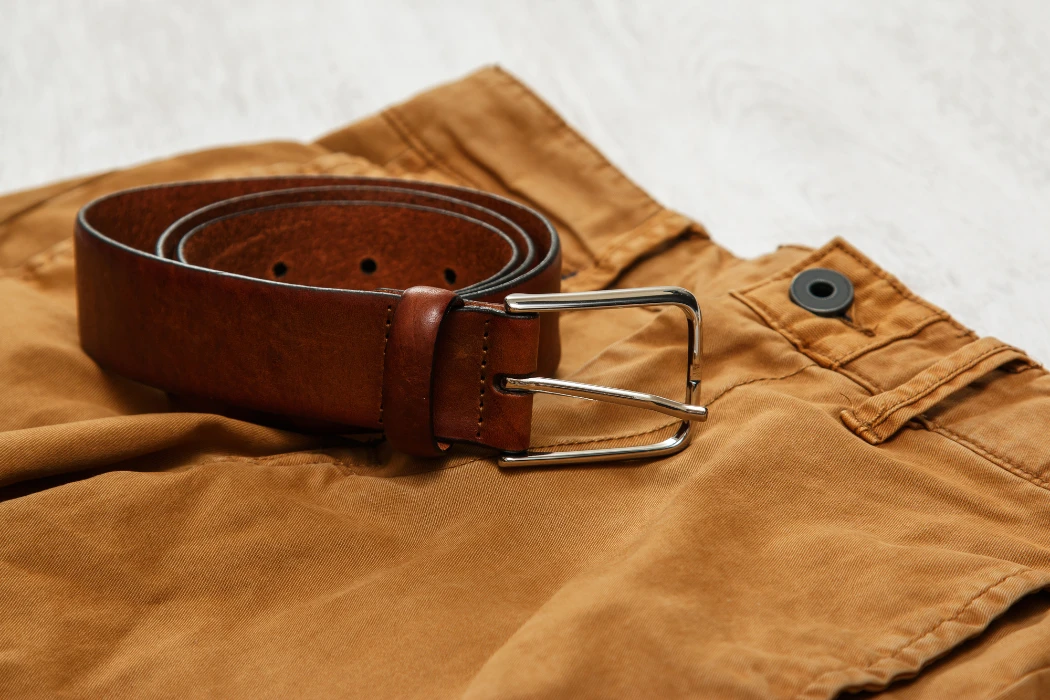
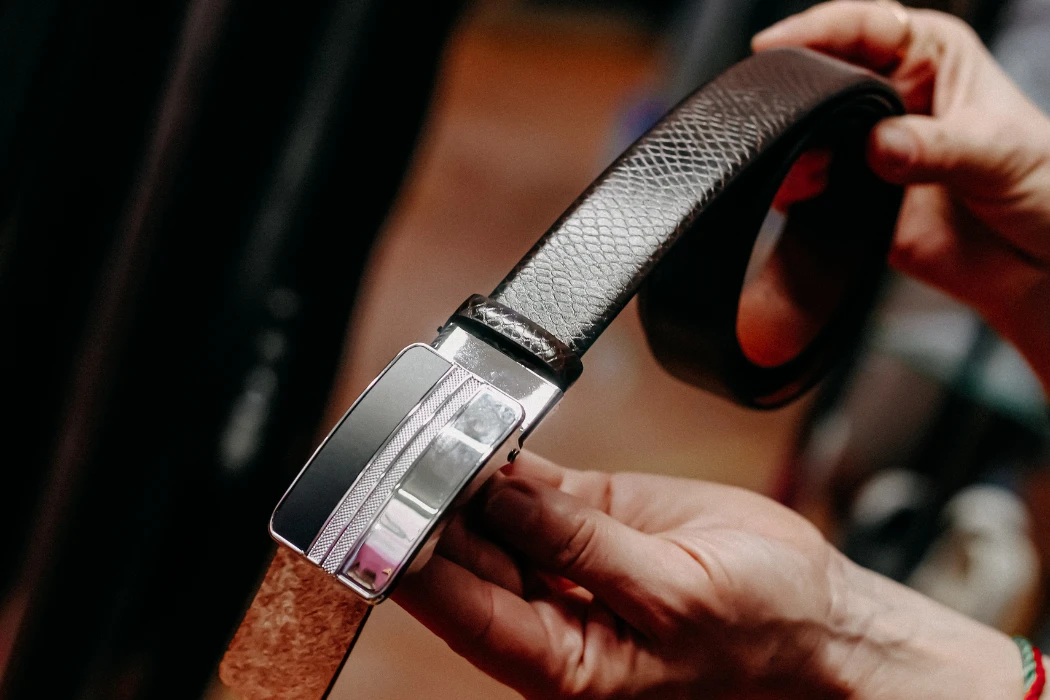
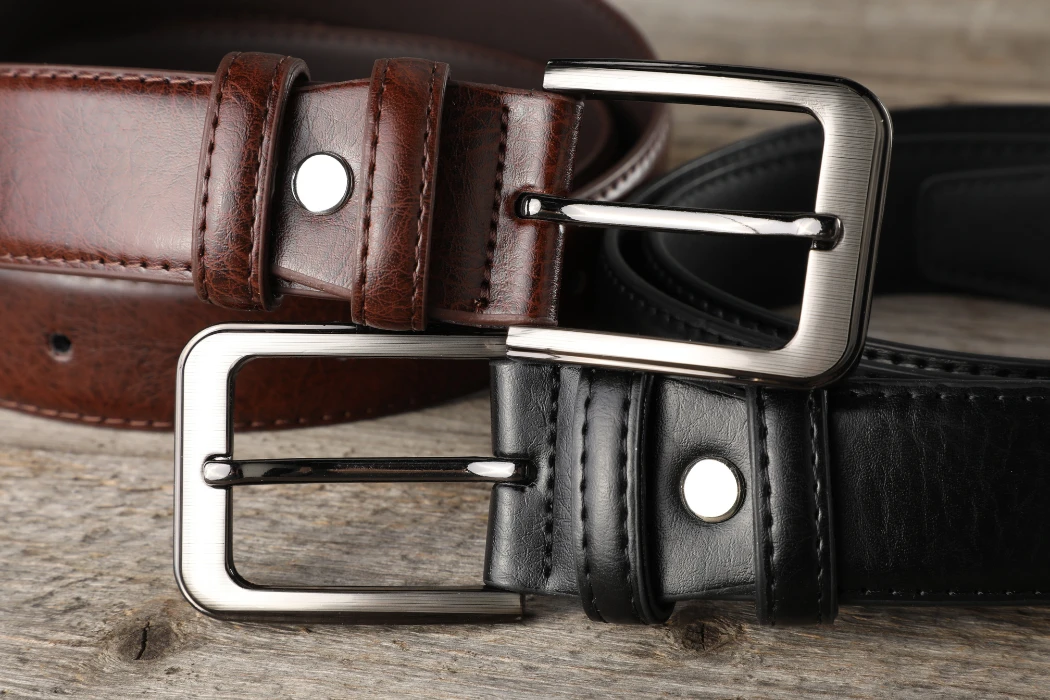
- Wrap a soft plastic loop directly around the metal belt buckle, ensuring the loop measures exactly 3 inches long so it hangs flat.
- Never use a needle gun to shoot a plastic swift tack through the leather strap, because a 1mm hole permanently destroys the structural integrity.
- Thread the tag fastener through the existing leather keeper loop, but only if the loop has a loose clearance of at least 0.25 inches.
- Use a folded paper joker tag that wraps completely around the 32-inch leather strap and secures to itself with a mild adhesive.
Securing the tag to the hardware or wrapping it gently ensures the smooth leather surface remains completely unblemished.
Fastener Types: Swift Tacks vs. Safety Pins
Choosing the wrong fastener material causes just as much damage as picking the wrong attachment point.
- Use standard plastic swift tacks, usually measuring 2.5 inches, only when looping through metal hardware or woven fabric labels.
- Select soft cotton string with a bullet-lock seal for luxury items, because the fabric string cannot scratch the delicate 0.8mm top-grain leather finish.
- Avoid traditional metal safety pins completely, because the sharp point punctures the leather and the metal wire leaves permanent indentation marks.
- Choose micro-tacks that measure barely 0.5 inches when attaching tiny price tickets to the internal fabric lining of a coin purse.
Matching the physical fastener to the specific material type guarantees the product survives the shipping journey without accidental scratches.
| Leather Product Type | Best Attachment Point | Approved Fastener | Forbidden Method |
|---|---|---|---|
| Leather Handbag | Metal D-Ring or Zipper Pull | 3-inch Plastic Loop or String | Applying Sticky Labels on Leather |
| Genuine Leather Belt | Metal Buckle Frame | Folded Joker Tag | Piercing with a Swift Tack |
| Suede Wallet | Internal Fabric Lining | 0.5-inch Micro-Tack | Using a Metal Safety Pin |
Do RFID Tags Replace Traditional UPC Barcodes?
No, RFID tags do not replace traditional UPC barcodes yet. Retailers actually require both systems to work together on the exact same ticket. RFID provides fast, wireless inventory scanning from a distance, but cashiers still rely on printed UPC barcodes as a permanent manual backup if the electronic chip breaks or the store system crashes.
How RFID Speeds Up Inventory Counting
Radio Frequency Identification (RFID) completely changes how store workers manage their stockrooms and sales floors.
- Store employees can scan up to 20,000 items per hour using a standard handheld RFID reader.
- Unlike laser scanners, radio waves penetrate cardboard boxes, so workers can count 50 leather belts inside a sealed shipping carton instantly.
- RFID tags increase inventory accuracy from a retail average of 65% up to 99%, simply because human counting errors disappear.
- The microchip inside the tag holds a unique serial number, meaning you can track a specific handbag from the factory floor all the way to the final customer.
Because radio waves count multiple items simultaneously, retailers save thousands of labor hours every single month.
Combining EPC (Electronic Product Code) with UPC
You cannot just slap a random microchip on a bag, because the electronic data must match the printed barcode perfectly.
- Engineers combine the standard 12-digit UPC with a unique serial number to create an Electronic Product Code (EPC).
- This EPC data gets encoded onto a tiny memory chip, usually holding exactly 96 bits of digital information.
- The physical RFID inlay, often measuring just 1 inch by 2 inches, sits completely hidden between two layers of the paper hangtag.
- The printed UPC barcode remains clearly visible on the outside of the tag, serving as a visual backup if the RFID antenna bends or breaks.
Integrating both technologies into one single tag ensures the product remains trackable even if the store experiences a wireless network failure.
Cost Differences Between RFID and Standard Ticketing
Adding wireless microchip technology to a paper ticket naturally changes the manufacturing budget.
- A standard printed UPC hangtag usually costs between $0.02 and $0.05 per unit to produce.
- Upgrading to a smart RFID-enabled ticket raises the raw material cost to roughly $0.10 to $0.15 per tag.
- Brands must also invest in special RFID encoding printers, which often cost over $2,500 per machine to set up.
- However, major retailers now mandate RFID for accessories, meaning non-compliance triggers heavy chargebacks of up to $2.00 per missing tag.
So, while the initial tag costs slightly more upfront, adopting RFID technology prevents massive financial penalties from large retail partners.
Why Do Department Stores Have Strict Vendor Ticketing Rules?

Department stores enforce strict rules because they process thousands of incoming shipments every single day. If they stop to fix a broken barcode or attach a missing tag on a leather belt, their entire warehouse operation slows down. Retailers need the merchandise to move instantly from the delivery truck to the sales floor. They use financial penalties to force vendors to follow the exact labeling instructions.
Understanding EDI and Floor-Ready Merchandise
Big retailers use massive computer systems to talk to factory computers before the leather goods even ship.
- Vendors must send an EDI 856 document, which experts call an Advance Ship Notice, right after the factory packs the cartons.
- This digital file tells the store exactly which 12-digit UPC barcodes sit inside each specific carton.
- When the truck arrives, the store scanner reads the outside box label and instantly updates the inventory for 5,000 leather bags.
- Floor-Ready Merchandise means the store team literally opens the box and hangs the bags on the shelf in under 5 minutes.
Syncing the digital paperwork with the physical barcodes ensures the retailer never loses track of the moving inventory.
Preventing Chargebacks in Big Retail
Retailers do not fix your ticketing mistakes for free, so they issue chargebacks to cover their wasted labor.
- A chargeback acts like a traffic ticket for the factory, deducting money directly from the final invoice.
- Stores often charge exactly $0.50 for every single missing paper tag on a leather wallet.
- If the barcode fails to scan because of bad ink, the penalty easily jumps to $2.00 per unit.
- Retailers will even fine you up to $150.00 just for putting the ticketing sticker in the wrong corner of a master shipping carton.
Following the retailer’s ticketing manual perfectly protects your profit margin and keeps the business relationship strong.
Coordinating Ticketing with Factory Packaging
Engineers must plan the retail ticketing process before the factory even cuts the first piece of leather.
- The packing team must apply the retail tag just before placing the belt into its protective 0.04mm thick polybag.
- Workers must position the tag so the UPC barcode faces completely flat against the transparent plastic.
- Quality control inspectors scan 10% of the boxed inventory before sealing the master carton with heavy-duty 2-inch tape.
- Factories must print unique packing labels for the outside of the carton that match the tags inside with 100% accuracy.
Organizing the tagging process directly on the assembly line prevents massive sorting nightmares later in the warehouse.
| Error Type | Description | Average Penalty Fee |
|---|---|---|
| Missing Ticket | No retail tag attached to the leather good. | $0.50 to $1.00 per unit |
| Unscannable Barcode | Scanner cannot read the UPC due to bad ink or wrong size. | $1.00 to $2.00 per unit |
| Incorrect Placement | Tag attached to the wrong strap or covering a logo. | $0.25 to $0.50 per unit |
| Mismatched EDI Data | The physical barcode does not match the digital shipping file. | Up to $500.00 per shipment |
Frequently Asked Questions About Retail Ticketing
How do I get a valid UPC for my leather products?
You must purchase an official GS1 Company Prefix directly from the GS1 organization. This ensures your barcode remains globally unique and recognizable by any retailer.
What is the best way to tag a genuine leather wallet?
Use a micro-tack fastener and attach the paper tag directly to the internal fabric lining. You must never pierce the actual leather shell.
Can I print barcodes directly on the leather?
No, scanning lasers cannot reliably read barcodes printed on textured leather because the irregular surface naturally distorts the straight barcode lines.
What is the minimum size for a scannable UPC barcode?
You can safely shrink a standard UPC-A barcode down to exactly 80% magnification, which equals roughly 0.94 inches in physical width.
Do I need a different UPC for each belt size and color?
Yes, every single variation requires a unique item number. A black 32-inch belt needs a completely different barcode than a brown 32-inch belt.
How much do chargebacks cost for missing tickets?
Missing retail tickets usually trigger a penalty fee ranging from $0.50 to $2.00 per unit, depending entirely on the specific department store manual.
What happens if a barcode sticker peels off a leather bag?
The store receiving team will reject the item, halt the inventory check, and issue a direct financial chargeback to the vendor for non-compliance.
No. QR codes provide digital marketing information for smartphones, but retailers still require traditional UPC barcodes for their rigid point-of-sale systems.
Achieving Flawless Retail Compliance
Mastering retail compliance requires perfect barcode execution and careful handling of premium materials. You must follow strict magnification rules, choose standard hangtag dimensions, and utilize safe attachment points to keep leather goods pristine. A flawless ticketing process ensures your products move swiftly from the delivery truck to the sales floor without triggering expensive retailer chargebacks. If you are building a brand and need a reliable manufacturing partner who deeply understands these strict compliance standards, Hoplok Leather Goods provides the turnkey solutions and flawless execution required for massive global retail success.