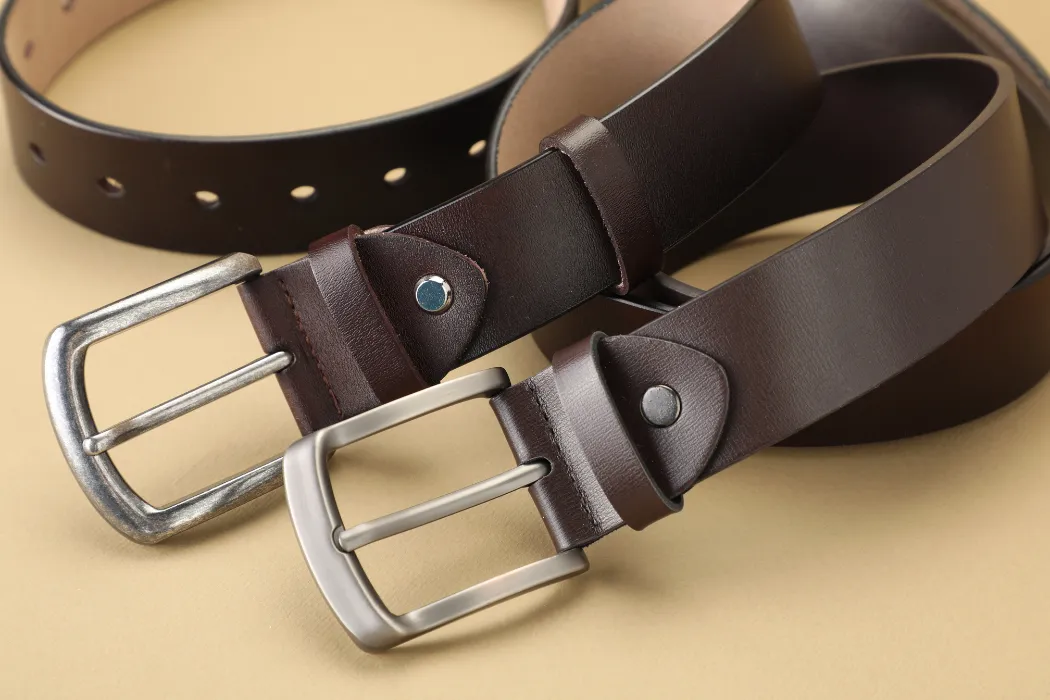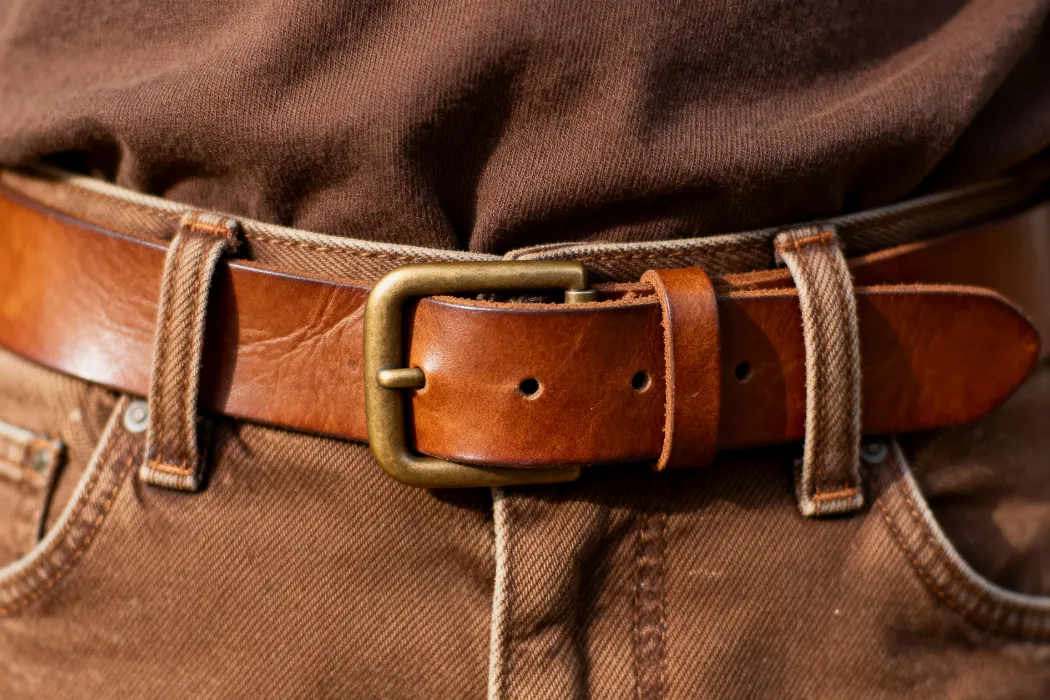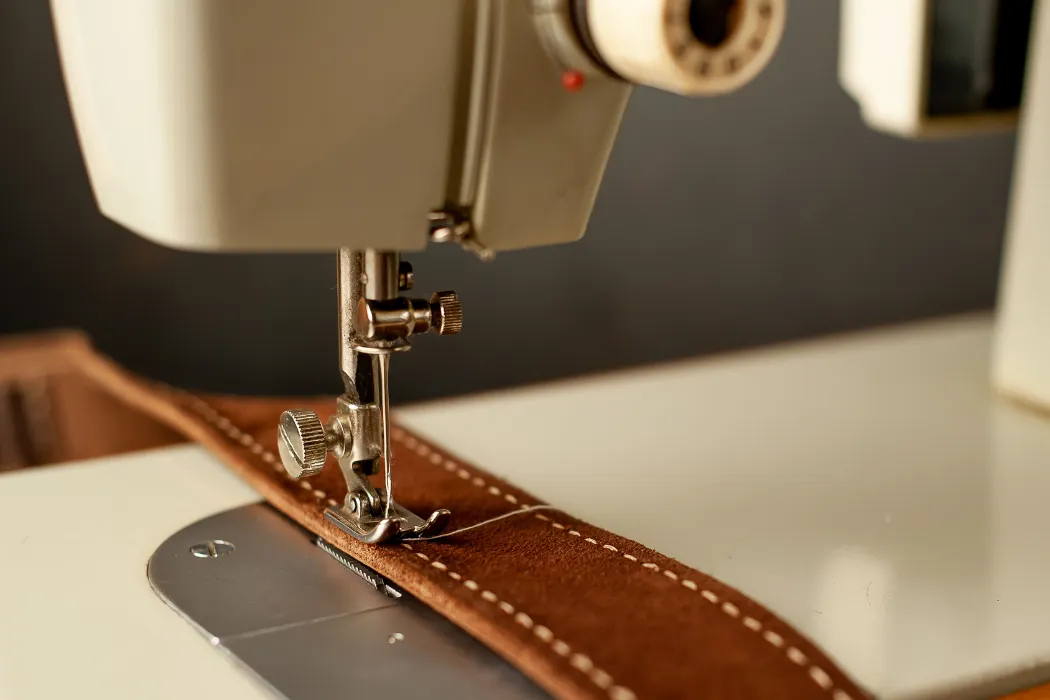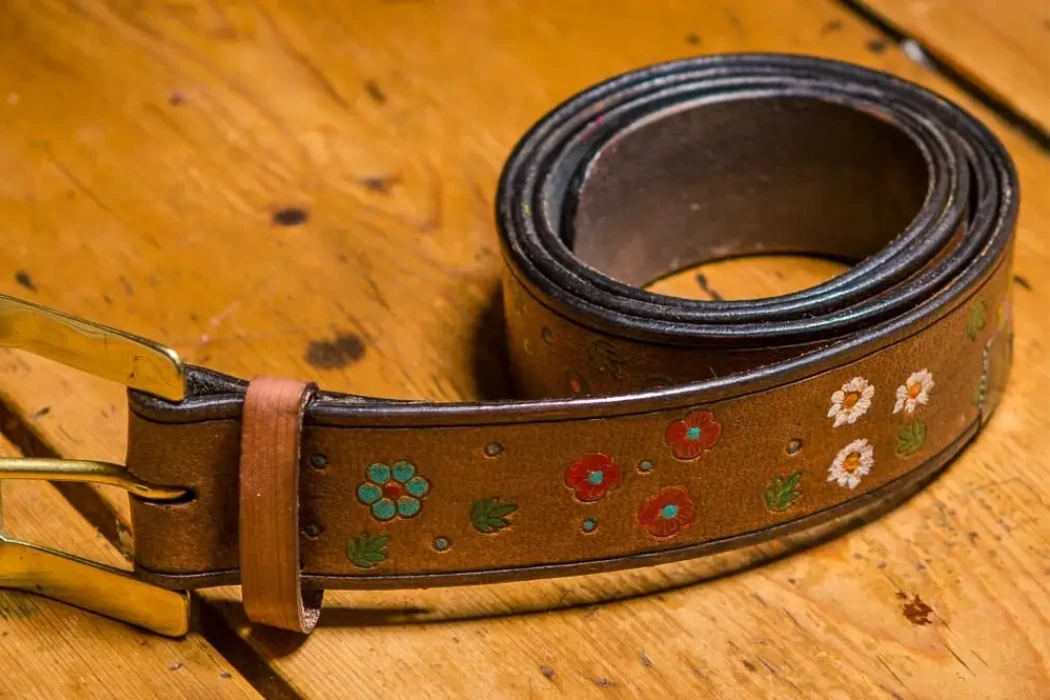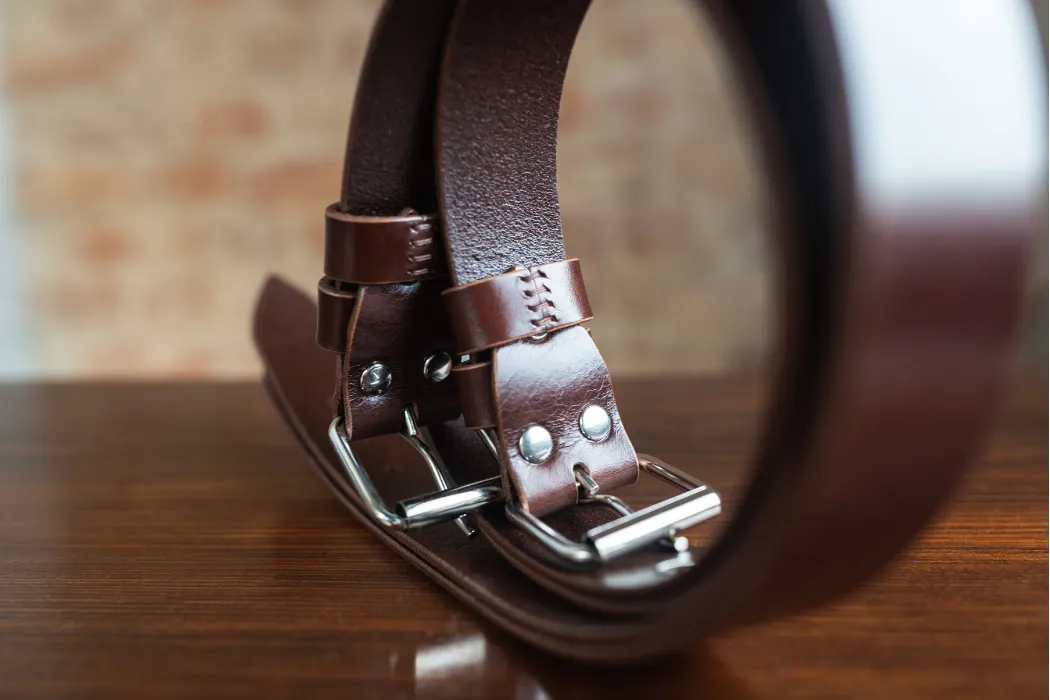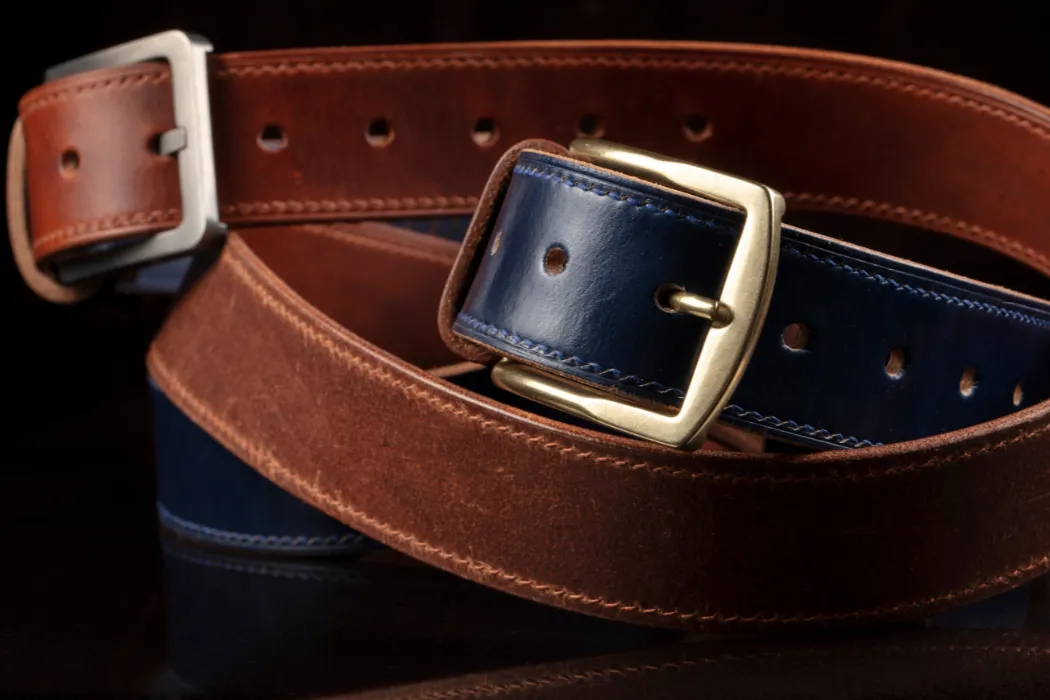
Sourcing the best sustainable belt materials is a critical decision that directly impacts brand reputation and market access. Choosing the wrong option based on unverified claims can lead to failed durability tests, costly customer returns, and non-compliance with essential safety standards like REACH & CPSIA.
This analysis benchmarks the four leading material categories—recycled, bio-based, vegetable-tanned, and rPET webbing. We evaluate each based on verifiable certifications like LWG and GRS, end-of-life impact, and suitability for scalable production, enabling your brand to make a data-driven choice.
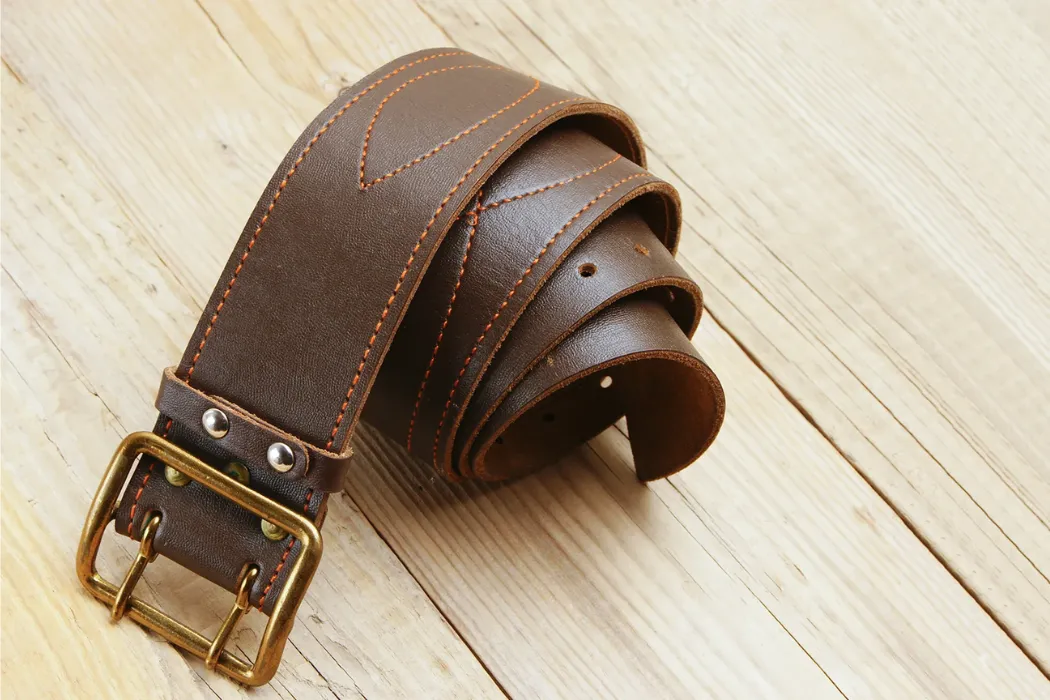
4 Best Sustainable Belt Materials
Quick Comparison
| Product Name | Best For | Key Feature | Verdict |
|---|---|---|---|
| Recycled Bonded Leather | Circular Material | Waste Reduction & Resource Efficiency | Excellent for utilizing post-industrial waste, but durability depends on the binder used. |
| Bio-Based Leather Alternatives (e.g., Apple, Cactus) | Plant-Based | Repurposes Agricultural Waste | Reduces agricultural waste, though often blended with fossil fuel-based binders for durability. |
| Vegetable-Tanned Leather | Natural Tanning | Chrome-Free & Biodegradable | A great biodegradable option that avoids heavy metals, but the process is water and time-intensive. |
| Recycled Polyester (rPET) Webbing | Recycled Polymer | Diverts Plastic Waste from Landfills | Durable with a lower carbon footprint, but sheds microplastics as a synthetic material. |
Recycled Bonded Leather
The Verdict: This material repurposes post-industrial leather waste into a new textile, supporting a circular economy by reducing landfill and reliance on virgin materials.
✅ The Good
- Utilizes post-industrial leather waste
- Supports circular economy principles
⚠️ The Bad
- Final durability and biodegradability depend on the binder used
Bio-Based Leather Alternatives (e.g., Apple, Cactus)
The Verdict: These materials transform agricultural waste like apple peels or cactus into durable, plant-based textiles. They provide an innovative substitute for traditional leather, reducing landfill waste and creating value from non-food sources.
✅ The Good
- Low water consumption (especially cactus)
- Reduces food industry waste
⚠️ The Bad
- Often blended with fossil fuel-based binders to ensure durability
Vegetable-Tanned Leather
The Verdict: This ancient, chrome-free tanning process uses natural plant tannins to create a biodegradable material that avoids the toxic heavy metals common in conventional methods, resulting in a unique patina over time.
✅ The Good
- Avoids use of heavy metals like chromium
- Can be biodegradable at end-of-life
⚠️ The Bad
- Process is typically more water and time-intensive than chrome tanning
Recycled Polyester (rPET) Webbing
The Verdict: Recycled Polyester (rPET) Webbing diverts plastic waste from landfills and oceans by turning it into a durable, weather-resistant material. While it significantly reduces the carbon footprint compared to virgin polyester, it is still a synthetic that can shed microplastics.
✅ The Good
- Excellent durability and weather resistance
- Measurably lower carbon footprint than virgin polyester
⚠️ The Bad
- Still a synthetic material that sheds microplastics when washed
The Garage Guru’s Pick: Durability is Eco
Polyurethane (PU) Timing Belts
The Verdict: PU belts offer an excellent balance of longevity and sustainability, outlasting rubber by 2–3 times while having a smaller environmental impact. Their resilience against chemicals and high torque makes them a smart upgrade for reducing maintenance and replacement costs.
✅ The Good
- Lasts 2-3 times longer than rubber in continuous operation
- High recyclability (85%) with a lower production carbon footprint
⚠️ The Bad
- Performance benefits are most pronounced in high-torque, continuous use applications.
Stainless Steel Conveyor Belts
The Verdict: Offering maximum durability and near-total recyclability (92%), stainless steel belts are ideal for extreme industrial environments. They withstand wide temperature ranges and chemical exposure, ensuring decades of service life with minimal degradation.
✅ The Good
- Can be recycled indefinitely without losing material properties
- Resistant to extreme temperatures (-40°C to 120°C) and chemical exposure
⚠️ The Bad
- Has a higher initial carbon footprint during manufacturing, which is offset by its long lifespan.
Advanced Sustainable Composite Belts
The Verdict: These next-gen belts use a circular economy model, integrating recycled materials like PET bottles and rubber to reduce waste without sacrificing performance in modern automated systems.
✅ The Good
- Composed of approximately two-thirds sustainable materials
- Integrates waste streams (e.g., recycled plastic bottles) into high-performance components
⚠️ The Bad
- Represents an emerging technology with standards that are still evolving.
Defining “Sustainable”: Carbon vs. Waste
When sourcing sustainable belts, brand owners often weigh two key factors: the carbon footprint created during manufacturing versus the material waste generated at a product’s end-of-life. A low-carbon approach may favor lightweight materials, while a waste-reduction approach prioritizes extreme durability. We help our partners navigate this by offering a spectrum of materials, from long-lasting LWG-certified leathers to recycled options, aligning production with your brand’s specific sustainability goals.
Carbon Footprint: The Emissions Equation
The carbon footprint of a standard fashion belt can average around 11.19 kg of CO₂ equivalent, with the finishing and coloration processes being significant emission sources. Our vertical integration, including our Pro Pelli leather finishing facility in Cambodia, gives us direct oversight of these stages. This control allows us to partner with you to select lower-impact dyes and more efficient techniques, helping manage a critical part of the carbon equation and ensuring compliance with standards like REACH & CPSIA.
Material Waste: The End-of-Life Problem
Many synthetic materials pose an end-of-life challenge because they are not biodegradable and are difficult to recycle. This makes durability a primary sustainability feature. A longer service life directly reduces waste from frequent replacements. We engineer our belts for longevity by using heavy-duty nylon thread, reinforcing stitches at stress points, and applying smoothly painted edges that prevent fraying. A belt that lasts longer protects your brand’s reputation for quality and minimizes returns.
Balancing Both: Key Sustainability Strategies
A truly effective strategy often involves finding a balance between low-carbon materials and product longevity. This starts with smart material choices. Opting for our vegetable-tanned leathers or hides from LWG Certified tanneries addresses both responsible sourcing and durability. For brands exploring other avenues, we provide high-quality PU, vegan, and recycled leather options. As your manufacturing partner, our goal is to offer the factory-direct expertise and material choices you need to build a product that aligns perfectly with your sustainability story.
Avoiding Greenwashing: What to Ask Suppliers
To protect your brand’s integrity, it’s essential to verify a supplier’s sustainability claims. Focus on demanding proof of recognized third-party certifications like LWG for tanneries and GRS for recycled content. Asking for detailed supply chain documentation and specific data is the only way to move beyond vague “eco-friendly” marketing and confirm genuine commitment.
Navigating sustainability claims can be challenging. Greenwashing, or making misleading environmental claims, can damage a brand’s reputation and mislead customers. For brand owners and wholesalers, vetting a manufacturing partner requires asking the right questions and knowing what to look for. This ensures the products you sell are genuinely responsible.
Key Certifications to Verify
Certifications from independent bodies are the clearest indicators of a supplier’s commitment. Instead of accepting generic terms, ask for valid documentation for standards like these:
- Leather Working Group (LWG): This is crucial for genuine leather. We source our leathers from LWG-certified tanneries, which are audited on their environmental performance, including water usage, chemical management, and traceability.
- Global Recycled Standard (GRS): If you are using recycled materials, this standard validates the recycled content and ensures responsible social and chemical practices in production.
- Global Organic Textile Standard (GOTS): Guarantees that any textile materials are sourced from organic practices and are free from harmful substances.
- OEKO-TEX Leather Standard: This certification confirms the finished leather product is tested for harmful substances and is safe for human contact.
- Factory Audits: Beyond materials, look for factory-level certifications. Our facilities, for example, are certified with ISO 14001 for environmental management, alongside BSCI and SMETA for ethical operations.
Critical Questions for Supply Chain Vetting
A trustworthy partner will provide clear answers and documentation. Your inquiries should focus on transparency and compliance.
- Raw Material Traceability: Ask for specific documentation showing the origin of raw materials. Where does the leather come from? Where are the belts manufactured? Our dual-factory strategy in China and Cambodia offers clear production pathways.
- Chain of Custody: Request proof of how materials are tracked from source to final product. A robust ISO 9001 quality management system often helps manage this effectively.
- Chemical Safety Compliance: Inquire about compliance with regional standards. For example, all our products are Reach & CPSIA Compliant, ensuring they are safe for sale in European and US markets.
- Material Integrity: For alternative materials like vegan or recycled leather, ask for the exact percentage of sustainable content and request physical test data on durability, such as flex and tear resistance.
Red Flags of Potential Greenwashing
Be cautious if a potential supplier exhibits any of these behaviors, as they can indicate a lack of true commitment to sustainability.
- Vague and Unsupported Claims: Be skeptical of broad terms like “eco-friendly,” “green,” or “sustainable” if they are not backed by specific data or certifications.
- Lack of Transparency: A supplier’s refusal or inability to provide audit results, sourcing details, or valid certification documents is a major warning.
- No Measurable Goals: Watch out for sustainability claims that lack concrete targets, such as a clear plan for increasing recycled material usage over time.
Elevate Your Brand with Premium Custom Belts
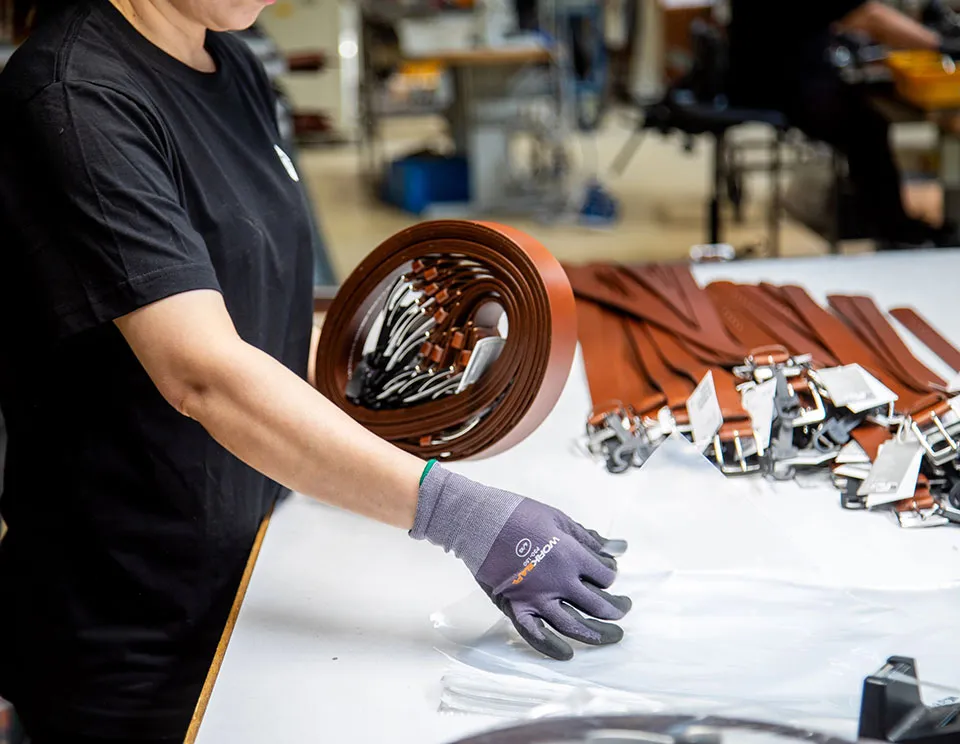
Protect Your Brand, Build Your Collection
Choosing a supplier on vague “eco” claims exposes your brand to greenwashing risks and reputational damage. Our verifiable standards, from LWG-certified leather to BSCI/SMETA factory audits, provide the transparent proof needed to build authentic consumer trust. This approach minimizes compliance risks and protects your long-term market position.
The next step is to verify these materials firsthand. Request a sample kit to test our vegetable-tanned, recycled, and premium vegan leathers for yourself. Contact our team to align our factory-direct capabilities with your brand’s specific sustainability goals.
Material #1: Recycled Bonded Leather (Circular)
Recycled bonded leather is a composite, eco-conscious material we offer to brand partners. We create it by binding shredded leather scraps from manufacturing, which repurposes waste that would otherwise go to a landfill. This circular solution is an excellent fit for fashion-focused belts where style and affordability are priorities. We produce this material to be fully Reach & CPSIA compliant, ensuring safe and easy market entry for your products.
What is Recycled Bonded Leather?
Recycled bonded leather is an innovative composite material. We create it by taking the leather scraps and fibers left over from our manufacturing processes and shredding them into fine particles. These particles are then mixed with a durable binding agent and extruded onto a backing material. This process turns potential waste into a valuable resource, making it a circular solution that helps our brand partners meet their sustainability goals.
Environmental Benefits and Limitations
The primary environmental benefit for your brand is the significant reduction in waste from the leather industry. By repurposing these materials, we use fewer resources than producing new leather hides from scratch, which improves your product’s sustainability story. It is important for our clients to understand that durability can vary based on the final specification and the ratio of leather fibers to bonding agents. The adhesives used in production can also complicate biodegradability, a factor we discuss transparently during the product development process.
Durability and Application in Belts
This material is an excellent choice for fashion belts where unique styles and affordability are priorities over heavy-duty performance. It provides a consistent, uniform appearance that can be easily colored or embossed, giving your designers great creative freedom. As one of our alternative material options, it helps you meet the growing consumer demand for eco-conscious products. We ensure the material is produced to be Reach & CPSIA compliant, guaranteeing it is safe for entry into key U.S. and E.U. markets and reducing your compliance risks.
Material #2: Bio-Based (Cactus/Apple)
As part of our turnkey manufacturing solutions, we can source innovative bio-based vegan materials like cactus and apple leather for your private label belt programs. These materials repurpose agricultural waste and offer a compelling sustainability story for your brand. While they provide excellent performance and a soft texture, they are often hybrid materials blended with synthetic binders and typically come at a premium price point. We manage the sourcing process to ensure full compliance with your market’s safety standards.
Composition and Sourcing
These are advanced, cruelty-free vegan materials made by repurposing agricultural waste. For example, cactus leather uses nopal cactus leaves sourced primarily from Mexico, while apple leather utilizes byproducts from European apple processing. During manufacturing, the processed plant matter is typically blended with synthetic binding agents like polyurethane to create a durable, leather-like textile ready for your product line.
Performance and Environmental Benefits
For your brand’s products, these materials offer a durable, flexible, and soft texture that works well for belts and other small accessories. From a marketing perspective, their production uses significantly less water than traditional animal leather tanning and gives a second life to agricultural byproducts. Many of these materials carry certifications like PETA-Approved Vegan, adding a verifiable claim that resonates with conscious consumers.
Key Considerations for Sourcing
When planning a product line with these materials, there are a few commercial factors to consider. Many bio-based leathers are hybrid materials, meaning they may contain a high percentage of Polyurethane (PU) to ensure performance and durability. Their price point is also often higher than both some conventional leathers and standard PU. As your manufacturing partner, we help you navigate these details and ensure any material we source is fully compliant with your target market’s chemical safety standards, such as REACH or CPSIA, to protect your brand and reduce claims.
Material #3: Veg Tan (The Natural Pick)
Vegetable-tanned leather is a premium material created using natural plant tannins in a slow, traditional process. This method produces a firm, durable hide with a unique, earthy character that develops a rich patina over time. For brand owners, offering veg-tan belts allows you to tap into the market for high-quality, artisan goods that command a higher price point and tell a story of craftsmanship and sustainability.
A Time-Honored Natural Process
We create our vegetable-tanned leather by treating hides with natural tannins from renewable plant sources like oak and chestnut bark. This traditional method is slow, often taking weeks to complete, but it’s essential for achieving the material’s signature quality. This positions veg-tan belts as a premium offering in your product line, appealing to customers who value heritage and craftsmanship.
Distinctive Qualities and Feel
Belts made from our veg-tan leather have a firm structure, warm natural tones, and a distinct earthy scent. The material is famous for developing a rich patina, meaning it ages beautifully and tells a story with every use—a powerful selling point for consumers. Its firm body is perfect for custom tooling and carving, and it allows our craftsmen to create beautifully burnished edges, a detail that signals superior quality and justifies a premium retail price.
Sustainability Profile
Choosing vegetable-tanned leather helps your brand make a strong sustainability statement. The process uses renewable, plant-based tannins and completely avoids the synthetic chemicals and heavy metals found in standard chrome tanning. We source our veg-tan hides from Leather Working Group (LWG) certified tanneries, ensuring the materials meet stringent global standards for environmental responsibility. This provides a transparent, verifiable story for your customers.
Material #4: rPET Webbing (Casual)
rPET webbing is a sustainable material option crafted from recycled plastic bottles, offering brand owners a durable and eco-conscious choice for casual and outdoor belt collections. It provides significant CO2 emission reductions compared to virgin polyester while delivering high tensile strength and vibrant customization capabilities, allowing for unique, branded designs that appeal to environmentally-aware consumers.
Performance and Technical Specifications
This material offers exceptional durability for your product line, featuring a high tensile strength of up to 1,800 lbs that ensures reliability in both casual accessories and demanding outdoor gear. It maintains its structural integrity across a wide temperature range (-40°C to +100°C) and is engineered with minimal stretch (2-3% at working load) to prevent deformation over time. Our rPET webbing meets demanding industrial standards, giving your customers confidence in the product’s longevity and performance.
Environmental Advantages and Sourcing
Incorporating rPET webbing into your collection allows you to meet growing consumer demand for sustainable products. This material is crafted from recycled PET, directly diverting plastic bottles from landfills and reducing CO2 emissions by up to 60% compared to virgin polyester. By choosing this option from our range of non-leather materials, you can build a compelling brand story around environmental responsibility. While the supply chain for this innovative material is still maturing, we have secured reliable sourcing to support your production needs.
Best Applications and Customization
The versatility of rPET webbing makes it a perfect fit for a wide range of products, including casual fashion belts, outdoor gear straps, and pet accessories. Its lightweight construction does not compromise on durability, making it practical for everyday use. A key benefit for your brand is its excellent sublimation capability, which allows for vibrant, full-color custom printing of logos and patterns. This enables you to create unique, eye-catching products that stand out in the market. It performs best in applications with minimal exposure to strong chemical alkalizes.
Frequently Asked Questions
What truly makes a belt sustainable?
A belt’s sustainability goes beyond just its material. For brand owners, a truly sustainable product strategy involves multiple factors that also impact quality and marketability. It includes using certified materials like LWG-certified leather or alternatives like recycled and vegan leathers, which cater to different consumer segments. Durability is a key component; a well-constructed belt made from quality materials reduces returns and builds brand reputation. Lastly, ethical production, verified by our BSCI or SMETA certifications, ensures responsible labor practices that protect your brand image.
Which sustainable material is the ‘best’ for a belt?
There isn’t one “best” material; the ideal choice depends entirely on your brand’s positioning and target market. For a premium, traditional feel, our LWG-certified vegetable-tanned leather offers unmatched quality and a natural story. To appeal to eco-conscious consumers, we provide options like high-quality PU, vegan, and recycled leathers. The key is balancing material narrative with performance. We work with our partners to select a material that aligns with their brand goals, whether focusing on a classic heritage look or a modern circular economy message.
What kind of sustainability certifications are important?
For brand owners, certifications are crucial for market access and building trust. We prioritize several key standards. For leather sourcing, LWG (Leather Working Group) certification is the gold standard, guaranteeing environmentally responsible tanning. At the factory level, our ISO 14001 certification shows our commitment to environmental management, while BSCI and SMETA audits confirm our ethical labor standards. For product safety, all our belts are REACH & CPSIA compliant, ensuring they are free of harmful chemicals and safe for sale in US and EU markets.
How do I know if a supplier is greenwashing?
The best way to avoid greenwashing is to demand transparency and proof. A reliable manufacturing partner should be an open book. Ask for specific documentation: can they provide current LWG, BSCI, or SMETA audit reports? Can they trace their material sources? Vague claims like “eco-friendly” are red flags. We believe in transparency through our vertical integration—controlling processes from leather finishing to final assembly. This allows us to provide clear documentation and guarantee that our claims are backed by action, protecting your brand’s integrity.
What is the most sustainable material for belts?
The best choice depends on your brand’s priorities, like durability, carbon footprint, or cost. We offer several options to match your goals. For instance, our vegetable-tanned leather is a durable, biodegradable choice from a renewable resource. We also source from LWG-certified tanneries, ensuring responsible processing that resonates with eco-conscious customers. For brands prioritizing vegan options or specific price points, our high-quality PU and recycled leathers provide consistent, compliant, and cost-effective alternatives for large-scale production.
Is cactus leather as durable as real leather?
No, high-quality real leather is significantly more durable than cactus leather. Our full-grain leather belts, for example, are built for longevity and can last for decades, making them ideal for workwear or premium lines where durability reduces returns. While cactus leather is an interesting innovation, its composition often relies on PU binders, limiting its lifespan compared to genuine leather. For our partners who need scalable and proven vegan options, we recommend high-quality PU leather, which offers a reliable balance of durability and cost-effectiveness for fashion and casual belts.
How is recycled leather made?
As a manufacturer offering recycled and bonded leather, we can explain the process. It starts by collecting leather scraps and trimmings from factory floors. These scraps are shredded into fine fibers, which are then mixed with a binding agent—typically a water-based PU. This mixture is pressed into large sheets, bonded with heat and pressure, and then finished with color and texture. This method turns potential waste into a new, consistent, and cost-effective material perfect for brands looking to offer an eco-conscious product at an accessible price point.
Is vegan leather better for the environment?
This depends entirely on your brand’s definition of “better.” Plastic-based vegan leather (PU) generally has a lower carbon and water footprint during production compared to animal farming. But high-quality genuine leather is biodegradable and far more durable, reducing long-term waste. We help our clients navigate this choice. If a lower production footprint is key for your brand story, our high-quality, REACH-compliant PU is an excellent choice. If product longevity and biodegradability are more important, our LWG-certified genuine leather is the superior option.
What are the best biodegradable fashion materials?
Many fabrics like organic cotton and linen are biodegradable, but for belts, the best choice is different. Within our area of expertise, **vegetable-tanned genuine leather** is the top biodegradable material. Unlike chrome-tanned leather, it uses natural plant tannins, allowing the hide to decompose naturally at the end of its long life. We can source and produce vegetable-tanned leather belts for brands that want to prioritize natural materials and end-of-life biodegradability in their product line, offering a durable and truly sustainable option.
Are there plastic-free vegan belt options?
Yes, niche materials like cork or apple leather offer plastic-free vegan alternatives. But for brands needing reliable, large-scale production, these materials can present challenges in sourcing and consistency. We focus on high-quality PU-based vegan leather because it is a proven, scalable material that allows for a huge variety of finishes and embossing effects—like our Pro Pelli crocodile or saffiano textures. This gives our partners creative freedom while ensuring consistent quality, durability, and compliance with market standards like Reach & CPSIA, which is critical for large retailers.