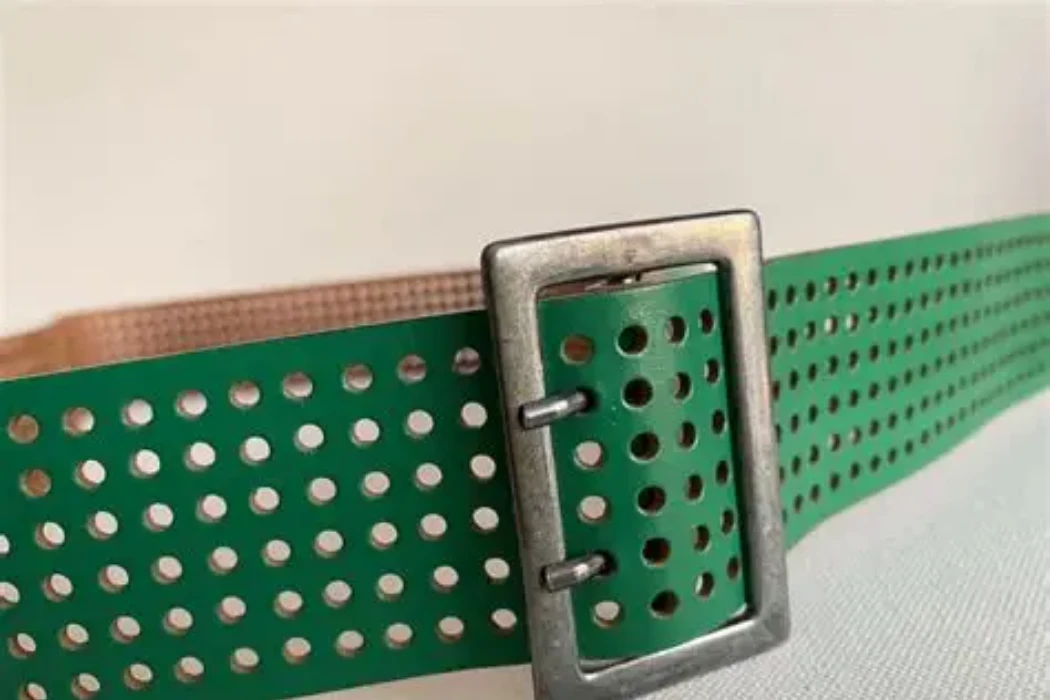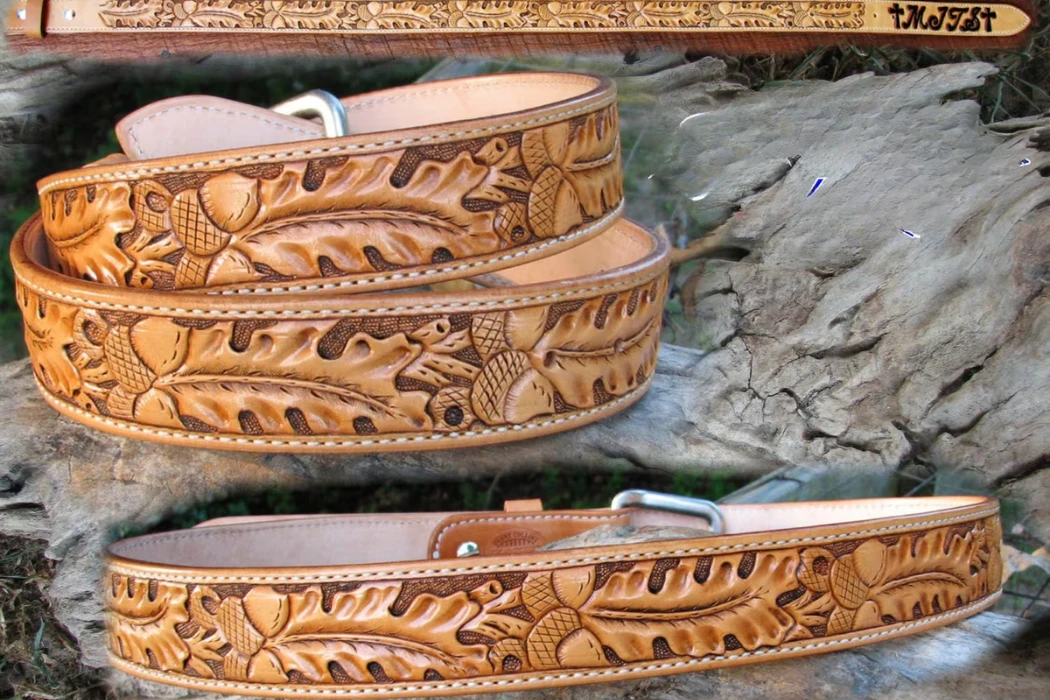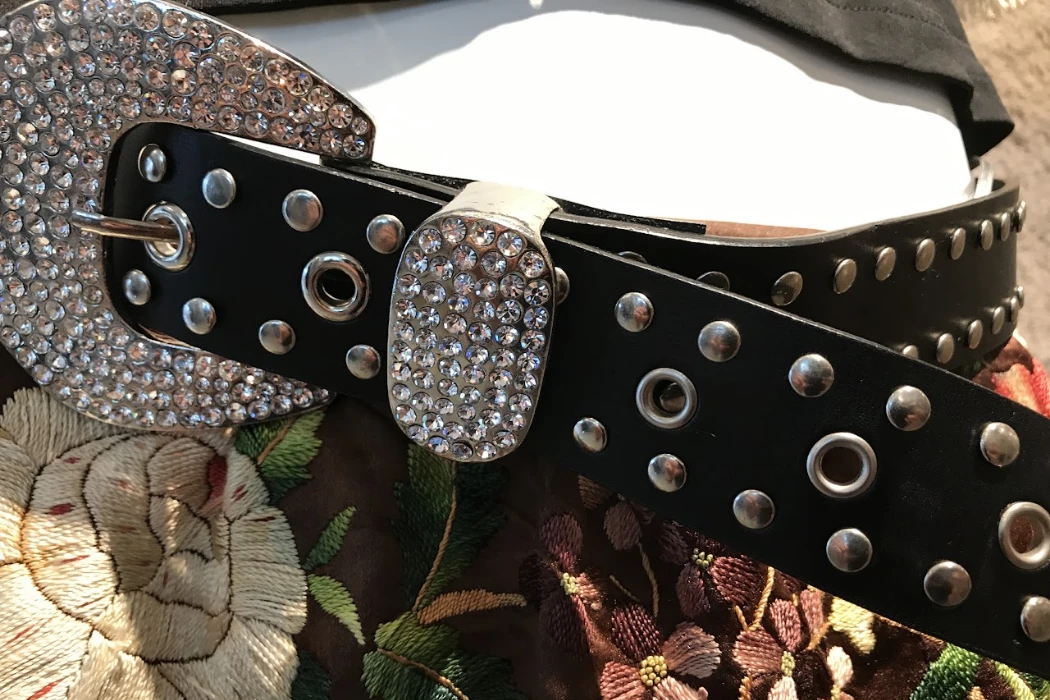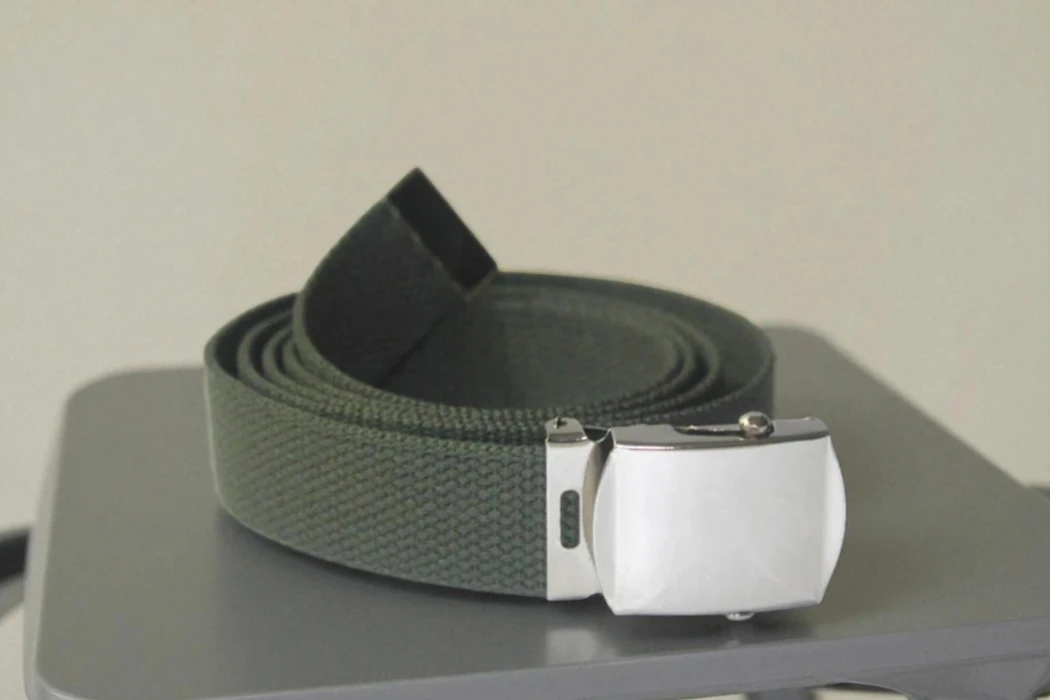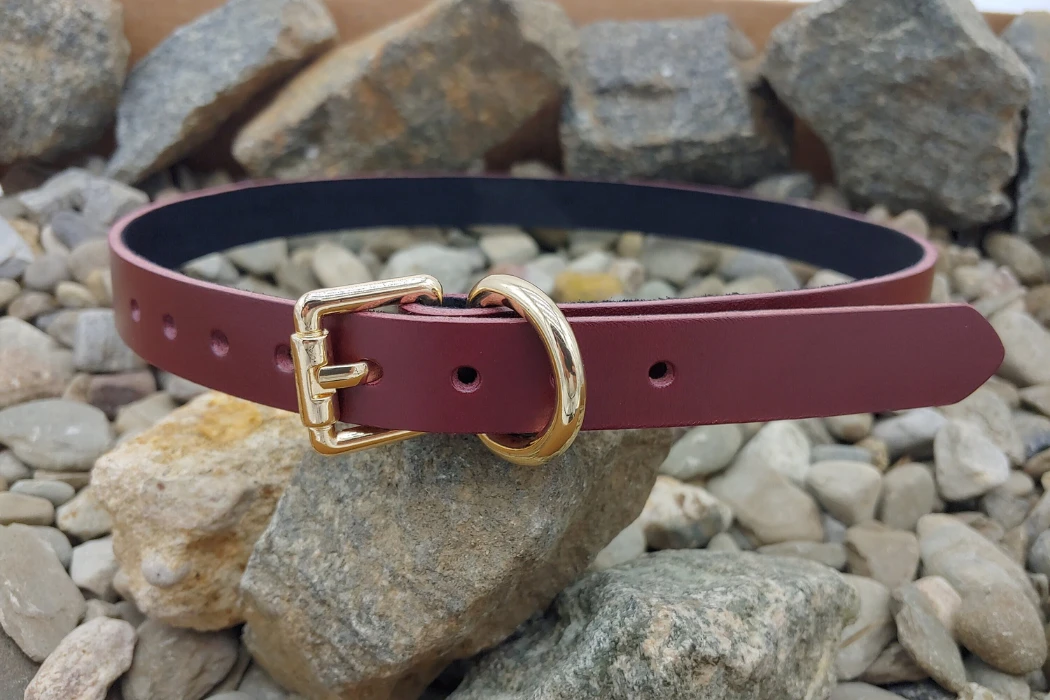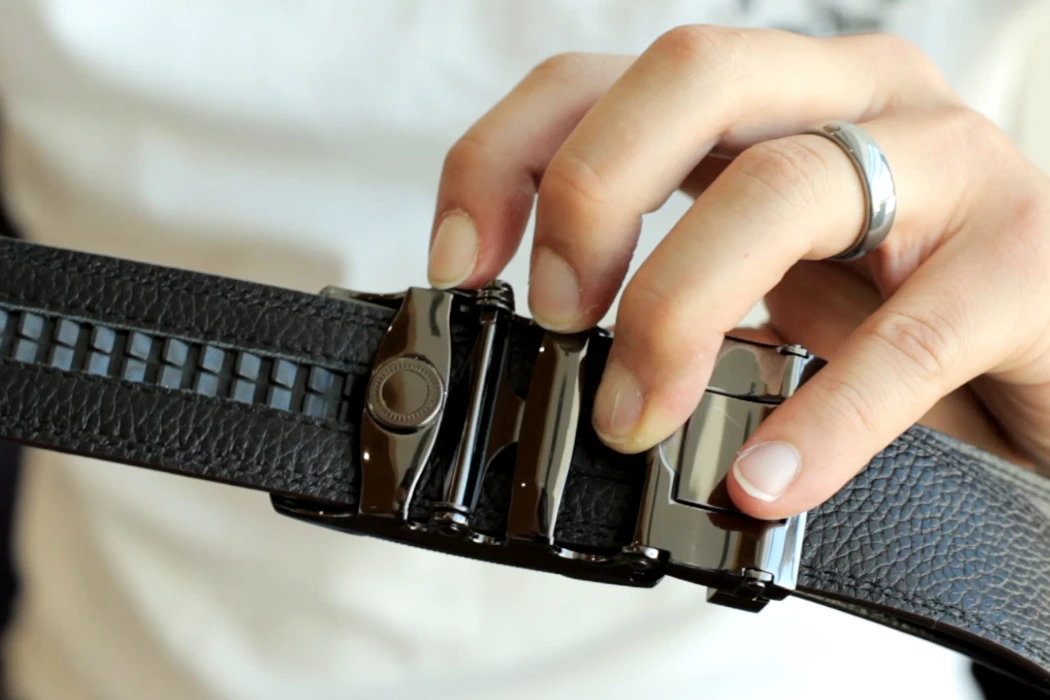
Cowhide is used in many leather goods, but the species name tells a buyer only part of the story. A firm belt strap and a soft handbag panel may both be cowhide while having different thicknesses, tanning, finishes and performance. The useful question is which leather article fits the product you intend to make.
Cowhide leather is leather made from cattle hide. It can be dyed, coated, embossed or finished in many other ways; it does not have to be natural-colored or unbleached. Full-grain, corrected-grain and split describe aspects of its structure or processing, not a complete guarantee of finished-product quality.
This guide explains the raw material, production stages, common descriptions, performance questions and sourcing evidence. Use it to prepare a material specification and assess samples for bags, belts and other leather goods.
Cowhide’s Origins and Role in Leather Making
Cowhide begins as an animal hide and becomes leather through controlled processing. For today’s buyer, distinguishing the raw hide from a tanned and finished article is more useful than using the material’s long history as proof of durability.
From Hide to a Usable Material
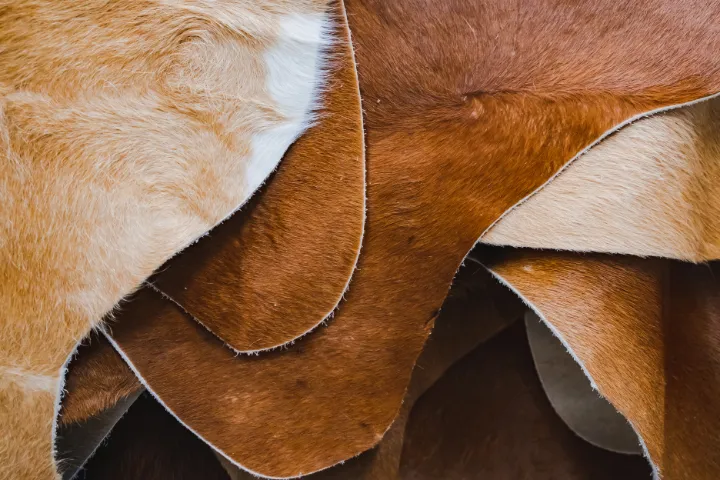
An untreated hide is not ready to be cut into a fashion product. Preservation, preparation, tanning and subsequent operations change its condition and properties. The finished article needs to be identified by its supplier, structure and finish, rather than described simply as raw cowhide.
Cowhide as a Food-Industry Byproduct
Cattle hides used for leather commonly arise from food production. Using a hide can recover value from that material, but a byproduct description does not establish a low environmental footprint, animal-welfare performance or a particular disposal outcome. Those claims need their own evidence.
Tanning Methods and Product Choice
Tanning stabilizes the hide’s fibrous structure. Later processing and finishing help determine the feel, color and suitability of the leather for the intended product.
- Vegetable tanning: Uses plant-derived tannins. The offered article may be firm or adapted for other uses; confirm the actual properties instead of relying on a historical process duration.
- Chrome tanning: Uses chromium(III) tanning agents. It is a different processing route, not a promise of a particular price, softness or water resistance. Compare the complete article and environmental controls for either route.
What is Cowhide Leather?
Cowhide identifies cattle as the source. The term “cowhide leather” should refer to tanned hide material, while rawhide and untreated hide describe different states. Ask for the supplier’s exact material description if a quotation uses these terms loosely.
Raw Cowhide vs. Finished Leather
The term “cowhide” can refer to two different things, which often causes confusion. Here’s a simple breakdown:
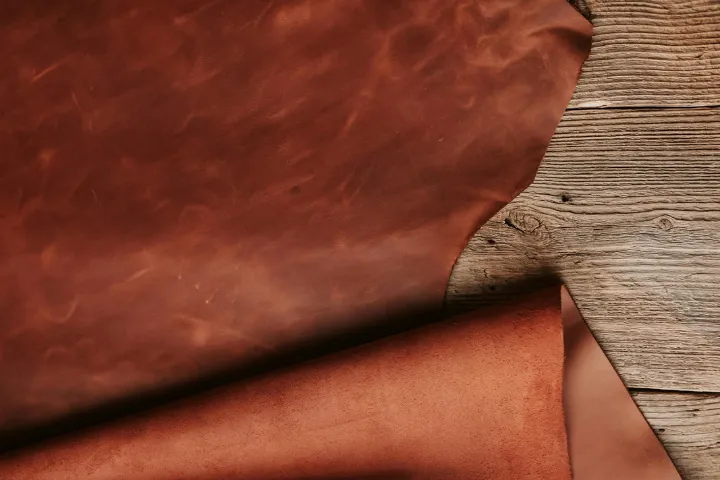
- Raw hide or rawhide: Clarify whether the material is untreated, preserved or dried without tanning. Do not assume a decorative hair-on rug is raw or untanned merely because the hair is present.
- Finished cowhide leather: Tanned material prepared for use with the required final characteristics. Hair may be removed or retained in a hair-on leather article.
Cowhide leather is animal leather, but “cowhide” does not specify the grade, coating or composition of every component in a product. “Genuine leather” means real leather rather than a defined low-quality layer. Request the actual grain, split, finish and construction details.
Cowhide is available in many commercial articles and formats. Availability of the exact thickness, finish, color and selection can still vary. Obtain a current material quotation and continuity plan for the proposed collection.
The Cowhide Leather Production Process
Producing finished cowhide involves preparation, tanning and further operations that develop its final properties. The sequence varies with the article. Confirm which supplier handles each stage and keep the material specification linked to the offered product.
Preparation: From Raw Hide to “Pickled” Pelt
Preparation depends on the raw material and tanning route. For conventional hair-off leather, it commonly includes cleaning, hair removal and treatment of the hide before tanning.
- Soaking and liming: Clean and rehydrate preserved hides and prepare the structure for subsequent operations.
- Unhairing and fleshing: Remove unwanted hair and flesh according to the process; hair-on articles require a different treatment route.
- Deliming and bating: Control the effects of liming and use appropriate treatments to prepare the pelt. Pickling may follow where required by the tanning system.
Tanning Techniques in Depth
Different tanning systems produce leather with different processing requirements. Leather Naturally’s modern leather-making guide provides a fuller process reference. For purchasing, identify the actual route and offered article rather than treating one route as universally superior.
- Chrome tanning: Uses chromium(III) salts. Confirm the named leather article and required chemical testing for the intended market.
- Possible fit: Offered in a wide range of soft or structured articles; assess the specific material for the product.
- Controls to review: Chemical management, wastewater treatment and evidence relevant to the facility and article.
- Vegetable tanning: Uses vegetable tannins. Process time and resulting properties vary with the recipe and required article.
- Possible fit: Often considered when the brief calls for a particular hand feel, tooling response or aging appearance; verify those qualities on samples.
- Controls to review: Color change, moisture response, processing suitability and environmental evidence. Plant-derived tannins do not make the process chemical-free.
Finishing: Creating the Final Look and Feel
Leather passes through further operations such as retanning, coloring, lubrication and drying before final surface finishing. “Crust” is an intermediate leather state, not a name for every hide immediately after initial tanning.
- Thickness adjustment: Splitting and shaving may be used at appropriate stages to obtain the required component thickness.
- Color and feel: Dyeing and other wet operations help develop the specified color and handle.
- Drying and softening: Drying and mechanical operations such as staking or milling are selected for the required leather article; staking is not simply tumbling in sawdust.
- Surface finishing: Coatings, embossing and other treatments may change appearance and surface behavior. State the required finish and assess it separately from the base leather.
Agree material acceptance criteria for thickness, color, usable area and relevant performance. Request evidence for applicable facility and product requirements; a supplier’s reputation alone does not establish that every lot meets them.
Types and Grades of Cowhide Leather
Specify structure and finish separately. The commercial words used in a quotation do not form a universally dependable quality ladder. Ask what has been removed from the grain surface, whether the material is a split, and what coatings or backing are present.
Full-Grain Cowhide Leather
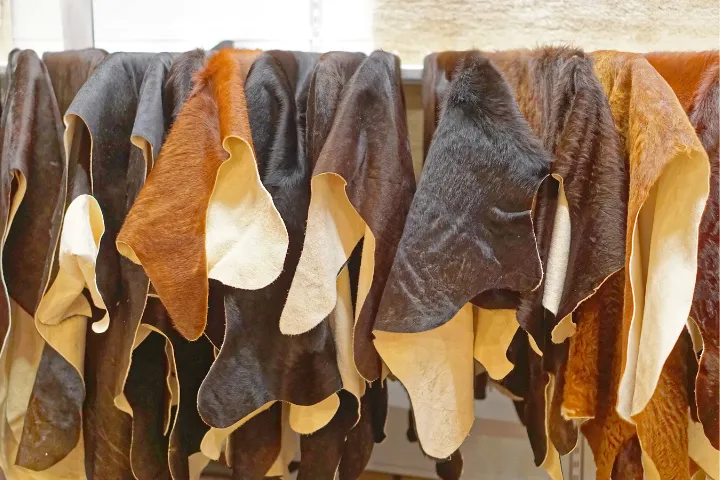
Full-grain leather retains the original grain surface without surface removal by buffing or sanding. This can preserve natural variation, but it does not guarantee a particular lifespan or appearance after use. Evaluate the finish, selection and construction as well.
Top-Grain Cowhide Leather
“Top-grain” is used inconsistently in commerce and should not automatically be read as “sanded, second-best leather.” The Leather Research Laboratory discusses full-grain and top-grain terminology. Require a precise declaration of the grain surface and any correction or coating in your specification.
Split Leather and Suede
Split leather comes from a lower layer after splitting the hide. It can have a suede surface or be coated and embossed. Identify the substrate explicitly when a coating creates a smooth grain-like appearance; assess the offered split for its intended component rather than assuming one universal durability level.
Other Variations: Bonded, Corrected-Grain, and Specialty Finishes
Beyond the main grades, there are other important variations:
- Corrected-grain: The grain surface has been altered to reduce visible defects or change appearance. Ask about the degree of correction, embossing and coating.
- Bonded material: Leather fibers or particles are combined with a binder. This is different from an intact hide layer; obtain the composition and use accurate labeling rather than presenting it as full-grain cowhide.
- Specialty finishes: Aniline, pigmented, nubuck and other descriptions concern the surface or finish. Nubuck is buffed on the grain side. These terms do not establish that one article always outlasts another.
Physical Properties and Characteristics of Cowhide Leather
Cowhide articles differ in strength, flexibility, surface behavior and response to moisture. Assess these properties on representative material and finished-product samples, with requirements appropriate to the application.
Durability and Longevity Factors
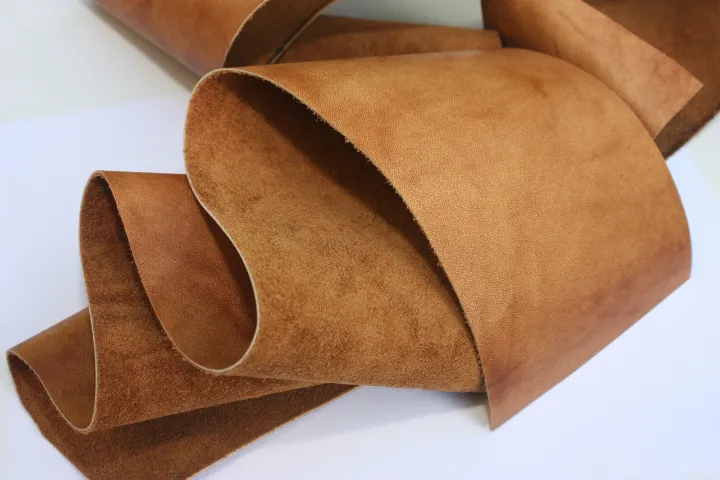
Ask for test results tied to the actual article, sampling direction and test method. Two useful properties to discuss are:
- Tensile behavior: Tensile strength describes stress under the specified test conditions. It is not the same as tear resistance or a guarantee that a completed belt cannot fail.
- Elongation: Extension under a defined load or at break helps describe the sample’s behavior. Do not apply one percentage range to all cowhide articles.
There is no dependable species-wide service-life figure. Construction, coating, use, care and damage all affect how long a cowhide product remains usable. Compare candidate materials under the same requirements instead of promising that animal leather always outlasts every synthetic.
Environmental Resistance
Temperature, moisture and comfort performance depend on the actual leather and finished construction. Breathability can be affected by coatings, backing and lining. Require evidence when these properties form part of a product claim.
Cowhide leather can absorb water or show water marks, depending on its finish. Neither the species name nor the tanning method guarantees that rain will bead off. Use the maker’s care instructions and verify any water-resistance claim on the intended article or complete product.
Advantages and Disadvantages of Cowhide Leather
Like any material, cowhide has a distinct set of pros and cons. Its strengths have made it a timeless staple, but its weaknesses mean it isn’t the right choice for every situation. A balanced view helps you appreciate where cowhide truly shines and where other materials might be a better fit.
Advantages of Cowhide Leather
The practical advantages to evaluate are tied to the offered article:
- Construction options: Suitable leather articles can provide the structure needed for a particular wallet, belt or bag.
- Versatility: Cowhide can be processed into different feels, thicknesses and finishes; compare the proposed article with the design brief.
- Comfort: Evaluate the complete product, including lining and coating, for the intended use.
- Appearance: Natural grain or a chosen finish can support the collection’s visual character. Confirm how the sample changes with handling.
- Repair and care: Consider the finished construction’s maintenance and repair options rather than assuming a resale-value premium.
Disadvantages of Cowhide Leather
Despite its strengths, cowhide also has several notable drawbacks. You should consider these important points before making a purchase.
- Cost: Selection, finish, yield, order quantity and sourcing terms affect price. Compare current quotations.
- Care requirements: Cleaning and conditioning must suit the finish; not every cowhide article needs or tolerates the same treatment.
- Weight: Assess the specified thickness and total construction. The species name alone does not determine finished-product weight.
- Ethical and Environmental Concerns: The production process raises valid concerns about animal welfare and the environmental impact of tanning.
Common Uses and Applications of Cowhide Leather
Cowhide is used across fashion, interiors and other sectors, but a leather approved for one application is not automatically suitable for another. The examples below describe uses, not a statement that Hoplok supplies every category.
Fashion: From Jackets to Footwear
For fashion goods, specify the construction and appearance before selecting the leather article.
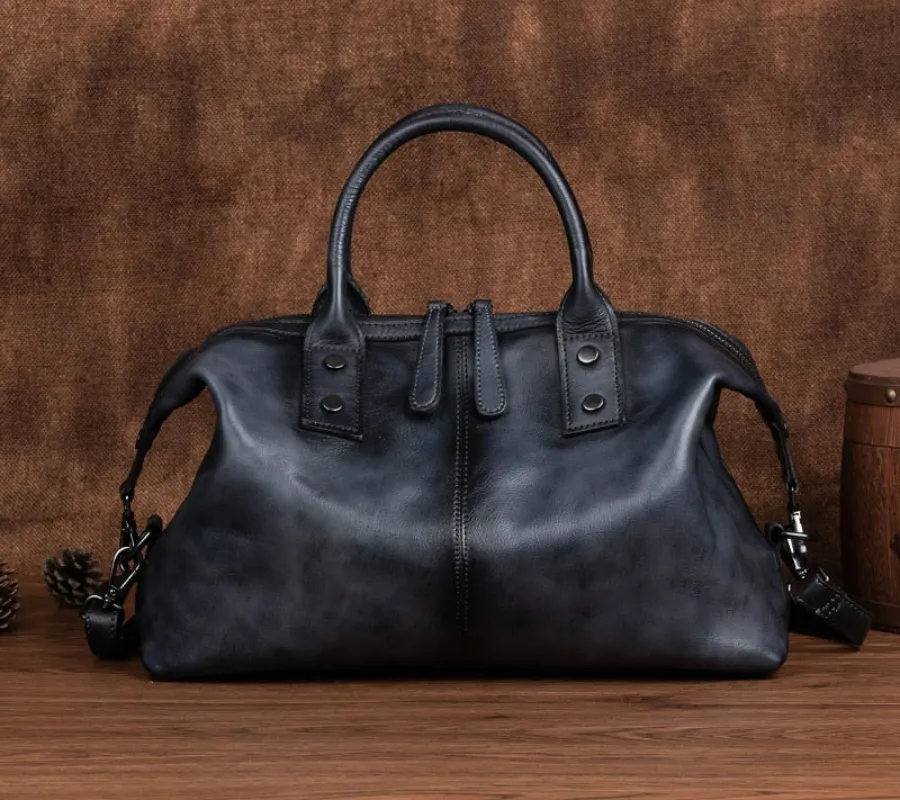
- Jackets, bags and belts: Match thickness, flexibility, finish and strength requirements to the particular design. A jacket panel and a belt strap need not use the same material.
- Wallets and footwear: Review component thickness, folding, surface wear and finish compatibility; a grade label alone cannot select the article.
Furniture, Upholstery, and Automotive
Upholstery, automotive trim and hair-on rugs use application-specific materials and finishing requirements. Confirm the relevant testing and care expectations with the specialist supplier. A large hide or a cowhide label does not establish decades of wear or automotive suitability.
Other Common Uses
Cowhide’s applications don’t stop there. You can find it in a huge range of other products, including:
- Accessories: Such as watch straps and journal covers.
- Sporting Goods: Including baseball gloves and saddles, which require extreme durability.
- Specialist uses: Protective gloves or aprons require their own design and performance assessment. Cowhide alone does not establish a protective rating.
Emerging Trends in Cowhide Usage
If the collection brief calls for visible natural marks, a vegetable-tanned article or traceable sourcing, define that requirement precisely. Review available samples and supporting documents. Do not treat a trend description or “ethically certified” phrase as proof of the material supplied.
How Cowhide Leather Compares to Other Types of Leather
Compare actual leather articles on the same thickness, finish, construction and intended-use basis. Species names help identify material origin but are not complete performance rankings.
Cowhide vs. Sheepskin/Lambskin
Softness and weight depend on processing as well as species.
- Cowhide: Available in many thicknesses and feels. Assess the selected article’s structure and performance.
- Sheep or lamb leather: Often selected for a soft feel, but verify the thickness, stretch and durability of the actual offer.
Cowhide vs. Goatskin
Goat leather can offer a distinctive grain and a useful balance of feel and strength for some products. Compare samples and relevant tests. A pebbled texture does not prove water resistance, and cowhide is not automatically thicker or better insulated.
Cowhide vs. Pigskin
Pig leather has a characteristic follicle pattern and is used in various goods and components. Confirm the thickness, finish and performance of the offered article rather than assuming it is always a thinner or rougher lining material.
Cowhide vs. Synthetic or Faux Leather
Faux materials include many coated and composite constructions. Compare composition, surface wear, flexing, moisture behavior, cost and care against the proposed cowhide. Neither category automatically guarantees longer life, breathability, animal-free composition of the whole product or better value.
Sustainability, Ethics, and Sourcing of Cowhide Leather
Sourcing claims should be specific enough to verify. Separate animal origin, facility practices, chemical requirements and product-level environmental statements rather than combining them into a general “sustainable cowhide” promise.
Byproduct Origin and Traceability
A food-industry byproduct description explains a common source of hides, but it does not establish animal welfare or a lower total footprint. Request traceability information for the actual supply chain and evidence for any environmental comparison.
Environmental Impact and Modern Solutions
Review the operations that matter to the supply chain, including chemical handling, water, energy, emissions and waste. Evidence should identify the facility, assessment period and scope.
- Tanning route: Vegetable tanning uses plant tannins but still involves chemicals and process controls. Assess the actual operation rather than treating it as automatically eco-friendly.
- LWG evidence: LWG explains that certification applies to facilities, not individual products. Verify the named facility and current certificate, and use claims within the permitted scope.
Neither a vegetable-tanned label nor a facility certificate guarantees finished-product quality or the lowest environmental footprint. Link each proposed claim to appropriate evidence and keep product performance checks separate.
How to Identify Genuine Cowhide Leather
Inspection can reveal clues, but appearance and feel alone cannot reliably establish cattle species or material construction. For commercial purchasing, combine the specification, supplier records and appropriate laboratory identification when needed.
Visual and Tactile Inspection
Use visual inspection to compare the sample with its declared structure and finish.
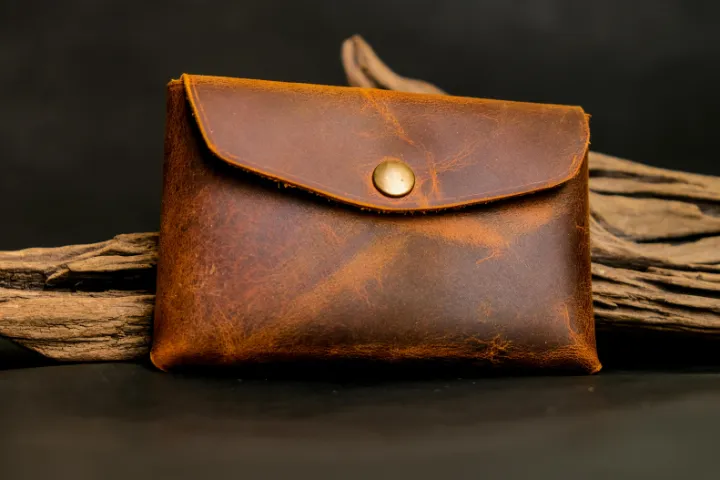
- Surface pattern: Natural variation may be visible, but real leather can also be embossed or heavily coated. A repeating pattern does not prove that the substrate is synthetic.
- Flexing and feel: Handle the sample to assess suitability and visible defects. Softness or wrinkling alone is not a reliable animal-species or authenticity test.
Documentation and Laboratory Identification
Do not use smell or a burn test as proof of cowhide authenticity. Finishes and blends complicate those observations, and burning damages the sample. Ask a qualified laboratory which examination is suitable for confirming leather structure or animal species; the Leather Research Laboratory lists identification and microscopy services.
Label Reading and Avoiding Fakes
Read the full composition and component description. Ask for species, grain or split structure, finish, coating and backing where relevant. “Man-made” can be an accurate disclosure, while “genuine leather” alone leaves many specification questions unanswered.
Care, Maintenance, and Cleaning of Cowhide Leather
Care must suit the exact leather finish and product construction. Obtain the supplier’s approved instructions before writing a care label or recommending a treatment to customers; no routine can guarantee a lifetime of use.
Daily Care and Conditioning
Start with the maker’s instructions and avoid treating every cowhide article as uncoated leather.
- Routine cleaning: Use the recommended soft cloth or brush for the finish. Napped surfaces may require different care from smooth coated leather.
- Conditioning: Apply a conditioner only when appropriate for that article. Oils and conditioners can darken or alter some finishes; test an approved treatment in an inconspicuous area and avoid a universal calendar schedule.
Cleaning Stains and Water Exposure
Blot spills gently with a clean cloth and follow the maker’s instructions. Use only a compatible cleaner. Allow wet leather to dry away from direct heat; seek specialist advice for a persistent stain rather than escalating to solvents or vigorous rubbing.
Proper Storage Tips
Store according to the product’s instructions, with protection from prolonged dampness, direct heat and sunlight. Support the product’s shape without overstretching it, and use suitable protective storage materials. Avoid trapping moisture in a stored bag or belt.
Buying Guide: Choosing the Best Cowhide Leather Products
For a commercial order, select a leather article against the design, performance requirements and target cost. Keep a signed-off material sample with the written specification so the bulk supply can be compared with what was approved.
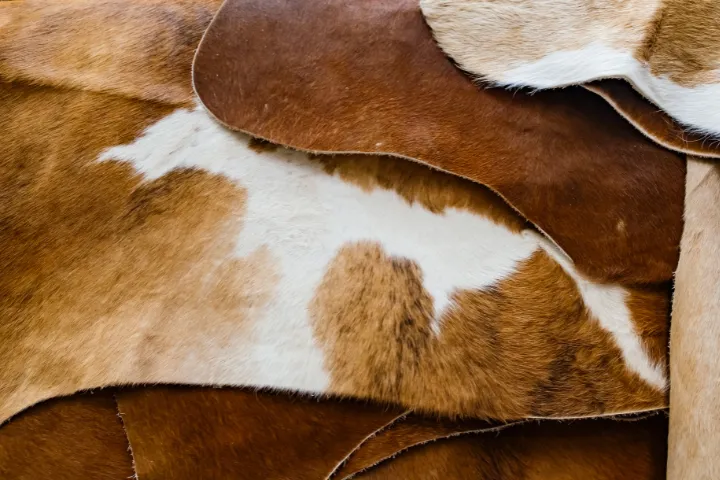
Factors to Consider
Before you buy, evaluate these four key elements to ensure you are getting a quality product:
- Structure: Identify grain, corrected-grain, split or bonded construction accurately; choose it for the component rather than by an assumed quality ladder.
- Thickness: Specify the required range and measurement method, usually in millimeters for a technical specification. An ounce weight description is used in some leather trades; thickness alone does not establish durability.
- Finish: Approve the actual appearance and surface behavior, including relevant rubbing, flexing or staining requirements.
- Traceability: Identify the supplier and material article and verify any origin claim. Country of origin alone does not prove quality.
Price Ranges and Value
Compare prices on the same selection, thickness, finish, quantity and delivery basis. Include cutting yield, inspection and assembly costs. A higher price or full-grain label does not guarantee lower cost per wear, and “genuine leather” is not a defined cheap grade.
Frequently Asked Questions (FAQs)
Is cowhide leather good quality?
It can be suitable for high-quality products, but the species name alone is not enough. Assess the structure, finish, material condition and complete construction against the intended use.
What is the difference between cowhide and genuine leather?
Cowhide identifies cattle as the source. Genuine leather indicates real leather rather than a synthetic imitation; it is not a defined low-grade inner layer. Request the specific structure and finish in either case.
How long does cowhide leather last?
There is no reliable fixed lifespan for all cowhide products. Use, care, coating, construction and damage matter. Evaluate relevant sample and test evidence without translating it into an unsupported decades-long promise.
Can cowhide leather get wet?
Yes. Its response depends on the finish and construction, and some articles mark or absorb water readily. Follow the maker’s care instructions and verify any water-resistance claim for the actual product.
Is cowhide leather expensive?
Prices vary with selection, processing, thickness, finish, quantity and terms. Compare specification-matched quotations rather than assuming one grade always has a fixed price advantage.
How to spot fake cowhide leather?
Check the declared composition and supplier records, and use appropriate laboratory identification if the claim is important. Smell, wrinkles and grain regularity are clues at most, not reliable proof of cattle species or authenticity.
Which is better: Cowhide or other leathers?
The best choice depends on the design and the actual articles being compared. Evaluate thickness, feel, finish, performance, cost and sourcing evidence on the same basis.
Conclusion
Cowhide is a material source with many possible constructions and finishes. A sound buying decision identifies the offered article, checks its suitability in the complete product and separates verified properties from broad grade or sustainability claims.
Keep the material specification, approved sample, relevant reports and care instructions together. They provide a practical reference for quotation, bulk inspection and accurate customer-facing descriptions.
For a custom cowhide fashion-belt project, share the proposed leather article, design, quantity and delivery market with Hoplok. Contact the team to confirm available materials, sampling and production terms.