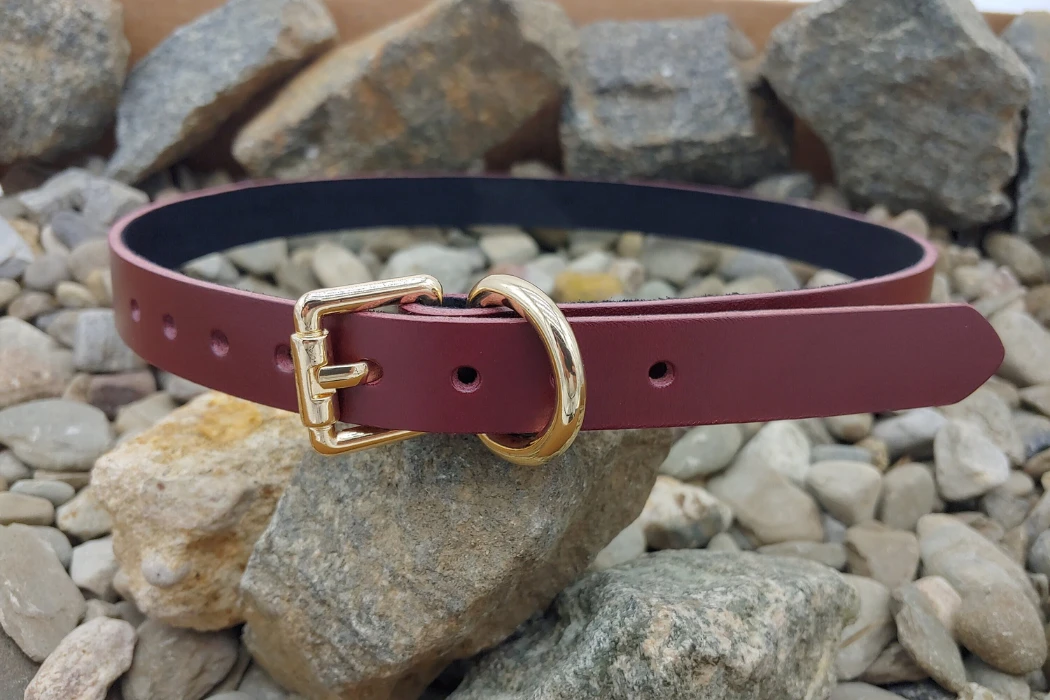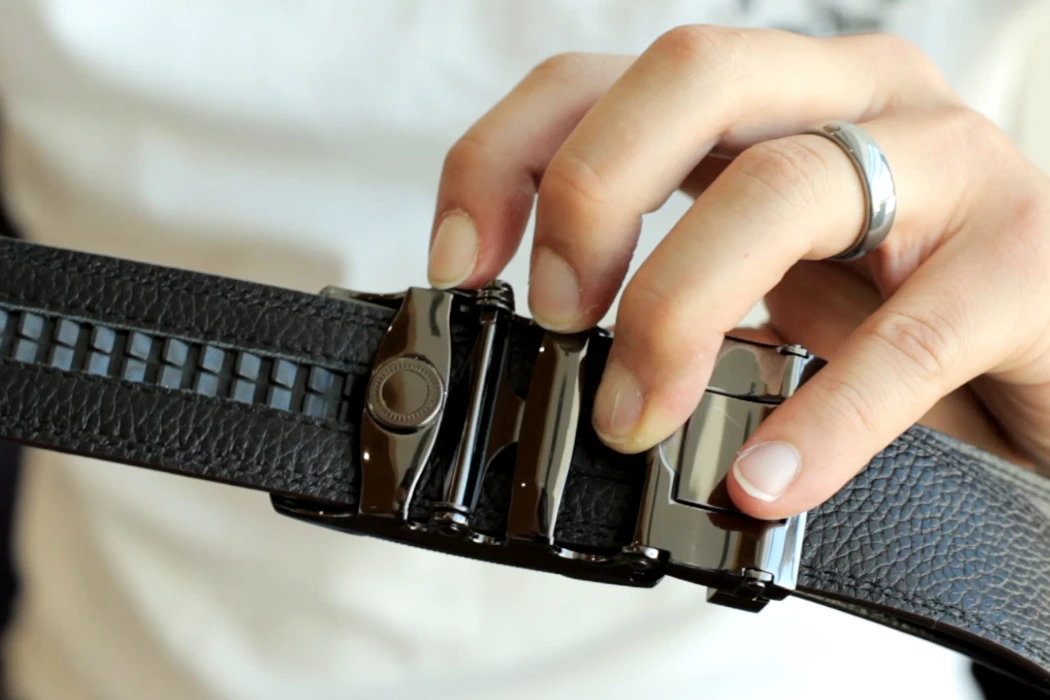
Nubuck is animal leather whose grain surface has been buffed to create a fine, velvety nap. A synthetic material can imitate that appearance, so “nubuck look” is not enough to establish composition. For a bag, belt or wallet programme, approve the material identity, surface variation and care requirements together.
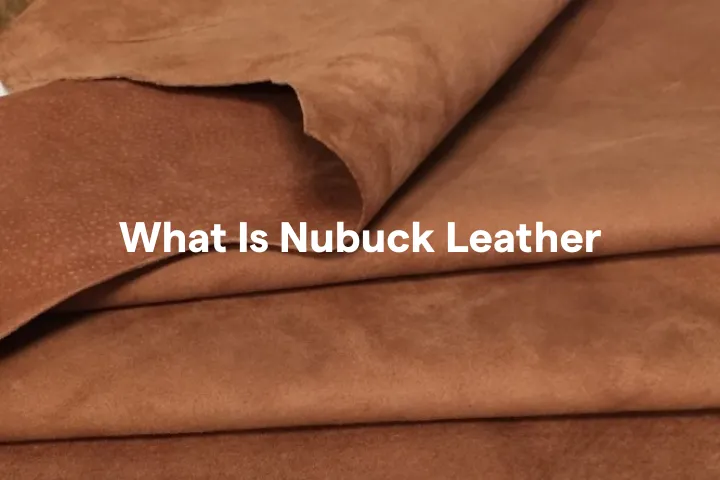
Is nubuck real leather?
Yes, nubuck in leather terminology is real leather. It is distinguished by treatment of the grain surface. Suede is a related napped leather category, commonly made from a split, but the two names should not be used interchangeably. The Leather Research Laboratory explanation describes that distinction.
Ask the supplier for the species, article code, leather construction and finish. “Italian nubuck,” “premium nubuck” or “nubuck effect” adds too little detail to approve a material. A synthetic alternative should be identified by its actual composition and backing.
How nubuck differs from smooth leather and suede
| Material | Surface distinction | Buyer’s sampling focus |
|---|---|---|
| Nubuck | A fine nap created on the grain surface | Nap direction, shade matching, marking and care |
| Suede | A suede surface, commonly associated with split leather | Nap, handle, construction and stretch in the intended pattern |
| Smooth leather | A surface without the same raised nap | Finish coverage, gloss, creasing and surface contact |
| Nubuck-look alternative | A similar appearance in another material | Composition, coating or fibre construction, backing and ageing |
The choice should follow the product brief, not a universal strength or price ranking. Two materials of different thickness, tannage and construction cannot be fairly compared from their category names alone. See the nubuck versus suede guide when deciding between the two napped finishes.
What makes nubuck attractive, and where are the trade-offs?
The nap gives a soft visual effect and changes appearance as it is brushed or handled. That movement can be part of the intended design, but it can also look like shade variation to a customer expecting a completely uniform surface. Show the appearance in more than one nap direction during approval.
Review sensitivity to oils, dirt and contact marks for the selected article. A napped surface may need a care method different from a pigmented smooth leather. Do not promise that nubuck is stain-proof, waterproof or suitable for every use without supporting product evidence.
Surface marking and structural performance are separate questions. A bag can remain intact while its face no longer meets a customer’s appearance expectations. Define both functional and visual acceptance criteria.

Cutting and construction for bags, belts and wallets
For a bag, agree nap direction across the main panels and inspect matching at seams. Review the effect of reinforcement on drape rather than choosing the material from a loose swatch alone. Handles and areas held frequently should receive attention during the appearance trial.
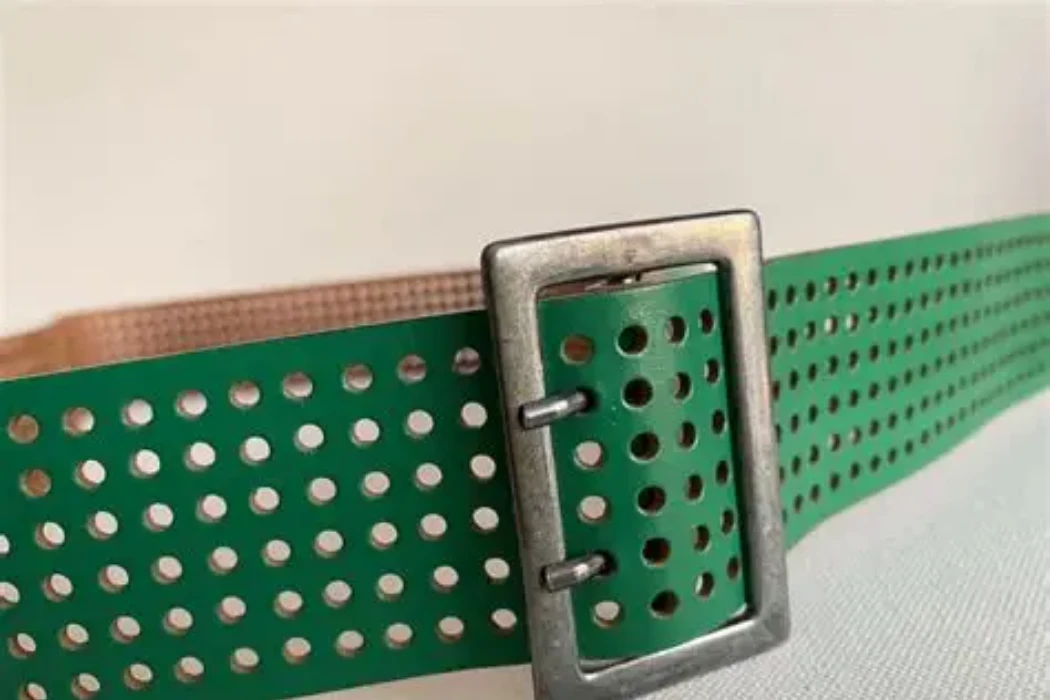
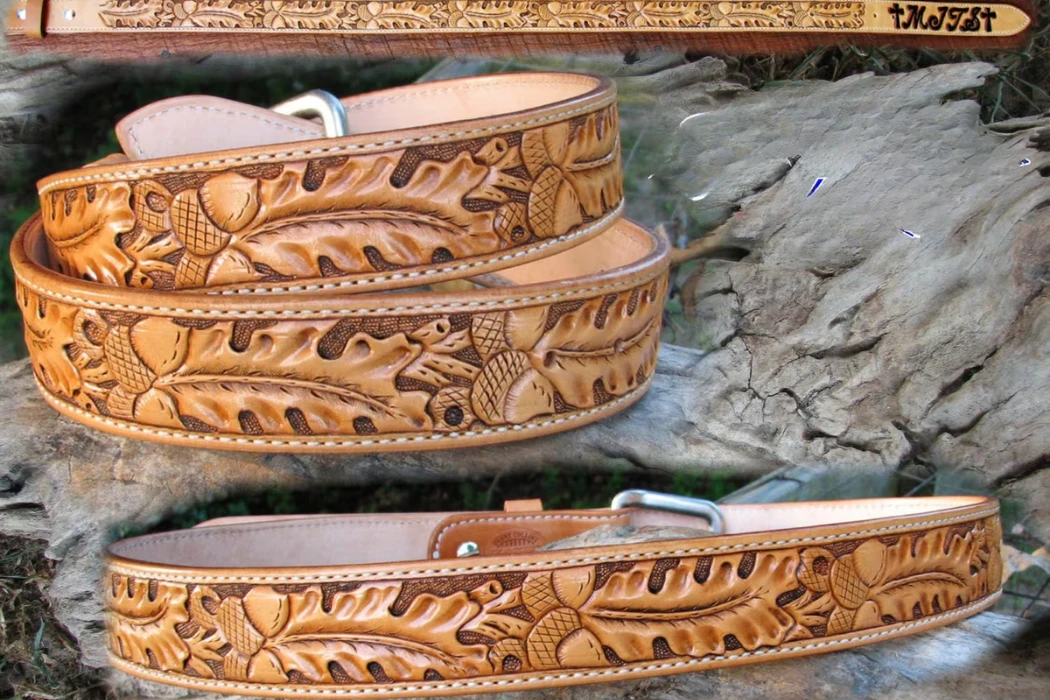
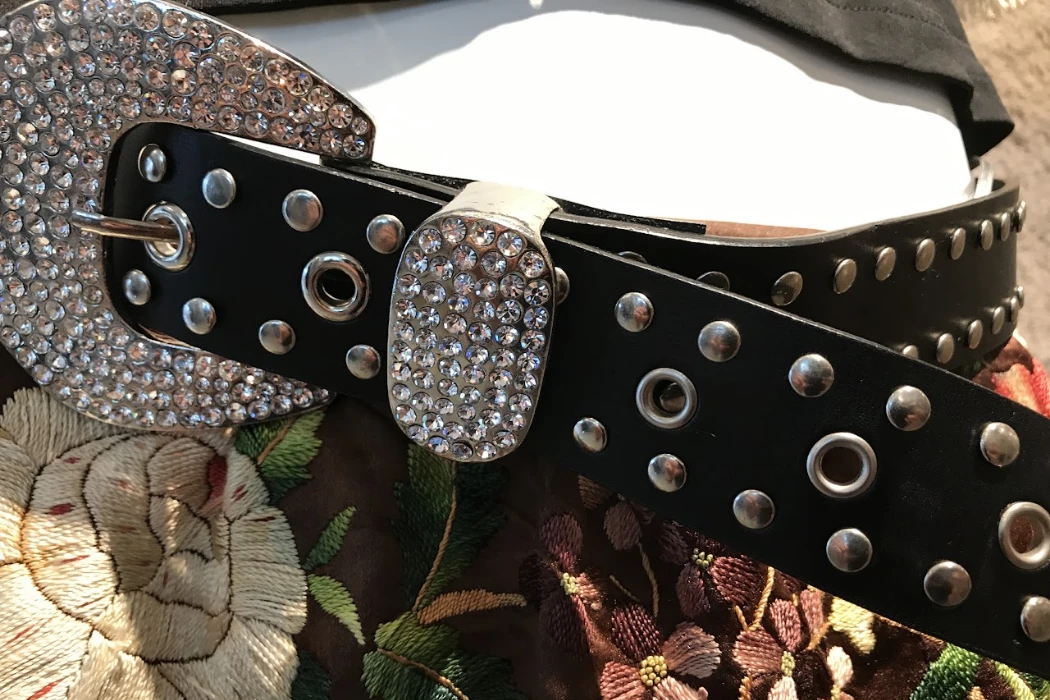
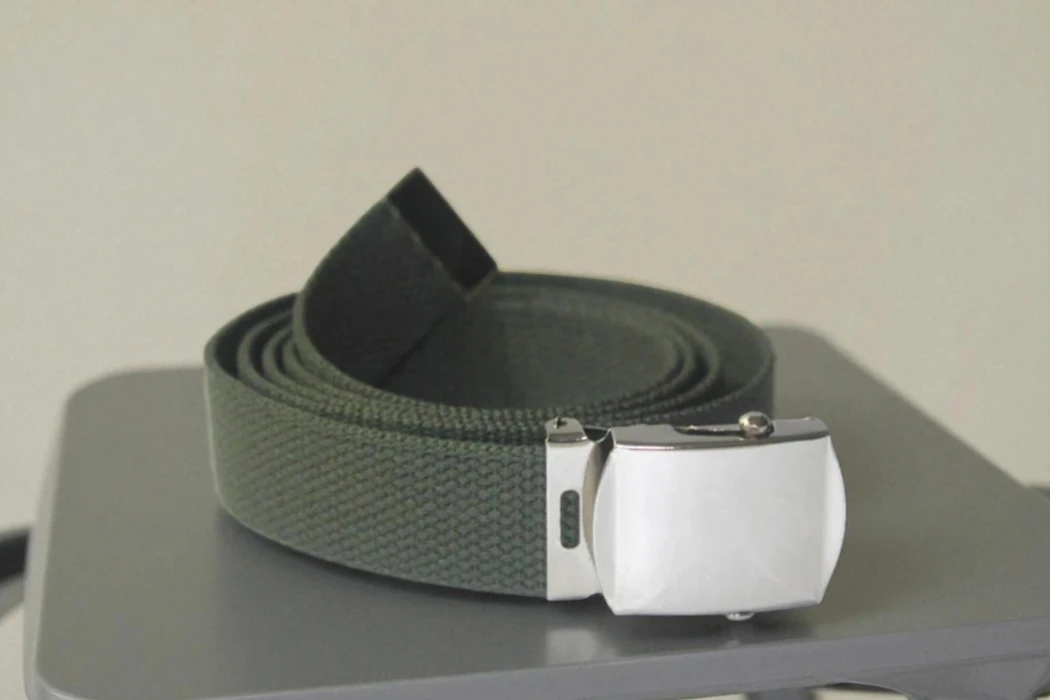
For a belt, inspect the buckle fold, holes, keeper contact and edge treatment. For a wallet, review pocket openings, repeated folding and contact with a lining or garment. Approve the result on a finished sample made from the intended material lot or an agreed representative article.
Branding also needs a trial. A napped surface may respond differently to a debossed logo, foil or printing. Ask for the actual artwork in its final size, inspect legibility and agree a suitable durability check.
How to distinguish nubuck from an imitation
A finger trace or “writing effect” shows that a surface has a movable nap; it does not independently establish animal origin. Softness, odour and water behaviour are also insufficient. Ask for a material declaration and inspect an authorised cross-section if necessary.
Where identification remains uncertain, use a competent laboratory. Keep the report connected to the supplier’s article and lot. The leather identification guide explains why construction records are more useful than a destructive home test.
Performance and care questions before bulk production
Agree checks for colour transfer and surface appearance under the contact conditions the product will encounter. Review relevant tear, flex and other requirements for the construction. Do not adopt unsupported numerical targets simply because another nubuck article uses them.
Ask the supplier to approve brushing, stain treatment and any protective product for the specific finish. Try the method on a spare specimen and compare the colour and nap afterwards. Smooth-leather polish, oil or a generic conditioner can alter the look and should not be assumed suitable.
Provide care instructions that the customer can realistically follow. If the intended users require easy wipe-clean care, compare another finish before approving nubuck solely for its initial feel.
What to include in a nubuck sourcing brief
State the product, material identity, thickness, colour and nap reference, acceptable variation, logo method, construction and intended use. Ask for representative samples and a quotation that reflects the selected appearance standard and cutting requirements. Keep records of approved substitutions and material changes.
Hoplok can discuss the material brief through its project enquiry process. ProPelli receives crust from partner tanneries and performs leather finishing, with a current LWG Gold rating. The suitability and availability of a particular nubuck article still need to be confirmed for the proposed product; the facility rating is not a waterproofing or service-life guarantee.