A new belt label needs a first assortment that it can explain, sample and reorder. Ten unrelated styles can consume the same development budget as a focused collection while leaving too little stock in each size. Choose a customer and selling occasion first, then select the construction that supports them.
The ten niches below concern fashion belts for apparel brands, wholesalers and private-label retailers. Each presents a different buying decision: fit, finish, mechanism, decoration or packaging. Hoplok does not offer tactical duty belts, tool-carrying belts, powerlifting belts or industrial safety belts.
Compare niches by the work needed to launch them
A simple-looking belt may still require custom leather, a new buckle or unfamiliar packaging. For a first order, prioritize a style whose materials and components can be sampled together. Keep decorative options limited until the base construction is approved.
| Starting point | Development question | Potential complication |
|---|---|---|
| Classic dress belt | Does the profile suit the intended trousers? | Matching edge color, lining and buckle finish |
| Casual leather belt | How much natural variation will the brand accept? | Different appearance across hides and replenishment lots |
| Reversible belt | Do both faces work with the same mechanism? | Rotation, clearance and edge wear |
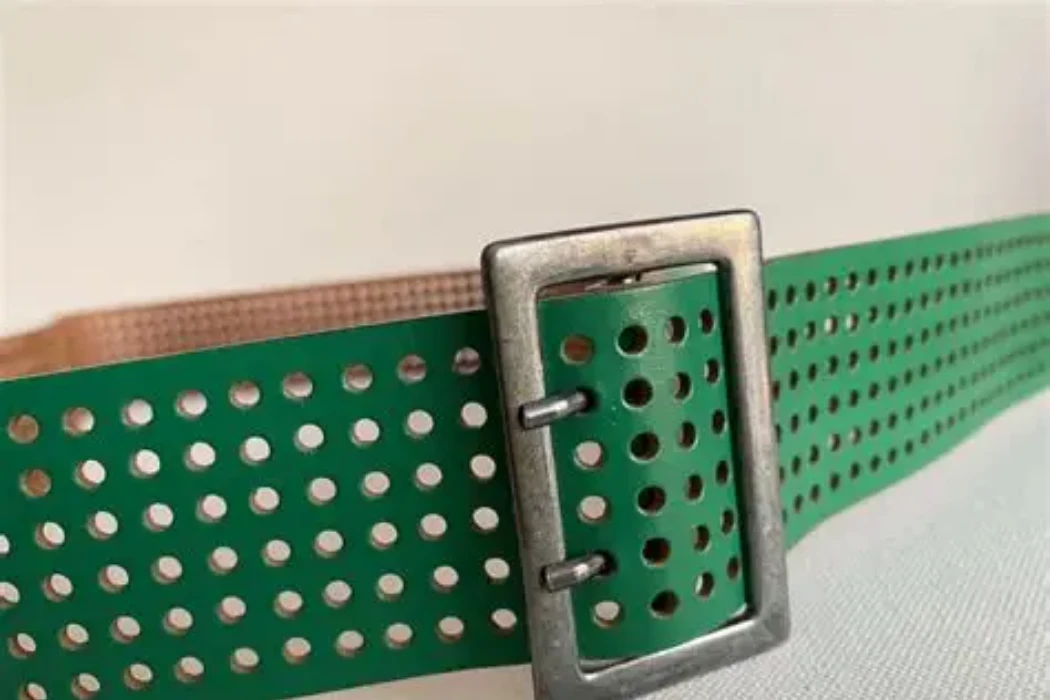
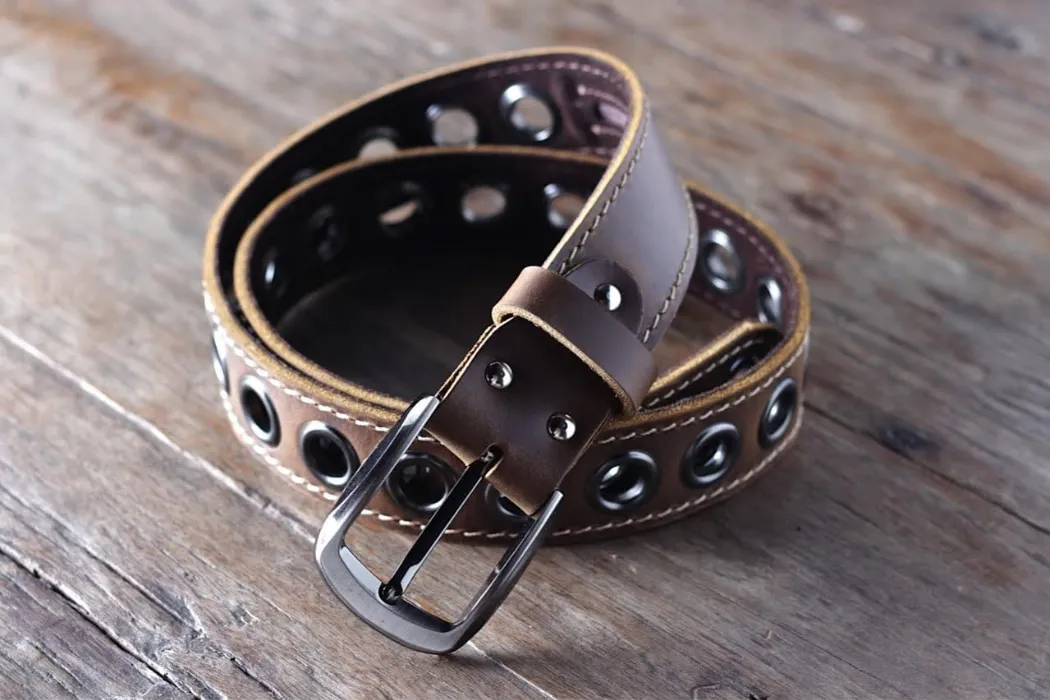
| Decorative statement belt | Can the detail be repeated consistently? | Extra components, tooling and attachment work |
| Gift program | Does the packed set arrive ready for sale? | Size assortment, labels and package assembly |
Ten fashion belt niches and what to approve
1. Classic dress belts
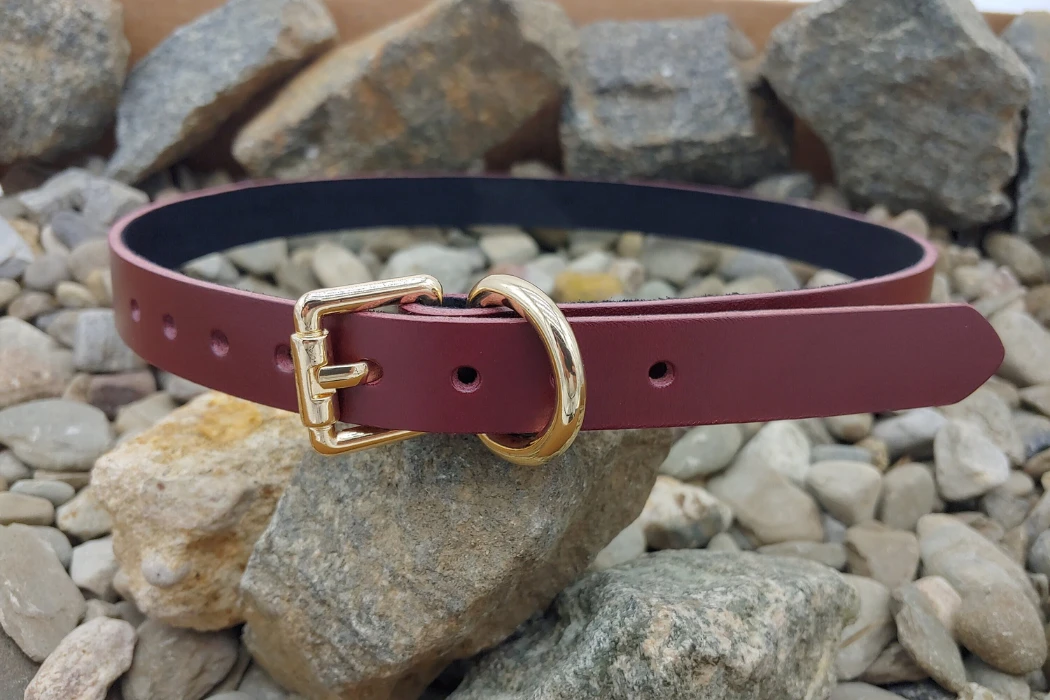
Choose this niche when your customer needs a restrained accessory for tailoring or business clothing. Approve the finished strap width against the intended trouser loops and buckle opening. Check the profile from the side: padding, folded edges and stitching each change the appearance.
For the first assortment, a small set of coordinated leather and hardware colors makes replenishment easier to manage. The lining and edge finish deserve the same attention as the visible face, especially where the strap bends through the buckle.
2. Reversible dress belts
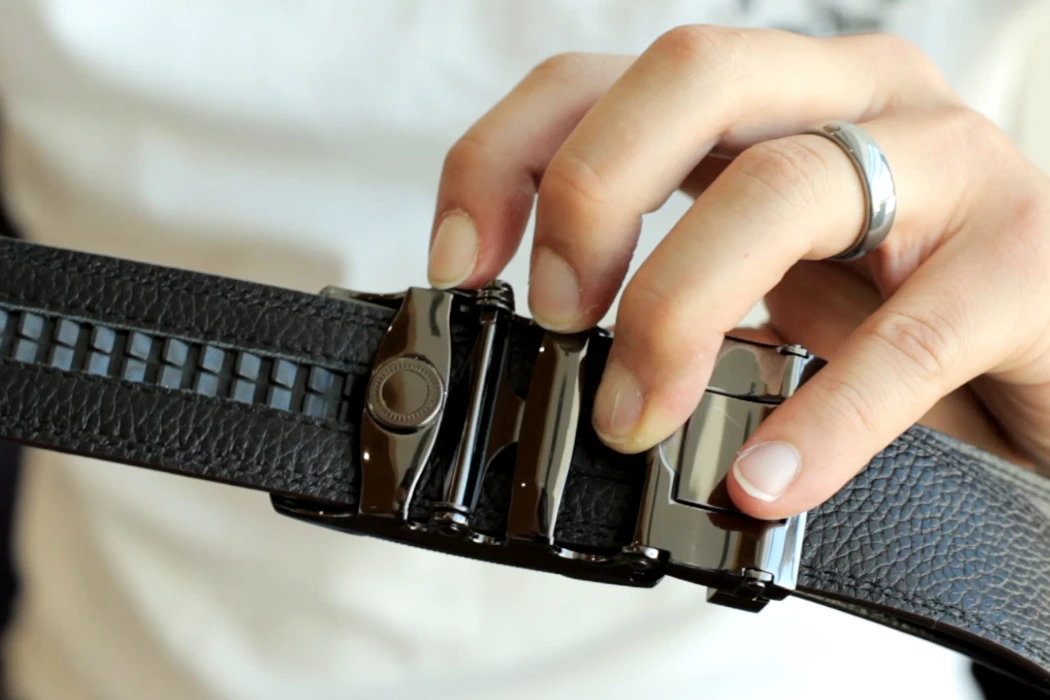
A reversible belt offers two visible color options in one product. Its value depends on the mechanism working comfortably on both faces. Sample the complete belt, including the rotating or removable buckle, rather than approving the strap and buckle separately.
Check clearance, accidental rotation, surface marking and how the free end sits in the keeper. Agree a repeated-operation assessment for the chosen assembly; a generic cycle count does not prove every reversible design will perform alike.
3. Casual denim belts
For a denim collection, start with fit and hand feel. A firm strap, pronounced grain and visible stitching can each support the design, but none is mandatory. Trial the belt with the garments it is meant to accompany.
Record the acceptable natural marks and shade range. A buyer who expects identical smooth surfaces needs a different material specification from one who wants visible hide character. Show the sales team the approved variation before launch.
4. Heritage and pull-up finishes
This niche centers on a surface that changes appearance with handling. Approve the color before and after bending, the acceptable marking and the touch of the finished strap. Ask whether the effect comes from the finish rather than treating “oil-tanned” as a complete tanning specification.
Include color-transfer assessment where the belt contacts light clothing. Care instructions should reflect the selected finish; promise a patina only when the approved material supports that claim.
5. Western-inspired fashion belts
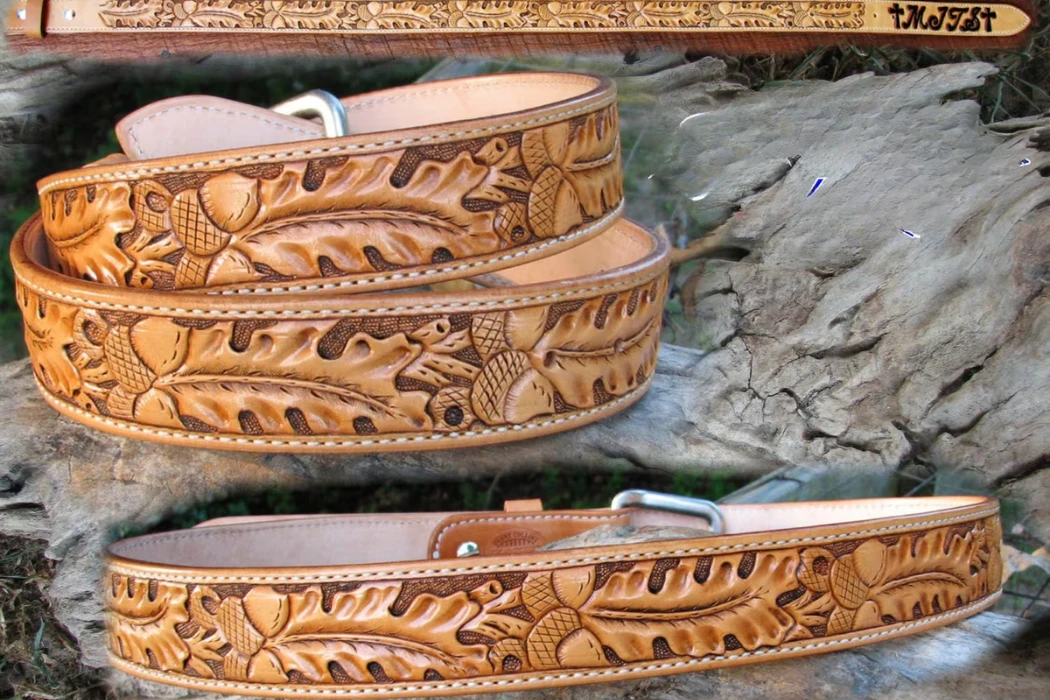
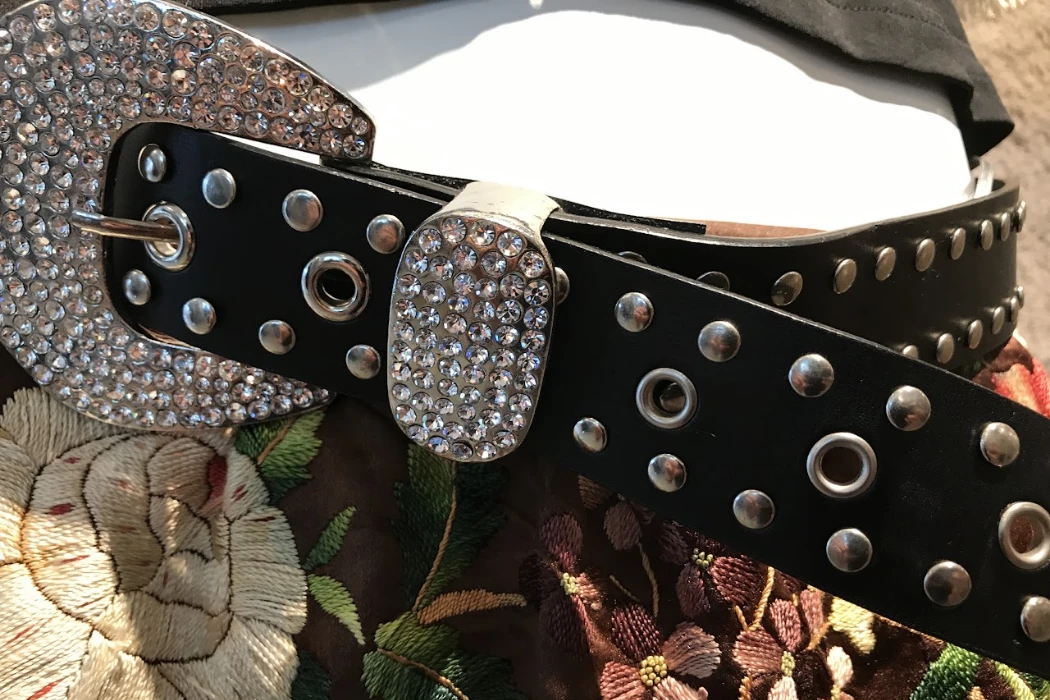
Decorative buckles, embossed motifs and shaped tips can give a collection a recognizable Western appearance. Match the buckle dimensions to the strap and test the assembled fit. A large face plate can affect comfort even when the strap width is correct.
Confirm artwork ownership, tooling charges and repeat availability before selecting a motif. This is a fashion niche: a rugged appearance does not establish suitability for carrying tools or equipment.
6. Braided leather belts
Braiding adds texture and can change how a belt adjusts. The buying specification must identify the strand construction, finished width, end attachments and sizing method. Compare the belt laid flat and while fastened; the weave may change shape under tension.
Approve strand edges and the transition into the buckle tab. Dense and open weaves produce different surfaces, so use a physical reference rather than a general “premium braid” description.
7. Embossed cow-leather belts
Embossing gives a conventional leather strap a patterned surface. For crocodile-inspired or other scale patterns, state the actual base material clearly. Hoplok does not offer real crocodile, python or other exotic-skin products.
Review pattern placement on the full strap, including where repeats meet. The tip, holes and keeper can interrupt a large motif. Assess the finish after flexing using agreed conditions, because a good flat swatch is only the first approval.
8. Slim and waist-accent belts
A slim belt may be designed for trouser loops, a dress or placement over knitwear. Establish the wearing position before writing the size chart. A high-waist styling image cannot substitute for a defined measurement method.
Check how the free end is retained and whether the buckle creates a pressure point. For a new shape, test fit on the intended garment before expanding the color range.
9. Personalized private-label belts
A logo or monogram can differentiate an otherwise simple product. Agree the artwork dimensions, placement and marking method on the actual leather or PU. A mark that is clear on one finish may lose definition on another.
Separate fixed brand artwork from variable personalization. Individual names or initials change order handling and error checking; confirm that workflow before selling it. The quotation should identify any tooling and setup charges.
10. Belt-and-wallet gift sets
A coordinated set adds packaging and assortment decisions to the product brief. Match the approved color and finish across both items, while allowing each construction to use appropriate thickness and lining. A visual match does not require identical material in every layer.
Specify the belt sizes, wallet design, box insert and barcode allocation. Approve a complete packed set and confirm component minimums separately. Unsold size combinations can tie up stock even when the total set quantity looks manageable.
Budget the first order without inventing a profit forecast
Ask for a quotation that separates the finished product, development, tooling and packaging. Add freight, inspection and verified import costs to build a landed unit cost. Compare that amount with expected net selling revenue after channel fees, discounts and returns.
The most useful cost comparison changes one specification at a time. Price an existing buckle against a custom shape, or a plain strap against an embossed version. Keep the order quantity and delivery term constant so the difference can be traced.
| Decision | Record before ordering |
|---|---|
| Material | Base material, finish, thickness and approved variation |
| Hardware | Reference, dimensions, color, function and tooling ownership |
| Assortment | Quantities by size, style and color |
| Testing | Method, sample, conditions and acceptance criteria |
| Delivery | Approval milestones, production period and separate transit allowance |
Turn the chosen niche into a sample brief
Hoplok’s minimum order is 300 leather belts or 1,000 PU belts. Belt sampling takes 2–3 weeks, and bulk production takes 60–90 days. Confirm material readiness, revisions, assortment and transport separately; these figures do not establish a per-color minimum.
For a gift set, the wallet minimum is 300 leather wallets or 1,000 PU wallets. Wallet sampling time must be confirmed for the project. Send the proposed products and quantities together so the team can assess the complete program.
Choose one lead product, define the acceptance sample and approve the first size range before extending the collection. Bring that brief to Hoplok’s team for a product and quotation discussion.