Choosing a leather bag manufacturer starts with the buying model: developing a collection under your own label, customizing an existing design, or buying a brand wholesale. A well-known bag brand may make excellent products without offering third-party manufacturing. Establish the commercial route before comparing samples and prices.
Evaluate materials, production controls and the evidence behind labor and environmental claims together. An attractive sample is only one part of the decision; the order also needs an approved specification, an achievable schedule and written acceptance criteria.
This guide compares five identifiable makers and suppliers, explains the purchasing routes their public information supports, and sets out questions for qualifying a leather bag factory. The shortlist is a starting point for enquiries, not a ranking of factory quality or a guarantee of availability.
The Importance of Choosing the Right Leather Bag Manufacturer
A useful supplier assessment looks beyond unit price. Ask the proposed manufacturing partner to explain how it will manage these five areas:
- Material consistency: Agreed leather construction, finish, thickness range, shade variation and relevant test results for the selected material.
- Craftsmanship control: Incoming, inline and final checks against approved samples and a written defect classification.
- Delivery planning: A schedule covering materials, development, approvals, production and dispatch, with identified bottlenecks.
- Brand alignment: Confirmed logo methods, design rights, packaging requirements and approval responsibilities.
- Risk management: Valid, relevant facility documents and product evidence, supported by a process for addressing findings.
For example, if a sample has uneven edge paint, record the location and appearance, agree the correction and inspect the revised sample before approving production. A promise of faster sampling does not resolve the defect. Retain the accepted sample and material swatches so the production team and inspectors use the same reference.
How Does Material Selection Affect Your Brand’s Success?
Tactile Appeal & Durability:
-
-
Full-grain leather retains the grain surface; its appearance in use depends on the leather and finish. Corrected-grain leather is not inherently destined to crack or peel.
-
Tanning type alone does not determine stretch or shape retention. Compare the specified leather, reinforcements and assembled bag under the intended use conditions.
-
Visual Cohesion:
-
-
Specify thickness ranges for each component. Panel cutting, skiving, reinforcement and assembly also affect seam alignment and hardware seating.
-
Agree a shade range and viewing conditions; assess both the leather lot and adjacent panels on the completed bag.
-
Customer Perception:
-
-
Choose materials that support the intended appearance, price position and customer expectations; an expensive material does not automatically justify a higher retail price.
-
Support environmental descriptions with defined evidence. LWG claims guidance concerns the applicable certified business and supply-chain scope; a facility rating is not a blanket certification of a bag.
-
Cost Implications:
-
-
Compare quotations for the actual leather specification, usable cutting area, construction and order volume. There is no universal percentage premium or guaranteed reduction in returns.
-
Allow for selection, cutting yield and finishing labor in the cost comparison; the lowest price per unit of leather may not give the lowest finished-bag cost.
-
What Role Do Quality‑Control Processes Play in Minimizing Risk?
Inline Inspections:
-
-
Real‑time stitching audits catch loose threads or skipped stitches before escalation.
-
Select zipper, handle and hardware tests for the intended bag use, with documented methods, conditioning and acceptance limits.
-
AQL (Acceptance Quality Limit) Sampling:
-
-
ISO 2859-1 covers lot-by-lot sampling indexed by AQL. An AQL of 2.5 does not mean every accepted lot contains no more than 2.5% defective bags. Specify the sampling plan, defect classes and acceptance rules.
-
Detailed QC reports document defect types, enabling continuous process improvement.
-
Third‑Party Audits & Certifications:
-
-
An applicable ISO 9001 quality-management certificate can support a system review. Check the certificate holder, site, scope and validity; it does not certify each finished bag.
-
SMETA is an audit methodology, not a certification scheme. Review social-audit findings, corrective actions and follow-up evidence; an audit cannot guarantee that no labor problem will occur.
-
Final Cosmetic Reviews:
-
-
Check shade against the agreed tolerance and approved sample, allowing only the natural variation expressly accepted for the collection.
-
Surface inspections detect scratches, stains, or dye inconsistencies prior to shipment.
-
Why Is Reliable Delivery Critical for Brand Reputation?
Predictable Lead Times:
-
-
Separate development, material procurement, production and freight. For Hoplok custom bags, current sample timing is 3–4 weeks and bulk production is 60–90 days; confirm the project start conditions and approval milestones.
-
Ask what capacity is reserved and what recovery options are realistic. Rush orders require a specific assessment, not an assumption that spare capacity exists.
-
Logistics Partnerships:
-
-
Agree who prepares invoices, packing lists and other applicable shipping documents. A forwarder can coordinate transport but cannot guarantee customs release.
-
If regional inventory storage is needed, confirm the warehouse provider, stock ownership, fees and import responsibilities separately.
-
Communication & Transparency:
-
-
Weekly status reports and shared dashboards keep you informed of progress and potential delays.
-
Early warning systems (e.g., material shortage alerts) enable proactive mitigation.
-
Customer Trust & Loyalty:
-
-
Reliable communication about delivery dates helps retailers plan replenishment and customer promises.
-
Plan inventory against demand and replenishment uncertainty rather than assuming a supplier can prevent every stockout.
-
What to Consider When Looking for the Right Leather Bag Manufacturer
1. Experience
Review experience with comparable bags and materials. Years in business can provide context, but current samples, personnel and process controls are more useful than age alone.
- Relevant production history and current operating entity
- Proven track record with similar brands or product types
- Case studies or portfolios showcasing past successes
2. Leather Quality
Leather construction, finish and processing affect feel and performance. Obtain the material specification and test evidence applicable to the intended bag rather than treating a country name as a quality grade.
- Full-grain and corrected-grain surfaces, split layers and finish descriptions; top-grain terminology can overlap full-grain
- Tanning and finishing specifications; any environmental claim needs a defined meaning
- Third‑party lab data on tensile strength, dye fastness
3. Customization Options
List the details your brand needs—logo, hardware finish, lining and packaging—and ask which the supplier can develop or source. Approve the result on the relevant material.
- Private‑label embossing or debossing
- Hardware plating options
- Custom linings, tags, dust bags, and packaging
4. Manufacturing Process
Understanding each step—from hide selection to final inspection—helps gauge consistency and lead times. Transparent workflows minimize surprises.
- Who supplies and finishes the leather, who cuts and assembles the bag, and which steps are subcontracted
- Inline quality checkpoints and available production records
- Sample‑to‑production workflows and revision cycles
5. Product Range
A broad product range indicates versatility; a niche focus may mean deeper expertise. Match their specialties to your catalog needs.
- Handbags, belts, wallets, backpacks, small goods
- Capacity available for your proposed styles and order dates
- Evidence of the specific development skills your collection needs
6. Reputation and Reviews
Use testimonials, trade-platform profiles and referrals as leads. Cross-check the operating entity, relevant samples and references where the client has consented to disclosure.
- Verified buyer feedback on Alibaba, Global Sources
- Trade participation or media coverage, checked against the actual business
- Referrals from existing brand partners
7. Pricing and Minimum Order Quantity (MOQ)
Compare prices using the same material schedule, construction, packaging and delivery basis. Ask whether order minimums apply by material, style, color or component.
- Sample fees vs. production unit costs
- Tiered pricing for volume discounts
- Minimum quantities and allocation rules for the proposed order
8. Transparent Communication and Support
Agree a named contact, response expectations and an escalation route. Clarify who can approve specification changes and how those approvals will be recorded.
- Single point of contact vs. rotating teams
- Regular status updates via email, WeChat, Asana
- Agreed response windows and a process for resolving design questions
9. Shipping and Delivery Capabilities
Obtain a production schedule and a transport estimate separately. Identify the party responsible at each handoff and the procedure for reporting a delay.
- An agreed Incoterms® rule, named place or port, and version where applicable
- Warehouse or direct-delivery services only if expressly included in the offer
- Real‑time tracking and customs documentation support
10. Quality‑Control Processes & Certifications
Assess QC procedures, audit findings and product compliance separately. A certificate or inspection report is useful only within its stated scope.
- Multi‑stage inspections (raw material, inline, final)
- Relevant quality-management certificates, social-audit reports and leather-source documentation, with scope and validity checked
- Sampling plan and defect definitions agreed for the order
11. After‑Sales Support
Set out remedies for nonconforming goods and any repair or spare-part service before placing the order. Your customer warranty should reflect the support you can actually deliver.
- Written warranty duration, exclusions and remedy procedure
- Who performs repairs and pays the associated shipping and labor
- Spare‑parts availability and turnaround times
Five Leather Bag Makers and Suppliers to Evaluate
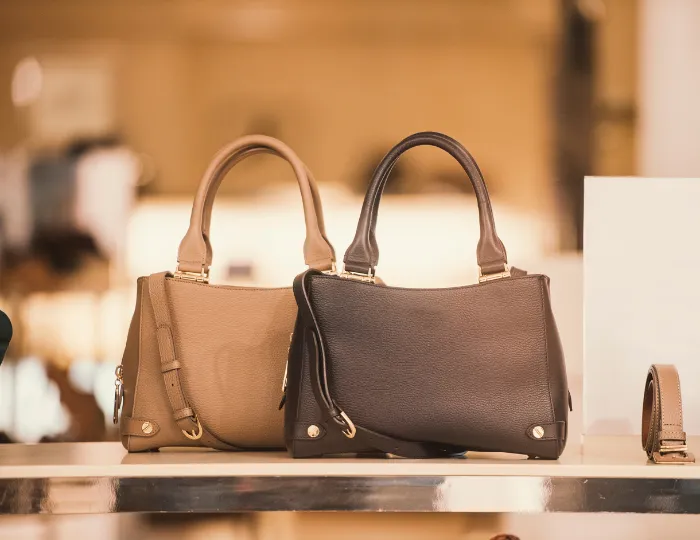
The table distinguishes contract production from customization of a maker’s own designs and wholesale supply of an existing brand. Only the first two entries below establish a route to third-party production. For every enquiry, confirm the operating entity, factory location, material scope, order minimum and current availability. Listed locations identify the business or disclosed workshop; they are not automatically the origin of every product.
| Maker or supplier | Business or disclosed production location | Documented purchasing route | Useful next enquiry | Official source |
|---|---|---|---|---|
| Hoplok Leather | China and Cambodia | Custom leather and PU bag production for brands. | Send the design brief and material schedule. Leather bag MOQ: 200; PU bag MOQ: 1,000. Bag samples: 3–4 weeks; bulk production: 60–90 days, with project conditions confirmed. | Custom leather bags |
| Pelletterie ADPEL | Torre Annunziata, Italy | Its official capability page states that it produces for other brands and describes leather-goods development and production. | Confirm the current product scope, sample process, material sourcing, order minimum and proposed production site. | Production capability and company contact |
| TUSTING | England, United Kingdom | Its own workshop makes bags; its public bespoke service customizes existing Tusting styles, including leather, lining and fittings. | Suitable for exploring maker-brand customization. Confirm corporate or trade terms directly; the linked service does not establish an unrestricted third-party OEM offer. | Bespoke and personalisation |
| The Leather Satchel Co. | Liverpool workshop, United Kingdom | Public wholesale-partner application for its own brand of bags. | Ask about retailer eligibility, the current collection, minimum order and delivery arrangements. Private-label development needs separate confirmation. | Wholesale partnership |
| VISCONTI | United Kingdom brand; confirm the selected product’s factory and origin | Public wholesale supply of Visconti bags and leather accessories. | Confirm account terms, model availability and permitted sales channels. The wholesale page does not establish third-party OEM production. | Wholesale leather bags |
Key Differentiators to Check in a Leather Bag Manufacturer
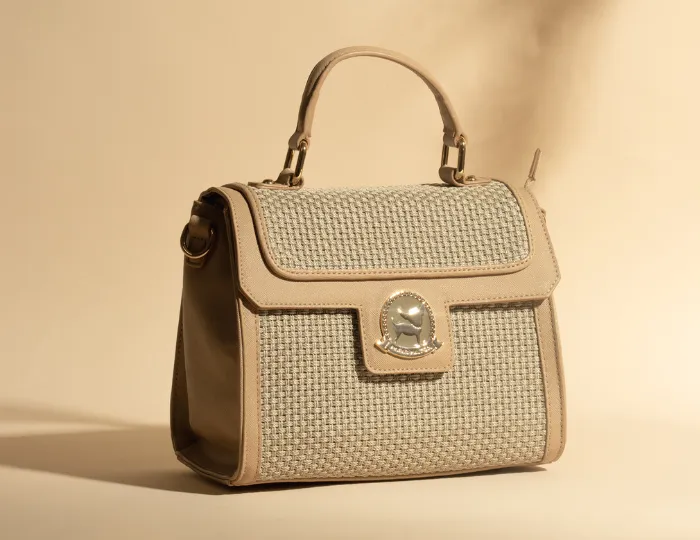
In‑House vs. Outsourced Production Capabilities
Map the actual production chain rather than assuming that every bag maker owns a tannery. In-house work and specialist subcontracting can both be managed effectively if responsibilities, specifications and inspection records are clear. Hoplok’s ProPelli facility finishes externally supplied crust leather; it is not a tannery.
- Document responsibility at each material and production handoff.
- Agree how revisions reach every relevant workshop or subcontractor.
- Understand which outsourced operations affect cost and scheduling.
Cutting and Decoration Equipment
Evaluate the equipment against the proposed material and design. Digital cutting or laser decoration may suit some jobs, while dies or hand processes may suit others. Operator setup, material behavior and inspection still affect the result.
- Panel dimensions and tolerances demonstrated on samples.
- Logo clarity, edge appearance and material compatibility.
- Cutting yield records for the actual layout and leather quality.
Prototyping and Custom Design Support
Identify who develops patterns, makes samples and resolves fit or construction questions. Set milestones for each revision so a quick initial mock-up is not confused with a production-ready sample.
- A project-specific sample schedule and material availability check.
- Drawings or digital previews where available, followed by physical material and construction approval.
- A revision log showing what changed and who approved it.
After‑Sales Support & Warranty Policies
Ask how the supplier handles a substantiated defect after delivery. Clarify evidence, reporting deadlines, investigation and the available repair, replacement or credit process.
- Written coverage and exclusions for the agreed order.
- Confirmed repair arrangements and service locations, if offered.
- Agreed spare-part quantities, cost and availability period.
Custom Finishing & Packaging
Review finishing and packaging as part of the product specification. They affect appearance, protection in transit and the customer’s first handling of the bag.
- Embossing, debossing, and foil stamping.
- Edge painting or burnishing where suitable for the specified material.
- Custom dust bags, printed boxes, and swing tags.
Sustainability & Traceability
Look for specific environmental practices and a traceable material record rather than broad descriptions such as green or eco-friendly.
- Evidence for any claimed water, chemical or energy improvements at the relevant process.
- Documented routes for usable offcuts and other waste.
- Records linking supplied leather lots to the identified source; a QR code alone does not validate those records.
Potential Benefits of an Experienced Manufacturing Partner
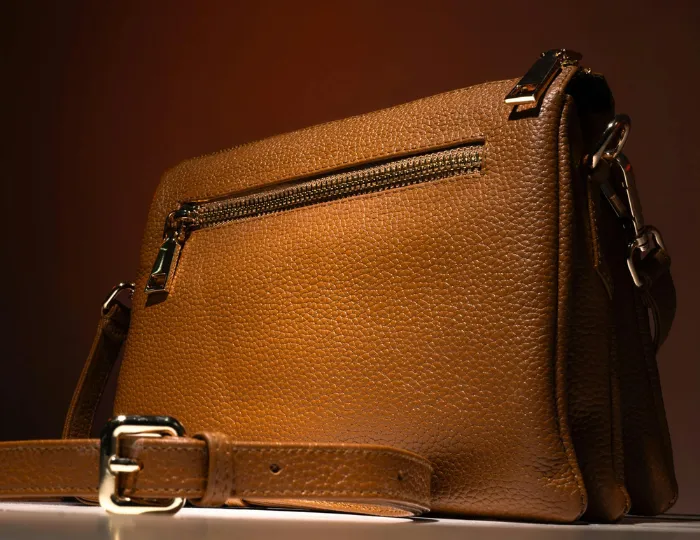
Experience is useful when it produces demonstrable working practices. The following eleven areas provide a framework for comparing suppliers; ask for examples relevant to your order rather than assuming every established factory offers them.
Defined Workflows for Development and Production
A clear workflow makes approval dependencies visible. Review when materials are ordered, who signs off the sample and what must be complete before production starts.
- Standardized sample‑approval processes
- Identified schedule buffers and recovery options
- Production status records and an agreed reporting format
Deep Technical Expertise for Complex Designs
Relevant technical staff can help assess panel shape, reinforcement, seam construction and hardware placement. Test the assembled design against its intended everyday carrying use.
- Review of handle and strap attachment seams for the intended carrying load
- Optimized hardware placement for balance
- Custom tooling for unique shapes and closures
Rigorous Quality Assurance That Reduces Defects
Ask how inspection findings trigger corrective action and how the correction is verified on subsequent work. A long trading history alone does not demonstrate a low defect rate.
- Incoming hide quality checks (thickness, defects)
- Inline stitch‑and‑tension audits
- Final inspections using the agreed defect criteria and sampling plan
Flexible Scalability to Support Growth
Evaluate the capacity allocated to your order and the limits of expansion. A factory’s total output across all products does not establish the quantity or date it can commit to your styles.
- Production lines and staff actually available for the order
- Tiered pricing for different volume levels
- A realistic expansion plan with material and staffing constraints
Support for Product Compliance Documentation
Start with the destination market, product type and intended user. REACH restrictions, US children’s-product rules and California warning requirements have different scopes. Agree applicable requirements and evidence with the supplier and an appropriate laboratory or compliance adviser.
- Reports traceable to the selected materials or products; a safety data sheet is not a finished-bag test certificate
- A current restricted-substance requirement list and responsibility for testing
- Applicable shipping and market documentation; CE marking is required only for covered product categories, not as a general export certificate for bags
Collaborative Design Support for Optimized Cost and Function
Early construction reviews can identify expensive details, difficult assembly steps or unsuitable material combinations. Approve any proposed substitution before it reaches production.
- Technical drawings and a complete product specification
- Material substitution to optimize price/performance
- Ergonomic testing for straps and handles
Risk Mitigation Through Contingency Planning
Review the supplier’s response to a plausible shortage or production interruption. A useful plan identifies owners, alternatives and the point at which you must approve a change.
- Alternative material sources subject to buyer approval before substitution
- Preventive maintenance schedules on machinery
- Cross‑trained staff to cover absences
Clear Pricing and Review Terms
A longer commercial relationship may support negotiated pricing, but fixed multi-year prices are not automatic. Agree quote validity, currency, quantity assumptions and circumstances permitting a price review.
- Material purchasing commitments and responsibility for unused stock
- Cost assumptions and the mechanism for approving price changes
- Predictable tooling and sample fees
After-Sales Procedures That Support Your Customer Promise
Confirm whether repair, replacement components or refurbishment are offered, and for which defects and periods. A factory relationship does not by itself support a lifetime retail guarantee.
- Named repair provider or a documented return-and-investigation process
- Spare parts agreed in advance, including matching finishes and availability limits
- Clear RMA processes with defined turnaround targets
Documented Environmental Practices
Distinguish a tannery, leather finisher and bag assembler when reviewing environmental information. Assess evidence for the relevant facility and material route; do not transfer one site’s claims to an entire product or supply chain.
- Defined environmental claims supported by relevant records
- Leather offcut upcycling programs
- Facility certification or rating details where applicable, with permitted claim wording
Transparent Communication for Smooth Collaboration
Evaluate communication during sampling: a useful contact records decisions, flags uncertainty and follows through on corrective actions. These behaviors matter more than a promise of constant availability.
- Weekly production and quality reports
- Named contact, working hours and an escalation route
- Joint KPI reviews and continuous improvement sessions
The Role of Sustainability in Modern Leather Bag Production
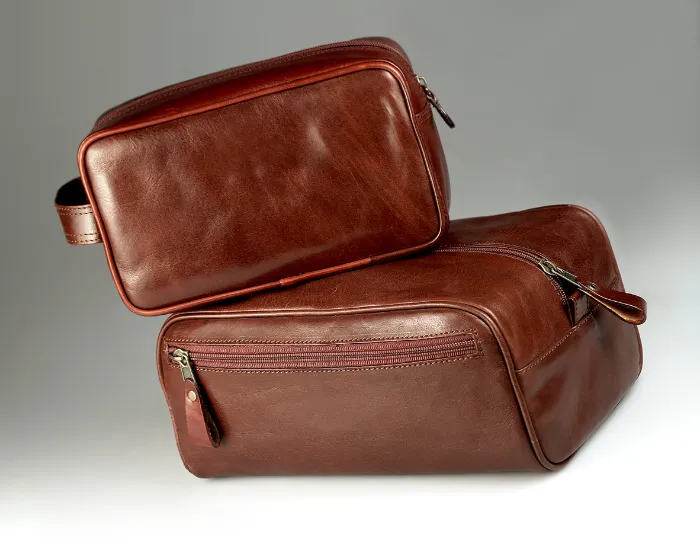
- Tanning and finishing: A vegetable, chrome or aldehyde process is not automatically harmless or environmentally superior. Ask which process and substances were used and what evidence supports a specific impact claim.
- Waste reduction: Compare cutting yield and offcut-management records. Avoid zero-waste claims unless the defined process and all relevant waste streams are accounted for.
- Audits and certificates: Environmental management, leather-facility assessment and social auditing address different questions. Check the named site, scope, dates and unresolved findings.
- Traceability: Connect purchase and production records to material lots. Digital labels can display information, but the underlying records determine what can be substantiated.
- Customer communication: Describe the specific attribute and its scope. The FTC Green Guides explain why broad, unqualified environmental-benefit claims can mislead; avoid assuming a universal consumer willingness-to-pay percentage.
Country Comparison: Evaluate the Factory and the Supply Route
Country can affect freight, communication and applicable origin rules, but it does not determine bag quality or a universal production schedule. Use local candidates as a starting point and compare the actual material, factory and landed-cost proposal.
- Italy: The ADPEL entry above offers a documented starting point for a third-party production enquiry. Confirm the selected bag’s production steps and origin separately from the business address.
- China: For a proposed Chinese production site, verify the legal entity, development responsibilities, material sources and capacity available to your order. Do not substitute a country-wide MOQ or lead time for the factory’s quotation.
- India: Establish whether a candidate supplies leather, assembles bags or coordinates subcontractors. Ask for examples in the proposed material; neither tanning method nor order minimum follows automatically from location.
- Argentina and Brazil: Distinguish leather supply from finished-bag manufacturing. Verify material traceability, the actual assembly site and the export arrangements before comparing proposals.
- Cambodia and Vietnam: Compare confirmed production and transport plans. Preferential duties depend on the destination’s rules, tariff classification and qualifying origin evidence; they are not guaranteed by a factory address. See the EU explanation of origin rules when assessing an EU route. Hoplok’s production locations are in China and Cambodia.
- Other locations: Apply the same checks to candidates in Turkey, Morocco, South Africa or elsewhere. Do not infer chemical safety, animal-free composition or lower cost from a country’s craft reputation.
Does a Leather Bag Fit Your Collection’s Price and Service Plan?
- Service life and appearance: Evaluate the chosen material, finish, construction and intended use. Set realistic service expectations supported by testing and experience with comparable products; patina alone does not establish durability.
- Cost: Compare material, labor, freight, likely repair obligations and customer expectations. Leather does not automatically have a lower annual cost than every synthetic alternative.
- Resale: Do not assume a fixed residual value. Brand demand, condition, model and resale fees affect what an item may recover.
- Repair: Assess whether the construction allows access to worn components and whether matching replacements will be available. Put any offered service in writing.
- Customer fit: Test the proposed product with the intended audience and price position rather than relying on an unsupported percentage linking leather to trust or luxury.
Conclusion
Shortlist a supplier for the purchasing route you need, then qualify the actual material, sample, production site and order terms. For a custom collection, review Hoplok’s custom leather bag manufacturing and send the design brief, material preference, quantity and destination. Hoplok operates four facilities across China and Cambodia; ProPelli handles finishing of externally supplied crust leather. Confirm the factory assignment and production scope for your project.
FAQs
- What is a typical lead time for custom leather bags? Development and bulk production are separate. Hoplok’s current bag sample timing is 3–4 weeks and bulk production is 60–90 days. Confirm approval milestones, material readiness and the production start point; freight and customs time must be planned separately.
- How do I verify a manufacturer’s ethical practices? Identify the actual production sites and review relevant social-audit findings, corrective actions and follow-up evidence. A SMETA report is not a certification, and an environmental facility rating does not establish every labor condition.
- What is the standard MOQ in this industry? There is no single industry minimum. Hoplok’s current MOQ is 200 for leather bags and 1,000 for PU bags; confirm how those minimums apply to the proposed styles, colors and materials. Ask other suppliers for their own order rules.
- How do leather descriptions affect pricing? Compare the exact leather construction, finish, thickness, selection and cutting yield. Full-grain, top-grain, corrected-grain and bonded descriptions are not a universal price ladder; full-grain and top-grain terminology can overlap. PU alternatives require their own composition and performance specification.
- Can manufacturers handle branding and packaging? Confirm the logo process, design rights, lining, labels, dust bags and carton requirements in the quotation. Wholesale access to an existing brand does not automatically include private-label manufacturing, and direct-to-customer fulfillment requires a separate agreement.