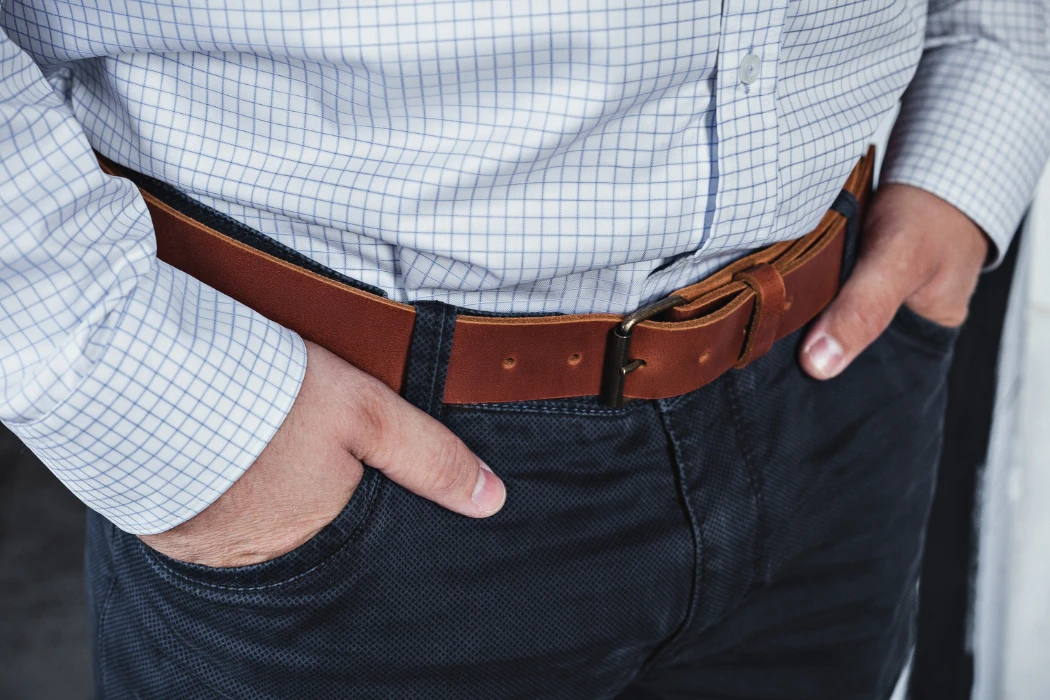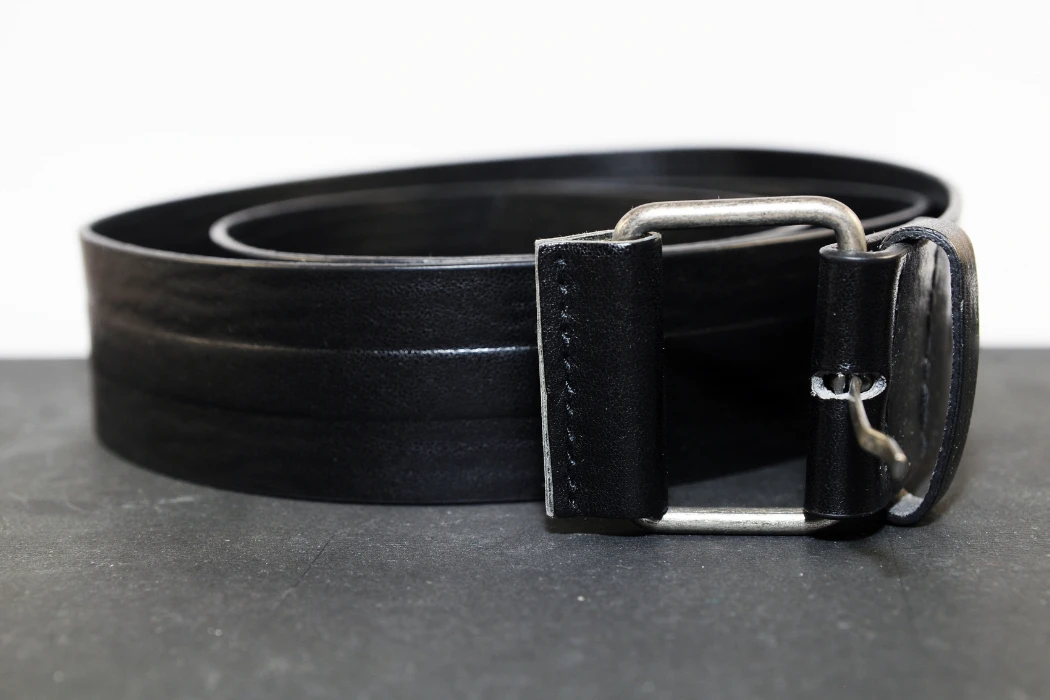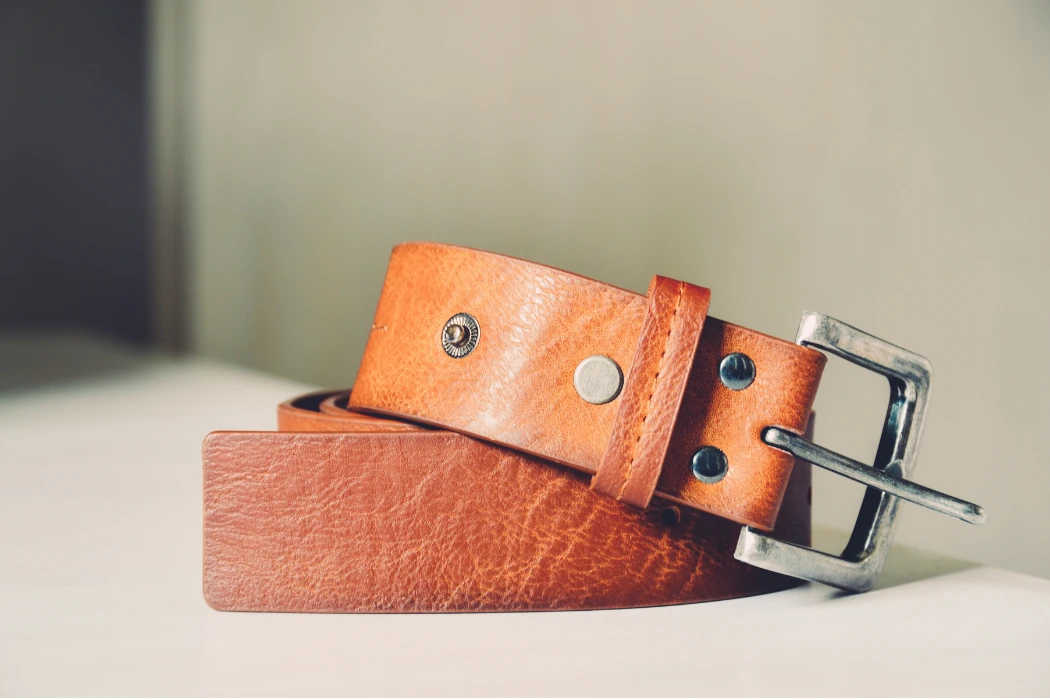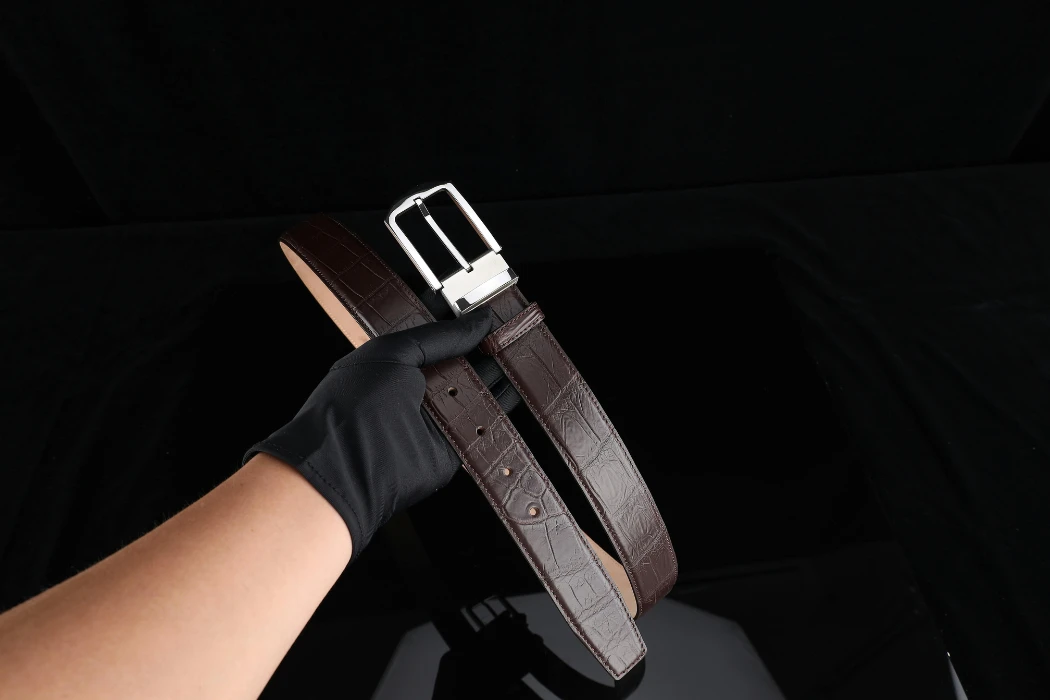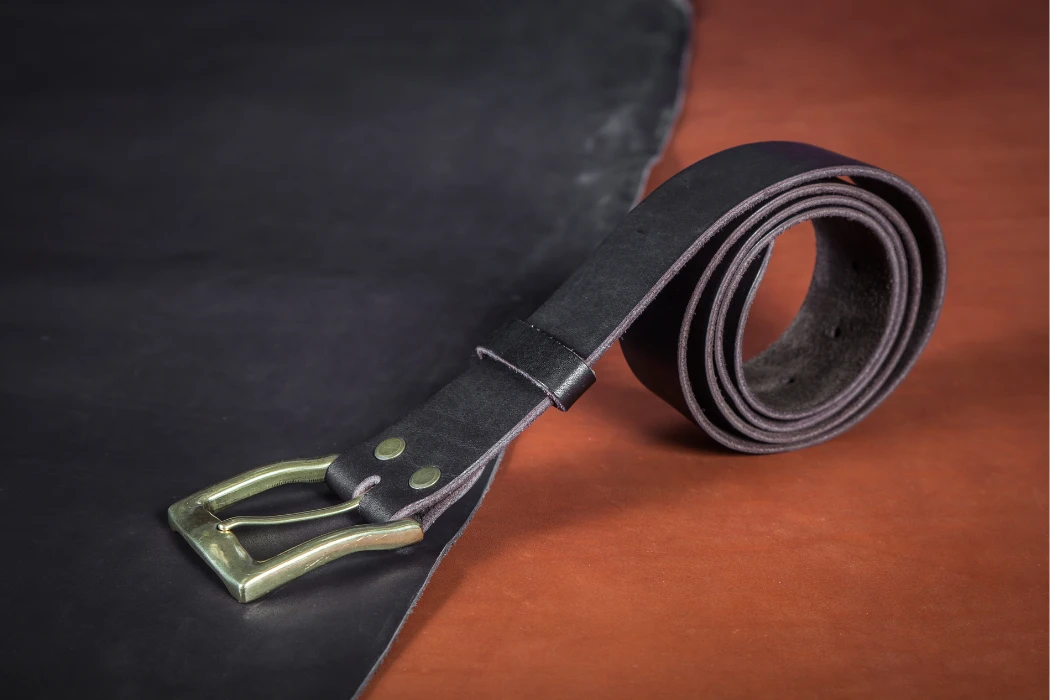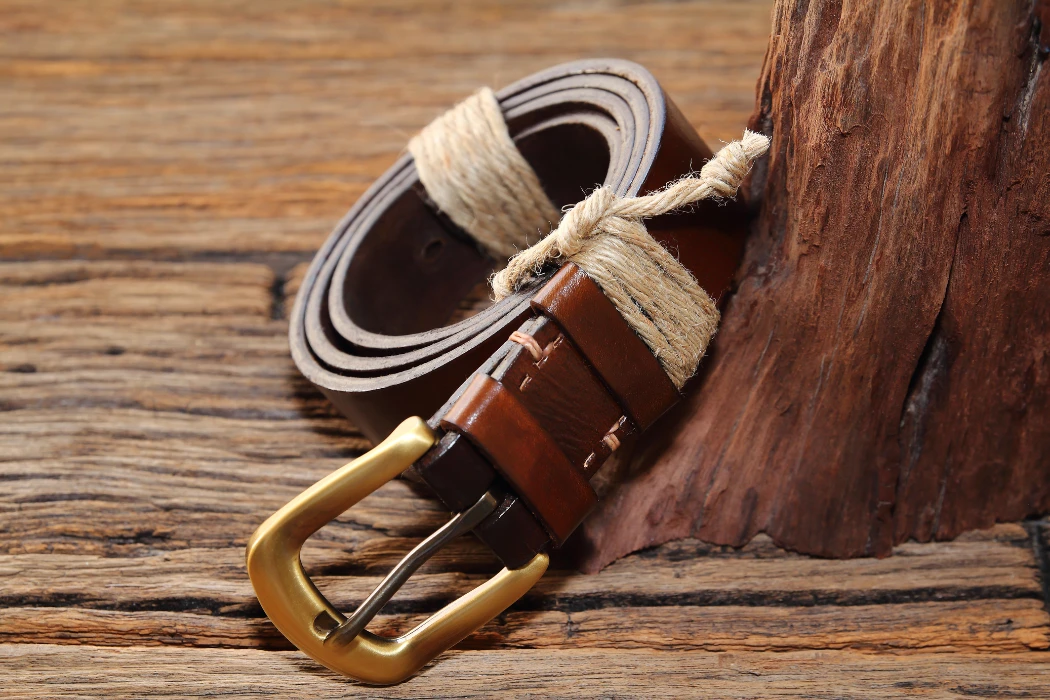
A Ranger Belt is not merely a belt; it is a piece of history. Originating from the Texas Rangers who needed a way to carry heavy colt revolvers on horseback without sagging, this distinct double-layered design—featuring a wide body with a narrower “billet” strap—has evolved into the ultimate symbol of Western utility and rugged aesthetics.
However, finding a ranger belt that balances historical authenticity with modern comfort is a challenge. In this guide, we have ranked the 15 best Western ranger belt brands for 2025. We evaluated these brands based on Leather Layering Quality, Hardware Tooling Detail, and Everyday Wearability. From heritage bootmakers to custom silversmiths, this list represents the top tier of durability and style.
As manufacturing experts with over 20 years of experience in heavy-duty leather goods, we analyze these belts from a production standpoint. We will uncover why the Billet Stitching—the reinforcement point where the narrow strap connects to the main body—is the critical failure point in cheap imitations, and why true durability requires saddle-grade engineering.
The Anatomy of a Ranger Belt: Why the “Double Layer” Matters?
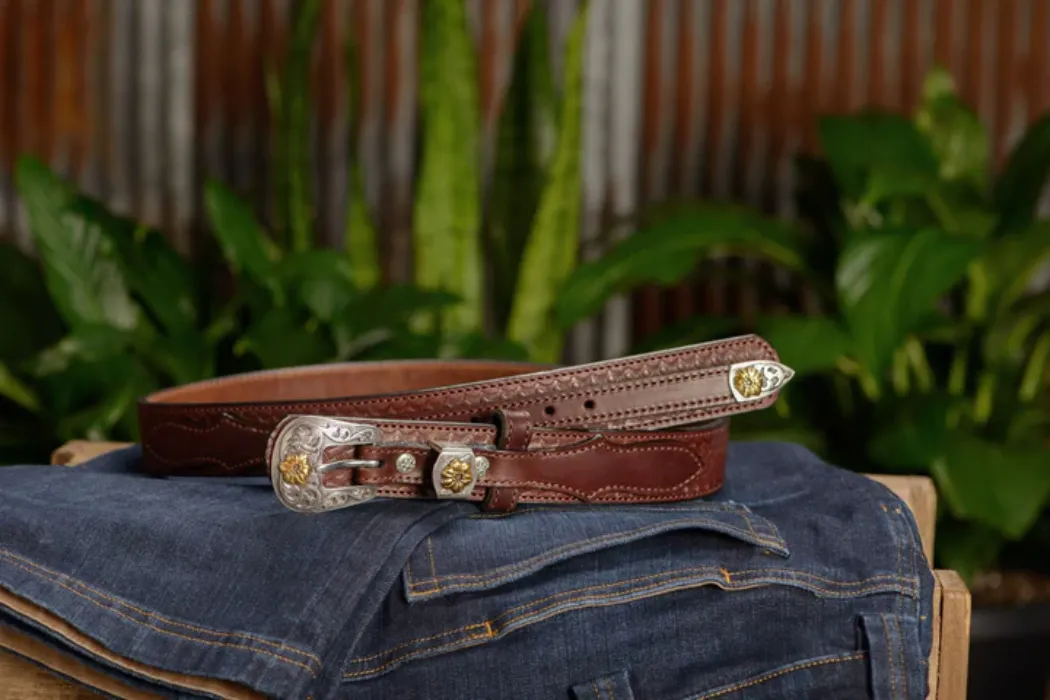
Unlike a standard “strap” belt, a Ranger Belt is an architectural assembly. It consists of a wide main body (the chassis) and a narrower strip (the billet) that is stitched on top to hold the buckle. This unique construction was not invented for fashion; it was engineered for function. Understanding this anatomy is the first step in distinguishing a high-quality piece from a costume prop.
The Billet System (Pressure Distribution)
The genius of the ranger design lies in its pressure distribution. On a standard belt, the buckle digs directly into your stomach when sitting. On a ranger belt, the wide underlying layer acts as a buffer pad between the buckle and your body. This allows you to cinch the belt tighter for security without sacrificing comfort.
- Width Ratio: A classic spec features a 1.5-inch main body tapering to a 0.75-inch or 1-inch billet. This contrast creates the signature western silhouette.
- Ergonomics: The wider backing prevents the belt from digging into the hips or rolling over under the weight of a heavy buckle or accessories.
Thickness & Weight (The 10oz Standard)
A true ranger belt is substantial. Because it involves layering pieces of hide (the main strap plus the sewn-on billets), the total thickness often exceeds standards for dress belts. We look for belts constructed from 10oz to 12oz leather (approx. 4mm – 5mm thick). This heft ensures the belt will not stretch or deform, even after years of daily wear.
- Layering: Cheap belts use a cardboard filler between thin leather veneers. A quality ranger belt uses two solid strips of Full-Grain leather stitched back-to-back.
- Longevity: This thickness prevents the “U-shape” sagging common in single-ply belts, maintaining a straight, supportive line around the waist.
Stitching Integrity (The Anchor Points)
The critical failure point of any ranger belt is where the billet attaches to the main body. This area endures constant pulling tension. Manufacturing excellence here is defined by “Back-Tacking” or rivet reinforcement. We look for heavy-duty bonded nylon thread (Size 207 or higher) that is double-stitched at the stress points.
- Visual Check: Look for a dense cluster of stitching or a “box-X” stitch pattern where the narrow strap meets the wide strap.
- Safety: If this stitch pops, the belt becomes useless. Top-tier brands often reinforce this junction with hidden rivets for absolute security.
Materials Guide: Full-Grain, Exotic & Tooling Leather
The visual identity of a ranger belt is defined by its skin. Whether you want a rugged, hand-carved floral pattern or the prestige of exotic scales, the raw material dictates the belt’s lifespan. From a manufacturing perspective, different skins require vastly different handling techniques.
Veg-Tan for Tooling (The Only Option for Carving)
If you want the classic “Sheridan Style” floral carving or basketweave stamping, the leather must be Vegetable Tanned. Only veg-tan leather has the ability to absorb water (a process called “casing”), soften, and then permanently hold the impression of a steel tool when struck. Chrome-tanned leather (used for fashion bags) is too spongy and will bounce back, losing the detail.
- The Look: Deep, crisp 3D relief patterns that can be dyed or antiqued to highlight the shadows.
- The Aging: Unsealed veg-tan will darken significantly in the sun, developing a rich, golden-brown patina that enhances the tooling over time.
Exotic Skins Durability (Ostrich & Gator)
Ranger belts are a popular canvas for exotics because the wide main body showcases the natural pattern beautifully. Ostrich and Alligator are the gold standards. Despite looking delicate, Ostrich leather is renowned for its high tensile strength and resistance to drying out, making it surprisingly rugged for ranch work. Alligator flank offers a rigid, armored protection.
- Construction Note: Exotics are usually too thin to be used alone. They are glued and stitched onto a robust cowhide backing (liner) to provide the necessary 10oz thickness for a belt.
- Authenticity: Real ostrich quills (bumps) have a pore in the center; fake embossed leather bumps are solid and uniform.
The “Bonded” Trap (The Silent Killer)
The biggest scam in the western belt market is Bonded Leather. This material consists of leather scraps shredded into pulp, mixed with glue, and pressed into sheets. It is then covered with a thin vinyl layer printed to look like full-grain. In a ranger belt, the tension created by the cinch mechanism puts immense stress on the layers.
- The Failure Mode: Bonded leather lacks the fibrous cross-linking of real hide. Under tension, it will delaminate (separate into layers) and crack at the holes within months.
- Identification: Look for a uniform, repetitive grain pattern that looks “too perfect” and a backing that looks like fuzzy suede fabric rather than natural flesh.
Western Hardware: The 3-Piece Buckle Set
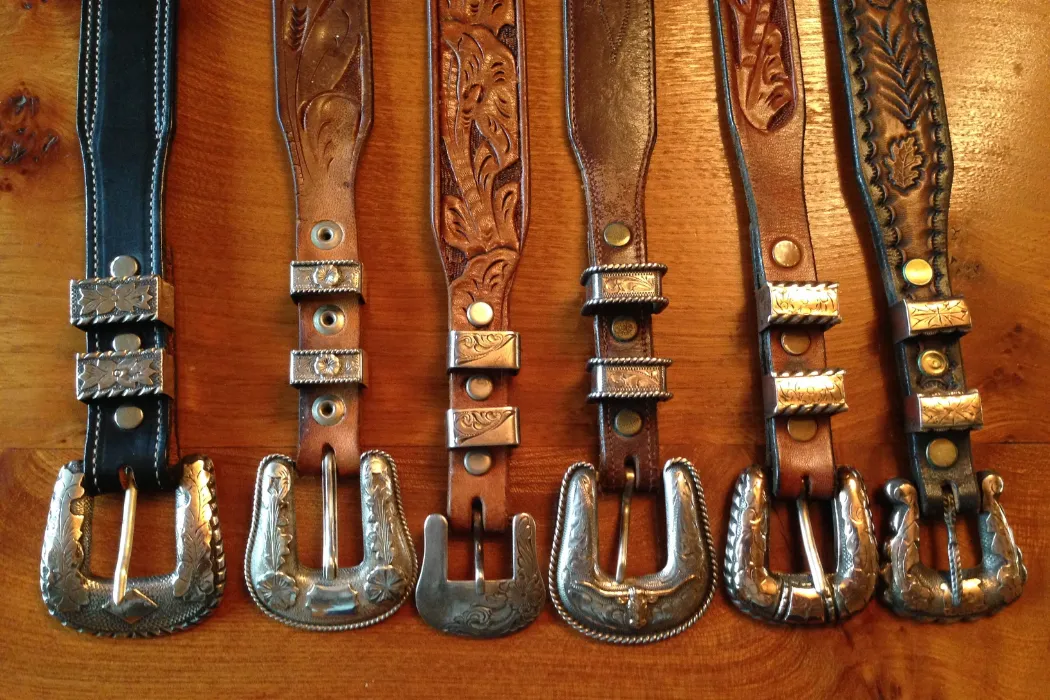
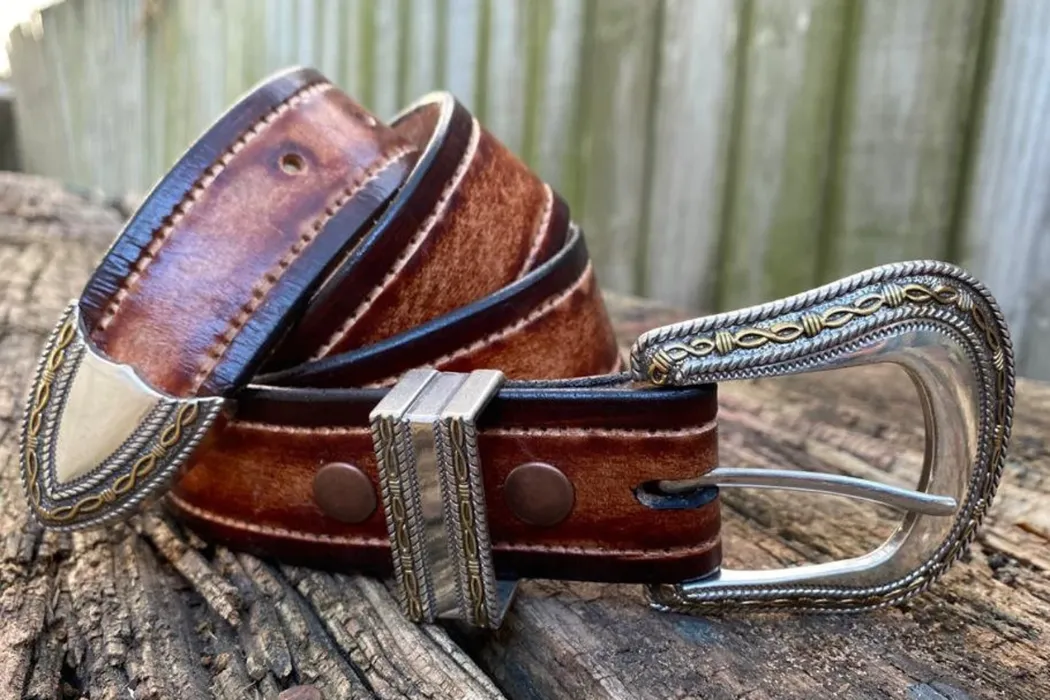
The soul of a ranger belt lies in its hardware. Unlike a standard dress belt with a simple frame, a ranger belt typically features a 3-Piece Buckle Set: the Buckle itself, the Keeper (loop), and the Tip. This hardware is not just functional; it is jewelry for the waist. Distinguishing between master silversmithing and mass-produced casting is essential for finding value.
Sterling Silver vs. Zinc Alloy (Material Value)
The material of the buckle dictates both its lifespan and its price. Top-tier brands like Vogt or Clint Orms use Solid Sterling Silver or “Silver Overlay” (a thick layer of silver bonded to a nickel base). This material is heavy, can be polished forever, and develops a warm luster. In contrast, mass-market belts use Zinc Alloy (pot metal) coated in a thin chrome or silver paint.
- The Weight Test: Solid silver or brass hardware feels dense and cold. Alloy feels strangely light and warms up quickly in the hand.
- The Flaking Risk: Alloy buckles will eventually bubble and peel, revealing a dull grey base metal underneath. Silver will only tarnish, which can be cleaned.
Interchangeability (The Chicago Screw)
A hallmark of a high-quality western belt is the ability to swap the buckle. We prioritize belts that use Chicago Screws rather than permanent rivets or snaps. Chicago screws are threaded metal posts that unscrew with a flathead, allowing you to remove the existing buckle and install a custom trophy buckle or a family heirloom set.
- Security: Screws are far more secure than snaps, which can pop open unexpectedly under the weight of a heavy silver buckle.
- Versatility: This feature transforms one belt strap into a versatile platform for multiple looks, extending the utility of your leather investment.
Engraving Detail (Hand-Cut vs. Molded)
Look closely at the floral or scroll patterns on the metal. On high-end pieces, these are Hand-Engraved by a silversmith using a graver tool. The cuts are sharp, deep, and reflect light at different angles. On cheaper buckles, the pattern is Die-Cast (molded), resulting in soft, rounded edges that look “melted.”
- Antique Finish: Quality buckles often use an oxidation process to darken the background of the engraving, creating contrast that highlights the 3D relief.
- Depth: Run your fingernail over the design. If it catches in the grooves, it’s likely cut or stamped deep. If it slides over smoothly, it’s a shallow surface mold.
The 15 Best Western Ranger Belt Brands (Summary List)
Here is our definitive ranking for 2025. We have organized the brands by their specific niche—whether you need a heavy-duty gun belt, a handcrafted heirloom, or a classic ranch accessory.
| Rank | Brand | Origin | Signature Style | Price Range (USD) |
|---|---|---|---|---|
| 1 | Vogt Silversmiths | USA / Mexico | Sterling Silver Mastery | $400 – $1,200+ |
| 2 | Clint Orms | USA (Texas) | Heirloom Hand-Engraving | $1,500 – $5,000+ |
| 3 | Tony Lama | USA / Global | Classic Tooled Western | $50 – $120 |
| 4 | Hanks Belts | USA | Heavy-Duty / CCW | $100 – $180 |
| 5 | Chacon | USA (New Mexico) | Southwestern Artisan | $350 – $800 |
| 6 | Saddleback Leather | USA / Mexico | Indestructible Thick Leather | $100 – $150 |
| 7 | Justin | USA / Global | Rugged Ranch Work | $40 – $90 |
| 8 | Nocona | USA / Global | Accessible Traditional | $35 – $75 |
| 9 | Montana Silversmiths | USA | Trophy Buckle Sets | $80 – $250 |
| 10 | Ariat | USA / Global | Modern Performance | $50 – $100 |
| 11 | Amish Made Belts | USA | Plain & Sturdy Bridle | $50 – $90 |
| 12 | M&F Western (Blazin Roxx) | USA / Global | Fashion / Rhinestone | $30 – $70 |
| 13 | Texas Standard | USA (Texas) | Gentleman Western | $90 – $150 |
| 14 | Cochise Leather Company | USA (Arizona) | Old West Reproduction | $120 – $200 |
| 15 | Pinto Ranch | USA (Texas) | Curated Luxury | $200 – $500 |
1. Vogt Silversmiths
Origin: USA / Mexico | Price: $400 – $1,200+
Vogt is the undisputed standard for Western silver. While they sell leather straps, the value lies in their Solid Sterling Silver buckle sets. Each piece is hand-engraved, ensuring deep, light-catching cuts that stamped metal cannot replicate. They offer an unconditional lifetime guarantee, making their ranger sets true heirlooms.
- Material: 925 Sterling Silver or Gold Overlay. No plating to flake off.
- Craftsmanship: Entirely hand-fabricated and engraved by master silversmiths.
- Style: Traditional, intricate scrollwork that defines the “high-end ranch” aesthetic.
2. Clint Orms
Origin: USA (Texas) | Price: $1,500 – $5,000+
Clint Orms creates museum-quality functional art. Based in Texas, this brand specializes in bespoke, hand-engraved buckle sets often featuring gold inlays and precious stones. Their ranger belt sets are investments, crafted with a level of detail usually reserved for fine jewelry.
- Exclusivity: Often made-to-order or limited production runs.
- Detail: Known for multi-layered relief engraving that creates stunning 3D depth.
- Heirloom Status: These are items designed to be passed down for generations.
3. Tony Lama
Origin: USA / Global | Price: $50 – $120
A legend in the boot world since 1911, Tony Lama brings the same expertise to belts. They are the go-to for the classic Tooled Leather ranger belt. Their products offer excellent durability for the price, utilizing full-grain cowhide that matches their boot leathers perfectly.
- Matching: Designed to coordinate seamlessly with Tony Lama boots.
- Durability: Rugged construction suitable for actual ranch work or riding.
- Value: The best entry point for an authentic, branded western look.
4. Hanks Belts
Origin: USA | Price: $100 – $180
Hanks Belts focuses purely on structural integrity. Their “Gunner” and ranger series are engineered for CCW (Concealed Carry Weapon) support. Made from extra-thick (14oz+) full-grain steerhide, these belts will never sag, roll over, or stretch, even when supporting a holster or heavy tools.
- Thickness: Extreme. Often exceeds 6mm, requiring larger belt loops.
- Warranty: Famous “100-Year Warranty” against breaking or splitting.
- Hardware: Uses heavy-duty, removable roller buckles attached with Chicago screws.
5. Chacon
Origin: USA (New Mexico) | Price: $350 – $800
Chacon embodies the spirit of the American Southwest. Their belts feature heavy, cast sterling silver buckles paired with premium exotic skins like alligator or lizard. Unlike the fine scrollwork of Vogt, Chacon’s silver often features bolder, chunkier designs typical of New Mexico artistry.
- Aesthetic: A unique blend of Native American and Cowboy influences.
- Leather: High-quality, hand-dyed straps that age beautifully.
- Customization: Buckles are interchangeable, allowing for versatile styling.
6. Saddleback Leather
Origin: USA / Mexico | Price: $100 – $150
While not a traditional “Cowboy” brand, Saddleback makes the list for one reason: indestructibility. Their “Old Bull” belt is a masterclass in over-engineering. They use the thickest possible full-grain leather boot leather, creating a ranger belt that feels more like a piece of industrial equipment than a fashion accessory.
- Warranty: Famous for their 100-Year Warranty. If it breaks, they fix it. Ideally suited for those who destroy standard belts.
- Construction: Features virtually no breakable parts. The leather is so thick (often 4-5mm) that it takes weeks to break in.
- Style: Rugged, minimalist, and functional. It lacks floral tooling but makes up for it with raw material dominance.
7. Justin
Origin: USA / Global | Price: $40 – $90
Since 1879, Justin has been a pillar of the western workwear industry. Their ranger belts are designed for the working cowboy—durable enough for the ranch but styled well enough for the rodeo. They offer excellent tooled leather options at a price point that makes them accessible daily drivers.
- Work Ready: Built to withstand sweat, dirt, and abrasion. The leather finish is often treated to resist moisture.
- Design: Offers classic basketweave and floral tooling that pairs perfectly with Justin boots.
- Hardware: Typically comes with sturdy, removable antique-finish buckles, allowing for easy customization.
8. Nocona
Origin: USA / Global | Price: $35 – $75
Nocona offers perhaps the widest variety of styles in the entry-level market. From classic plain leather to elaborate designs featuring horsehair inlays, conchos, and rawhide lacing, Nocona captures the flashy side of western style without breaking the bank.
- Variety: Known for “Pro Series” belts that offer professional-grade looks at consumer prices.
- Value: An excellent choice for your first ranger belt. While the leather isn’t as thick as Hanks, it is genuine top-grain/full-grain and holds up well.
- Detail: They excel at mixed-media designs, often incorporating beading or embroidery into the leather strap.
9. Montana Silversmiths
Origin: USA | Price: $80 – $250
Based in Columbus, Montana, this brand is the official silversmith of the PRCA (ProRodeo Cowboys Association). While famous for their buckles, their ranger belt sets are iconic. They specialize in Silver Electroplate technology, creating “Trophy Buckle” looks that are protected against tarnishing by a proprietary “Montana Armor” finish.
- The Look: High-shine, intricate engraving often featuring gold or rose gold accents. Perfect for “Show Western” attire.
- Durability: Their protective coating ensures the silver remains bright for years without constant polishing.
- Belt Straps: They pair their hardware with high-quality, often simple leather straps to let the buckle be the star.
10. Ariat
Origin: USA / Global | Price: $50 – $100
Ariat brought athletic shoe technology to western boots, and they apply the same modern performance philosophy to their belts. Their designs often feature Triple-Stitched edges and durable, oil-tanned leathers that resist cracking. They bridge the gap between traditional western aesthetics and modern comfort.
- Performance: Designed for active riding. The leather is flexible and robust, moving with the rider.
- Aesthetic: Ranges from rugged, distressed “crazy horse” leather to clean, sharp dress belts suitable for the office.
- Integration: Specifically designed to match the colorways and finishes of popular Ariat boots for a cohesive look.
11. Amish Made Belts
Origin: USA | Price: $50 – $90
If you want zero-frills durability, look no further. Crafted by Amish artisans using traditional techniques, these belts are made from heavy English Bridle Leather. They lack flashy logos or intricate tooling, focusing entirely on material integrity and strength.
- Leather: Sourced from top US tanneries (like Wickett & Craig). It is thick, waxy, and virtually waterproof.
- Construction: Simple, robust stitching with heavy-duty stainless steel hardware. No glued layers to peel apart.
- Aesthetic: Pure utility. A perfect choice for a work belt that needs to hold up pants and tools without drawing attention.
12. M&F Western (Blazin Roxx)
Origin: USA / Global | Price: $30 – $70
For those who want the “Western Fashion” look without the heritage price tag, M&F Western (and their Nocona/Blazin Roxx lines) is the leader. They specialize in highly decorative belts featuring rhinestones, conchos, and hair-on-hide inlays.
- Style: Unabashedly flashy. Perfect for country music festivals, rodeo spectators, or anyone wanting to add sparkle to denim.
- Materials: While often using bonded leather or genuine leather backings to keep costs low, the visual impact is high.
- Hardware: Buckles are usually removable and feature intricate, albeit molded, designs with crystal accents.
13. Texas Standard
Origin: USA (Texas) | Price: $90 – $150
Texas Standard defines the “Gentleman’s Western” aesthetic. Their Tejas Ranger Belt is designed for the boardroom as much as the ranch. It features a cleaner, more refined profile with subtle stitching and premium leather that pairs well with chinos or a sport coat.
- Refinement: The taper is elegant, and the buckle sets are understated (often polished silver or brass) rather than oversized.
- Leather: Uses high-quality top-grain leather that has a dressier, smoother finish than rugged work belts.
- Brand Ethos: “Outfitters of the Texas Gentleman.” It bridges the gap between cowboy culture and modern professional style.
14. Cochise Leather Company
Origin: USA (Arizona) | Price: $120 – $200
For historical reenactors and purists, Cochise is the gold standard. They specialize in Old West Reproductions, crafting belts that look exactly like what was worn in the 1880s. Each piece is custom-made to order in their Arizona shop.
- Authenticity: Patterns are based on historical archives. They use period-correct hardware and tooling styles.
- Customization: You choose the leather color, tooling pattern, and even the number of bullet loops (if desired).
- Build: Heavy-duty construction meant to carry the weight of holsters and ammunition, just like the originals.
15. Pinto Ranch
Origin: USA (Texas) | Price: $200 – $500
Pinto Ranch is the premier luxury western retailer, and their house-brand belts reflect this high standard. They curate the finest exotic skins—Alligator, Caiman, and Ostrich—and pair them with Italian calfskin linings for supreme comfort.
- Luxury Materials: Access to the best exotic hides in the industry. The scales and quill patterns are selected for symmetry and flawlessness.
- Exclusivity: These belts are often produced in limited runs, designed to pair with high-end handmade boots like Lucchese or Rios of Mercedes.
- Hardware: Often sold with simple buckles so you can upgrade to a custom silver set from their extensive jewelry collection.
How to Choose the Right Ranger Belt for Everyday Wear
The Ranger Belt is a statement piece. Its double-layered architecture naturally draws the eye. The danger lies in crossing the line from “rugged style” to “costume.” To wear a ranger belt with chinos or modern denim without looking like an extra from a western movie, you must carefully calibrate the proportions and details.
Width Considerations (The 1.5-Inch Standard)
For modern belt loops, width is the primary constraint. While historic gun belts were often 1.75 inches or wider, the modern standard for wearable utility is 1.5 inches (38mm). This width provides enough surface area to showcase the leather’s quality without overwhelming your trousers.
- The Sweet Spot: A 1.5-inch main body fits perfectly through the loops of standard Levi’s 501s or heavy chinos.
- The Risk: Anything wider than 1.5 inches will bunch up the fabric of your pants and look bulky. Anything narrower than 1.25 inches loses the distinct “ranger” silhouette.
Taper Style (The Billet Ratio)
The visual impact of the belt is defined by the “Taper”—the difference in width between the wide main body and the narrow front strap (billet). A dramatic taper creates a more refined, vintage look that feels less like workwear and more like sartorial intention.
- Standard Taper: A 1.5″ body tapering to a 1″ billet. This is the most common and looks rugged.
- Vintage Taper: A 1.5″ body tapering to a 0.75″ billet. This narrower buckle set looks incredibly sharp and elegant, suitable for “Smart Casual” outfits with a sport coat.
Minimalism vs. Tooling (Texture Control)
Texture dictates formality. A fully carved floral belt is beautiful but loud. For city wear or office environments, “less is more.” Restricting the texture allows the belt to act as a subtle accessory rather than the focal point of your entire outfit.
- City/Office: Choose Smooth leather or a subtle Basketweave pattern. These textures add depth without screaming “cowboy.”
- Weekend/Ranch: Full Floral Carving (Sheridan style) is appropriate here. It pairs best with broken-in denim and plain t-shirts where the belt provides the complexity.
Buckle Scale & Finish (Jewelry for the Waist)
The hardware can make or break the look. Avoid massive “Trophy Buckles” (dinner-plate size) for everyday wear, as they are uncomfortable to sit in and visually domineering. Instead, focus on the sophistication of the 3-Piece Set (Buckle, Keeper, Tip).
- The Finish: Opt for Antique Silver or Matte Brass. These oxidized finishes look lived-in and understated. Avoid high-shine chrome, which can look cheap.
- The Size: A modest 3-piece set on a 0.75″ billet is elegant jewelry. It adds a flash of silver that complements a watch without competing with it.
Color Harmony (Beyond Black)
Because a ranger belt covers more surface area than a standard belt, the color stands out more. Black ranger belts can often look too severe or like a police duty belt. Warmer earth tones are generally more versatile and stylish for casual wear.
- Top Pick: Medium Brown, Saddle Tan, or Mahogany. These shades highlight the leather’s grain and tooling better than black.
- Matching Rule: The belt leather should be in the same tonal family as your boots or shoes. A mismatch here is glaring due to the belt’s size.
Rigid vs. Pliable (The Gun Belt Trap)
Many ranger belts sold today are actually “Gun Belts” designed for CCW (Concealed Carry). They have a steel or kydex core stiffener inserted between the leather layers. While great for holding a holster, they are terrible for comfort. They do not conform to your body and sit like a hula hoop around your waist.
- For Style: Ensure the belt is 100% Leather (no stiffener insert). You want the belt to mold to your hips and soften over time.
- The Test: If you can’t roll the belt up into a coil, it is likely too stiff for comfortable all-day office wear.
| Style Element | Urban / Smart Casual Choice | Ranch / Workwear Choice |
|---|---|---|
| Main Width | 1.25″ to 1.5″ | 1.5″ to 1.75″ |
| Billet Width | 0.75″ (Vintage look) | 1.0″ (Standard look) |
| Texture | Smooth, Basketweave, Lizard | Floral Tooling, Roughout |
| Buckle | Small 3-Piece Silver Set | Trophy Buckle or Heavy Roller |
| Stiffness | Pliable (Pure Leather) | Rigid (Gun Belt / Stiffener) |
Sizing the “Double Layer” Belt
Buying a ranger belt online is notorious for high return rates due to sizing errors. The standard “Pant Size + 2 Inches” rule often fails here. Because a ranger belt consists of two thick layers of leather overlapping, it has a smaller internal circumference than a single-ply belt of the same length. Furthermore, ranger belts are often worn slightly lower on the hips (low-rise) with jeans, increasing the necessary length.
The “+3 to +4” Rule
For a standard dress belt, if you wear size 34 pants, you buy a size 36 belt. For a thick ranger belt, this will likely be too tight. We recommend sizing up by 3 to 4 inches from your pant size. If you wear size 34 jeans, order a size 38 ranger belt. This extra length accounts for the 10oz+ leather thickness consuming the inner diameter and ensures the tip of the billet tucks neatly into the keeper without you having to hold your breath to buckle it.
Measuring the Billet
Do not measure the total length of the belt end-to-end. The only measurement that matters is the distance from the fold of the leather (where the buckle attaches) to the center hole of the billet. Take your current best-fitting belt, lay it flat, and measure this distance. Match this number to the manufacturer’s size chart. Ignoring the total length is crucial because the “tail” length varies wildly between brands.
The Break-In Period
Be prepared: a brand new, high-quality ranger belt will feel stiff and bulky for the first two weeks. It might not sit flush against your back initially, creating a “hula hoop” effect. This is normal for double-layered full-grain leather. As the two layers warm up and mold to your body shape, the belt will curve permanently to fit your hips. Do not size up thinking it’s too small just because it’s stiff; give the leather fibers time to relax.
Maintenance for Tooled Leather & Silver
A ranger belt is a high-maintenance accessory because it combines two reactive materials: vegetable-tanned leather and sterling silver. The deep crevices of floral tooling act as dust traps, while silver naturally oxidizes. Improper cleaning—like using liquid silver polish near porous leather—is the fastest way to ruin an investment piece.
Cleaning Tooling Crevices (The Dust Trap)
The intricate valleys of floral carving or basketweave stamping accumulate dust and grit. Over time, this debris absorbs moisture and acts like sandpaper, causing the fine details of the leather to crack and dry out.
- The Dry Brush: Use a soft-bristled horsehair brush or a clean, dry toothbrush to “sweep” the pattern weekly. This prevents dirt from compacting in the grooves.
- Compressed Air: For deep “Sheridan Style” carving, use a can of compressed air (typically used for electronics) to blast dust out of the deepest recesses before applying any conditioner.
- Avoid Water: Never soak tooled leather to clean it. Water will soften the tooling impressions, causing the crisp 3D relief to flatten out (fade) over time.
Silver Polishing (Protecting the Hide)
Sterling silver buckles will tarnish (turn black/yellow) with exposure to air. The cardinal rule of ranger belts is: Never use liquid silver polish. The liquid creates a black slurry that runs off the metal and permanently stains the surrounding porous leather.
- The Cloth Method: Use a dry, treated “Jeweler’s Polishing Cloth” (like a Sunshine Cloth). This removes tarnish mechanically without messy fluids.
- The Shield Technique: If your buckle is permanently riveted, slide a thin piece of cardboard or plastic tape under the metal to create a shield between the silver and the leather while you rub.
- Disassembly: The best method is to unscrew the Chicago screws, remove the 3-piece set entirely, polish it separately, and reattach it once clean.
Conditioning Veg-Tan (Preserving Stiffness)
Ranger belts rely on the stiffness of Vegetable-Tanned leather to support the waist. Over-conditioning is a common mistake that turns a supportive belt into a floppy noodle.
- Less is More: Apply a light coat of Neatsfoot Oil or a wax-free conditioner (like Bick 4) only once every 6-12 months. Apply it primarily to the back (flesh side) of the belt.
- The Wax Warning: Avoid heavy paste waxes on tooled areas. The wax will build up in the white crevices of the tooling, leaving an unsightly residue that is difficult to remove.
- Patina Acceptance: Understand that any oil will darken veg-tan leather. This deepens the “antique” look of the tooling, which is desirable, but it will change the color of lighter tans.
Conclusion: A Legacy You Wear
A ranger belt is more than just a way to hold up pants; it is a tangible connection to the history of the American West. Its unique double-layered architecture, originally designed for function on the frontier, has evolved into a symbol of rugged elegance. Whether you choose the museum-quality silver of Clint Orms or the unbreakable utility of Saddleback, you are investing in a piece of gear that gets better with every scar and scrape.
Ultimately, the best ranger belt is the one that fits your life. It should be stiff enough to support your daily carry, yet comfortable enough to wear from sunrise to sunset. By prioritizing full-grain leather and solid hardware, you ensure that your belt will not just last for years, but will become an heirloom worthy of being passed down.
Manufacture Custom Western Belts with Hoplok
The rugged beauty of a ranger belt is built on specialized manufacturing. It requires industrial machinery capable of stitching through 12oz of layered leather and precision tooling to create deep floral relief. For brands, this high barrier to entry is the challenge. At Hoplokleather, we provide the specialized craftsmanship required to produce authentic western goods at scale.
We bridge the gap between artisanal tradition and modern production efficiency:
- Custom Tooling Dies: We can develop proprietary embossing rollers that replicate the depth of hand-carved “Sheridan” floral patterns, allowing for consistent, high-volume production of tooled straps.
- Heavy-Duty Construction: Our facility is equipped with heavy-gauge sewing machines specifically calibrated for thick, vegetable-tanned leather, ensuring the critical billet stitching never fails.
- Hardware Casting: From antique brass to silver-plated finishes, we offer custom molding services for 3-piece buckle sets, giving your brand a unique signature look.
Whether you are launching a heritage workwear line or a high-fashion western collection, we have the expertise to bring your vision to the frontier.
Ready to build your collection? Contact our team today for a consultation.