
How to Emboss Faux Leather: Methods and Material Checks
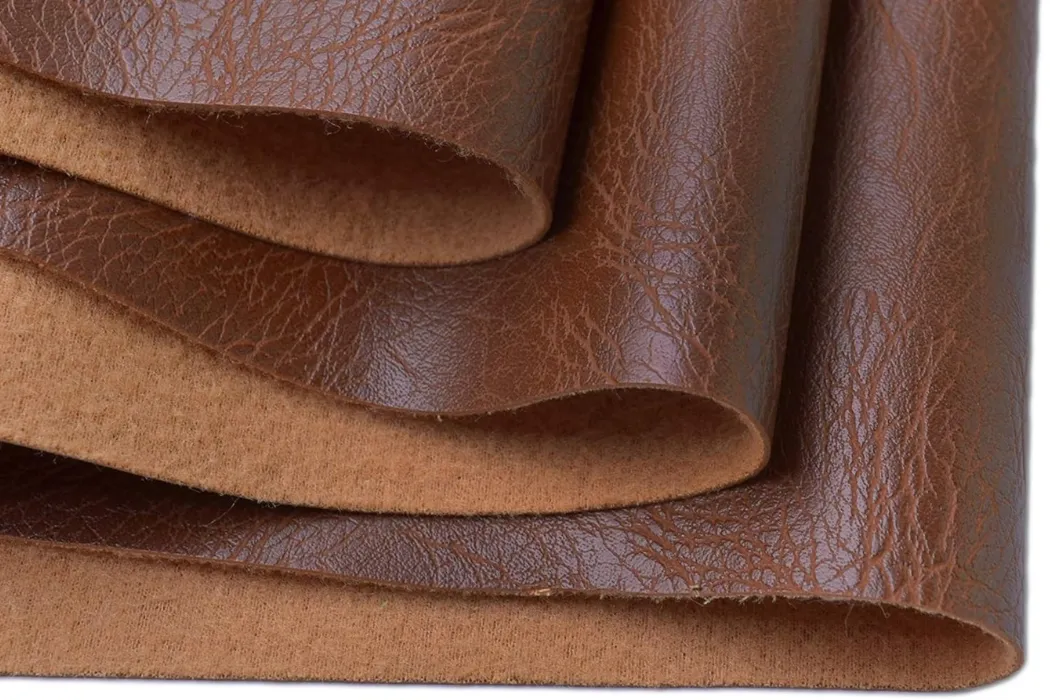
Some faux leathers can be embossed or debossed, but the process must suit the exact coating and backing. A heat press can form an impression on compatible material; a craft debossing tool produces a different, usually shallower result. There is no universal temperature, pressure or dwell time for everything sold as PU or PVC leather. […]
Best Thickness for a Leather Belt: A Sourcing Guide

The best belt thickness is the thickness that fits the intended garment, buckle and construction while giving the required flexibility. A slim dress belt and a substantial casual strap need different samples. Specify the finished thickness in millimetres, including lining and reinforcement, rather than treating leather weight alone as a quality grade. The example dimensions […]
Are Full-Grain Leather Backpacks Worth It? Buyer Guide
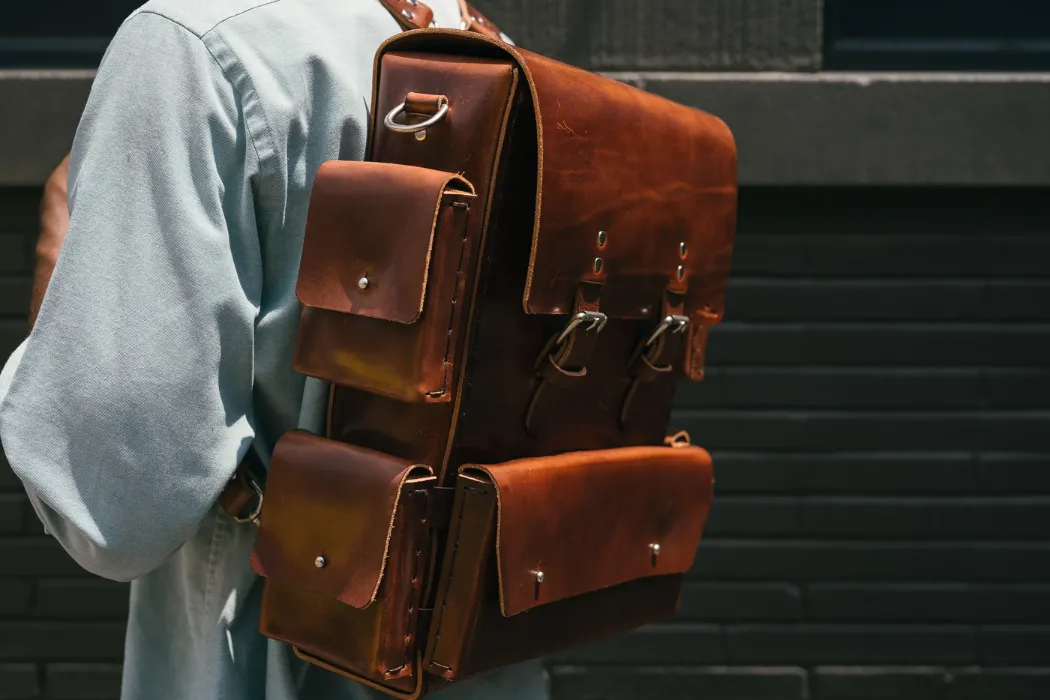
Compare full-grain backpack material, fit, empty weight, construction and sourcing cost, with evidence-based checks for a new collection.
White Handbag Design Directions & Sourcing Guide
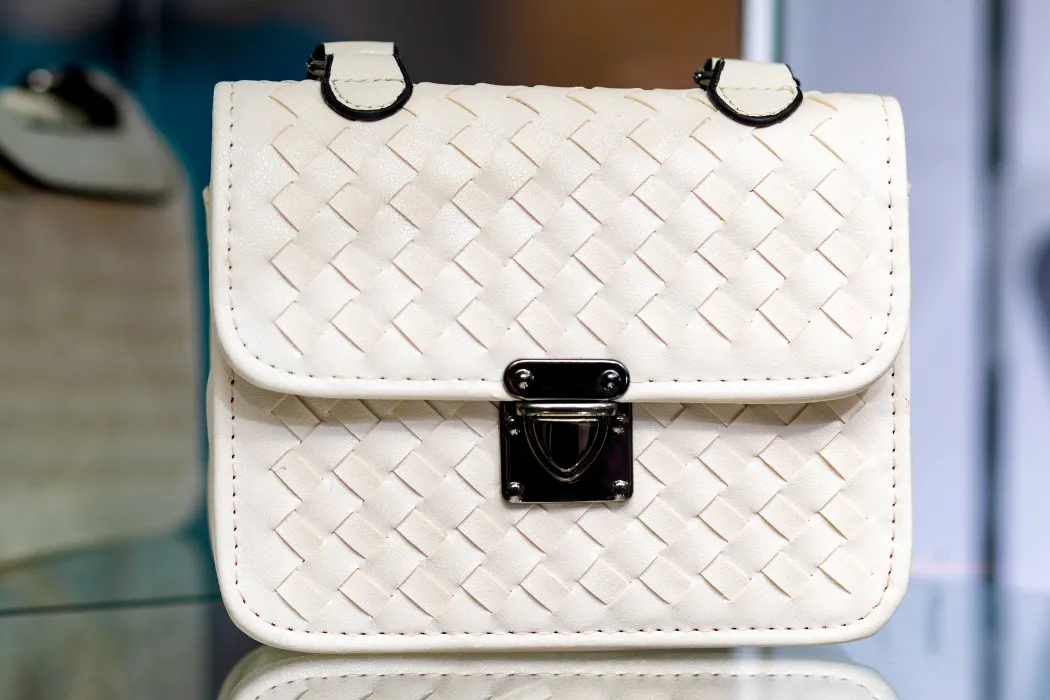
Plan a white handbag collection around silhouette, shade, texture and component compatibility, with sample checks for colour, care and packaging.
15 Tote & Purse Design Directions for Brand Collections
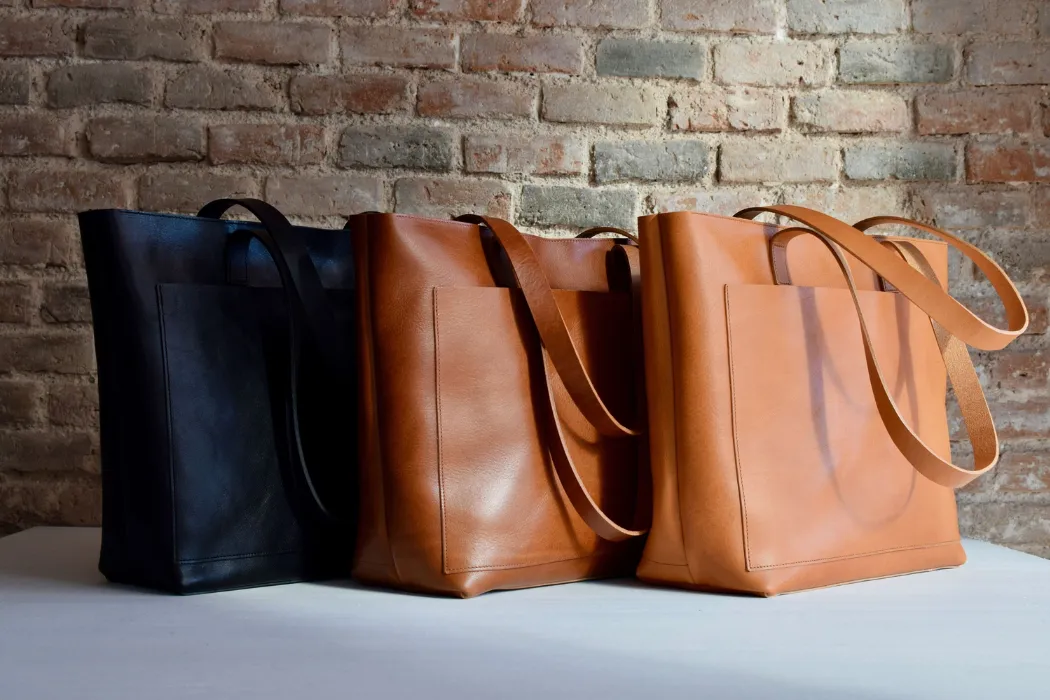
Compare 15 tote and purse directions by capacity, access, materials and sample checks. Build an original collection brief without unsupported popularity claims.
Wallet & Belt Sets: Durability and Quality Checks for Buyers
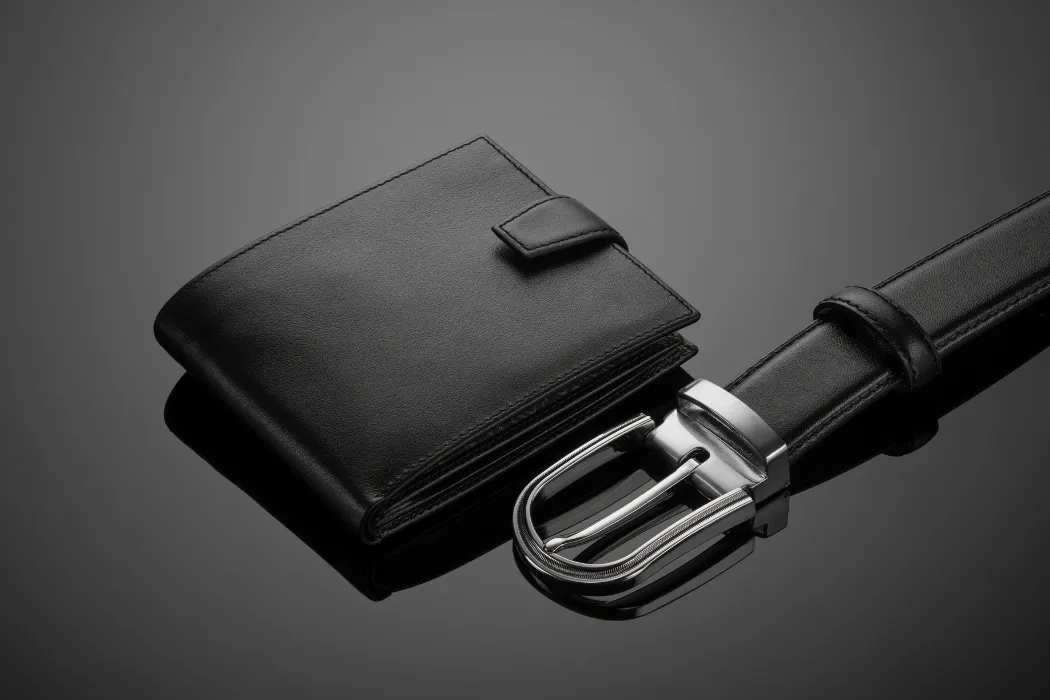
Evaluate wallet and belt sets by materials, construction, hardware and packing. Build separate product specifications and one coordinated approval standard.
Nylon vs. Leather Handbags: A Manufacturer’s Guide to Durability

Choose between nylon and leather handbags by comparing the actual material and finished construction against the intended use. Neither material name establishes a lifespan, waterproof rating or universal abrasion advantage. A useful sourcing brief defines the carrying load, target weight, appearance, exposure and care requirements. The body material, lining, seams, handles, zippers and reinforcement all […]
Mexican Leather Belts: Craft, Origin & Quality Checks
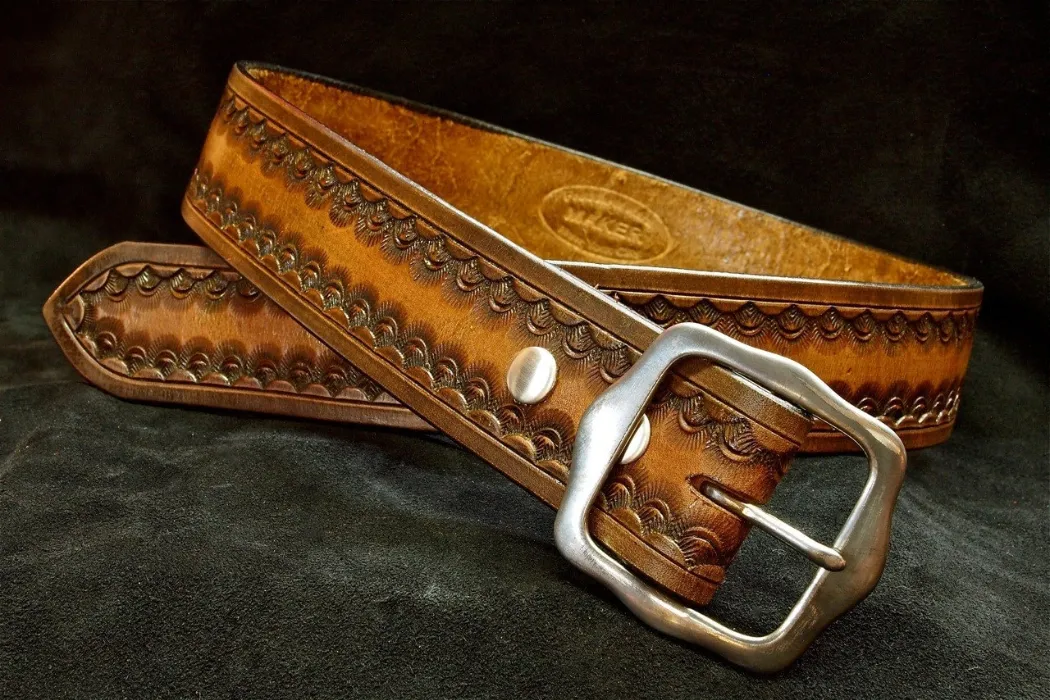
Evaluate Mexican belt origin, tooling and embroidery claims with records and samples. Specify a clearly described Western-style collection for your brand.
Woven vs Leather Bags: Durability & Construction Guide

Compare solid panels, woven leather, natural fibres and synthetic weaves by attachments, use, care and repair instead of unsupported lifespan rankings.
Leather Weight for Wallets: Thickness and Construction Guide
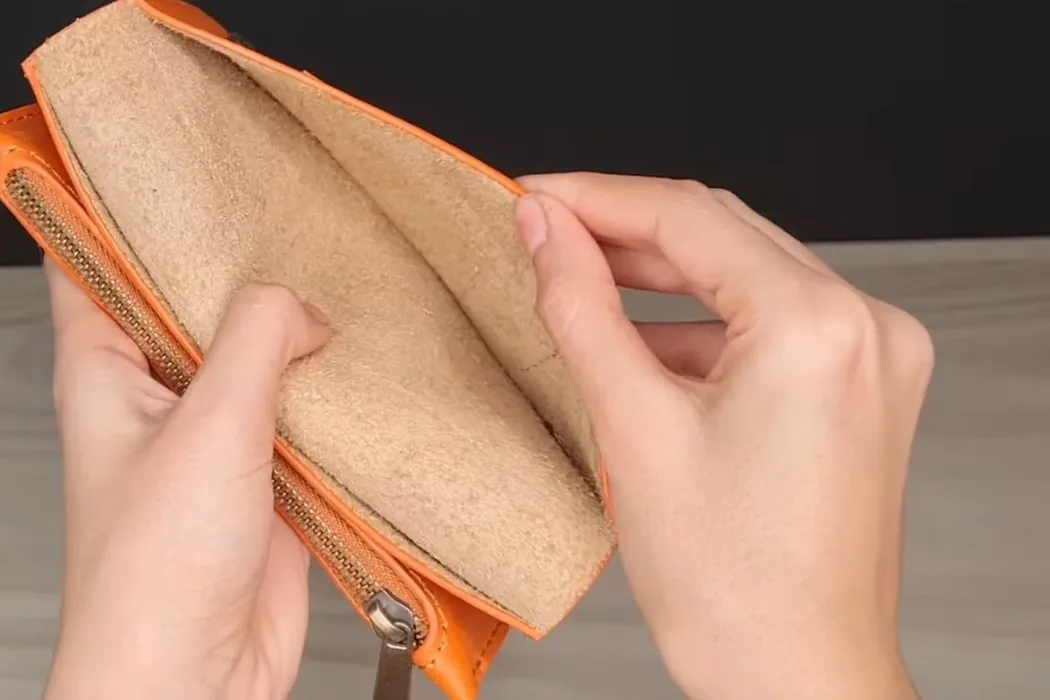
For a wallet prototype, 2–4 oz (approximately 0.8–1.6 mm) leather is a useful range to explore. A 3–4 oz exterior with 2–3 oz pockets is one possible starting point, not a manufacturing standard. Choose the final thickness from the actual leather, pocket pattern, lining and loaded sample; a compact multi-pocket design may need thinner components. […]
What Are the Different Types of Leather Tanning? A Complete Guide
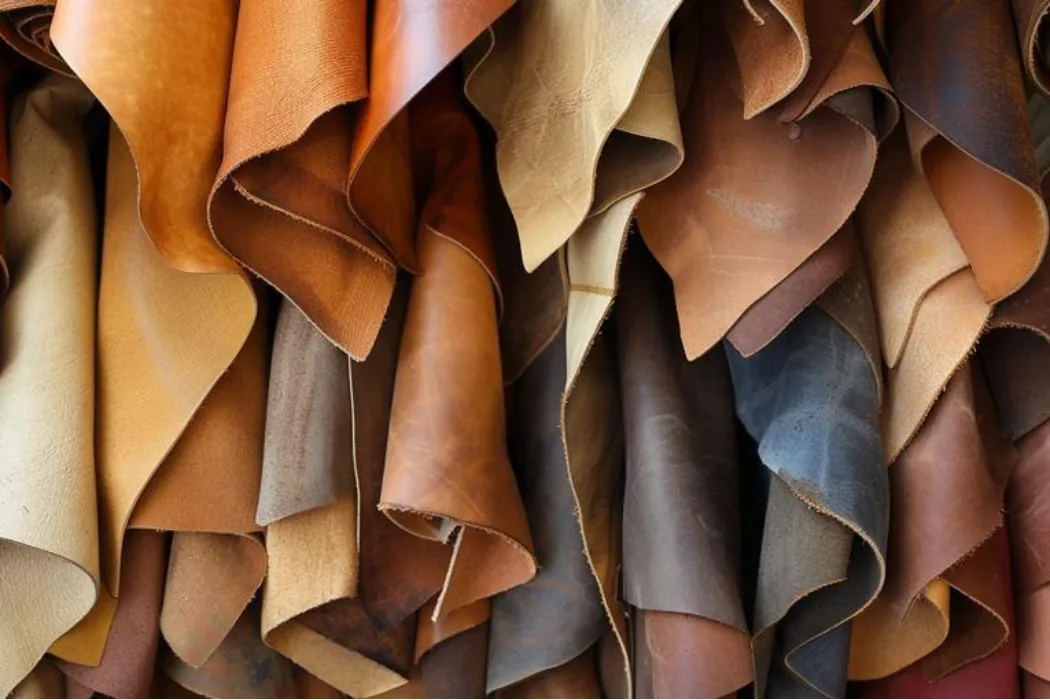
Leather tanning stabilises the collagen in a raw hide so it can become a useful material. Major approaches include vegetable tanning, chrome tanning, combination tanning and chrome-free systems. Their names describe aspects of the process; they do not independently establish a leather’s softness, durability, safety or environmental impact. A firm belt strap and a soft […]
How Belt Buckles Work: Closures, Fit and Replacement
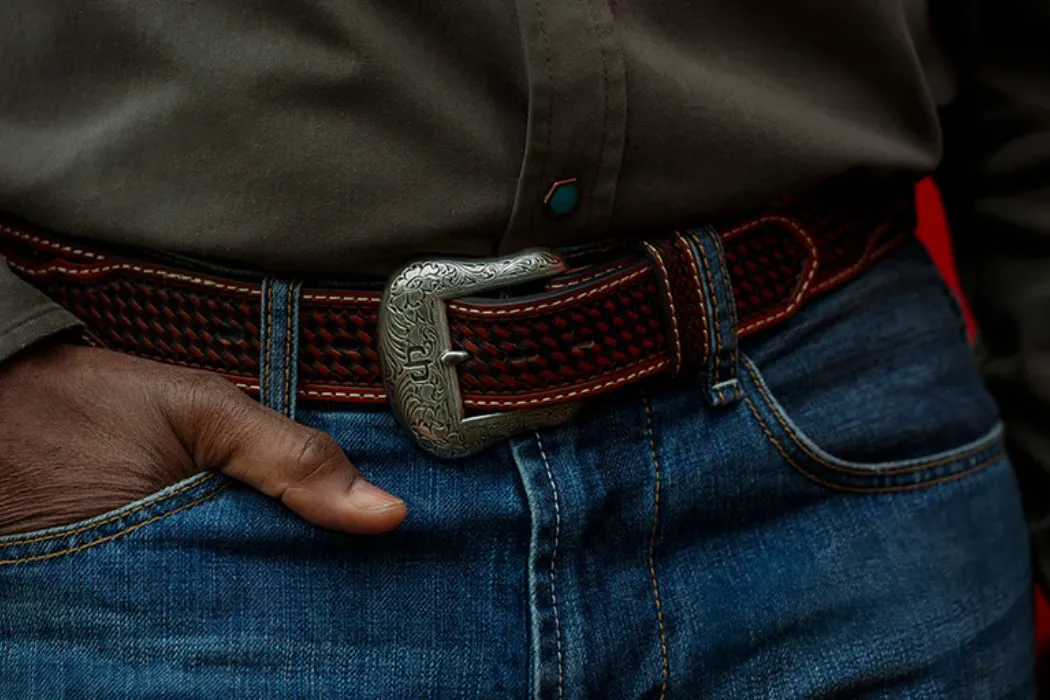
Understand prong, friction, ratchet and magnetic-assisted belt closures. Check strap compatibility, removable attachments and sample operation before sourcing.