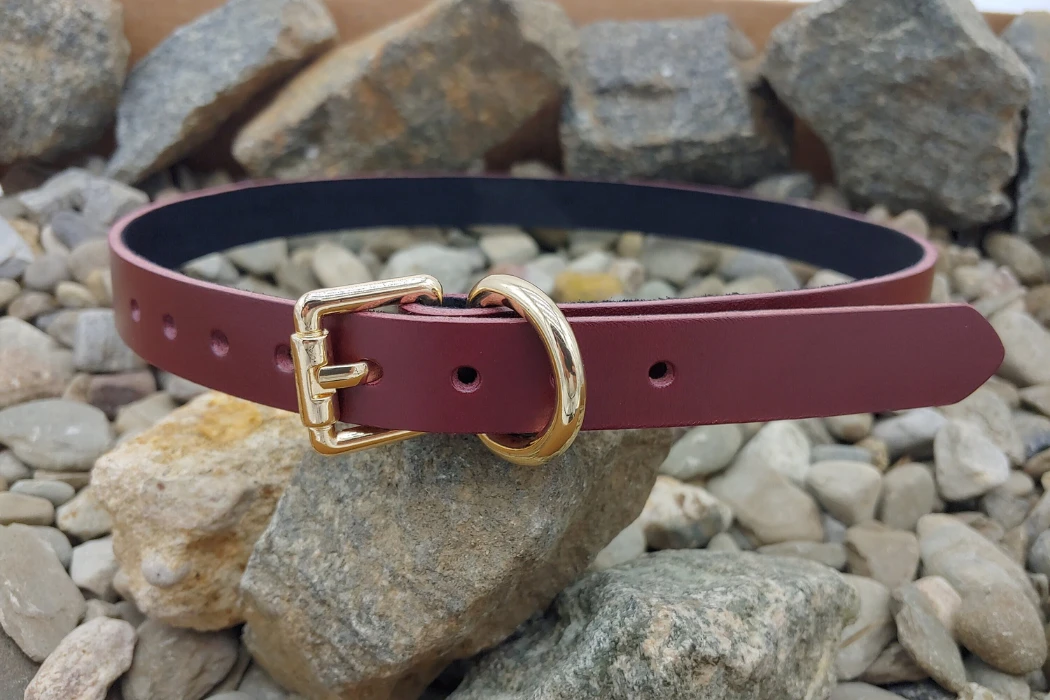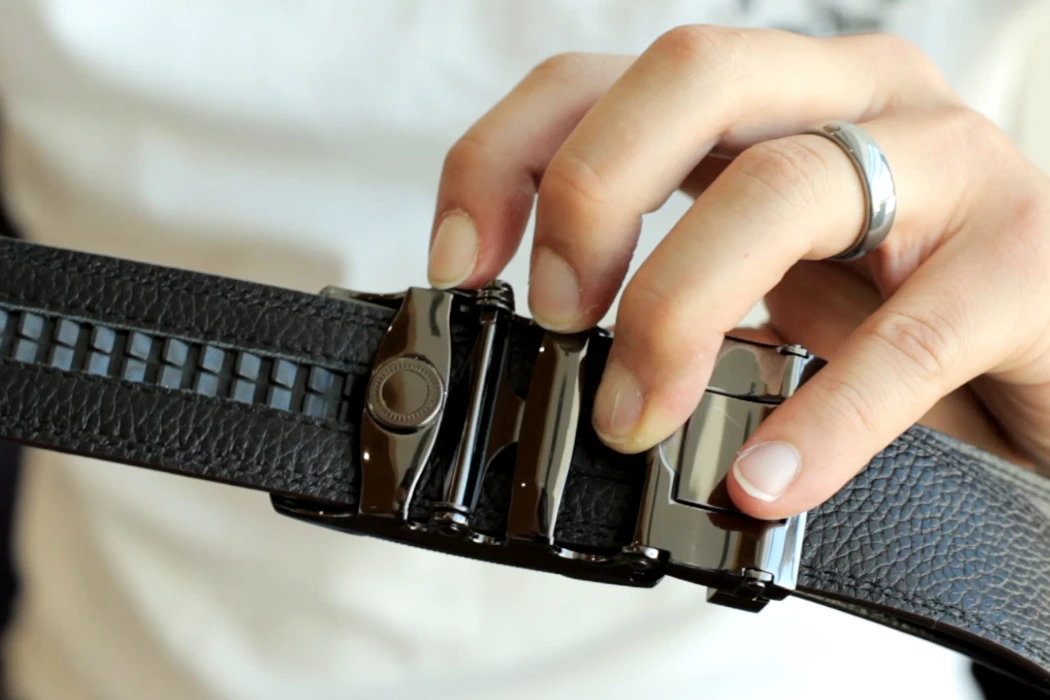
Custom buckle development can include engineering, prototypes, tooling and sample approval before bulk production. Separate those initial charges from the recurring buckle price so a low unit quote does not conceal a larger launch cost.
There is no verified universal mold price for zinc, brass or steel buckles. This guide explains what to request in a quotation and how to compare development routes for the same design. The buckle material and the material used to make the tool are different specifications.
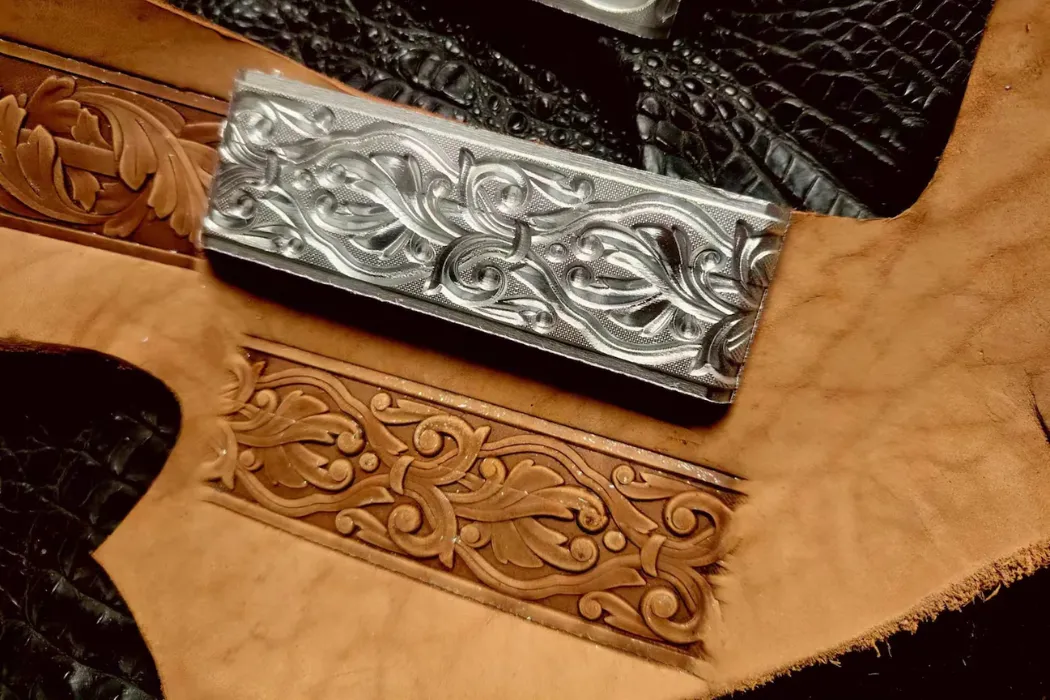
Custom Mold Cost Breakdown by Material
| Proposed route | What the initial charge may include | Questions that affect the total |
|---|---|---|
| Zinc die casting | Die design and manufacture, trial castings, trimming or secondary tooling | Cavity count, parting line, fine details, surface preparation and expected order quantities |
| Brass casting or machining | Pattern/tool development for the selected casting route, or machining setup | Confirm the actual route; a sand mold, reusable pattern and permanent die are not the same deliverable |
| Steel stamping/forming | Blanking and forming dies, fixtures and trials | Number of forming operations, edge treatment, attachments and finish |
Compare scope before comparing price
Ask each supplier to identify the process proposed for the approved drawing. A zinc-alloy buckle is commonly cast using steel tooling; “zinc mold” should not be taken to mean that the mold itself is made from zinc. A brass buckle likewise does not imply brass tooling.
Quotes must identify what is delivered: a prototype, a production tool, a reusable pattern, accepted first samples or some combination. Record exclusions such as polishing, plating, revisions, testing and shipping. Avoid rating a process with an invented score or assigning a fixed cheapest-to-most-expensive order to different designs.
What is an NRE (Non-Recurring Engineering) Fee?
NRE separates initial engineering and development charges from recurring production cost. The quotation should state exactly what is included rather than assuming every supplier uses the term identically.
Define the deliverables
- Drawing review and any design-for-manufacture work.
- Prototype quantity, material, finish and intended approval purpose.
- The identified production tool, pattern, fixture or programming work.
- First-sample trials, inspection records and the agreed revision allowance.
Testing, product compliance review or additional samples may be separate charges. A setup fee does not automatically include every destination requirement or confer a product certification.
Record payment and change terms
Specify payment milestones and what evidence permits each stage to proceed. Define how a design change affects charges and schedule. An initial charge may be one-time for an unchanged design, but future repair, modification or replacement is a separate commercial question.
Ownership of the physical tool and rights in drawings or designs should be addressed independently. Payment alone is not a substitute for a written ownership and permitted-use agreement.
CNC Prototyping: No Mold Fee?
CNC machining can produce a prototype directly from stock material without making a casting mold. It can still involve design preparation, programming, fixtures, machining and finishing costs.
Choose what the prototype must prove
A machined sample can help review size, shape, logo placement and fit with the strap. Confirm whether its material, surface and construction represent the intended production buckle. A machined prototype does not automatically validate a later casting process or production coating.
- Supply the drawing or CAD model, material, finish, quantity and dimensions that need measurement.
- Identify geometry that is difficult to machine and ask whether an alternative sample process is more appropriate.
- Separate sample charges from later production-tooling charges.
- State which approvals remain open until production-process samples are available.
There is no universal break-even quantity or prototype price band. Compare the actual setup and unit quotes for the forecast, and account for any second round of sampling after tooling.
Elevate Your Brand with Premium Leather Belts
Mold Ownership: Do You Own the Tooling?
Physical tooling ownership, intellectual-property rights and the supplier’s permission to use the design are distinct matters. Record them in the agreement before development begins.
Identify the asset and permitted use
- Describe the tool, pattern and any replaceable inserts, with an identifier and storage location.
- State who owns each asset, when title transfers and any outstanding payment conditions.
- Agree permitted production use, confidentiality and whether third-party production is prohibited.
- Specify access, storage, maintenance, repair and eventual disposal responsibilities.
Plan a possible transfer
Document the release process, shipping cost, necessary technical files and compatibility information. A tool may need adaptation or trials at another factory; ownership does not guarantee a cost-free or interruption-free transfer.
As WIPO explains, an IP assignment transfers rights while a license grants specified permission to use them. A tooling invoice should not be treated as automatically transferring every design or patent right. Have the relevant commercial terms reviewed for the actual parties and jurisdiction.
Lead Times: Mold Opening to Sample
Request a hardware development schedule for the specific drawing and process. Connect its approval milestones to the finished belt schedule rather than assigning a fixed number of weeks to every mold.
| Milestone | What to approve |
|---|---|
| Design review | Drawing, material, critical dimensions and process feasibility |
| Tooling release | Quote, ownership terms and approved design revision |
| First hardware samples | Dimensions, surface, fastening and strap compatibility |
| Finish approval | Color, coating system and any agreed performance results |
| Finished belt sample | The actual hardware assembled with the selected strap |
Hoplok belt sampling takes 2–3 weeks and bulk production takes 60–90 days. New hardware development must be scheduled explicitly; confirm how it relates to the belt-sample start date and production release.
Changes to logo detail, geometry, mechanism or finish can require another approval. Record the responsible approver and response deadline for each stage to avoid treating unapproved samples as production-ready.
Zinc Die-Casting Tooling: What Drives the Quote?
For a proposed zinc die-cast buckle, ask the supplier to quote the production tool against the approved drawing, alloy and quantity forecast. The quote should identify cavities, movable features, inserts and any secondary trimming or machining required.
The International Zinc Association’s tooling guidance describes pressure-die-casting tools as precision-machined tool-steel systems. Their geometry and engineering scope matter; the buckle alloy alone cannot establish the tool price.
- Review the proposed parting line, gate and ejector locations for visible faces.
- Confirm how small lettering and recessed areas will be finished.
- Ask how tool acceptance, repairs and design revisions are priced.
- Compare the recurring casting, polishing, coating and assembly price separately.
Use a quote-validity date and the same drawing revision for all comparisons. Do not budget from an unrelated small-part tooling example without matching its scope.
Brass Buckle Tooling: Confirm the Casting or Machining Route
A brass buckle may be produced by different casting or machining routes. Ask the supplier which route is proposed and why it suits the geometry, surface expectations and order quantity.
Clarify what “mold” means
If sand casting is proposed, distinguish the reusable pattern or other setup assets from the expendable sand mold used in casting. If another process is proposed, request its specific tooling description. Do not compare unlike deliverables under one “brass mold” fee.
- Specify the brass grade, buckle dimensions and approved appearance.
- Include machining, polishing, attachment assembly and coating where needed.
- Confirm the expected dimensional and cosmetic results on actual samples.
- Document any material or process difference between prototype and bulk parts.
A natural brass look and a brass-colored coating are also different specifications. Confirm the base metal and finish together before comparing cost.
Steel Stamping Dies: Compare Tooling and Finishing Costs
Stamping or forming may suit a buckle design that can be made from sheet metal. The die quote depends on the shape, forming stages, material and required finish. A generic industrial progressive-die price range is not a quotation for a fashion buckle.
- Identify the steel grade and sheet thickness, and assess edges that contact the strap or wearer.
- Ask which blanking, forming, joining and finishing operations are included.
- Review how bends, holes and fastening features will be measured.
- Agree the production volume assumptions and responsibility for wear parts or die maintenance.
Compare the complete finished buckle cost. A fast forming operation may still require substantial deburring, polishing or assembly. Expected tool life should be stated in the proposal with its conditions, not presented as an unconditional millions-of-parts guarantee.
Final Thoughts
A useful tooling comparison identifies the same design, what each initial charge delivers and the recurring cost of an accepted finished buckle. Include revisions, finishing and testing so the expected program cost is visible.
Send Hoplok the buckle drawing, intended strap, finish, quantity and launch date. Agree a sampling route and written tooling terms before committing to development.
Frequently Asked Questions
How much does a custom buckle mold cost?
Request a design-specific quote. Process, geometry, cavities, sample scope and secondary tooling determine the price; this article does not provide an unverified universal range.
What is the typical price for zinc die casting tooling?
The alloy name is insufficient. Obtain a quotation against the drawing and forecast with the tool description, accepted samples and exclusions stated.
What is the minimum order for custom metal hardware?
Confirm the hardware quantity and tooling terms in the specific quotation. Hoplok finished-belt MOQ is 300 leather belts or 1,000 PU belts; these are not a standalone hardware MOQ.
Do I own the mold if I pay for it?
Ownership and transfer conditions need a written agreement. Address the physical tool separately from design files and intellectual-property rights.
Which is more cost-effective: CNC machining or molding?
Compare actual development and per-unit quotes for an appropriate process. CNC may avoid a production mold, but setup and sample finishing still have costs; the break-even quantity depends on the design.
What is the lead time for custom hardware tooling?
Confirm a project-specific schedule covering design approval, tool manufacture, first samples, finish approval and revisions, then connect it to the finished-belt plan.