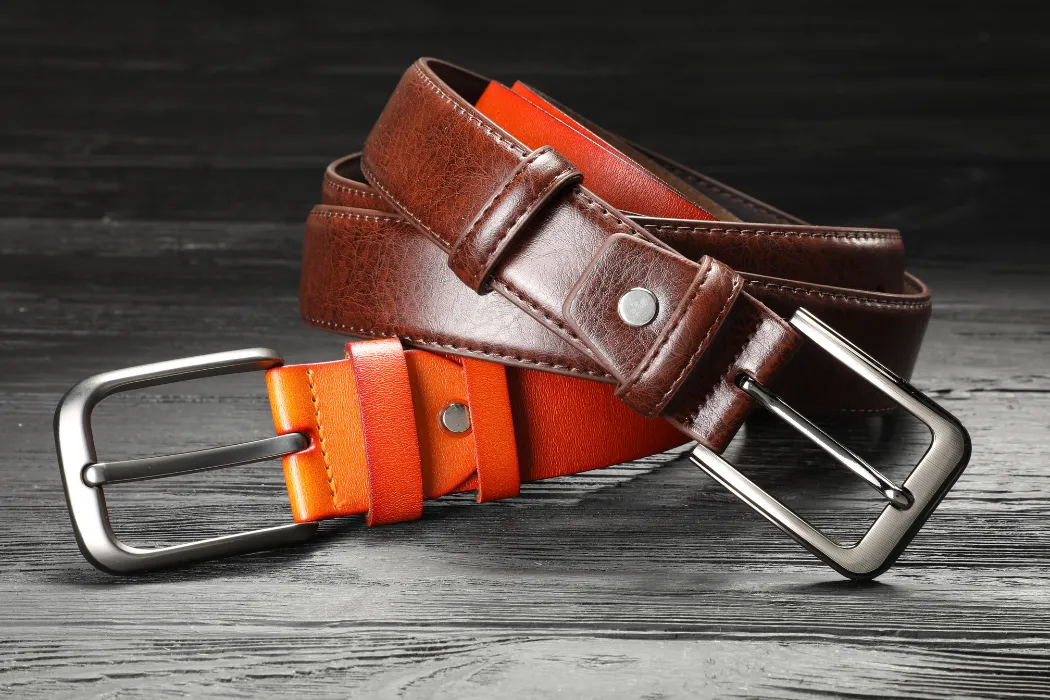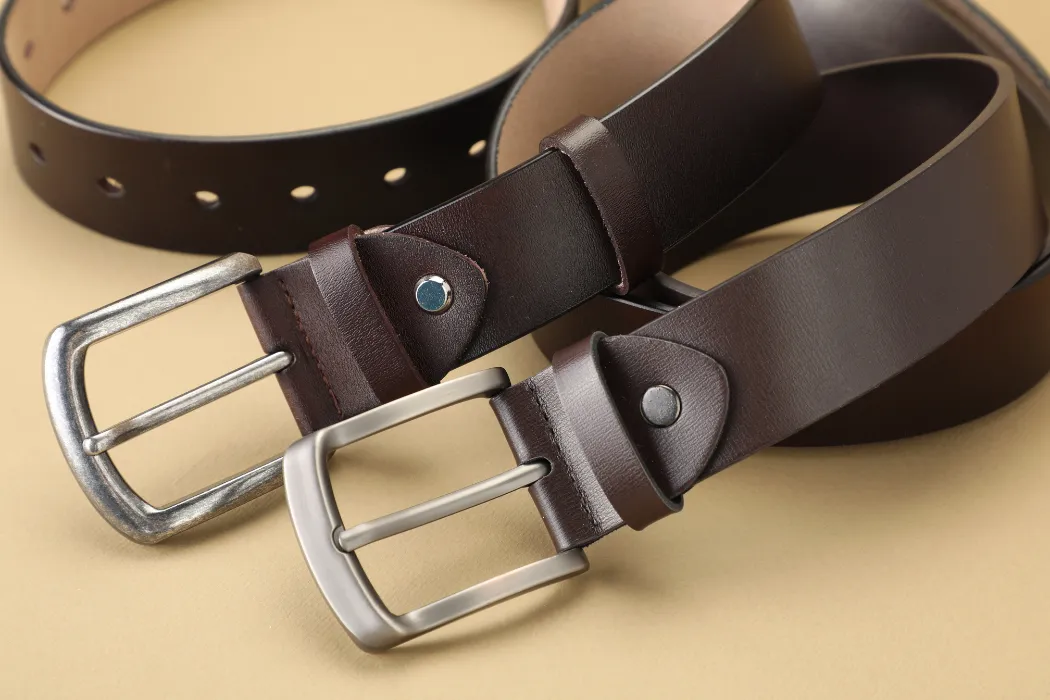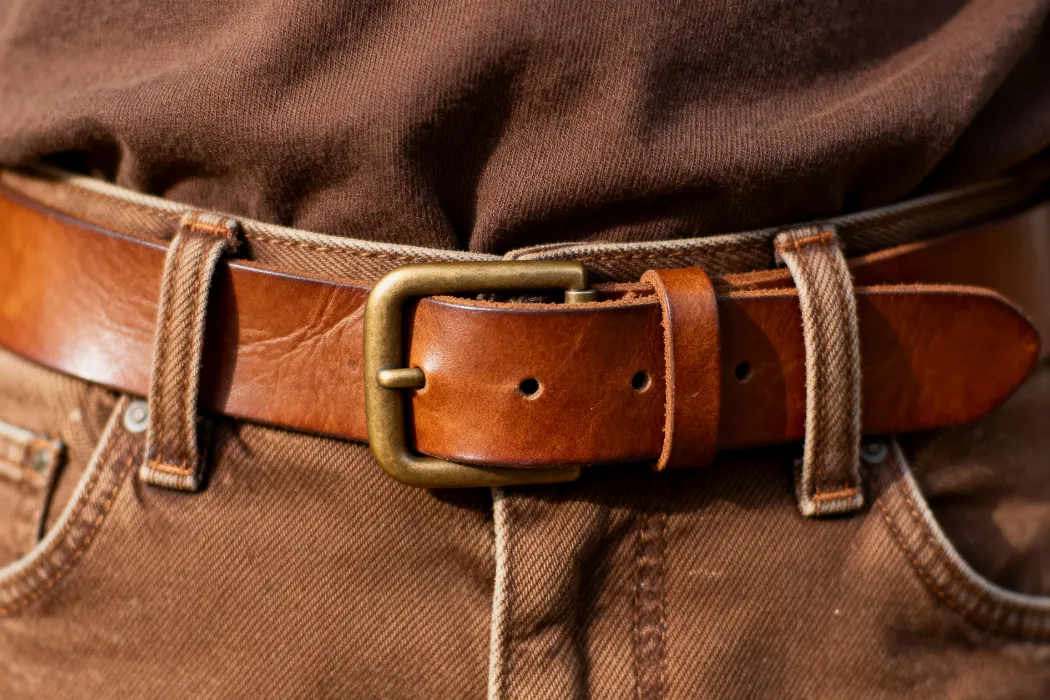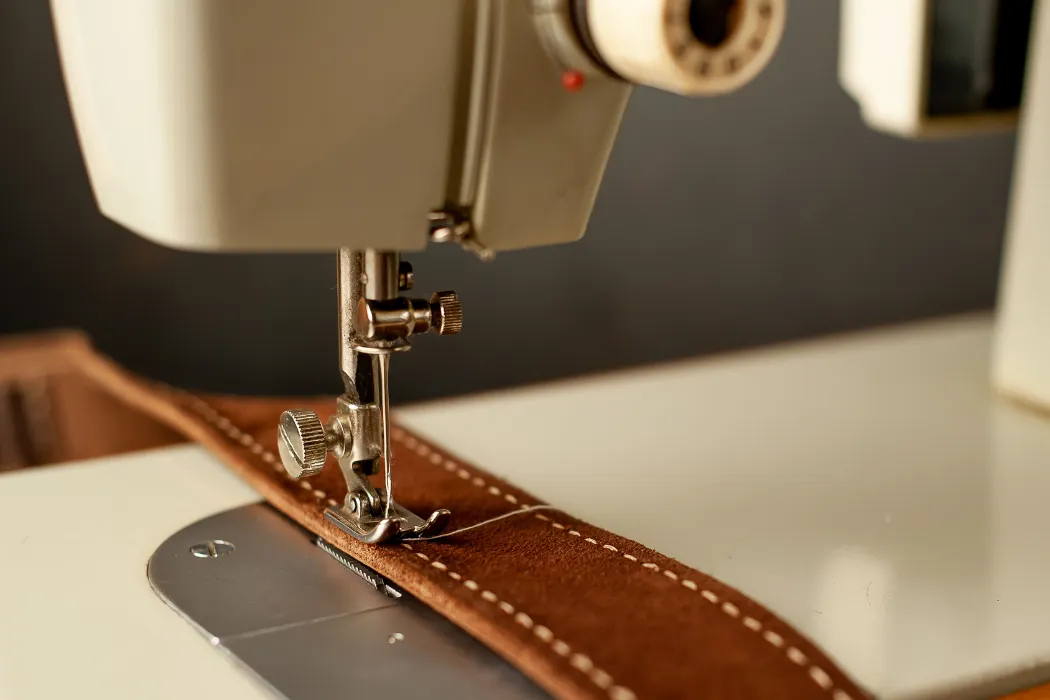
When a brand designs a custom leather belt, the factory needs specific metal tools and molds to make it real. These molds stamp the leather, cast the buckles, and cut the precise shapes. But a common problem arises during production. Brands often wonder who actually owns these expensive tools after the bill is paid.
In OEM manufacturing, mold ownership depends entirely on the contract you sign before production begins. If a brand pays the full custom mold fee, the brand typically owns that mold. So, the factory cannot legally use it for other clients. But if the factory shares the cost or uses an existing open mold, the factory retains ownership.
Misunderstanding this rule causes massive delays and legal headaches for global buyers. It also puts unique hardware designs at risk of being copied. Next, we will break down exactly how these molds work, what they cost, and how you can lock down your intellectual property before placing a bulk order.
What Are the Different Types of Molds Used in Belt Manufacturing?
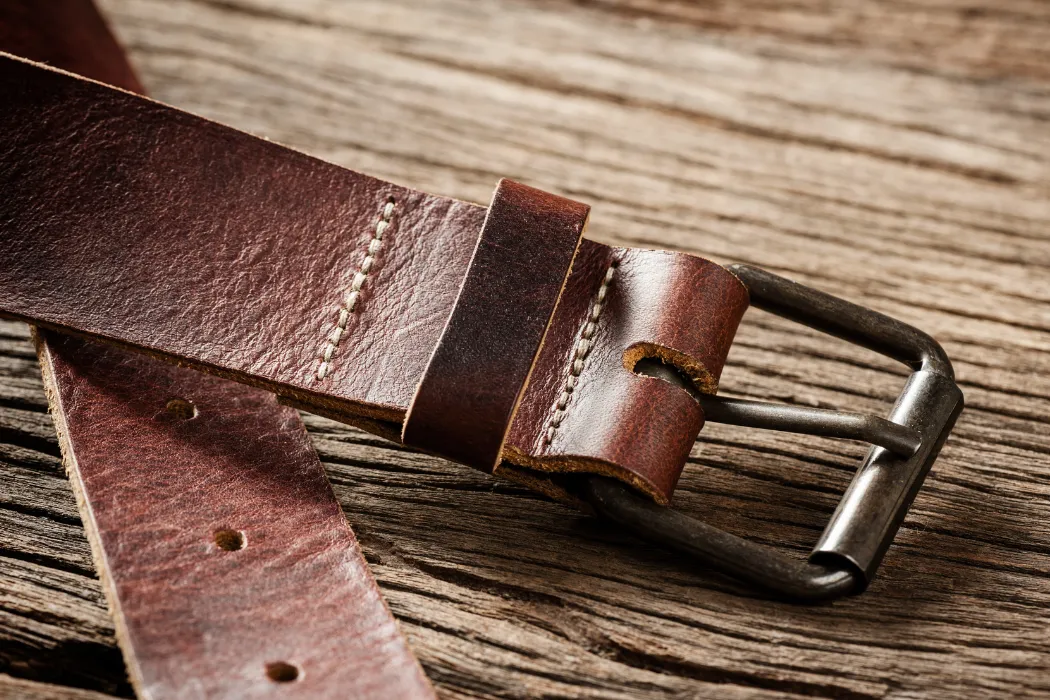
Belt manufacturing relies on three main types of molds to turn raw materials into finished products. Factories use buckle casting molds to shape molten metal into custom hardware. They use embossing plates to stamp textures into the leather strap. Finally, they use cutting dies to punch out precise holes and strap shapes. Each tool serves a specific purpose and requires different materials to withstand heavy production.
Buckle Casting Molds
Custom hardware requires heavy-duty molds to handle molten metal.
- Factories mostly make these molds from steel to cast zinc alloy or brass buckles.
- Creating a new buckle mold usually takes 15 to 20 days because technicians must CNC mill the exact 3D design.
- A standard zinc alloy mold typically costs between $150 and $400, depending on the design complexity.
Buyers choose zinc alloy for standard belts because it balances durability with affordable mold costs.
Leather Embossing Plates
Brands use embossing plates to press logos or textures into the leather surface.
- Technicians craft these flat molds from solid brass or steel to withstand immense physical pressure.
- Factories heat the plate to around 100°C to 150°C to burnish the logo permanently into genuine leather.
- Small logo plates are very cheap, often costing only $30 to $50.
So, adding a custom logo to a strap is the most budget-friendly customization option for new brands.
Cutting Dies
Cutting dies act like heavy-duty cookie cutters for thick leather hides.
- Toolmakers bend sharp steel blades into the exact shape of the belt tip or buckle slot.
- Factories use a hydraulic press to push the die through leather up to 4mm thick.
- These molds are very inexpensive, usually costing under $20 per shape.
Factories treat cutting dies as standard consumable tools because they eventually go dull after thousands of cuts.
Who Actually Owns the Custom Tooling in an OEM Agreement?
The ownership of a custom belt mold depends entirely on who pays for it. If you pay the full tooling fee, you own the mold. If the factory covers the cost, they own it.
The “Paid by Buyer” Standard
Paying the full development fee guarantees complete ownership of the tool.
- Factories charge a 100% upfront mold fee before starting any CNC milling.
- The brand holds the exclusive right to use, move, or destroy the tool at any time.
- Factories cannot use this specific mold for any other client without written permission.
This model provides the highest level of intellectual property protection for global fashion brands.
Sometimes, factories agree to split the initial development costs with the buyer.
- The factory might cover 50% of the mold fee if the brand promises a large bulk order.
- Because the factory invested money, they technically co-own the physical hardware.
- Brands usually negotiate an exclusivity period, like 12 to 18 months, where the factory cannot sell the design.
Shared agreements lower initial costs but complicate long-term ownership if the partnership ends.
Factory-Owned Open Molds
Many manufacturers offer a catalog of existing, pre-made molds for clients to use for free.
- The factory owns these open molds completely and allows any client to use them.
- Brands save anywhere from $150 to $400 per style by avoiding new mold fees.
- Production speed increases because the 15-day mold creation phase is skipped completely.
Open molds are perfect for basic buckles, but they offer zero exclusivity in the market.
| Ownership Model | Who Pays? | Exclusivity Level | Best Use Case |
|---|---|---|---|
| Paid by Buyer | Brand pays 100% | Total Exclusivity | Custom signature hardware and luxury brands. |
| Shared Cost | Cost is split (e.g., 50/50) | Temporary (e.g., 12 months) | Large orders with tight development budgets. |
| Open Mold | Factory pays 100% | No Exclusivity | Basic components and fast delivery timelines. |
How Can Brands Protect Their Custom Mold Designs?
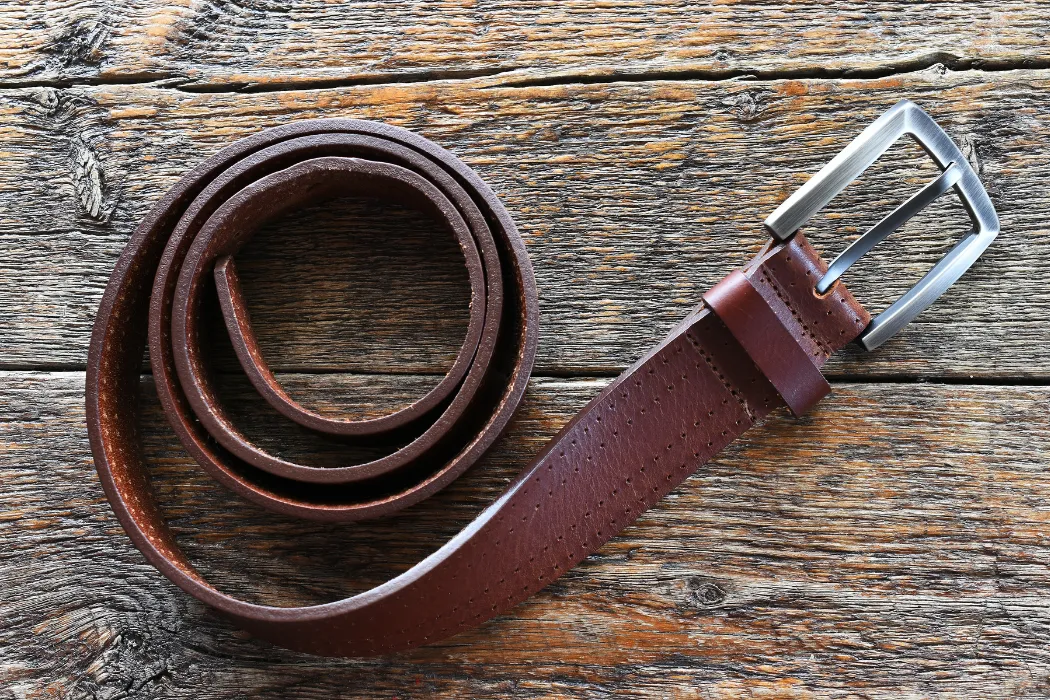
After paying for a custom mold, you must protect your intellectual property. A factory might reuse your design for another client if you do not set clear legal boundaries. Here are three effective strategies to lock down your custom hardware.
Signing Non-Disclosure, Non-Use Agreements (NNN)
A standard NDA only stops a factory from sharing your secrets, but an NNN goes much further.
- An NNN legally prevents the factory from using your mold to produce belts for their own profit.
- It explicitly states that the factory cannot bypass you to sell directly to your customers.
- You should draft this document under the local jurisdiction of the manufacturing country for a faster legal response.
Signing an NNN agreement before sharing any 3D files guarantees complete legal control over your hardware design.
Physical Mold Retrieval Clauses
Your contract must clearly state what happens to the physical mold if you decide to change suppliers.
- A retrieval clause forces the factory to box up and ship the heavy steel molds directly to your new partner.
- You must clearly define who pays the freight shipping costs for these heavy metal tools.
- The factory must agree to surrender the molds within a specific timeframe, usually 15 to 30 days.
A solid retrieval clause prevents a factory from holding your expensive tooling hostage during a dispute.
Adding Unique Identification Marks
Sometimes, legal documents are not enough to stop counterfeits in the fast-paced global market.
- Engineers can CNC mill a hidden brand logo or serial number directly onto the back of the buckle.
- This small detail costs nothing extra during the initial 15-day molding phase.
- If another brand tries to use your mold, your hidden logo will permanently brand their fake hardware.
Stamping a hidden identifier into the metal is the smartest physical security measure against unauthorized production.
What Are the Typical Costs and Lifespans of Belt Molds?
Understanding mold costs helps brands budget properly for initial production. Different materials dramatically change both the upfront price and how long the mold survives on the factory floor.
Zinc Alloy Buckle Molds
Zinc alloy is the standard material for mass-market fashion belts.
- A typical zinc buckle mold costs between $150 and $400 to develop.
- These molds easily survive 50,000 to 100,000 injection cycles before wearing out.
- The metal cools very fast, so factories can cast hundreds of buckles every hour.
Because of this, zinc remains the most cost-effective choice for large bulk orders.
Brass Buckle Molds
Luxury brands almost always prefer solid brass for premium buckles.
- Milling a solid brass mold is harder and costs between $300 and $600.
- But these tough molds last much longer, often exceeding 150,000 production strikes.
- Brass creates a heavier buckle that feels instantly expensive to the final customer.
So, brass costs more upfront but easily justifies the investment for high-end retail.
Steel Embossing Plates
Steel plates press detailed logos firmly into genuine leather straps.
- A small steel logo plate is very cheap, usually costing just $30 to $80.
- Steel resists intense heat, so the mold survives 500,000 presses without warping.
- You rarely need to replace a logo plate unless you completely redesign your branding.
Therefore, steel embossing plates offer the absolute best return on investment for branding.
| Mold Type | Average Cost | Expected Lifespan | Best Application |
|---|---|---|---|
| Zinc Alloy Buckle | $150 – $400 | 50,000 – 100,000 strikes | Fashion belts and fast retail. |
| Solid Brass Buckle | $300 – $600 | 150,000+ strikes | Luxury and high-end boutique belts. |
| Steel Embossing Plate | $30 – $80 | 500,000+ presses | Logo stamping on genuine leather. |
How Should You Handle Mold Maintenance and Replacement?
Proper maintenance extends the life of your custom molds. Factories follow strict routines to keep these heavy tools sharp and clean. But you must agree on maintenance rules before signing the final contract.
Routine Cleaning and Storage Procedures
Factories must clean molds after every single production run.
- Workers use ultrasonic cleaners to remove tiny metal scraps and dust from the buckle cavities.
- They coat the heavy steel molds with anti-rust oil to stop dangerous corrosion.
- Molds sit safely in climate-controlled rooms kept below 60% humidity to prevent oxidation.
Good storage habits stop rust and ensure your next batch of belts looks perfect.
Defining Wear and Tear Responsibilities
Every contract must clearly define who pays when a mold naturally breaks down.
- Most standard contracts state that factories cover basic maintenance and polishing costs during the first year.
- If a zinc mold breaks before hitting 50,000 strikes, the factory usually replaces it for free.
- But if the mold dies after its normal lifespan, the buyer pays $150 to $400 for a replacement.
Clear wear and tear clauses prevent surprise replacement bills during major production runs.
End-of-Life Mold Destruction
You must destroy old molds to prevent unauthorized copies of your signature hardware.
- You should demand a recorded video of the technicians cutting your steel mold in half.
- Factories melt down old zinc and brass molds to recycle the raw metals safely.
- This physical destruction process usually takes less than 48 hours after you give the final order.
Destroying retired molds is the final necessary step in protecting your brand identity.
Frequently Asked Questions
Here are the most common questions brands ask about managing their custom belt molds.
Can a factory refuse to return my mold?
Yes. If your contract lacks a specific retrieval clause, local laws often let the factory keep the tool because they physically made it. Always sign a retrieval agreement early.
Do I have to pay for mold maintenance?
Usually, the factory covers daily maintenance. But if a mold rusts because you did not place an order for over two years, you might have to pay a restoration fee.
How long does it take to make a custom buckle mold?
CNC milling and testing a new hardware mold usually takes 15 to 20 days. Complex 3D shapes might take a few extra days for fine polishing.
What happens to my molds if I change suppliers?
If you signed a retrieval clause, your old factory must box up and ship the heavy steel tools to your new supplier. You will usually pay the heavy freight costs.
Is it cheaper to use open molds instead of custom ones?
Yes. Open molds save you $150 to $400 upfront because the factory already owns them. But you lose all exclusivity, so anyone else can sell the exact same buckle.
Should I trademark my custom buckle design?
Yes. Registering a design patent or trademark gives you legal power to sue anyone who copies your unique hardware shape. It acts as a safety net alongside your factory NNN agreement.
Conclusion
Controlling your custom belt molds secures your intellectual property and saves you money. You need to choose the right metal, define ownership upfront, and enforce strict retrieval rules. But managing this mechanical process overseas is hard without a trusted partner. For brands looking for complete transparency, Hoplok Leather offers fully managed OEM manufacturing. With over 22 years of experience, Hoplok Leather builds, protects, and maintains your custom molds while producing premium belts in their certified Cambodian and Chinese factories. Reach out to Hoplok Leather today to start developing your custom hardware.