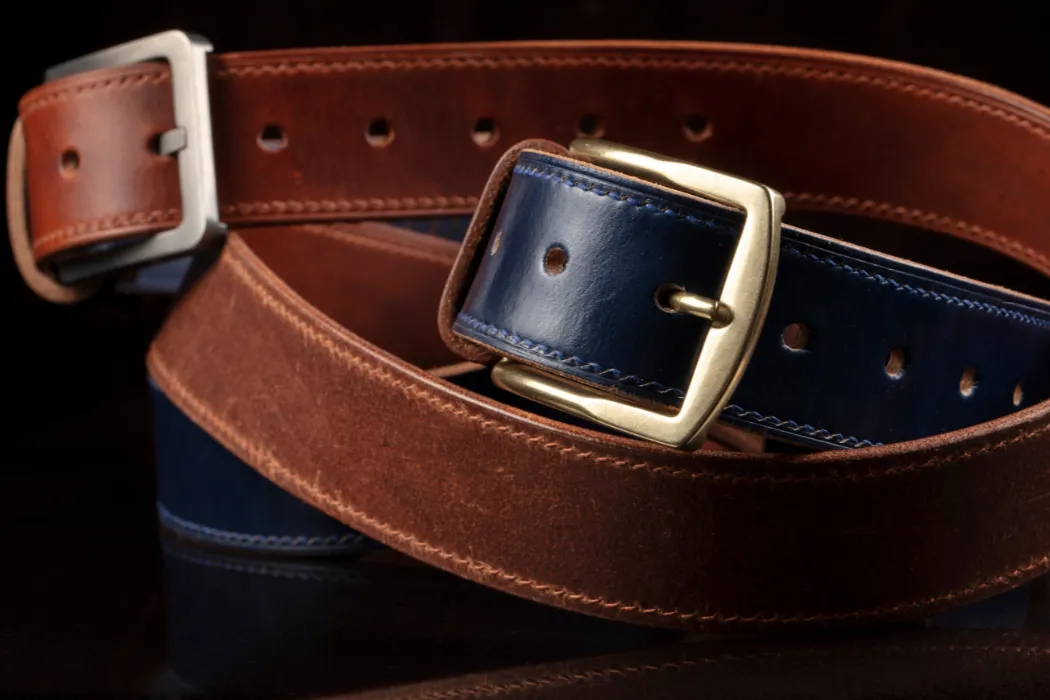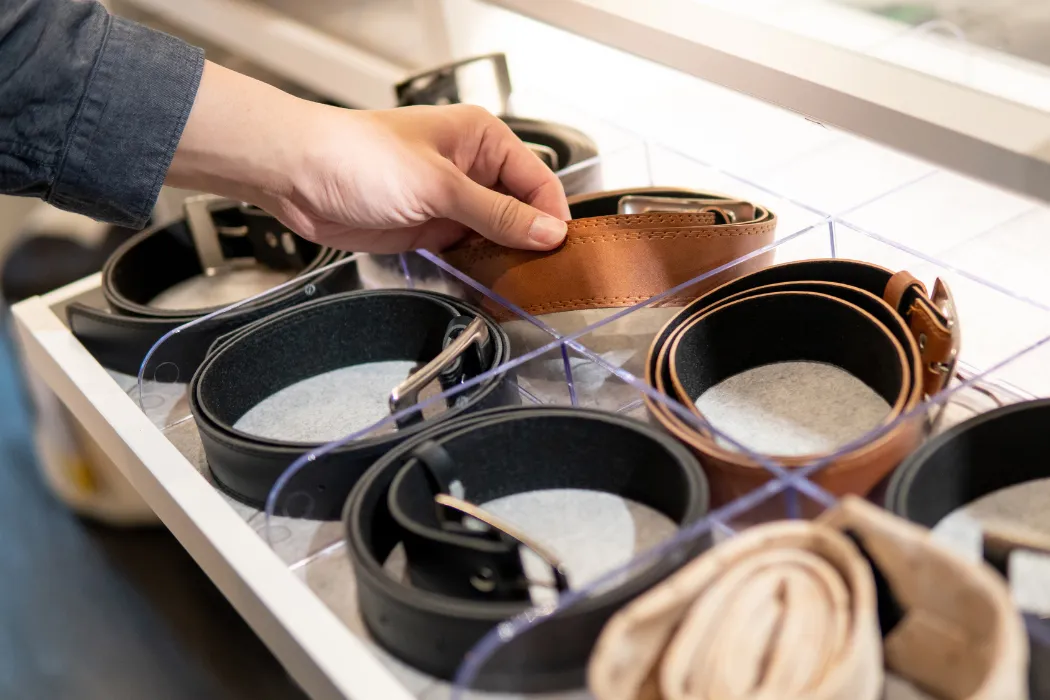
Leather tanning is the chemical process that converts perishable raw hides into durable material. The main tanning types include: 1. Vegetable-Tan (Veg-Tan), which uses natural tannins to create firm, strong leather; 2. Chrome-Tan (Chromium), a fast, chemical process that creates soft, pliable leather; 3. Combination-Tan; and 4. Chrome-Free (like Aldehyde), which are often eco-friendly alternatives.
Why is one leather jacket buttery soft, while another leather belt is stiff enough to last a lifetime? Why is one leather safe for a baby’s shoe, while another is under strict environmental scrutiny? The answer lies in tanning—the transformative process that gives leather its soul.
This guide will go beyond the basics. We will explore the science, cost, and crucial differences of each method. We will explain why choosing the right tanning process is the most critical decision for your product’s performance, feel, and sustainability.
What is a Tannery and Why is Tanning Necessary?
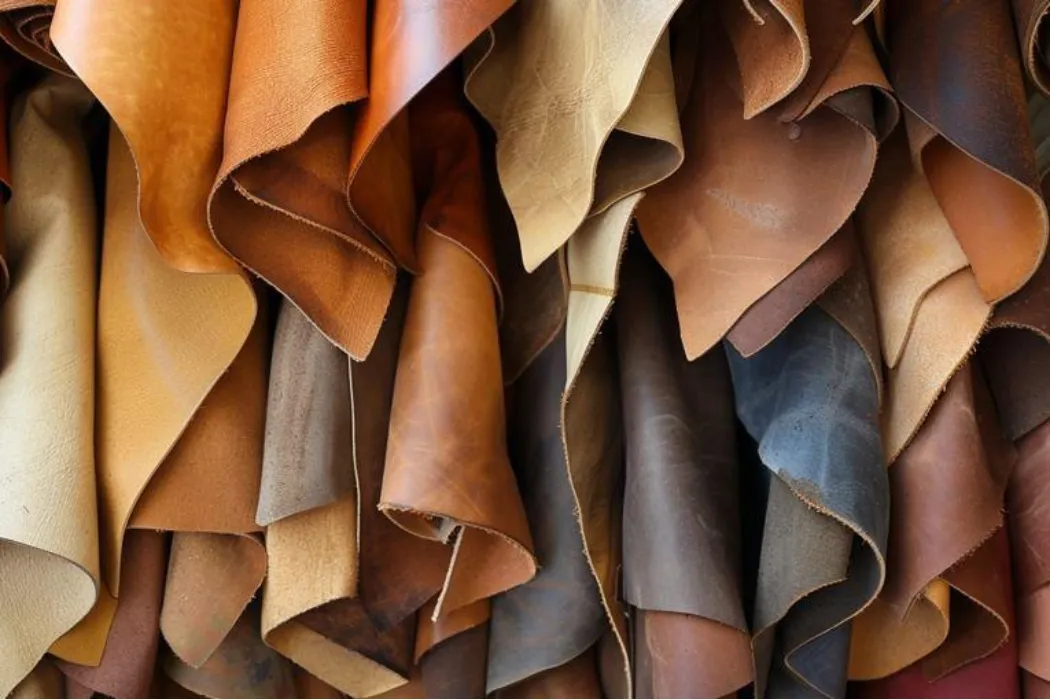
A Tannery is the facility where raw animal hides are processed into finished leather. The primary function of a tannery is Tanning, a chemical process that permanently alters the protein structure of the hide. This process stabilizes the collagen fibers, converting the perishable skin into a durable, flexible, and rot-proof material.
The Problem: From Perishable Hide to Durable Leather
A raw animal hide, just like any organic matter, is subject to bacterial decay. If left untreated, a hide would dry out, become stiff as a board, or, if left wet, would putrefy and rot within days. Tanning is the crucial intervention that stops this process. It displaces the water molecules within the hide and bonds with the collagen fibers, creating a stable material that can last for decades.
The Pre-Tanning Process (Curing, Fleshing, and Bating)
Before the main tanning even begins, the hide must be prepared in what is known as the “beamhouse” stage. This is a critical and complex part of the process that top-tier facilities must master.
- Curing: Immediately after removal, the hide is “cured” (typically with salt) to prevent bacterial growth during transport to the tannery.
- Fleshing & Unhairing: The hides are soaked in lime vats to remove hair, epidermis, and any remaining flesh or fat. This is often done by a “fleshing” machine.
- Bating: The hide is then “bated” in an enzymatic solution. This process removes the lime, further breaks down proteins, and softens the hide, making it porous and ready to accept the tanning agents.
The “Tanner” vs. The “Currier”: What’s the Difference?
Historically, the leather-making process was split between two different artisans, a distinction that is important for understanding quality:
- The Tanner: This was the artisan who performed the core chemical process of tanning. Their job was to take the prepared raw hide and stabilize it, turning it into “leather.” This leather was often stiff and had a uniform, pale color (either a pale tan from veg-tan or a pale blue from chrome-tan).
- The Currier: This was the specialist who took the “tanned” leather and performed the finishing. The currier’s job was to dye, condition (a process called “fatliquoring” to add oils back in), and finish the leather to make it soft, strong, and water-resistant for its final use (e.g., for shoes, bags, or belts).
In a modern, vertically-integrated manufacturing facility, both of these ancient roles are combined. The tannery performs both the tanning and the currying, allowing for complete control over the final product’s feel, color, and durability.
What is Vegetable Tanning (Veg-Tan)?
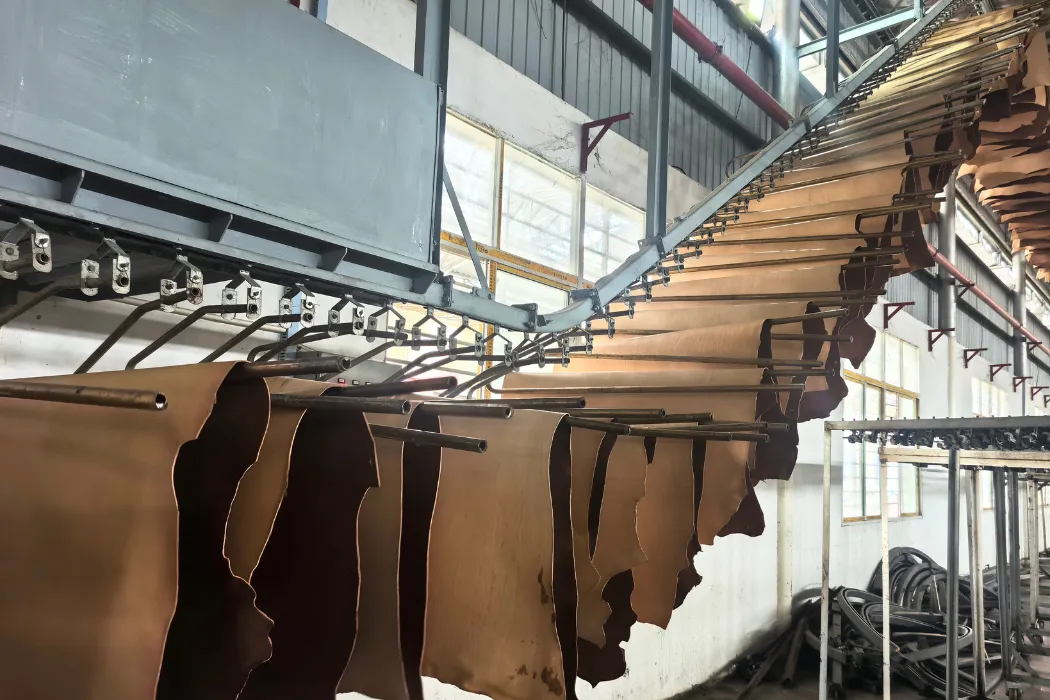
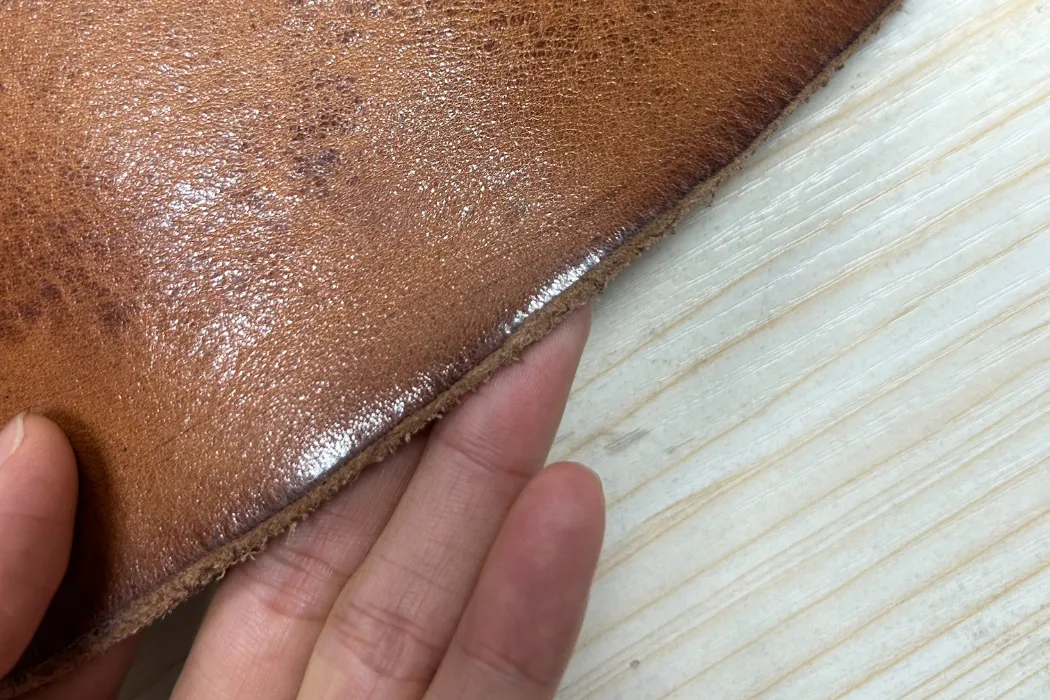
Vegetable tanning (or “veg-tan”) is the ancient, natural tanning method that uses organic materials called tannins. These tannins are derived from plant matter, such as oak and chestnut bark, roots, and leaves. It is a slow, artisanal process that can take several weeks to several months, resulting in a firm, durable leather that develops a beautiful patina over time.
The Process: Soaking in Tanning Vats for Weeks
The traditional veg-tan process is a craft of patience. After the pre-tanning stage, the hides are submerged in a series of large vats or pits filled with tanning solutions. They start in a weak tannin solution and are slowly moved to progressively stronger solutions over a period of 3 to 6 weeks, or even longer for thick sole leather. This slow, gentle absorption ensures the tannins penetrate fully through the hide, resulting in a dense, well-preserved material.
The Pros: Patina, Tooling, and Durability
Veg-tan leather is the only choice for certain high-quality products due to its unique properties:
- It Develops a Patina: This is its most beloved feature. The natural tannins will react with sunlight and oils from your hands, causing the leather to darken and develop a rich, unique character over its lifespan.
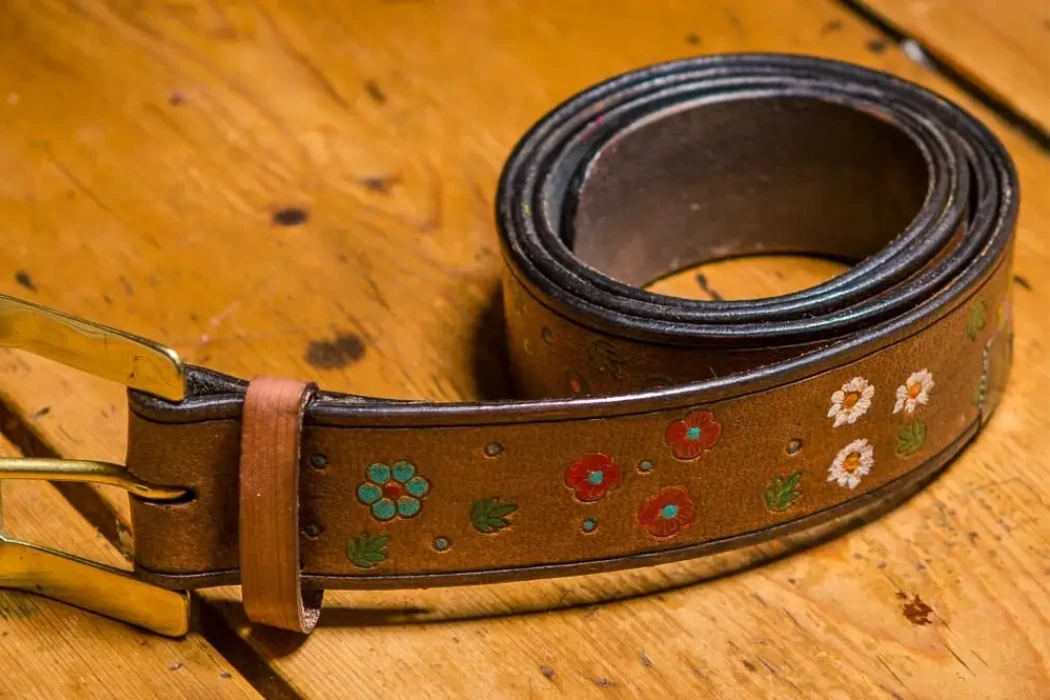
- It Can Be “Tooled”: Because it’s firm and “molds” when wet, veg-tan is the only type of leather that can be carved, stamped, or embossed with intricate designs (like on a Western belt or saddle).
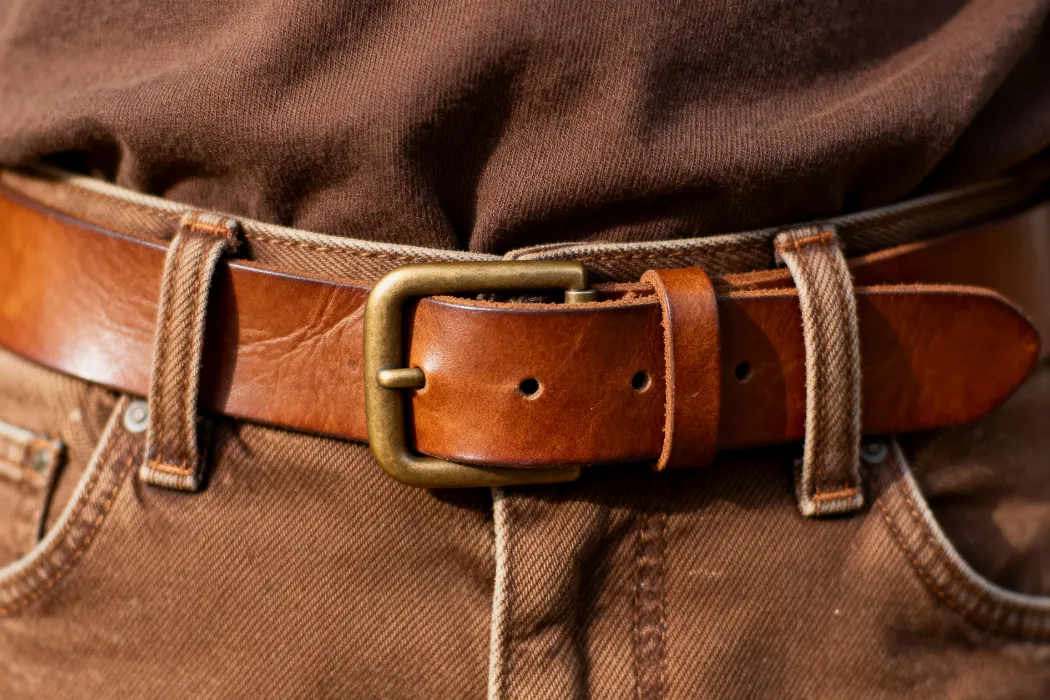
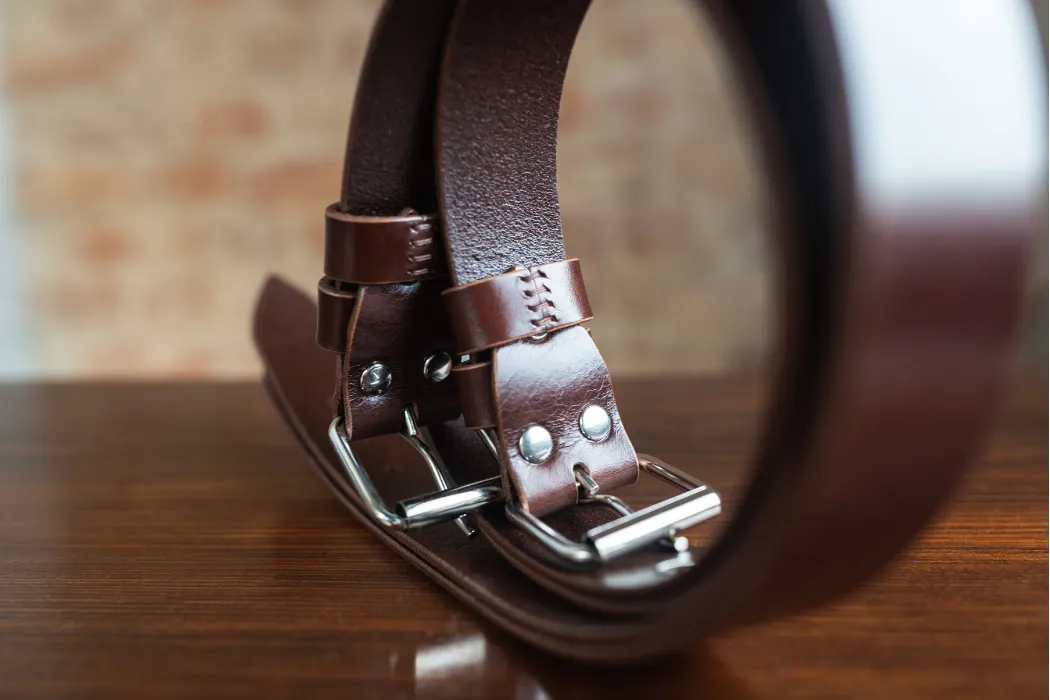
- Extreme Durability & Firmness: This process creates a strong, firm, and thick leather, making it the undisputed champion for products that need to hold their shape and last for decades, such as heavy-duty belts, saddles, and shoe soles.
The Cons: Stiffness, Water Staining, and High Cost
The same properties that make veg-tan great for belts also make it unsuitable for other items. It is generally very stiff and rigid, which is terrible for products that need to be soft and pliable, like clothing or gloves. It is also highly susceptible to water staining; a drop of water will leave a dark spot unless the leather is heavily waxed. Finally, because the process takes months instead of days, it is significantly more expensive to produce.
Manufacturer’s Insight (Hoplok): We use full-grain vegetable-tanned leather for most of our high-end belts, such as those produced for J.Crew. The unmatched firmness and the ability to develop a patina are essential for a “heritage-quality” product that our B2B clients’ customers expect to last a lifetime.
What is Chrome Tanning (Chromium-Tan)?
Chrome tanning is the dominant modern method, accounting for over 90% of the world’s leather production. Developed in the 19th century, it uses chemical salts, primarily chromium sulfate, as the tanning agent. It is an incredibly fast and efficient process, capable of turning a raw hide into stable, tanned leather in as little as 24 to 48 hours. It produces a leather that is soft, pliable, water-resistant, and available in a vast spectrum of colors.
The Process: Tumbling in Drums (The 24-Hour Tan)
Unlike the slow, static process of veg-tanning, chrome tanning is fast and dynamic. The prepared hides are placed inside a large, rotating drum along with the chromium salt solution. The tumbling action, combined with the chemical’s efficiency, allows the chromium to penetrate and bond with the collagen fibers in a matter of hours. The resulting leather is recognizable by its pale blueish-gray color, known as “wet blue” in the industry.
The Pros: Softness, Color Vibrancy, and Water Resistance
Chrome-tanning’s popularity is due to its unbeatable combination of features for modern consumer goods:
- Softness & Pliability: The chrome salts result in a very soft, lightweight, and flexible leather right out of the drum. This is essential for products that need to be comfortable immediately, such as jackets, gloves, shoes, and handbags.
- Color Vibrancy: The “wet blue” leather provides a neutral base that accepts dyes incredibly well, allowing manufacturers to achieve bright, vivid, and consistent colors (like a hot pink or bright blue) that are impossible with veg-tan.
- Water & Heat Resistance: Chrome-tanned leather is inherently more resistant to water and heat than veg-tan, making it more stable for everyday use.
The Cons: Environmental Concerns & The “Chrome-VI” Risk
The primary drawback of chrome tanning is its environmental impact. The process uses chromium, a heavy metal. While the Chromium-III (trivalent) used in tanning is safe, if the tannery’s wastewater and processes are not managed properly, it can oxidize into Chromium-VI (hexavalent), a highly toxic carcinogen. This is why responsible manufacturing and strict wastewater treatment are non-negotiable (more on this in H2.6).
Manufacturer’s Insight (Hoplok): When a client like Calvin Klein needs a handbag that is buttery-soft, lightweight, and available in a specific seasonal color, chrome-tanned leather is the only way to meet those performance requirements. The key is responsible manufacturing. We exclusively use LWG-certified tanneries that have robust systems to prevent any Chrome-VI formation.
What is Combination Tanning (Combo-Tan)?
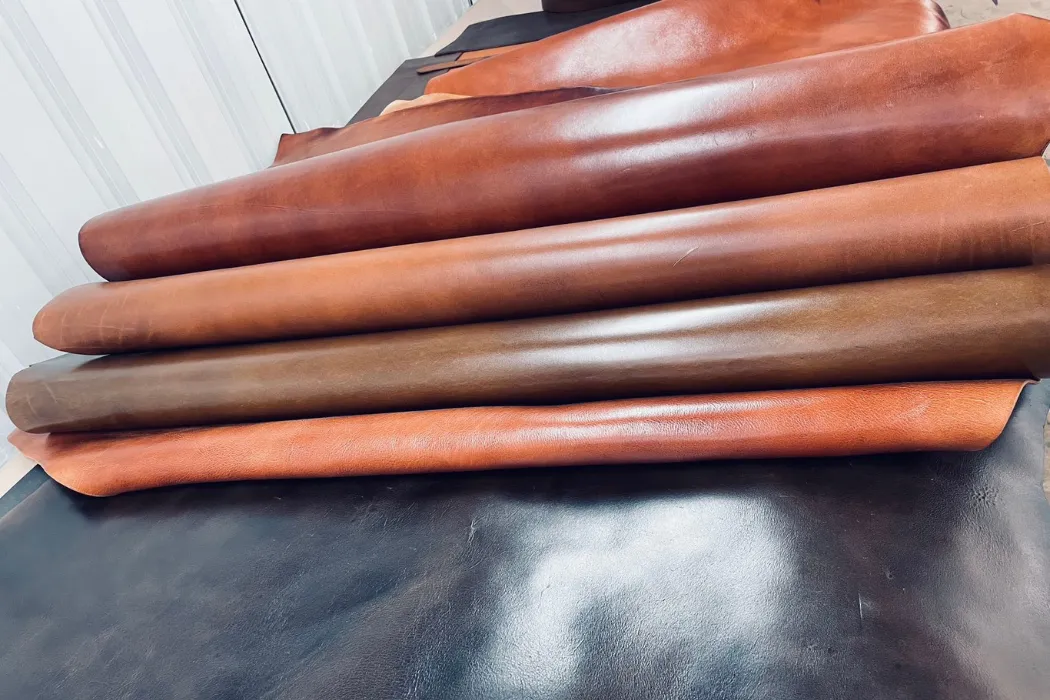
Combination tanning is a hybrid method that leverages the best qualities of both chrome and vegetable tanning. Typically, a hide is first chrome-tanned to achieve softness, speed, and color vibrancy quickly. Then, it is “re-tanned” using vegetable tannins (like mimosa or quebracho) to give it more fullness, firmness, and the potential to develop a slight patina—properties it would otherwise lack.
The “Best of Both Worlds” Approach
The goal of this “combo-tan” is to create a unique leather that is neither as stiff as pure veg-tan nor as overly soft as pure chrome-tan. It’s a method for creating a “middle-ground” material. The final product has the soft, supple feel of chrome-tan but with the added body, roundness, and rich “hand-feel” of veg-tan. It also tends to burnish better than a pure chrome-tanned leather, allowing for a more finished-looking edge.
Common Use Cases (Shoe Uppers, Durable Bags)
This method is ideal for products that need to be both soft and durable. It’s a very common process for high-end shoe uppers, which need to be flexible for comfort but firm enough to hold their shape. It’s also excellent for structured, unlined bags or durable laptop cases that need to be soft to the touch but rigid enough to protect their contents. Many modern “heritage” brands favor this method to get a durable feel without the long break-in period of traditional veg-tan.
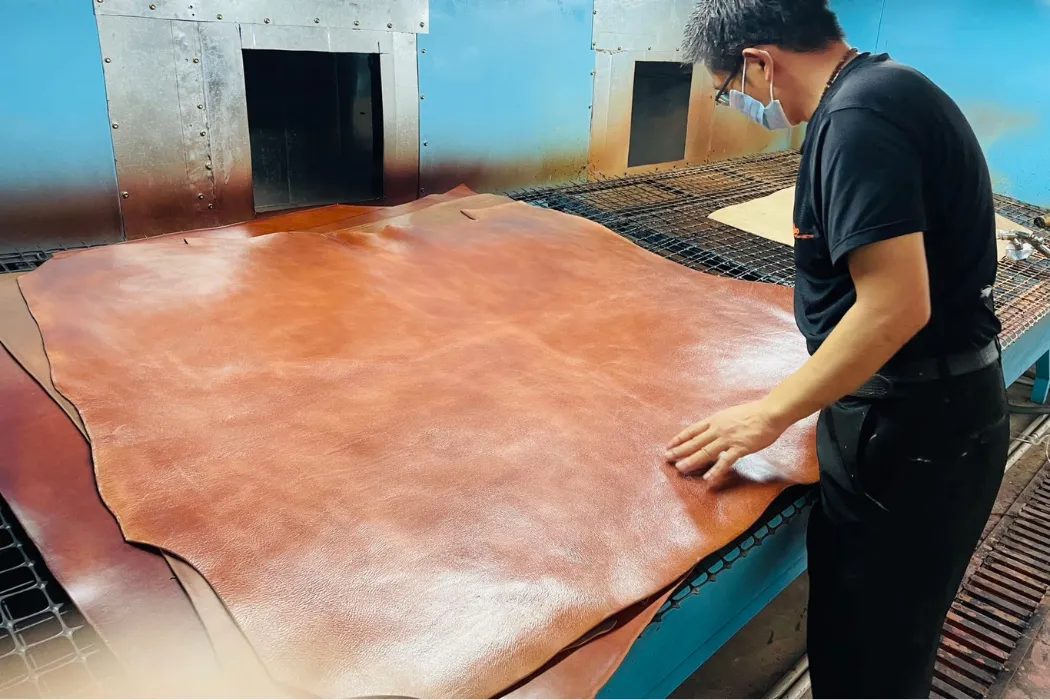
Manufacturer’s Insight (Hoplok): At our ProPelli finishing facility, we develop custom, proprietary re-tanning formulas for B2B clients. A brand may want a briefcase that is soft, black, and water-resistant (from chrome) but also has enough body to stand up on its own (from veg-tan). Our ability to engineer these custom combo-tans allows us to create a signature leather that is unique to their brand.
What Are “Chrome-Free” (Wet-White) Tanning Methods?
“Chrome-free” tanning refers to any modern tanning method that uses a chemical agent other than chromium salts. The most common alternatives are Aldehydes (like glutaraldehyde) or Synthetic Tannins (Syntans). This process is famously known as “Wet-White” because the resulting leather is not pale blue (like “wet blue” chrome-tan) but rather a pale cream or white color. It’s a specialty process used for specific, high-performance applications.
Aldehyde Tanning (The “Wet-White” Process)
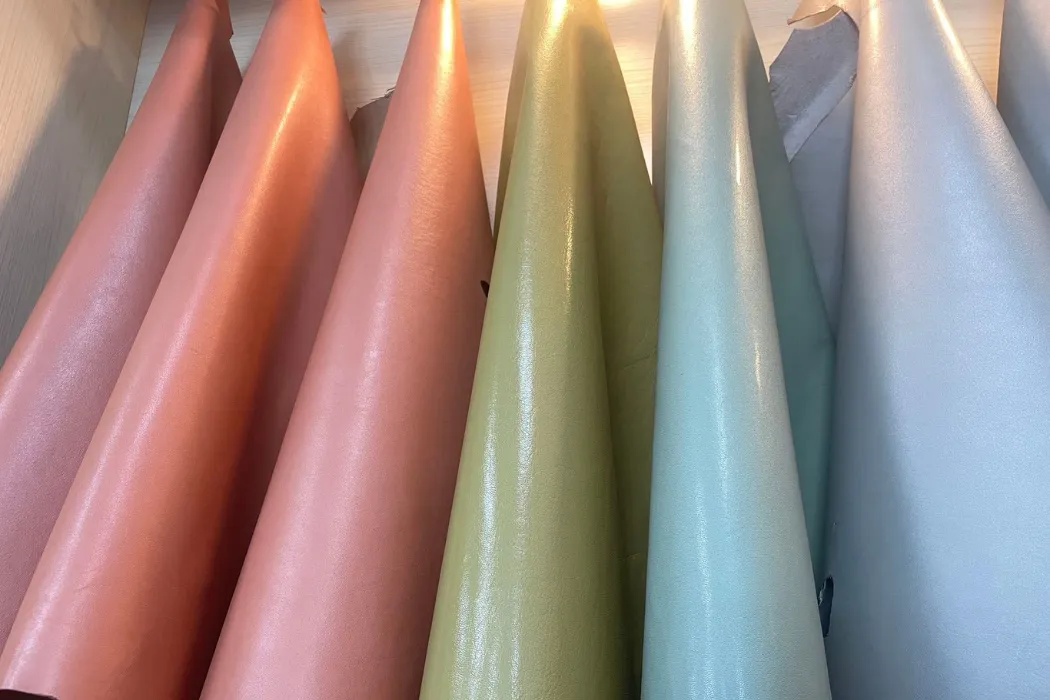
This is the most popular chrome-free method. Aldehydes are highly effective tanning agents that produce an extremely soft, fine-grained, and lightweight leather. The “wet-white” leather it produces is also very receptive to dyeing, allowing for beautiful, pale pastel colors that are difficult to achieve with other methods. It is also known for its excellent sweat resistance and lightfastness (resistance to fading in sunlight).
Synthetic Tanning (Syntans) & Other Methods
Syntans are complex man-made chemical polymers that can be used to tan hides. This method is often used in combination with Aldehyde tanning. Other, more niche chrome-free methods also exist, such as using Aluminum salts (which creates a very soft leather but is not very water-resistant) or oil tanning (used for chamois).
The Pros & Cons (Hypoallergenic, Heat Resistance, but Higher Cost)
The primary benefits of chrome-free tanning are not just environmental; they are performance-based.
- Pros: The resulting leather is often hypoallergenic, as some people have mild allergies to chromium. It also has a very high heat and shrinkage resistance.
- Cons: The process is generally more expensive and complex than chrome tanning. It also typically has a lower tensile strength, meaning it’s not as strong as veg-tan or chrome-tan leather.
Why the Automotive & Children’s Shoe Industries Demand This
The specific properties of “wet-white” leather make it the number one choice for two major industries:
- Automotive Leather: A car interior can reach 180°F (82°C) in the sun. The high heat resistance of aldehyde-tanned leather means the seats, steering wheel, and dashboard won’t shrink, crack, or harden.
- Children’s Products: Because it’s hypoallergenic and often chrome-free, this is the safest and most desirable leather for baby shoes and children’s toys, ensuring no potential chemical sensitivity.
What Are the Most Eco-Friendly and Sustainable Tanning Methods?
The most sustainable tanning method is not a single type, but rather a responsible manufacturing process. The Leather Working Group (LWG) certification is the B2B gold standard, as it audits tanneries on water usage, wastewater treatment, and chemical management. While Vegetable-Tanning is often seen as “natural,” both modern, LWG-certified Chrome-Tanning and Chrome-Free methods can be highly sustainable when managed correctly.
The Gold Standard: The Leather Working Group (LWG)
For a brand, this is the most important factor. The LWG is a global, multi-stakeholder group that audits tanneries for environmental performance. It does not certify the *leather* itself, but the *tannery* that produced it.
- What it audits: Water usage (e.g., liters per hide), energy consumption, wastewater treatment (ensuring no pollutants are released), and chemical management.
- The Ratings: Tanneries are awarded a rating of Gold, Silver, or Bronze. Sourcing from an LWG-Gold or LWG-Silver tannery is a guarantee to your customers that the leather was produced in an environmentally responsible way, regardless of the tanning *method* used.
A modern, LWG-Gold chrome-tannery with a closed-loop water recycling system is arguably more sustainable than a small, uncertified veg-tan operation dumping its tannin-rich wastewater into a local river.
Is Vegetable-Tanning (Veg-Tan) Always Eco-Friendly?
This is a common misconception. “Natural” does not always mean “eco-friendly.” While veg-tan uses natural tannins, the process is incredibly water-intensive. Furthermore, the tannin-rich wastewater has a very high Chemical Oxygen Demand (COD), which can de-oxygenate rivers and harm aquatic life if it’s released untreated. A *modern*, responsible veg-tannery (like those rated by LWG) has its own wastewater treatment plant to mitigate this, but a small, unregulated tannery can be highly polluting.
The Rise of Chrome-Free & Advanced Water Recycling
Many European brands and global programs (like REACH and CPSIA) have put strict regulations on chemical use, especially chromium. This has fueled the rise of “Chrome-Free” tanning as a key “eco-friendly” marketing story. These methods, combined with advanced wastewater recycling systems (where up to 80% of the water is cleaned and reused), are at the forefront of sustainable manufacturing. The goal is a “closed-loop” system where waste is minimized.
Manufacturer’s Insight (Hoplok): Hoplok’s entire supply chain is built on this principle. Our ProPelli finishing facility is LWG-Gold certified, and all our products are fully REACH and CPSIA compliant. Our ISO 9001 certification ensures quality management, while our BSCI and SMETA audits guarantee ethical labor practices. For our B2B clients, this “stack” of certifications is a non-negotiable part of our partnership, ensuring their product is both high-quality and responsibly made.
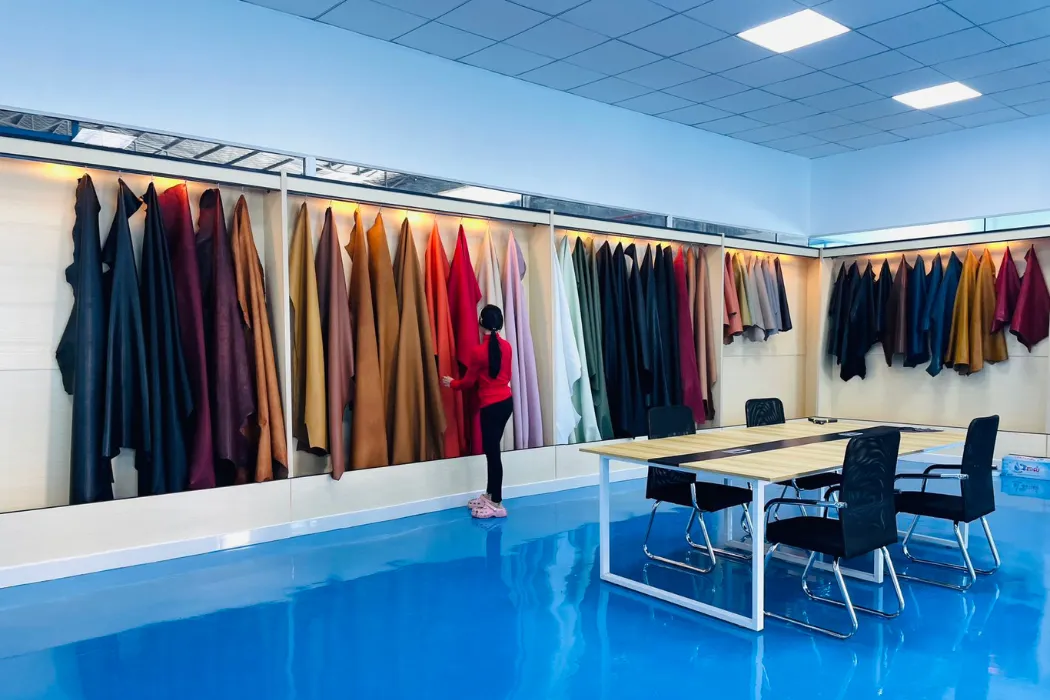
How Should a Brand Choose the Right Tanning Method?
A brand must choose its tanning method based on three key factors: 1. Product Performance (Does it need to be soft or firm?); 2. Brand Story (Is your brand “natural/heritage” or “modern/technical”?); and 3. Cost & Scale (Chrome-tanning is faster and generally cheaper, while veg-tanning is a slow, craft-based process).
What is Your Product’s “Feel”? (Soft vs. Firm)
This is the primary driver. The material must match the function. You cannot build a durable, stiff belt from chrome-tan, and you cannot build a buttery-soft jacket from veg-tan.
- Choose Veg-Tan for: Firmness, structure, rigidity, and the ability to patina. (Products: Belts, Straps, Saddles, Tooling wallets).
- Choose Chrome-Tan for: Softness, flexibility, light weight, and vibrant color. (Products: Handbags, Apparel, Shoes, Upholstery).
- Choose Chrome-Free for: Hypoallergenic, heat-resistance, and pale color needs. (Products: Automotive, Children’s Shoes).
What is Your “Environmental Story”? (LWG vs. Natural)
Your material choice is a core part of your brand’s marketing. What do you want to tell your customers?
- The “Natural/Heritage” Story: Choose Vegetable-Tanned. This allows you to talk about “ancient craft,” “natural tannins,” and “patina.”
- The “Eco-Technical/Compliant” Story: Choose LWG-Certified Chrome-Tan or Chrome-Free. This allows you to talk about “responsible manufacturing,” “advanced water recycling,” “REACH/CPSIA compliance,” and “hypoallergenic” properties.
What is Your “Cost Per Unit”? (Speed vs. Craft)
A brand must be realistic about production timelines and costs. A veg-tan program requires a much longer lead time.
– Chrome-Tan: 1-2 day tanning process. Lower cost, faster to market.
– Veg-Tan: 3-6 week tanning process. Higher cost, longer lead time, more “craft” value.
Tanning Method vs. Product Suitability
This table summarizes the final decision-making process for a brand.
| Tanning Type | Key Benefit | Key Drawback | Best For (Products) |
|---|---|---|---|
| Vegetable-Tan | Develops Patina, Firm, Durable | Stiff, Water-Stains, Slow Process | Belts, Saddles, Tooling Wallets |
| Chrome-Tan | Soft, Flexible, Vibrant Colors, Fast | No Patina, Environmental Risk (if uncertified) | Handbags, Jackets, Shoes, Upholstery |
| Combination-Tan | “Best of Both”: Soft feel, firm body | More complex and costly | Shoe Uppers, High-End Bags |
| Chrome-Free (Aldehyde) | Hypoallergenic, Heat-Resistant | Less durable, higher cost | Automotive, Children’s Shoes |
Frequently Asked Questions
1. What is the most common type of leather tanning?
Chrome-tanning (Chromium-Tan) is by far the most common, accounting for over 90% of all leather produced globally. Its speed (1-2 days) and the resulting soft, colorful, and water-resistant leather make it the standard for most consumer goods like handbags, shoes, and apparel.
2. Is vegetable-tanned leather better than chrome-tanned?
Neither is “better”; they are different tools for different jobs. Vegetable-tanned leather is “better” for a stiff, durable belt that needs to develop a patina. Chrome-tanned leather is “better” for a soft, lightweight jacket that needs to be flexible and comfortable. A brand must choose the right type for the product’s function.
3. What is LWG (Leather Working Group)?
The Leather Working Group (LWG) is a global organization that audits tanneries for their environmental performance. It does not certify the leather itself, but the factory that made it. A tannery with a Gold or Silver rating is considered the B2B standard for sustainable and responsible manufacturing, proving it has excellent wastewater treatment and chemical management systems.
4. How can I tell the difference between veg-tan and chrome-tan?
There are a few simple ways. Feel: Veg-tan is typically firmer, stiffer, and has more “body.” Chrome-tan is almost always softer, more flexible, and more pliable. Smell: Veg-tan has a natural, earthy, sweet smell. Chrome-tan has a more neutral or slightly chemical “new leather” smell. Aging: Veg-tan will darken and develop a patina over time; chrome-tan’s color is stable and will not change.
5. What is a “chrome-free” tannery?
A “chrome-free” tannery is one that does not use chromium salts. Instead, it uses alternative chemicals like Aldehydes or Synthetic Tannins (Syntans). This process produces “wet-white” leather and is often used for high-performance automotive leather (due to heat resistance) or hypoallergenic children’s products.
6. What is a currier?
A “currier” is the traditional term for the artisan who performs the finishing processes on already-tanned leather. While the “tanner” stabilizes the hide, the “currier” takes that stable leather and transforms it by dyeing, conditioning (fatliquoring), and finishing it to create the final, usable product.
7. Why do belts use veg-tan but jackets use chrome-tan?
It’s a perfect example of matching the material to the function. A belt needs to be firm, rigid, and durable to hold its shape under pressure—the exact properties of veg-tan. A jacket needs to be soft, flexible, and lightweight to drape over the body and move with the wearer—the exact properties of chrome-tan.
Conclusion: Tanning is Your Brand’s First, Most Important Decision
As we’ve seen, there is no single “best” tanning method. Tanning is the “operating system” for the leather; it dictates the final performance, feel, and cost of your product. It’s not about which is superior, but which is the right fit. Vegetable-tan is the choice for tradition, firmness, and patina. Chrome-tan is the choice for modern softness, vibrant color, and speed.
As a brand, choosing a manufacturer that merely procures leather on the open market is a risk. You are subject to their supplier’s quality and compliance. Choosing a partner who is also a master tanner and holds LWG certifications provides an unparalleled advantage in quality, traceability, and environmental compliance.
Hoplok is not just a factory; we are a vertically-integrated manufacturer with our own ProPelli leather finishing facility. We control the entire process from hide to finished good, ensuring LWG compliance, consistent color, and the perfect material for your brand’s specific needs. Contact Hoplok Leather to discuss how our tanning expertise can build a superior, more compliant, and more successful product line.