
Finding a handbag manufacturer starts with a clear product brief. Define the bag type, materials, dimensions, target order quantity, quality requirements and required receipt date before comparing suppliers. A factory that suits one collection may be unsuitable for another.
Handbag construction varies from soft totes to structured cases, with different requirements for cutting, reinforcement, edge finishing, lining and hardware. Use samples that resemble your intended product to assess capability rather than relying on a broad “bags manufacturer” description.
The right partner needs to match the product and commercial requirements and provide evidence for the claims that matter to your brand. A website, showroom or low quotation can help you identify candidates, but none replaces material approval and production verification.
This guide covers discovery channels, supplier checks and the questions to resolve before approving a handbag order.

Effective Strategies to Find a Handbag Manufacturer
Build a shortlist from several discovery channels, then verify candidates against the same brief. Treat search results and referrals as leads rather than approval evidence.
Google Searches
Use specific searches such as “custom leather tote manufacturer” or “structured handbag factory,” adding the material, construction or region where useful. Review product examples and identify the legal entity, factory location and contact route. Search position and website polish do not establish manufacturing capability.
Sourcing Agents or Platforms
A sourcing agent or marketplace can help identify candidates. Ask an agent how it is paid, which services it performs and whether supplier commissions create conflicts. On platforms such as Alibaba or Global Sources, inspect the specific verification scope and use reviews as one signal; a platform listing is not a guarantee of product quality.
Network with Industry Professionals
Ask relevant buyers, designers or industry contacts for introductions. Explain the product and order scale so a referral reflects your needs. Obtain permission before contacting a reference or requesting confidential project information.
Industry Trade Shows and Exhibitions
Use an event’s official exhibitor list and product categories to plan meetings. The Canton Fair, for example, includes cases and bags; check the current section and dates with the organizer. Inspect samples and arrange follow-up verification rather than treating booth attendance as a factory audit.
Online Directories and Databases
Prefer directories that identify the company, product category and source of the listing, including official trade-show exhibitor databases and relevant trade bodies. Confirm the entries against the supplier’s own legal and factory information; an unrelated general web directory is not a verified handbag-manufacturer database.
Explore Social Media and Online Communities
Social platforms can show product examples and introduce contacts. Verify that images represent the supplier’s own permitted work, and avoid assuming that a visible brand or collaboration proves an authorized customer relationship.
What are the Factors to Help You Assess the Suitability of a Bag Manufacturer?
Assess candidates using comparable evidence. Record gaps and follow-up actions so a promising sample does not obscure an unsuitable MOQ, schedule or commercial arrangement.
Experience and Expertise
Ask about experience with the construction you need, including similar materials, closures and reinforcement. A long company history is useful context but does not prove capability for the proposed design.
Production Capacity
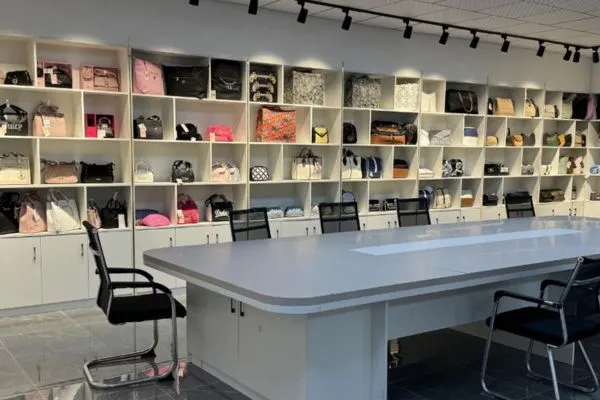
Confirm the proposed site, relevant process capacity, current bookings and the order slot. Total factory output is not the quantity available for your order. Review the agreed quality and compliance evidence alongside the production plan.
Customization and Flexibility
Confirm which dimensions, materials, colors, hardware and logo treatments can be developed. Ask about tooling, sample charges, minimum quantities and approval rounds for changes.
Quality Control Processes
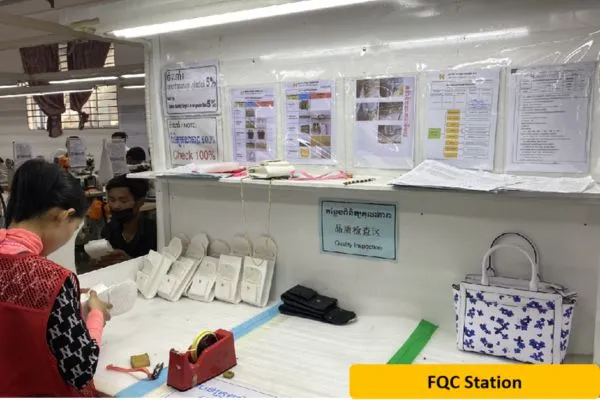
Request the inspection stages, defect definitions, sampling approach, test requirements and corrective-action process. Check how the approved sample and material specification are controlled during production.
Communication and Responsiveness
Identify the commercial and technical contacts, expected response times and escalation route. Use a written decision record for specification changes; prompt replies alone cannot guarantee smooth production.
Customer Service
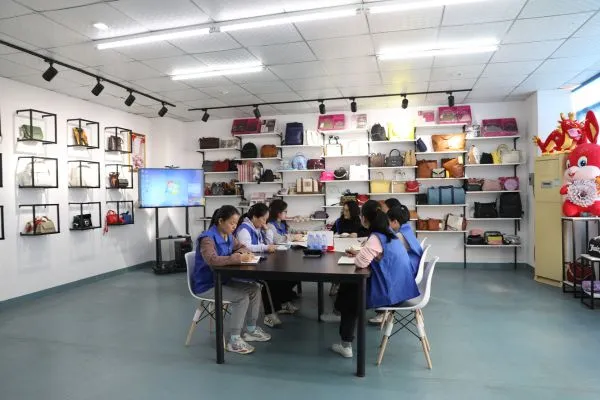
Clarify who manages samples, approvals, production updates and post-delivery issues. Agree what evidence and response timing each issue requires.
Price and Value
Compare quotations using the same design, materials, quantities, packing and delivery basis. Include tooling, samples, testing and other stated charges rather than comparing unit price in isolation.
Machinery and Raw Material
Check whether the proposed equipment and process are suitable for the construction. Request a representative sample and supporting records; newer machinery or a “premium” material label does not guarantee a better bag.
Location and Logistics
Confirm the producing and shipping locations, transport route, trade term and receiving date. Physical distance alone does not establish total cost or delivery speed.
Warranty and Return Policy
Agree written remedies for nonconforming goods, including evidence, inspection timing, rework or replacement options and allocation of related costs. Separate those obligations from discretionary consumer-style returns.
Ethical and Sustainable Practices
Ask which specific social, environmental or material claims will apply to your order and obtain relevant evidence. Distinguish a facility audit, a management-system certificate and a product or material claim.
Quality and Craftsmanship
Review a production-representative sample: panel matching, handle attachments, stitching, edges, lining, zippers, fittings and packing. Define acceptance criteria and relevant performance checks before bulk approval.
Select a supplier whose evidence fits the brief and whose open issues can be resolved in the order agreement. No single factor establishes a perfect or risk-free partner.
How Can I Verify the Credibility of a Handbag Manufacturer?
Verify identity, capability and the claims relevant to the order. Retain the evidence and its date so changes can be checked before a repeat purchase.
Certifications
Request the exact certificate or audit type, named entity, site, scope, issuer and validity. ISO 9001 concerns a quality management system, while social audits and material schemes serve different purposes. Verify documents through the issuer or scheme where available; they are not a guarantee that every handbag will pass your specification.
Client References
Ask for references the supplier is authorized to share, or other permitted evidence of comparable work. Confidentiality may limit customer names; absence of a public brand list alone does not establish unreliability.
Portfolios
Review examples relevant to the planned construction and confirm which work the supplier performed. Distinguish its own production from a purchased sample, design reference or subcontracted process.
Testimonials/Reviews
Look for feedback from identifiable, relevant customers where available, and compare it with other evidence. A supplier-controlled testimonial or star rating should not be treated as independent verification.
Visiting Manufacturing Plant or Requesting Virtual Tour
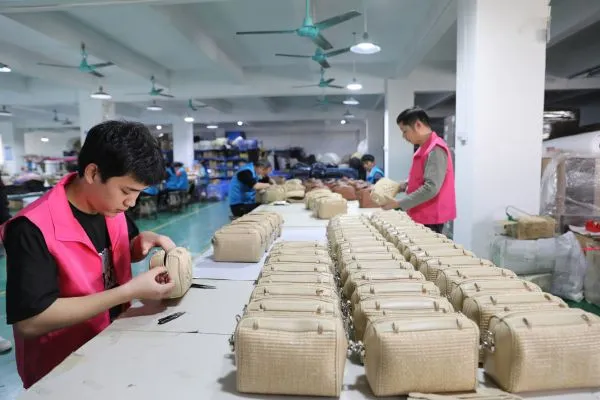
A site visit or live walkthrough can help verify equipment, workflow and the location proposed for the order. Agree what to inspect, including subcontracted stages and records. A tour is useful evidence, but it is not a substitute for product checks or an audit where one is required.
Document which checks passed, which claims remain unverified and what must be resolved before approval. Revisit important evidence when the material, production site or supply route changes.
What Key Questions Should I Ask During Initial Discussions with a Handbag Manufacturer?
Use the first discussion to test whether the supplier understands the brief. Request written answers on the following topics before committing to development or production.
What Happens If I’m Not Satisfied with the Final Product?
Ask how nonconforming work is assessed against the specification and approved sample, who investigates the cause and which remedies can be agreed. Define the process before a dispute arises.
What Are Your Production Timelines?
Request separate schedules for development, approvals, material readiness, bulk production, inspection and transport. Confirm the start conditions and whether activities overlap. For Hoplok, bag samples take 3–4 weeks and stated bulk production takes 60–90 days; the order quotation should define readiness and shipping arrangements.
What Are Your Customization Options?
Ask which design details are feasible and which need a different material or construction. Include the intended size mix, color range, hardware and branding, and confirm the minimum order and approval requirements.
What Is Your Pricing Structure?
Ask for a quotation with quantities, currency, delivery basis, validity, tooling and sample costs, and any required tests or packing. Confirm the payment terms and responsibility for approved changes rather than assuming a standard deposit.
Do You Offer Help with Design?
Confirm the development services offered and who supplies the drawings, patterns, material references and approvals. Agree ownership and permitted use of designs and tooling, and identify the cost of extra revisions.
Conclusion
Choose from a documented brief, comparable quotations and reviewed samples. Confirm the factory, scope, schedule and remedies in writing so the production team can work from the same approved requirements.
Discuss Your Handbag Program with Hoplok
Hoplok develops custom bags, including totes and crossbody designs. Share the intended construction and material so suitability can be assessed for the project.
Hoplok operates four facilities across China and Cambodia, including ProPelli finishing for externally supplied crust leather. The stated MOQ is 200 pieces for leather bags and 1,000 for PU bags; confirm how the proposed styles, colors and sizes are allocated in the quotation.
Send the bag brief with reference drawings, materials, quantities, destination and required receipt date. Agree the sample, specification and quality evidence before approving bulk production.