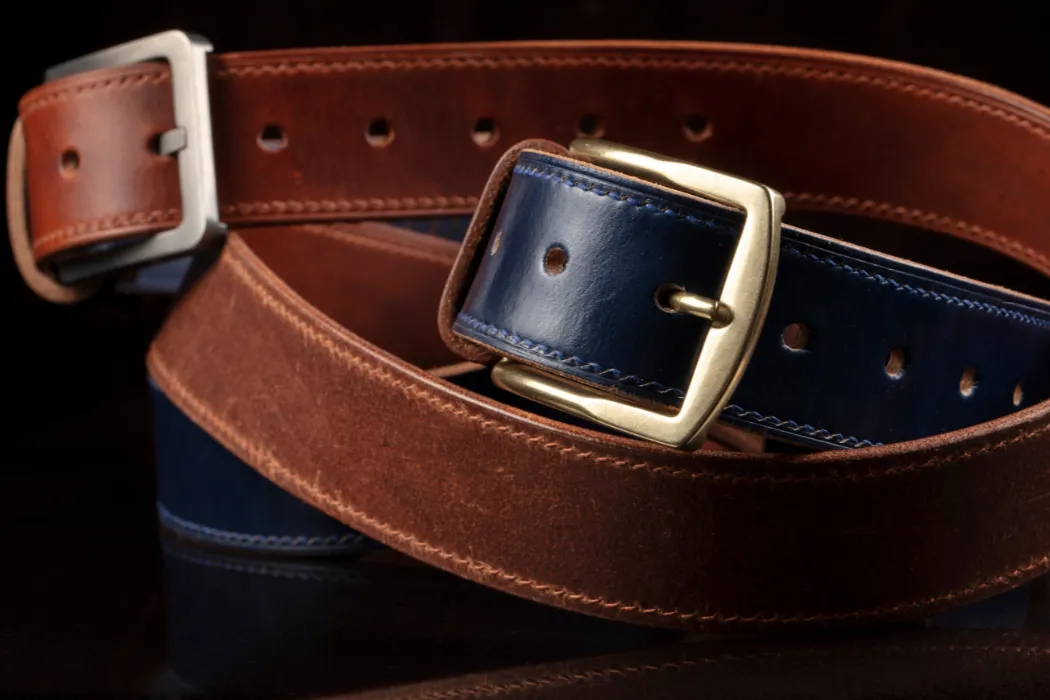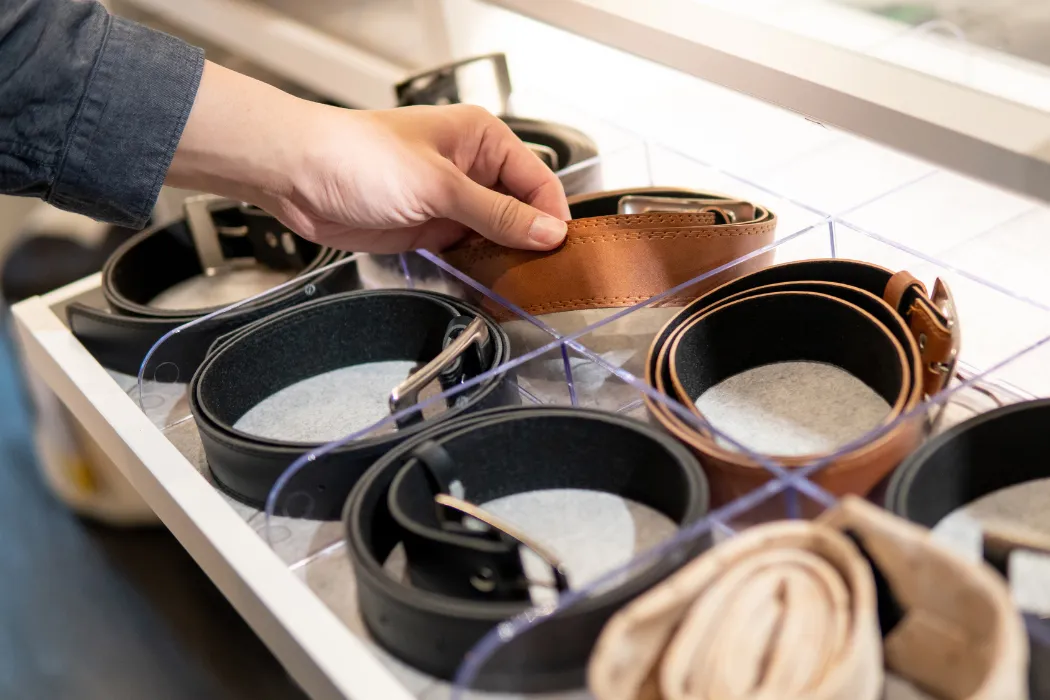
For retail buyers and brand owners, the choice between full-grain and top-grain leather isn’t just a matter of aesthetics—it’s a high-stakes decision that dictates your manufacturing yield, product longevity, and ultimate market positioning. Selecting the wrong grade can mean the difference between an heirloom-quality accessory that develops a sought-after patina and a mass-market product that loses its structural integrity under mechanical stress.
This VS guide provides a technical breakdown of how these materials perform in high-use scenarios, comparing critical benchmarks like tensile strength (≥90 N for full-grain) and bulk pricing variances, where full-grain can command up to $8 per square foot. We will analyze the trade-offs in fiber density, finish consistency, and tanning methods to help you determine which grade aligns with your brand’s value proposition and production budget.
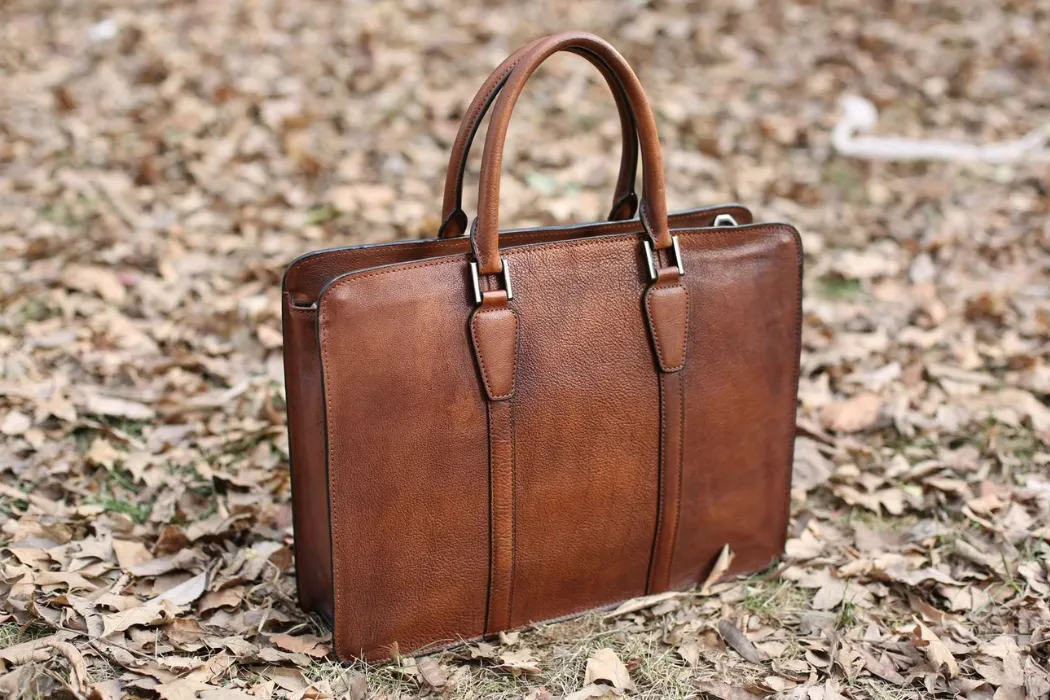
Full-Grain vs. Top-Grain: Quick Comparison for Retail Buyers
Full-grain leather is the highest quality, utilizing the entire natural hide for maximum durability and unique patina development. Top-grain leather is more uniform and stain-resistant due to sanding and surface treatment, making it a versatile choice for luxury brands seeking consistency and lower material weight.
Structural Integrity and Aesthetic Evolution
The fundamental difference between these two grades lies in the preservation of the hide’s natural architecture. Full-grain leather retains the intact natural grain layer, which serves as the outermost defensive barrier of the animal hide. Because this layer remains undisturbed by mechanical sanding, it is approximately twice as strong as leather grades where the grain has been shorn off or altered.
- Aesthetic distinction: Full-grain develops a rich patina over time due to its porous nature, whereas top-grain rarely develops a patina because of its protective finish.
- Fiber Density: Full-grain possesses superior breathability and inherent strength compared to the sanded surface of top-grain.
Performance Specifications: Weight, Durability, and Maintenance
From a procurement and engineering perspective, selecting a leather grade requires balancing material weight against long-term performance. Full-grain hides offer unparalleled longevity but come with certain physical costs in terms of mass and maintenance. Conversely, top-grain provides a more predictable substrate for high-volume manufacturing environments where uniformity is paramount.
- Weight variance: Full-grain leather is typically 10% heavier than top-grain due to its higher fiber density and lack of thinning processes.
- Maintenance requirements: Top-grain offers improved stain resistance and water-repellency thanks to the application of surface pigments and sealants.
- Yield and Consistency: Top-grain provides higher cutting yields for manufacturers because natural blemishes are buffed out, ensuring a uniform finish across bulk orders.
For retail buyers targeting high-end enthusiasts, the lack of mechanical processing in full-grain leather is a primary selling point. However, for brands focused on consistent color matching and resistance to environmental wear, top-grain remains the industry standard for reliable luxury goods.
Understanding Full-Grain: Features, Pros & Cons
Full-grain leather is the highest grade of bovine hide, featuring an unaltered top layer that retains maximum fiber density. It is characterized by extreme durability (tensile strength ≥90 N), natural patina development, and visible organic markings, making it the premier choice for high-end, long-lasting leather goods.
The Unbroken Grain: Structural Integrity and Natural Aesthetics
The defining characteristic of full-grain leather lies in its preservation of the complete collagen fiber matrix. Unlike top-grain or corrected leathers, the surface of full-grain hide does not undergo sanding, buffing, or snuffing. This omission of mechanical processing ensures that the strongest part of the hide—the outermost layer—remains intact, providing the structural foundation for premium leather goods.
- Features an “open pore” structure that allows for superior breathability and the development of a unique patina over time.
- Showcases natural characteristics such as healed scars, insect bites, and growth marks, ensuring no two hides are identical.
- Maintains a characteristic thickness range of 1.2 mm to 2.0 mm depending on the animal origin.
Mechanical Performance and B2B Quality Benchmarks
From an engineering perspective, full-grain leather is valued for its superior load distribution and resistance to mechanical fatigue. Because the inherent grain structure is left undisturbed, the material exhibits optimized tensile strength and stitch tear resistance, which are critical for heavy-duty applications in aviation, marine, and high-end upholstery sectors.
- Tensile Strength: ≥90 N (EN ISO 3376-2) ensures high ductility and resistance to breaking under tension.
- Stitch Tear Resistance: ≥60 N (EN ISO 23910) prevents failure at seams during heavy-duty bag construction.
- Flex Endurance: Tested up to 50,000 cycles (EN ISO 5402) without surface cracking or damage.
- Flame Resistance: Meets rigorous safety standards including IMO 2010 FTP Part 8 and NFPA 260 Class 1.
- Elongation: Balanced properties of 30-70% at break allow for structural flexibility without losing shape under load.
While full-grain leather offers unparalleled longevity and performance, it presents specific challenges for manufacturers. The lack of surface correction requires larger hide areas (averaging 55-60 sq.ft.) to navigate natural bypass areas, often leading to higher material costs. However, for luxury brands, the trade-off is a product that improves with age, resisting abrasion and staining through its natural density rather than synthetic coatings.
Understanding Top-Grain: Features, Pros & Cons
Top-grain leather is the second-highest quality leather, created by sanding the top layer of the hide to remove imperfections. While it offers a uniform appearance and high stain resistance due to protective finishes, it lacks the natural grain and extreme durability of full-grain leather, usually measuring between 1.2mm and 4.8mm in thickness.
Characteristics and Surface Treatment of Top-Grain Leather
To achieve the sleek, uniform aesthetic required for high-end retail goods, top-grain leather undergoes a specific mechanical modification process. Unlike full-grain options that retain the hide’s natural “skin,” top-grain production begins by removing the outermost irregularities. This allows manufacturers to utilize hides that might otherwise be discarded due to unsightly markings.
- Surface Refinement: The natural grain is sanded or buffed to eliminate scars, insect bites, and branding marks.
- Material Thickness: Hides typically range from 3 to 12 ounces (1.2mm to 4.8mm), providing versatility for products ranging from lightweight bags to heavy-duty belts.
- Aesthetic Uniformity: Consistency is ensured through embossed imitation grains and industrial protective topcoats, which facilitate perfect color matching across large production batches.
Technical Trade-offs: Durability, Breathability, and Maintenance
While top-grain leather is often marketed as a luxury material, its physical performance involves several engineering trade-offs. The removal of the dense outer fiber layer and the application of synthetic finishes significantly alter how the material interacts with its environment and responds to mechanical stress over time.
- Reduced Breathability: The sealing effect of protective finishes and the loss of the porous outer layer make this leather less breathable than full-grain alternatives.
- Structural Deformation: Because the strongest surface fibers are buffed away, the material is more susceptible to permanent stretching and creasing under load.
- Maintenance Advantages: The non-porous finish provides enhanced stain resistance and lower maintenance, making it a functional choice for high-volume consumer goods.
- Aging Profile: Top-grain leather lacks the ability to develop a natural patina; it generally maintains its original appearance until the finish eventually cracks or wears down.
From a technical perspective, top-grain leather occupies a middle tier of quality. It successfully bridges the gap between the rugged, variable nature of full-grain leather and the lower-tier durability of corrected grain or bonded materials. However, its susceptibility to deformation under load remains a critical limitation for applications requiring extreme longevity.
Scale Your Brand with Premium Custom Leather Bags
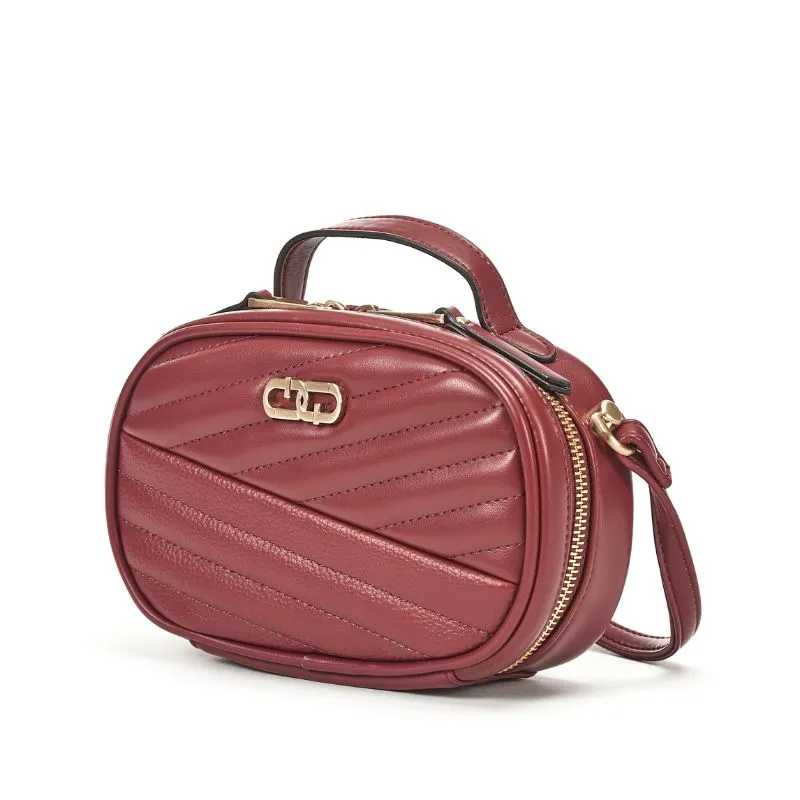
Head-to-Head Analysis: Durability in High-Use Scenarios
Full-grain leather is the gold standard for durability, retaining the dense natural fibers of the outermost hide to last decades. Top-grain leather offers significant resilience but is more susceptible to surface wear and structural weakening over time due to the sanding process that removes the strongest top fibers.
| Durability Factor | Full-Grain Leather | Top-Grain Leather |
|---|---|---|
| Structural Integrity | Highest density; stays intact for decades. | Hardwearing but thinned by sanding. |
| Surface Wear | Develops protective patina; self-healing. | Susceptible to scratches and wear. |
| Tensile Strength | Maximum resistance to stretching. | Prone to fiber breakdown under load. |
Structural Integrity: Fiber Density and Tensile Strength
The longevity of a leather product is fundamentally determined by its biological composition. Full-grain leather retains the entire grain layer of the hide, which contains the highest density of intertwined collagen fibers. This dense network serves as the primary source of the material’s tensile strength, allowing it to withstand heavy loads without deformation.
In contrast, top-grain leather undergoes a mechanical modification process. To create a uniform appearance, manufacturers sand or buff the hide to remove natural imperfections. This process inherently removes the toughest outermost layer, thinning the material’s natural defense mechanism. Over time, particularly in high-frequency retail environments, this reduction in fiber density makes the leather more prone to stretching and internal fiber breakdown when subjected to repetitive stress.
Surface Resilience and Environmental Degradation
Beyond the internal structure, surface resilience dictates how a product maintains its professional appearance under daily operational use. The following points highlight key differences in field performance:
- Abrasion Sensitivity: Because the protective natural grain is removed, top-grain leather exhibits higher susceptibility to visible scratching and general wear-and-tear.
- Breathability: Full-grain leather maintains a natural pore structure that allows it to “breathe” and develop a patina, while top-grain finishes can occasionally crack if heavily pigmented.
- QA Benchmarks: Using LWG-certified sourcing ensuring a defect rate below 1% helps mitigate the inherent risks of top-grain selections in retail environments.
While standard marketing materials project durability for both types, technical validation for B2B procurement is often sought through rigorous engineering standards. Although specific tensile strength values (PSI) or tear resistance measurements (Newtons) vary by batch, full-grain remains the industry benchmark for any scenario requiring decades of service. For organizations requiring documented technical compliance, referencing ASTM D2406 for tear strength or ISO 3377-2 for tensile strength provides the necessary data for material validation.
Which Grade Offers Better Color Fastness and Finish Consistency?
Top-grain leather provides superior finish consistency due to sanding and protective coatings that ensure a uniform look across batches. Conversely, full-grain leather prioritizes natural character and color development, evolving through a rich patina rather than maintaining a static, out-of-the-box appearance.
Top-Grain Leather: Engineered for Uniformity and Surface Stability
For retail operations and commercial brands, top-grain leather serves as the industry standard for predictability. The manufacturing process is specifically designed to eliminate the variables inherent in raw hides, creating a reliable substrate for high-volume production.
- Mechanical sanding and buffing remove natural scars, insect bites, and blemishes to create a smooth, ‘blank canvas’ surface.
- Application of pigments, dyes, and protective top-coatings ensures high color fastness and a polished finish that remains static over time.
- Ideal for brands like Calvin Klein or Macy’s that require every bag in a production run to match the floor sample exactly.
- Lower maintenance requirements due to synthetic sealants that resist immediate staining and color shifting.
Full-Grain Leather: Aging Dynamics and Patina Development
Full-grain leather sits at the opposite end of the spectrum, valued by luxury artisans for its lack of artificial correction. Because the original epidermis remains intact, the hide retains the unique “fingerprint” of the animal, which influences how it absorbs color and reacts to its environment.
- Retains the original epidermis, resulting in natural variations in grain density and dye absorption across different hides.
- Features a lack of heavy surface sealants, allowing the material to breathe and react to UV light and skin oils.
- Signature ‘Patina’ effect: The leather darkens and develops a rich sheen through use, which is a hallmark of luxury goods but poses challenges for uniformity.
- Sourced from LWG-certified tanneries to ensure that while grain is unique, the tanning quality meets global REACh and CPSIA standards.
The ultimate choice between these materials depends on the brand’s value proposition. If the goal is a “what you see is what you get” experience for the consumer, top-grain is the superior choice for finish consistency. If the brand story centers on authenticity and the beauty of natural aging, the non-uniformity of full-grain leather becomes a premium selling point rather than a defect.
How Do Production Costs Differ Between These Leather Grades?
Full-grain leather is significantly more expensive, with bulk prices ranging from $3–$8/sq ft compared to top-grain’s $2–$6/sq ft. This 20–50% cost gap is driven by lower yield due to natural hide imperfections and the labor-intensive vegetable tanning often required for premium full-grain finishes.
Raw Material Yield and Processing Intensity
The financial disparity begins at the sourcing stage. Full-grain leather retains the entire grain layer, meaning only the highest quality hides with minimal natural scars can be used. This leads to significantly higher raw material waste because any hide with substantial insect bites or scarring must be downgraded, driving up the baseline cost of the usable premium inventory.
- Usable Yield: Top-grain leather allows for “corrected” surfaces where manufacturers sand away imperfections, increasing yield and lowering retail costs to approximately $4–$10/sq ft compared to full-grain’s $5–$12/sq ft.
- Bulk Pricing: In high-volume manufacturing, full-grain bulk rates sit between $3–$8/sq ft, while top-grain averages $2–$6/sq ft.
- Processing Overhead: Finishing and dyeing processes add an additional 20–50% to production costs, a factor more pronounced in full-grain where aesthetic consistency is harder to achieve without heavy artificial coatings.
Tanning Methods and Regional Pricing Variances
Beyond the hide itself, the chemistry and geography of production play a critical role in the final price tag. Vegetable-tanning, the traditional method often reserved for high-end full-grain goods, utilizes natural tannins and can take several months to complete, whereas modern chrome-tanning is finished in just one day.
- Tanning Costs: Vegetable-tanning costs range from $4–$8/sq ft, while chrome-tanning (used for 80% of global production) costs roughly $2–$5/sq ft.
- Regional Premiums: Italian tanneries command $6–$15+/sq ft due to heritage craftsmanship. In contrast, South American and Asian hubs range from $1–$6/sq ft.
- Compliance: Sustainability and Leather Working Group (LWG) certifications add a 10–30% premium to total production costs across both leather grades.
In the furniture and luxury bag industries, these material costs are passed through via strict grading systems. For instance, furniture manufacturers like Century use an 8-level grading system where each increment typically results in a price differential of $50–$200 per unit, reflecting the exponential increase in acquisition costs for flawless, full-grain hides.
Market Positioning: Which Grade Fits a Luxury vs. Premium Label?
Full-grain leather is the gold standard for luxury heritage brands, offering 20+ years of durability and a unique patina for heirloom-quality bags. Top-grain leather is the preferred ‘premium’ choice, providing a refined, uniform appearance and 10–15 year longevity, ideal for high-end professional and formal business accessories.
| Leather Grade | Market Tier | Key Characteristics |
|---|---|---|
| Full-Grain | Luxury / Heirloom | 1.4–2mm thickness, 20+ year lifespan, rich patina development. |
| Top-Grain | Premium / Professional | Sanded surface, 10–15 year lifespan, uniform & consistent finish. |
| Genuine/Bonded | Mass Market/Entry | Moderate to low durability (3-5 years), scrap-based construction. |
Full-Grain Leather: The Heritage Selection for Luxury Heirlooms
Full-grain leather is positioned as the highest tier for executive leather goods, including investment-grade handbags and pen cases. Because it utilizes the complete 1.4–2mm hide thickness, it preserves the natural grain and signature cosmetic marks that tanneries like Wickett & Craig value for authenticity. This lack of intervention ensures the hide remains at its maximum structural integrity.
The primary appeal for luxury brands lies in the material’s ability to age. Over its 20+ year lifespan, full-grain leather develops a rich, sought-after patina that serves as a visual testament to its quality. In the heirloom market, natural imperfections are not viewed as defects but rather as unique signatures that verify the leather’s organic origin and superior investment value.
Top-Grain Leather: Refined Consistency for Premium Professional Goods
Top-grain leather serves a specific strategic role in the premium tier, where the aesthetic priority is often “perfection” and uniformity rather than natural variation. This grade is particularly suited for high-end business accessories and formal goods that must maintain a consistent brand appearance across thousands of units.
To achieve this look, the top layer of the hide is lightly sanded to remove surface scars or blemishes. While this process limits the leather’s ability to develop a deep patina, it results in a smooth, refined finish that is easier to maintain. With a high-utility durability of 10–15 years, top-grain leather provides a balance of luxury feel and practical longevity for brands that require premium quality without the extreme price point or organic variability of full-grain hides.
How Does the Tanning Method Influence Long-Term Patina Development?
The tanning method is the primary driver of patina. Vegetable tanning creates a ‘living’ material that stabilizes via oxidation and oil absorption, leading to rapid darkening. Chrome tanning uses chromium salts to create stable chemical bonds that resist environmental changes, resulting in a much slower, less pronounced patina development.
Vegetable Tanning: The ‘Living’ Path to Rich Patina
Vegetable tanning is widely considered the gold standard for enthusiasts who prioritize aesthetic evolution. Because this method utilizes organic tannins derived from tree bark and leaves, the resulting leather remains highly porous. This cellular “breathability” allows the material to actively interact with its environment, absorbing moisture, sunlight, and the natural oils from a user’s hands.
- Natural tannins leave fibers receptive to environmental elements, facilitating deep oil absorption.
- The 30-60 day tanning timeline prepares the hide for a patina that begins to manifest within the first few months.
- Direct exposure to UV light and oxygen triggers a consistent oxidation process, creating a high-contrast sheen.
Chrome Tanning: Chemical Stability and Color Retention
In contrast to traditional methods, chrome tanning focuses on industrial efficiency and physical durability. By utilizing chromium salts, tanneries can produce leather in a fraction of the time required for vegetable tanning. This process creates exceptionally tight chemical bonds within the collagen fibers, which effectively “locks” the leather’s state and significantly slows down the aging process.
This method accounts for approximately 85% of global production because it produces a highly stable, water-resistant material. While all organic hides will eventually show signs of age, chrome-tanned leathers are engineered to resist the darkening and softening that characterize a heavy patina. This makes them the preferred choice for mass-market footwear and luxury brands that require strict color uniformity across their entire product lifespan.
The Verdict: Choosing the Best Material for Your Bag Collection?
Choose full-grain leather for heritage-quality luxury bags that require maximum durability and a natural patina over decades. Select top-grain leather for premium fashion collections where a uniform, polished aesthetic and cost-efficiency are prioritized over long-term aging characteristics.
| Comparison Aspect | Full-Grain Leather | Top-Grain Leather |
|---|---|---|
| Durability | Extreme longevity; preserves total hide thickness. | High quality but thinner due to sanding. |
| Appearance | Natural markings; unique character per piece. | Uniform, polished, and blemish-free. |
| Aging | Develops a rich, protective patina. | Minimal patina; remains visually static. |
| Market Tier | Ultra-luxury and heritage brands. | Fashion-forward premium and mid-range. |
Selection Criteria: Durability vs. Immediate Aesthetic Appeal
When evaluating leather for commercial production, the primary tension lies between the rugged integrity of the raw hide and the manufactured perfection required for mass-market retail. Full-grain leather represents the pinnacle of performance, utilizing the entire thickness of the hide to ensure structural longevity that can span generations.
- Full-grain leather offers the highest durability, capable of lasting several decades by preserving the entire hide thickness.
- Top-grain leather provides a more uniform, blemish-free appearance through sanding and buffing, ideal for consistent mass-market retail.
- Full-grain’s natural fiber density results in superior water resistance compared to the more permeable sanded surface of top-grain.
- Development of a rich patina in full-grain hides acts as a natural self-healing mechanism for minor scratches.
Strategic Implementation: Aligning Leather Grade with Brand Tier
Material selection is a strategic decision that directly impacts brand positioning and manufacturing overhead. While full-grain leather allows for the highest price points due to its scarcity and aging properties, top-grain provides a versatile middle ground for brands targeting a fashion-conscious demographic that values immediate visual consistency.
- Luxury Tier: Utilize full-grain leather for high-end totes and heritage wallets to justify premium price points and long-term value.
- Premium/Mid-Range Tier: Opt for top-grain leather to achieve a high-quality feel while maintaining more affordable pricing for fashion-forward handbags.
- Leverage vertically integrated partners like Hoplok’s ProPelli tannery to control costs when sourcing LWG-certified hides from Italy or Brazil.
- Factor in production lead times (typically 45–90 days) and sample speed-to-market when launching new material-heavy collections.
Final Thoughts
Deciding between full-grain and top-grain leather ultimately depends on whether your brand prioritizes biological character or industrial precision. Full-grain remains the unrivaled choice for luxury labels aiming for heritage status, offering an organic evolution and structural longevity that justifies an investment-tier price point. Meanwhile, top-grain stands as a high-performance alternative for premium brands that require a consistent, refined aesthetic and immediate stain resistance across large-scale retail productions.
Beyond the surface aesthetics, technical factors such as tensile strength, tanning chemistry, and manufacturing yields should guide your procurement strategy. By selecting a leather grade that aligns with your product’s intended lifespan and your customer’s expectations for aging, you can ensure a balanced ROI and a stronger brand identity. Whether you are crafting heirloom-quality totes or sleek professional briefcases, choosing the right substrate is the first step in building a collection that stands the test of time.
Frequently Asked Questions
What is the best leather for luxury handbags?
Full-grain cowhide is the gold standard for luxury handbags due to its superior durability and its ability to develop a rich patina over time. Top-grain leather is the secondary choice for premium ‘designer’ brands, offering a more uniform, stain-resistant finish at a lower price point.
Is full-grain leather actually better than top-grain?
Yes. Full-grain leather is twice as strong as other leather of the same thickness because it retains the dense, intact collagen fibers of the outermost hide layer. It offers superior breathability and longevity, often lasting decades compared to sanded varieties.
Why do some leather bag handles crack over time?
Cracking usually results from poor-quality, overstretched hides or a lack of proper conditioning. When collagen fibers are stretched too thin during processing, the leather loses flexibility and fails under the mechanical stress of daily use, especially on high-wear areas like handles.
How can I identify a high-quality leather bag?
Look for full-grain textures with irregular patterns rather than stamped uniformity. High-quality bags typically use hides with a thickness of 0.8–2.0 mm, feature fibrous edges rather than plastic sealed ones, and possess a water vapor permeability of at least 0.8 mg/cm²·h.
Why is full-grain leather significantly more expensive?
The cost is driven by the use of premium, unblemished hides and labor-intensive processes. Vegetable tanning can take up to 12 weeks (compared to 1 day for chrome tanning), and adherence to European health/safety standards (REACH) adds roughly 15-20% to production expenses.
How often should I condition a leather bag?
To prevent drying and cracking, luxury leather bags should be conditioned every 6 months using a pH-neutral treatment containing natural ingredients like beeswax or lanolin. Between conditioning, store bags in breathable fabric dust bags away from direct sunlight.