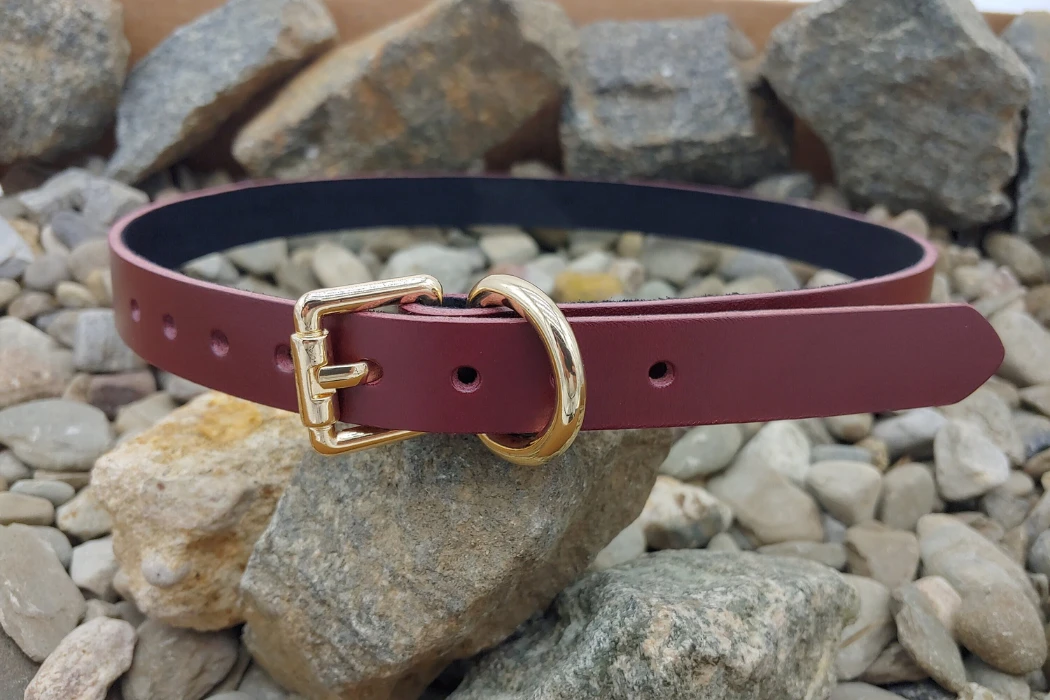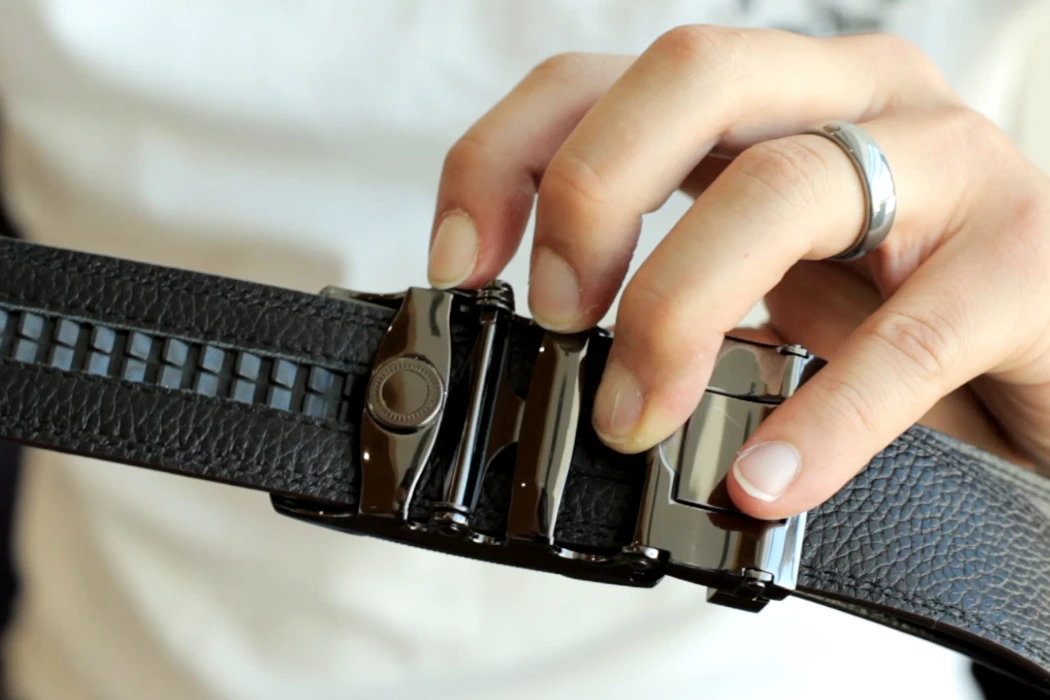
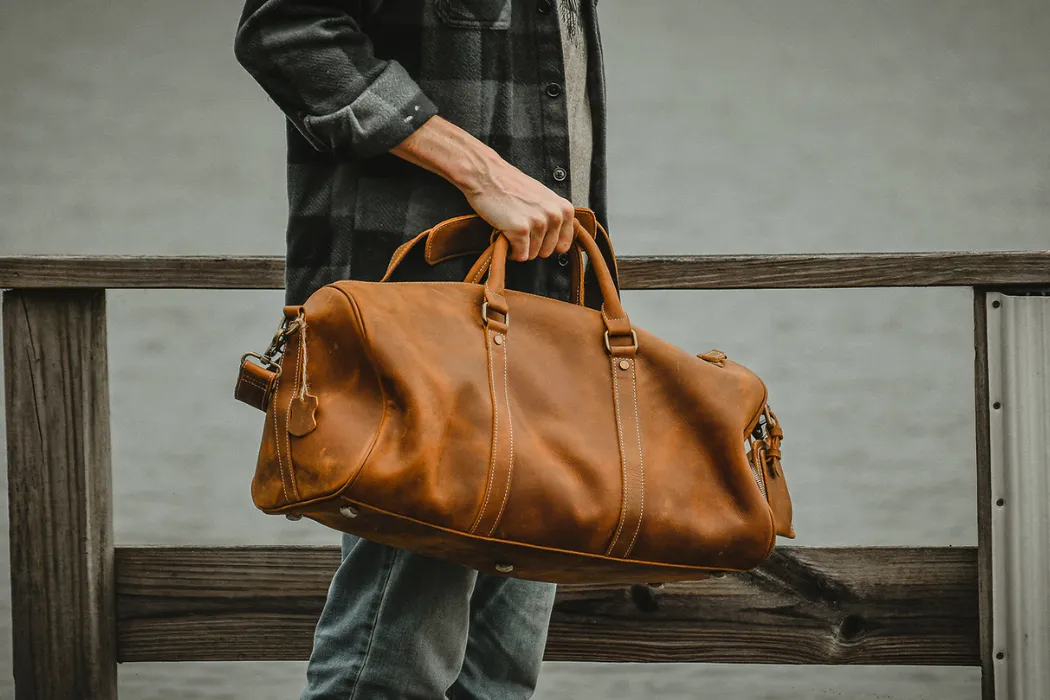
A leather bag can remain useful for a long time, but its material label does not establish a fixed lifespan. Leather, seams, handles, lining, closures, use and care all contribute. There is no defensible universal table assigning every full-grain bag twenty years and every “genuine leather” bag only a few years.
For a brand, durability is a specification and evidence question. Decide how the bag will be used, identify its likely failure points and make any service-life or warranty claim no broader than the support available.
Why leather grade does not predict years
Full grain describes retention of the grain surface without corrective mechanical removal. It does not describe every finish, thickness, reinforcement or assembly choice. The Leather Working Group terminology separates material descriptions from a finished product’s performance.
“Genuine leather” is not enough detail to identify the layer or construction. Ask for the material reference and specification. Nor does patina mean every scratch is harmless: desirable appearance change and a tear at a handle attachment are different observations.
Inspect the parts that end a bag’s useful life
| Area | Potential issue | Evidence to collect |
|---|---|---|
| Handle and strap attachments | Loose stitching, local tearing or shifting fastener | Location, load history, assembly reference and photographs |
| Closure | Jamming, separation or unreliable fastening | Component reference and operation on the filled bag |
| Edges and panels | Peeling, cracking or separation | Material batch, flex location and care history |
| Lining and pockets | Torn seams, snagging or detached pocket | Contents and points of contact |
| Base and corners | Abrasion, loss of shape or local wear | Use conditions and intended support |
| Hardware finish | Appearance change or transfer to adjacent material | Finish reference and contact/exposure history |
More stitches per inch, a heavier buckle or a famous zipper name is not a complete durability assessment. The component must suit its position and be assembled correctly. Agree the actual component and functional requirements rather than treating a generic metal or thread name as a lifetime guarantee.
Define the use before selecting assessments
A light occasion bag and a daily work tote need different briefs. Record intended contents, frequency of use, carrying method and relevant exposure. Review material properties and the complete assembly separately.
Ask the supplier or a qualified laboratory which assessments answer the brief: for example, repeated closure operation, handle attachment performance, abrasion at contact areas, colour rubbing or behaviour after the specified exposure. Agree methods, conditions and acceptance criteria. Results under those conditions cannot automatically be converted into years of normal use.
Keep a retained approved sample and link the material and hardware references to the order. A substitution in finish, lining or attachment may alter performance even if the exterior photograph appears unchanged.
Care and repair can help, without a numerical promise
Follow the finished product’s care instructions, remove spills promptly as directed and store it dry with appropriate shape support. Do not apply saddle soap, oil or protector to every leather on a universal schedule. See the leather care guide for choosing a method by material and finish.
Repair feasibility depends on access, remaining material condition and replacement parts. A zipper or handle may be replaceable in one construction and difficult to replace in another. Decide during development whether spare components or accessible attachment arrangements are worthwhile. Never promise that all leather repairs are easy or that repair extends life indefinitely.
Compare value using disclosed assumptions
Cost per use can help compare alternatives, but a forecast is only as reliable as its assumed uses, repairs and replacements. Keep the formula clear: total ownership cost divided by actual or explicitly assumed uses. Do not insert an unsupported twenty-year lifespan and present the answer as proof that one material is always cheaper.
For a retail brand, examine landed cost together with observed returns, support work and repairs. Keep observed data separate from a proposed target. A resale percentage is market- and model-specific, not a property of full-grain leather.
Use returns to improve the next order
Group complaints by failure mode and cohort, then compare them with sales volumes for the same product period. Record care history without assuming that every failure is caused by the customer. Check whether the issue appears in retained samples or a particular batch.
Bring that evidence into the next bag development brief. Send the construction and required assessment to Hoplok before finalizing product-page durability wording.
Frequently asked questions
Does full grain guarantee a lifetime bag?
No. It describes a material characteristic, while useful life depends on the complete construction and use.
Can care double every bag’s lifespan?
No such universal percentage is established. Use approved care and assess actual condition.
Does a laboratory cycle result prove calendar years?
No. It reports performance under specified conditions, which need separate evidence before a service-life prediction.