There is no single useful price for “real leather.” To compare quotations, a buyer needs the material article, usable quantity, finish and delivery basis. For a finished belt, bag or wallet, the leather price is only one part of the cost: cutting yield, components and assembly determine how that price becomes a unit quotation.
What should a leather price include?
Start with the unit. Material may be quoted by area, by hide or by a prepared piece. Ask whether the figure covers a stock article or a custom colour and finish, and whether sorting or cutting is included. Record the currency, quotation validity and delivery basis. Two attractive numbers cannot be compared until those assumptions match.
| Quotation item | Question to resolve |
|---|---|
| Material identity | Which species, hide layer, tannage and finish are offered? |
| Measurement and quantity | What is the unit, ordered area and accepted measurement basis? |
| Usable yield | Which marks are allowed, and what pattern pieces must be cut? |
| Colour and tooling | Are custom colour matching, embossing or sampling charged separately? |
| Finished construction | Are lining, hardware, edge treatment, reinforcement and packaging included? |
| Delivery | What freight, insurance, duties or other charges remain outside the quotation? |
Why leather articles have different costs
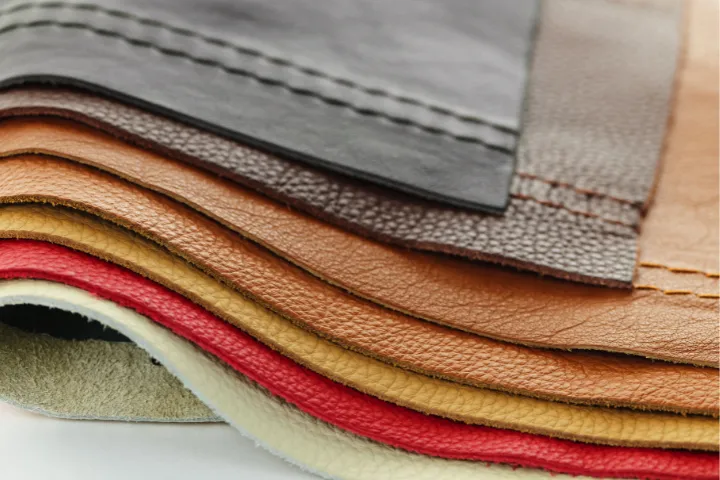
Species, usable dimensions, surface selection and processing affect the offered material. A requirement for large, visually uniform bag panels may create a different yield from a wallet programme using smaller pieces. A custom colour or finish may also have different production minimums from a stocked article.
Full-grain, corrected-grain and split descriptions identify meaningful construction differences, but they do not form a universal price list. “Genuine leather” is not a fixed low-price grade, and “premium” does not explain what was purchased. Ask for a sample and a specific material declaration. The leather grades guide sets out the questions behind those labels.
Country of supply is also insufficient to establish quality or value. Compare equivalent specifications, supplier capability and delivery terms. A price premium should have an identifiable reason rather than relying only on an origin label.
Calculate material consumption from the real pattern
Net pattern area is the area of the pieces in the design. Purchased material must also cover cutting losses, excluded areas and matching requirements. A long belt strap and a large uninterrupted bag panel may be difficult to place even when the remaining hide contains plenty of total area.
Planning calculation: purchased area required = net pattern area ÷ expected cutting yield. Material cost per product = purchased area per product × quoted material price per area. Use a yield supported by a trial or comparable construction, and confirm whether the supplier has already included that allowance in a finished-goods price.
For example, if a hypothetical pattern totals 2 square feet and the agreed planning yield is 80%, it requires 2.5 square feet of purchased material. This is an arithmetic illustration, not a leather consumption benchmark or Hoplok quotation. A different pattern or appearance standard changes the result.
Translate leather cost into a belt, bag or wallet quotation
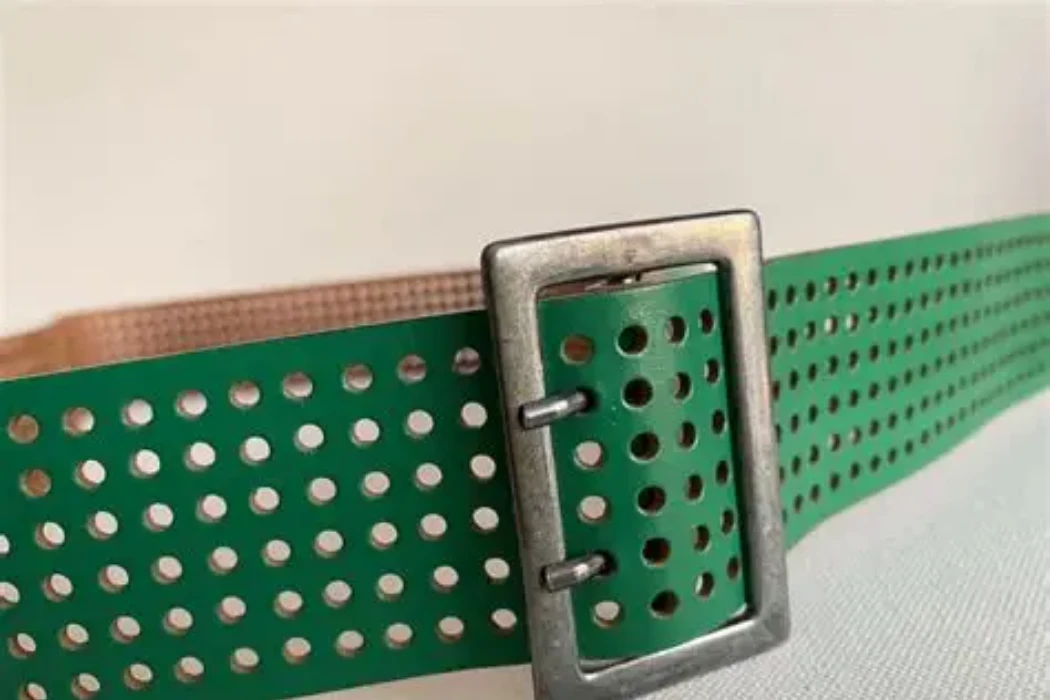
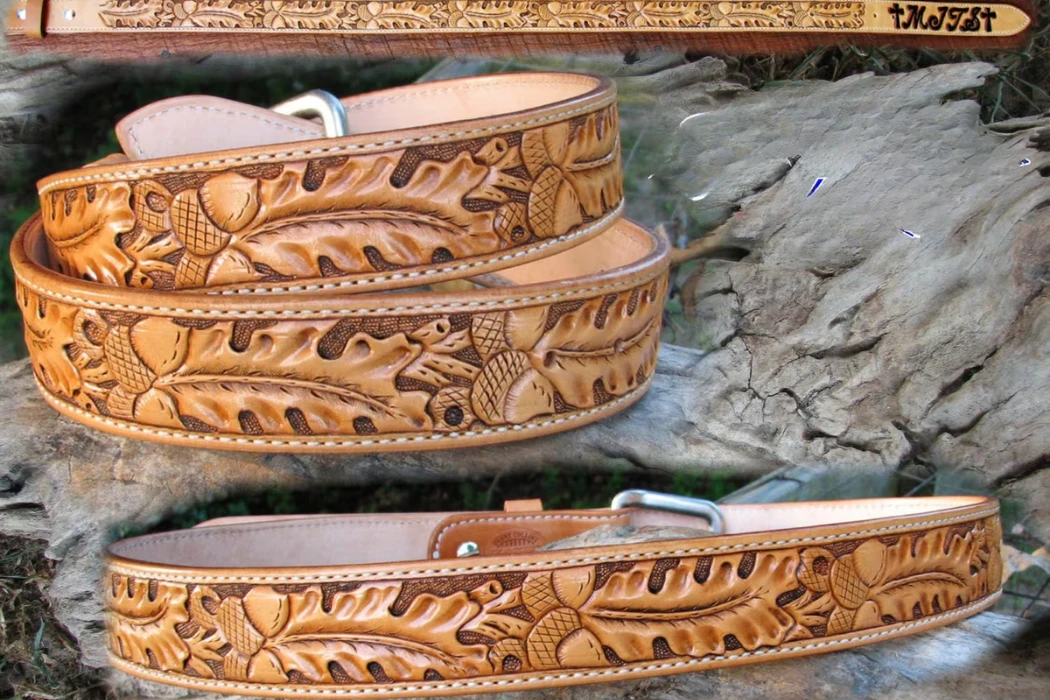
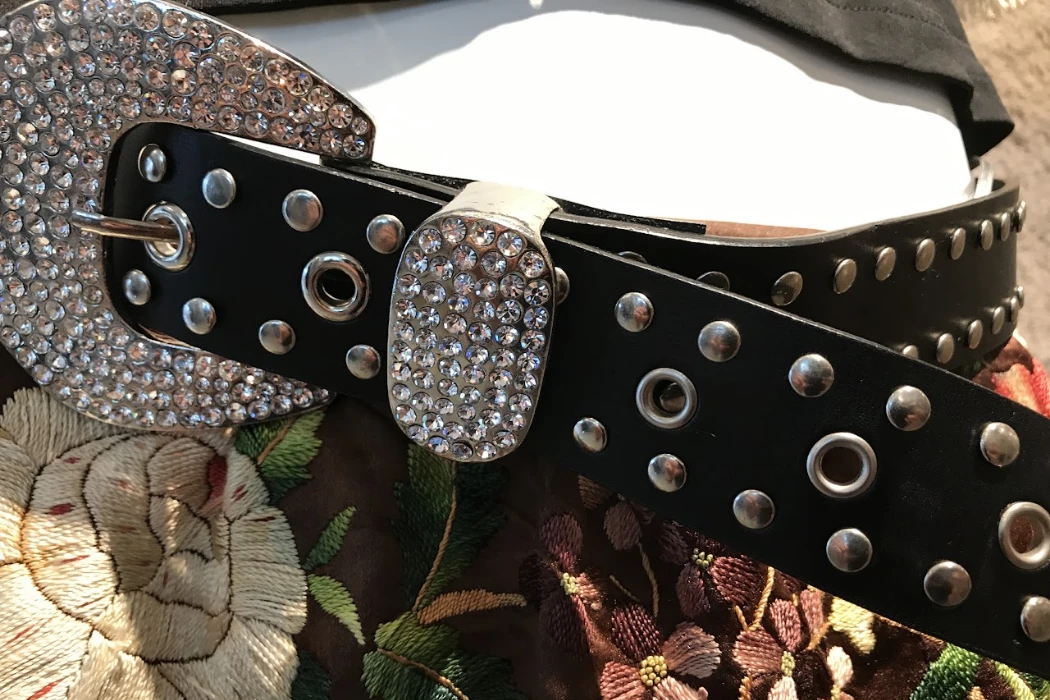
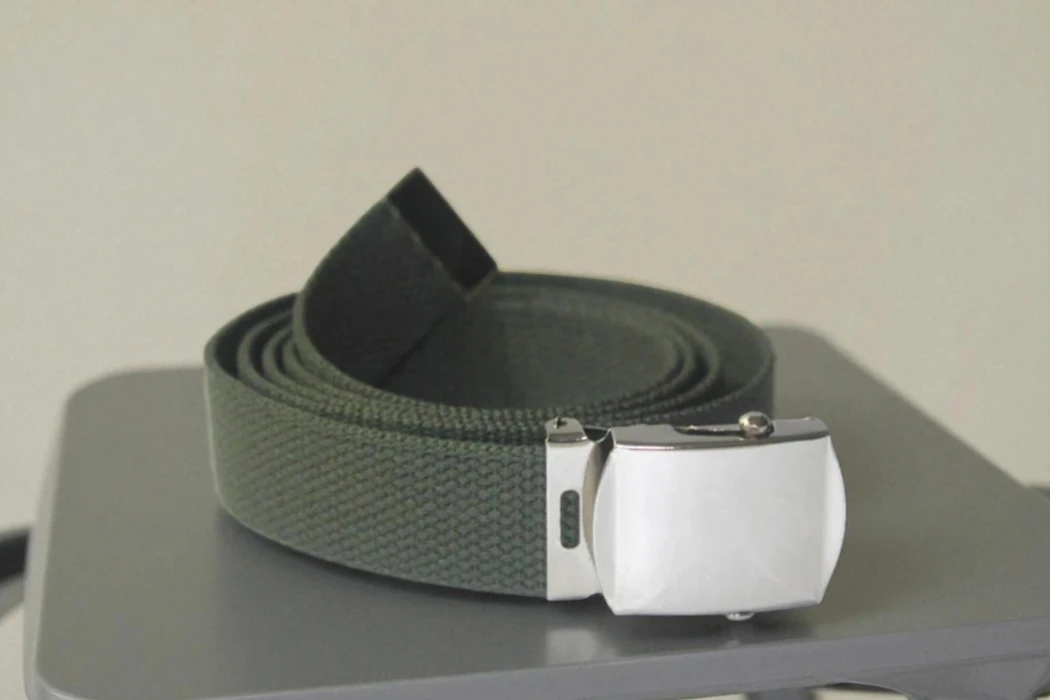
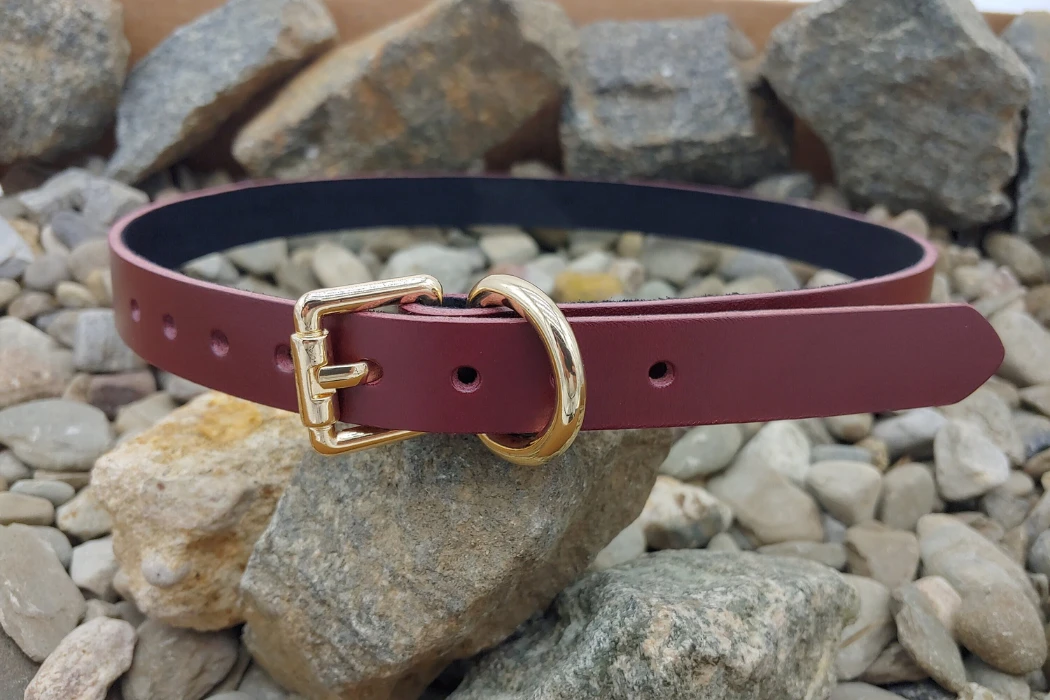
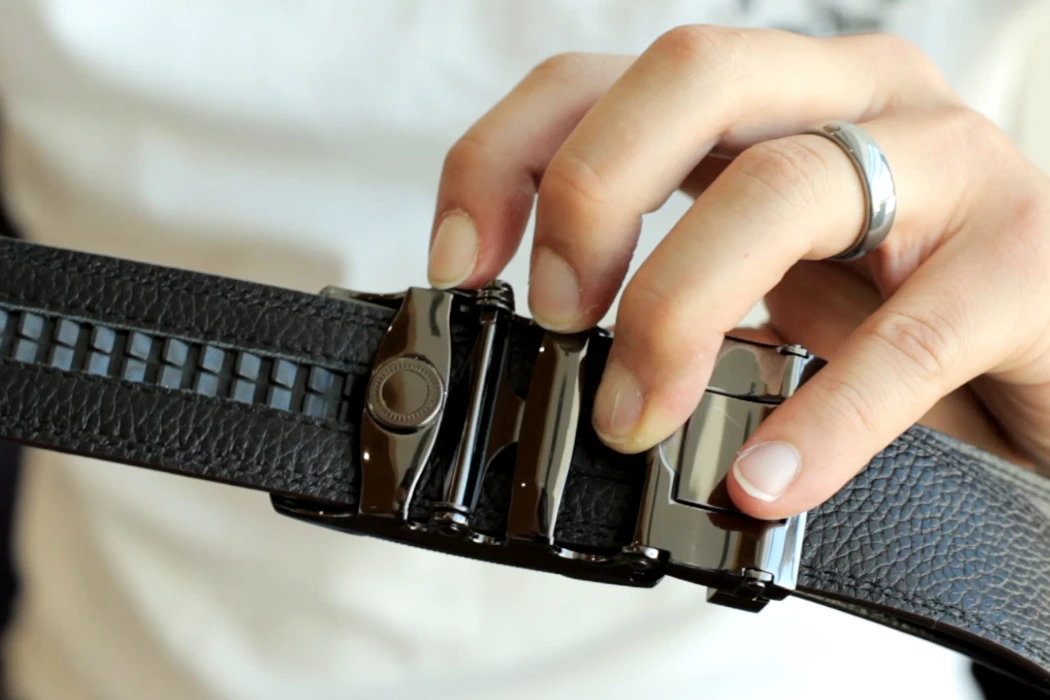
A finished belt may include face material, a lining or core, a buckle, keeper, attachment hardware, stitching, edge finishing and packaging. Confirm whether a quoted thickness means the face leather or the complete strap. A cheaper face material can produce a similar total price if the rest of the construction is more complex.
For bags, review lining, reinforcement, pockets, closures, straps and handle attachments. Large matched panels and detailed edge work can change the manufacturing effort. For wallets, the number of pockets, folded thickness and skiving requirements matter as well as the small area of leather used.
Keep a bill of materials beside the quotation. If two suppliers differ substantially, ask them to identify the construction or cost assumption behind the difference before negotiating the final number.
Bulk purchasing, colour minimums and timing
A larger order may spread setup and tooling costs, but a large total split across many small colour runs is not necessarily equivalent to one consolidated run. Ask whether the material minimum applies by article, colour or another basis. Do not assume the finished-product MOQ automatically satisfies a custom material run.
At Hoplok, confirmed finished-product MOQs are 300 leather belts, 200 leather bags and 300 leather wallets. The PU MOQ is 1,000 pieces for each category. Sampling lead time is 2–3 weeks for belts and 3–4 weeks for bags; bulk lead time is 60–90 days. Confirm the order’s colour allocation and schedule in the quotation.
Reduce cost through changes you can approve
- Evaluate a stock colour or existing texture before commissioning custom development.
- Review panel dimensions and matching rules with the cutter; do not quietly lower the appearance standard.
- Compare standard and custom hardware with the same functional requirements.
- Simplify unnecessary seams or components only after checking the finished sample.
- Consolidate compatible materials across a collection where the design permits it.
- Agree inspection criteria early so the price covers the intended acceptance level.
Request a revised sample whenever a cost change affects material, construction or finish. A cheaper quotation is useful only when the product remains acceptable to the brand and its customers.
What to send for an actionable quotation
Provide product drawings or a reference sample, dimensions, quantity and colour split, preferred material, logo artwork, hardware requirements, packaging and delivery destination. State which details are fixed and which alternatives can be explored. Include test requirements that your customer or market expects.
Use Hoplok’s manufacturing service to discuss material and assembly together, or send a quotation brief. Ask for an itemised explanation of changes between quote revisions so that material savings are distinguishable from changes to the finished product.