Introduction
You’ll find the term “premium leather” stamped as a mark of luxury on everything from designer handbags to the plush seats of a new car. It immediately suggests superior quality, a cut above the rest. But in an industry filled with complex terminology, have you ever stopped to ask what “premium” actually means? Is it a guaranteed mark of the best leather available, or is it a clever marketing term designed to justify a higher price tag? The truth is, while brands use the term to imply excellence, it isn’t an official grade like “full-grain” or “top-grain.”
While “premium leather” is a marketing term, not an official grade, it generally refers to high-quality **full-grain** or **top-grain** leather. Technically, **full-grain leather is the highest quality** because it uses the strongest, outermost layer of the hide with its natural grain intact. However, true premium quality also depends on the hide’s origin, the tanning process, and the final craftsmanship of the product, which this guide will explore in detail.
The line between a genuine investment and a clever label can be thin. Therefore, understanding the real markers of quality is essential for any brand or consumer looking for value and longevity. This guide will cut through the confusion. We will break down the official leather grades, show you how to spot the characteristics of true quality, and ultimately help you determine if a product labeled “premium” is genuinely worth the investment. Let’s dive in and uncover the facts behind the marketing.
Defining Premium Leather: What Makes It “Premium”?
“Premium leather” is defined by the quality of its raw materials and processing. It originates from the best parts of select animal hides, typically full-grain or top-grain, which are chosen for their minimal flaws. Manufacturers achieve the “premium” quality through superior tanning methods (like vegetable tanning) and finishing techniques that preserve the leather’s natural strength, grain integrity, and ability to develop a beautiful patina over time.
The Basics: Composition and Sourcing
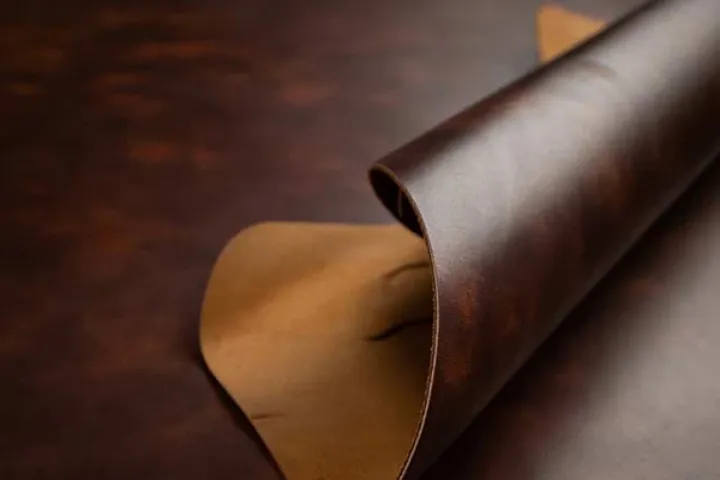
At its heart, premium leather begins with a superior raw material. Tanners source it from select animal hides—most commonly cowhide, but also buffalo, goat, or sheepskin—where the quality of the hide itself is paramount. This means they actively select hides with minimal scars, brands, or insect bites, ensuring a cleaner final product. Furthermore, a growing component of “premium” in 2025 is ethical and sustainable sourcing, with many high-end brands prioritizing hides from farms with transparent and humane practices.
What is Premium Leather Made Of?
The “premium” label is determined by both the part of the hide used and how it’s treated. Key components include:
- Raw Materials: True premium leather always comes from the strongest, outermost layers of the hide (full hides), never from the weaker inner layers (splits) or from shredded scraps (bonded leather).
- Tanning Agents: The tanning method has a huge impact. For instance, many luxury brands consider **vegetable-tanned leather** to be the ultimate eco-premium choice due to its natural, artisanal process. **Chrome-tanned leather**, while more common, can also be considered premium if it’s produced in a high-quality, environmentally responsible tannery.
Key Attributes That Define Premium Quality
Several tangible characteristics separate premium leather from the rest:
- Grain Integrity: The natural grain of the hide is intact and visible, not sanded away or covered with a heavy artificial coating.
- Thickness and Suppleness: It has a substantial, durable feel (often 1.5–3mm thick) but remains supple and flexible.
- Patina Development: One of its most prized qualities is its ability to develop a rich, beautiful patina—a unique sheen and darkening that occurs with age and use.
Is Premium Leather Real Leather?
Yes, without a doubt. Premium leather is not only real leather; it is the best real leather. Brands use the term to elevate it above lower grades like “genuine leather” and to distinguish it from fakes.
However, because “premium” is a marketing term, it’s crucial to verify the claims. You should always look for supporting terms like “full-grain” or “top-grain” on the label. A product simply labeled “premium” with no other details could be using the word loosely, so it’s important to use the identification tips we’ll cover later in this guide.
Premium Leather Sourcing Table
| Animal Source | Common Origin | Pros | Cons |
|---|---|---|---|
| Cowhide | Italy, USA, Brazil | Highly durable, versatile, widely available | Can be stiff initially |
| Calfskin | France, Italy | Very soft, fine grain, luxurious | Less durable than mature cowhide |
| Goatskin | Pakistan, India | Lightweight, supple, strong for its weight | Smaller hide size |
Leather Grades Explained: Where Does Premium Leather Rank?
While “premium” is a marketing term, brands almost always use it to describe the two highest official grades of leather: full-grain and top-grain. Full-grain is the highest quality, preserving the natural surface of the hide, while top-grain is a close second, with a sanded, more uniform finish. Both are vastly superior in durability and feel to lower grades like genuine and bonded leather, which are never considered premium.
The Hierarchy of Leather Grades
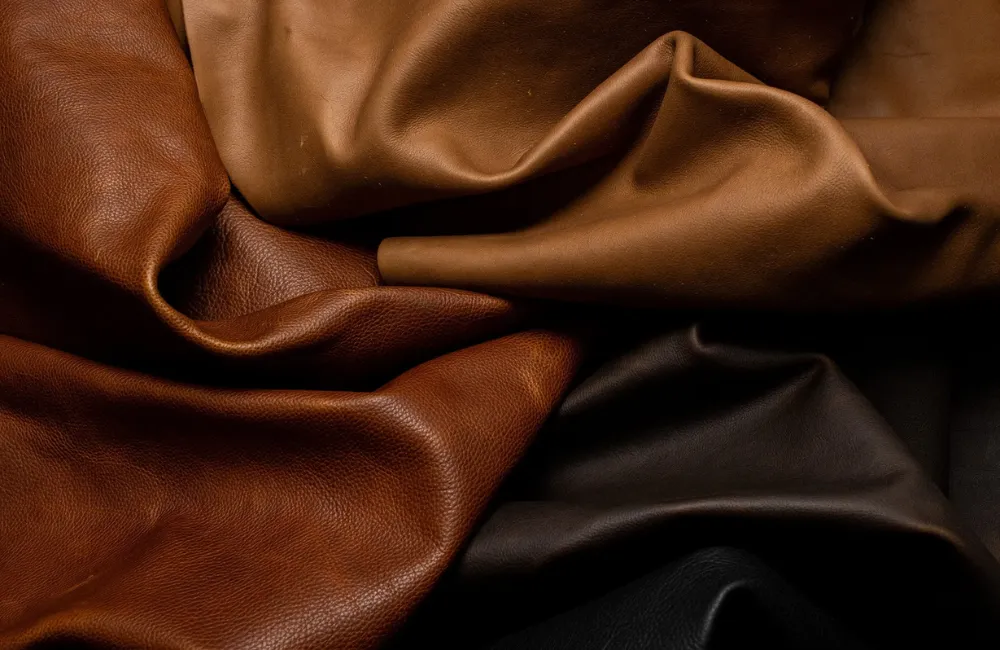
To understand where “premium” fits, you must first understand the official hierarchy of leather grades. This ranking is based on which layer of the hide the leather comes from, from the strongest outer layer to the weakest inner layers.
- Full-Grain Leather: The absolute best and most natural.
- Top-Grain Leather: The second-best, with a more processed, uniform surface.
- Genuine Leather (Split Leather): A lower-to-mid tier made from the inner hide.
- Bonded Leather: The lowest tier, made from leather scraps.
Generally, brands reserve the term “premium leather” for products made from the top two tiers: full-grain and top-grain.
Full-Grain Leather: The Pinnacle of Premium?
So, is full-grain leather the best? Yes. It is the undisputed king of leather quality. Tanners make it from the very top layer of the hide and leave it completely untouched—no sanding, no buffing. This means it retains the hide’s natural grain, pores, and any minor imperfections, which serve as marks of authenticity. Because the dense, tight fibers of the top layer are preserved, it is the strongest and most durable leather you can buy. Its most prized characteristic is its ability to develop a rich, beautiful patina over time, meaning it only gets better with age. This is why brands almost always label full-grain products as premium.
Top-Grain Leather: Premium with a Polished Finish
Top-grain leather is also a premium material. It comes from the same top layer of the hide as full-grain, but its surface has been lightly sanded to remove imperfections and create a more uniform, smoother finish. This makes it an excellent choice for luxury goods where a flawless, polished look is desired. While it is slightly less durable than full-grain and won’t develop as deep a patina, it offers a fantastic balance of high quality, stain resistance, and a more accessible price point, firmly placing it in the premium category.
Genuine Leather vs. Premium Leather
There is a vast quality gap between genuine leather and premium leather. Genuine leather is a mid-tier grade made from the weaker, inner layers of the hide (split leather), while premium leather is made from the strong, durable outer layers.
A product labeled “premium” should feel substantial, have a natural texture, and be built to last for years. In contrast, a “genuine leather” product, while still real leather, will be thinner, less durable, and will often have an artificial, plastic-like coating. They are in completely different leagues of quality.
Grades Table: At a Glance
| Grade | Typical “Premium” Status | Durability | Avg. Cost / sq ft |
|---|---|---|---|
| Full-Grain | Always Premium | Excellent (10-20+ years) | $8 – $15 |
| Top-Grain | Considered Premium | Very Good (5-10 years) | $6 – $12 |
| Genuine Leather | Not Premium | Fair (3-5 years) | $2 – $5 |
| Bonded Leather | Not Premium | Poor (< 1 year) | $1 – $3 |
Is Premium Leather the Highest Quality? Analyzing the Evidence
Yes, premium leather that is specified as full-grain is the highest quality available. You can measure its quality through its superior durability, natural texture, and ability to last for decades. However, the term “premium” alone is not a guarantee. True quality is also influenced by the tanning method, finishing, and brand reputation, which you must consider alongside the leather’s grade.
Quality Metrics: Durability, Texture, and Longevity
The superiority of premium leather isn’t just a matter of opinion; it’s measurable. For example, high-quality full-grain leather has a dense fiber structure that gives it incredible tensile strength, often testing between 200-300N, making it highly resistant to tearing. Its longevity is legendary, with well-cared-for items lasting 10–20+ years. The texture of premium leather is another key metric; the natural, uncorrected grain is a sign that the tanner used only the best part of the hide, free from major blemishes that would need to be sanded away.
Factors Influencing Perceived Quality
While the leather grade is the foundation, several other factors contribute to whether a final product is perceived as “premium.”
- Tanning Method: A vegetable-tanned full-grain leather is often considered more premium than a chrome-tanned one due to its eco-friendly, artisanal process and its ability to develop a richer patina.
- Finishing: The quality of the dyes, oils, and waxes used in the finishing process can dramatically affect the leather’s final look, feel, and durability.
- Brand Reputation: A trusted brand’s name often serves as a guarantee of quality, as they have a reputation to uphold.
Common Misconceptions About Premium Leather
The most common misconception is that “premium” is an official, standardized grade. It is not. It is a marketing adjective, and its meaning can vary from one brand to another.
This is why it’s crucial to look for more specific terms. A product labeled “premium full-grain leather” is making a verifiable claim about its quality. On the other hand, a product simply labeled “premium leather” could be using the term more loosely. Therefore, you should always be a critical consumer and look for the details that back up the “premium” claim.
Expert Opinions and Industry Standards
Industry experts and organizations like the Leather Working Group (LWG) provide a benchmark for quality. An LWG certification, for example, doesn’t just assess the leather’s physical quality; it also audits the tannery’s environmental and ethical practices. For a manufacturer like Hoplok Leather, “premium” means meeting these international standards, from sourcing ethically produced hides to employing high-quality finishing techniques that ensure a durable and beautiful final product.
Quality Debate Table: Premium vs. Standard
| Metric | Premium Leather (Full/Top-Grain) | Standard Leather (Genuine/Split) |
|---|---|---|
| Durability Rating | 9/10 | 5/10 |
| Breathability Rating | 8/10 | 5/10 (if coated) |
| Patina Potential | Excellent | Poor |
| Natural Feel | High | Low (often feels artificial) |
Premium Leather vs. Other Types: Key Comparisons
Premium leather (full/top-grain) is vastly superior to genuine leather in durability and feel. Unlike synthetic leather, it is a natural, breathable material that ages beautifully. While exotic leathers like alligator are rarer and more expensive, premium cowhide offers a more accessible form of high-end quality. Ultimately, “premium” signifies the top tier of traditional, widely available leathers.
To fully grasp the value of premium leather, it’s helpful to see how it stacks up against other materials you’ll find in the market. Each comparison highlights a different aspect of its quality.
Premium Leather vs. Genuine Leather
This is the most critical comparison for consumers. The difference between premium leather vs genuine leather is stark:
- Quality: Premium is a high-grade material from the top layer of the hide. In contrast, genuine is a lower-grade material from the inner layers.
- Durability: Premium leather is built to last for many years, even decades. Genuine leather, however, is prone to cracking and wearing out much faster.
- Cost: Genuine leather is significantly cheaper, but this comes at the cost of longevity and quality.
Premium Leather vs. Full-Grain and Top-Grain
This is less of a competition and more of a clarification. The term “premium leather” is an umbrella that typically encompasses both full-grain and top-grain. Full-grain is the rawest, most natural form of premium leather, while top-grain is a refined, polished version. Both are considered the highest tiers of quality.
Premium Leather vs. Synthetic/Faux Leather
Here, the battle is between natural quality and artificial convenience. Premium leather is a real, breathable animal hide that develops character over time. Synthetic leather, on the other hand, is a plastic (PU or PVC) that is affordable and waterproof but lacks breathability, durability, and the eco-friendly potential of a natural, long-lasting product.
Premium Leather vs. Exotic Leathers
While exotic leathers like alligator or ostrich are incredibly luxurious and expensive, “premium leather” typically refers to the highest qualities of more common hides like cowhide. Premium leather is more accessible, while exotics are in a class of their own due to extreme rarity and cost.
Comparison Table: Materials at a Glance
| Material | Pros | Cons | Avg. Cost / sq ft |
|---|---|---|---|
| Premium (Full-Grain) | Extremely durable, ages beautifully | High cost, requires care | $8 – $15 |
| Genuine Leather | Affordable, real hide | Low durability, artificial surface | $2 – $5 |
| Synthetic/Faux | Very cheap, waterproof, vegan | Not durable, not breathable, plastic | $1 – $4 |
| Exotic (e.g., Alligator) | Extremely rare, unique texture | Extremely expensive, ethical concerns | $20 – $100+ |
Pros and Cons of Premium Leather
Premium leather’s main advantages are its superior durability, natural beauty, and excellent long-term value. It is comfortable, breathable, and develops a unique patina. The primary disadvantages are its high initial cost, the need for regular maintenance to preserve its quality, and potential ethical concerns if not sourced from certified, responsible tanneries.
Advantages of Premium Leather
Investing in premium leather brings a host of benefits that justify its price tag.
- Superior Durability: Products made from full-grain or top-grain leather can withstand years of heavy use without tearing or cracking.
- Natural Beauty and Patina: It has a rich, natural character that cannot be replicated, and it develops a beautiful patina that enhances its appeal over time.
- Comfort and Breathability: As a natural material, it is breathable and will soften and mold to the user, becoming more comfortable with age.
- Excellent Long-Term Value: While expensive upfront, its incredible longevity makes it a smart investment that won’t need frequent replacement.
Disadvantages and Limitations
However, there are some trade-offs to consider before investing in premium leather.
- Higher Cost: It is the most expensive grade of leather, which can be a significant barrier for some budgets.
- Requires Maintenance: To maintain its beauty and prevent drying, it needs to be cleaned and conditioned periodically.
- Ethical Sourcing: To be truly premium, brands must verify that the leather is sourced from ethically and sustainably run tanneries.
Is Premium Leather Worth the Investment?
Yes. The return on investment (ROI) for premium leather is exceptional. A $100 full-grain leather belt that lasts 10 years has a cost-per-year of just $10. In contrast, a $50 genuine leather belt that lasts only 3 years has a cost-per-year of over $16. The quality option is the more economical choice in the long run.
Common Uses and Applications of Premium Leather
Premium leather is the material of choice for high-quality, durable goods. In fashion, manufacturers use it for luxury bags, wallets, and belts where feel and longevity are paramount. It is also essential for high-end footwear and jackets due to its comfort and durability. In interiors, it is used for long-lasting furniture upholstery and luxury automotive seating, showcasing its versatility and prestige.
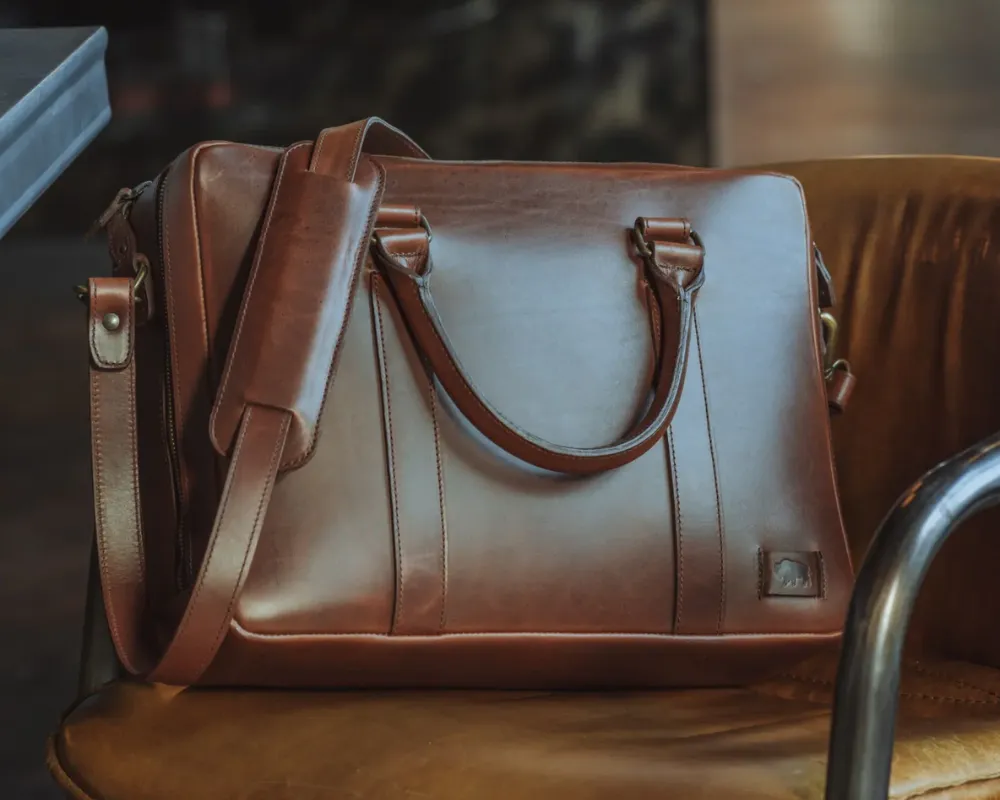
Because of its superior qualities, manufacturers use premium leather for products where durability, comfort, and a luxurious feel are essential.
Fashion and Accessories (Bags, Wallets, Belts)
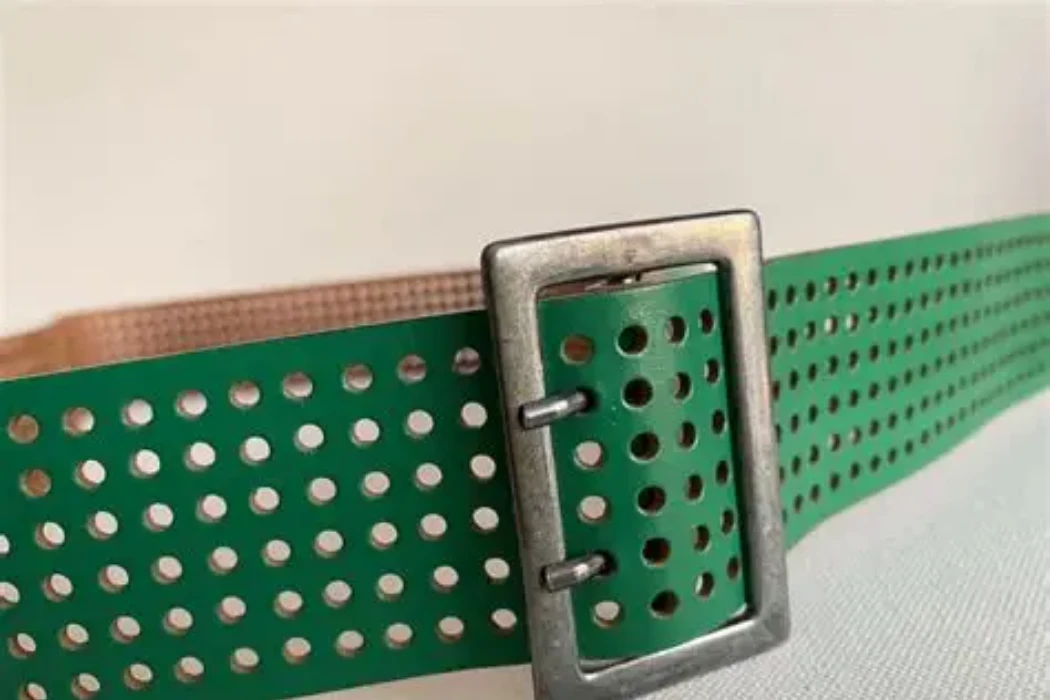
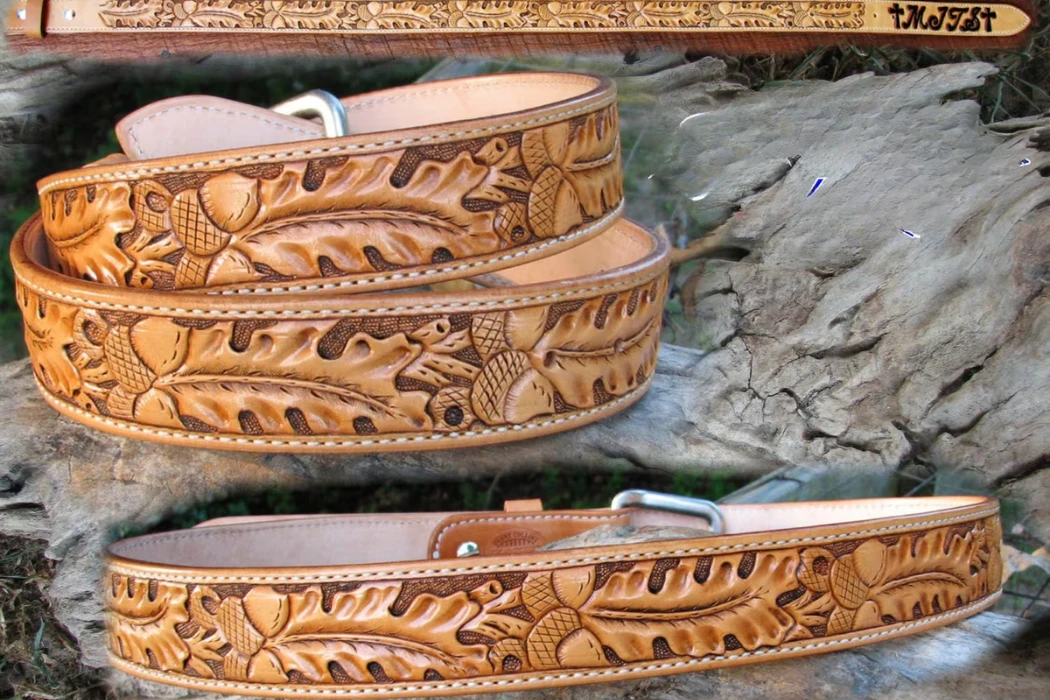
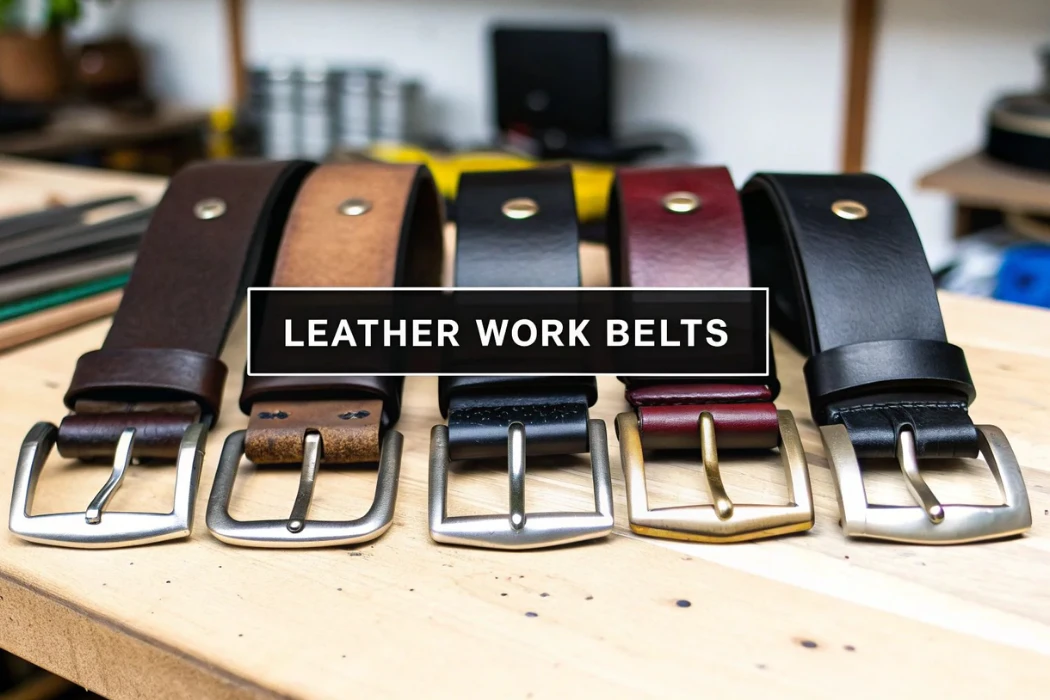
This is the most visible application. Luxury brands use premium full-grain and top-grain leather to craft their signature handbags, briefcases, wallets, and belts. The material’s strength ensures the product can withstand daily use, while its beautiful grain and ability to patina provide the aesthetic appeal that commands a high price. A manufacturer like Hoplok Leather specializes in sourcing these premium materials to create custom, high-end accessories for brands worldwide.
Footwear and Apparel
Premium leather is the foundation of high-quality shoes and jackets. Its breathability and ability to mold to the body make it incredibly comfortable for footwear, while its durability ensures a long lifespan. For jackets, its strength provides excellent protection and a timeless, stylish look.
Furniture and Interiors
For long-lasting, high-end furniture, premium leather is the top choice for upholstery. It is comfortable, easy to clean, and incredibly resistant to the wear and tear of daily life, making it a practical and beautiful option for sofas and chairs. It is also used in luxury automotive interiors for its plush feel and durability.
Uses Table: At a Glance
| Application | Why Premium Leather is Used | Common Grade |
|---|---|---|
| Luxury Handbags | Beautiful appearance, soft feel, durability | Full-Grain or Top-Grain |
| Durable Belts | Extreme strength, develops patina | Full-Grain |
| Dress Shoes | Polished finish, comfort, longevity | Top-Grain Calfskin |
| Furniture Upholstery | Durability, comfort, easy to clean | Top-Grain |
How to Identify Premium Leather: Tips and Tricks
To identify premium leather, use your senses. Look for the unique, imperfect patterns of a natural grain, a hallmark of full-grain. Real premium leather has a rich, earthy smell, unlike the chemical odor of fakes. It should feel supple and warm to the touch. Finally, check the label for specific terms like “full-grain” or “top-grain” and look for certifications from groups like the Leather Working Group.
Visual and Tactile Inspection
Your eyes and hands are your first and best tools for assessing quality. Premium, full-grain leather will have a visible and unique grain pattern, complete with small, natural imperfections like pores or tiny scars. A perfectly uniform, repeating pattern is a red flag for an artificial embossed grain. Premium leather should also feel supple, flexible, and warm to the touch, not stiff or plasticky.
Smell, Burn, and Water Tests
Authentic, high-quality leather has a distinct and pleasant earthy scent. Faux leather, in contrast, will have a chemical or plastic smell. While not always practical, a burn test is definitive: a tiny piece of real leather will char and smell like burning hair, while a fake will melt and smell like burning plastic. A simple water test also works: a single drop of water on unfinished premium leather will slowly be absorbed. On a fake, it will simply bead up and sit on the surface.
Label Reading and Certifications
A reputable brand using high-quality materials will be proud to say so. Look for labels that are specific. “Premium Full-Grain Leather” is a much more trustworthy description than just “Premium Leather.”
Also, look for mentions of certifications from organizations like the Leather Working Group (LWG), which indicates that the leather was sourced from a tannery that meets high environmental and ethical standards.
Red Flags for Fakes
Be wary of anything that seems too perfect. An overly uniform texture, a plastic-like sheen, and a complete lack of minor imperfections are all signs of a synthetic material. If the price seems too good to be true for a large, supposedly “premium” leather item, it almost certainly is.
How to Care for Premium Leather: Maintenance Guide
Caring for premium leather is essential for its longevity. For daily cleaning, a simple wipe with a soft, dry cloth is sufficient. Every 3-6 months, apply a high-quality leather conditioner or balm to keep it moisturized and prevent cracking. For stains, use a specialized leather cleaner. Always store your items in a cool, dry place away from direct sunlight to preserve their quality and appearance.
Daily Cleaning and Conditioning
Premium leather doesn’t require intensive daily care, but a few simple habits go a long way. Wipe your items down with a soft, dry cloth periodically to remove dust. The most important maintenance step is conditioning. To keep the leather hydrated and supple, apply a quality leather balm or conditioner every 3-6 months, or whenever it starts to feel dry. This simple step will prevent cracks and preserve the leather’s natural beauty.
Dealing with Stains, Scratches, and Wear
For minor spills, blot the liquid immediately with a soft cloth; do not rub. For tougher stains, use a cleaner specifically formulated for leather. Minor scratches are often a part of the leather’s character and can be minimized by rubbing them with your finger to redistribute the natural oils, or by applying a small amount of conditioner.
Storage Best Practices
How you store your leather goods is crucial. Keep them in a cool, dry place with good air circulation. Avoid plastic bags, which can trap moisture and lead to mildew. Use a breathable fabric dust bag for storage. To maintain the shape of bags, stuff them lightly with paper. For expert advice on the best conditioners for your specific product, a quality manufacturer like Hoplok Leather can often provide recommendations.
Common Care Mistakes to Avoid
The biggest mistake is using harsh household chemicals. Cleaners containing alcohol, solvents, or silicone will strip the leather of its natural oils and destroy its finish. Always use products specifically designed for leather care.
Sustainability, Ethics, and Pricing of Premium Leather
Premium leather’s sustainability is tied to responsible practices. When sourced as a byproduct of the meat industry and treated with eco-friendly vegetable tanning, it can be a sustainable choice. Its price ($8–$15/sq ft) reflects these higher standards. Ethical considerations depend on animal welfare and supply chain traceability, often verified by certifications like the Leather Working Group (LWG).
Environmental Impact
The environmental footprint of premium leather is a complex topic. On one hand, using hides from the meat industry is a form of recycling that prevents waste. On the other, the tanning process can be polluting. This is why the method matters:
- Vegetable Tanning: This is the more sustainable option, using natural, biodegradable tannins.
- Chrome Tanning: While faster and cheaper, this method uses harsh chemicals that require expensive and strict environmental controls to be considered responsible.
Ethical Sourcing Considerations
For a leather to be truly premium in 2025, it must be sourced ethically. This means ensuring animal welfare and having a transparent, traceable supply chain. Certifications from the Leather Working Group (LWG) are the industry gold standard, as they audit tanneries for both environmental performance and ethical practices.
Premium Leather Prices in 2025
As a top-tier material, premium leather commands a high price. The cost is influenced by the grade, the origin (e.g., Italian leather often carries a 20% premium), and the tanning method. You can expect to pay:
- $8–$15 per square foot for high-quality, full-grain cowhide.
Is Premium Leather Sustainable?
Yes, it can be. A premium, vegetable-tanned, full-grain leather product that is built to last for decades is a powerful antidote to the disposable culture of fast fashion. Its longevity makes it a fundamentally sustainable choice compared to cheap, petroleum-based synthetics that end up in a landfill after only a few years.
Frequently Asked Questions (Based on Google PAA)
Common questions about premium leather focus on its definition and quality. “Premium leather” refers to the highest grades, like full-grain and top-grain. Full-grain is technically the highest quality due to its uncorrected, natural surface. Premium leather is far superior to “genuine leather” in durability. To identify it, look for natural grain imperfections and specific labels from the brand.
Premium leather is a term for the highest quality leather, typically referring to full-grain or top-grain grades. It is known for its durability, natural texture, and ability to age beautifully.
Yes. Specifically, premium leather that is identified as **full-grain** is the highest quality leather you can buy, as it is the strongest and most natural part of the hide.
What are the grades of leather?
The main grades, from highest to lowest quality, are: Full-Grain, Top-Grain, Genuine (Split) Leather, and Bonded Leather.
Premium leather vs genuine leather?
Premium leather (full/top-grain) is made from the strong, outer layer of the hide and is very durable. Genuine leather is a lower-quality grade made from the weaker, inner layers and is far less durable.
Look for a natural, imperfect grain pattern, a rich leather smell, and a supple feel. Check the product’s label for specific terms like “full-grain” or “top-grain.”
No, premium leather is not waterproof, but it is naturally water-resistant. It can be treated with a waterproofing spray for added protection, but it should never be saturated with water.
Conclusion
So, is premium leather the highest quality? When the term refers to full-grain leather, the answer is a definitive yes. It represents the pinnacle of durability, character, and natural beauty. However, as we’ve learned, “premium” is a marketing term, and true quality lies in the verifiable details: the grade, the tanning method, and the craftsmanship. By arming yourself with this knowledge, you can see past the labels and identify the products that offer true, lasting value.
Choosing premium leather is an investment in a product that will stand the test of time. For brands, it’s a commitment to quality that builds trust and loyalty. At Hoplok Leather, we understand this better than anyone. With over 22 years of experience, we specialize in sourcing the world’s finest premium leathers and crafting them into exceptional, custom-made goods. We partner with brands to create products that are not just beautiful, but are also a testament to the enduring value of quality craftsmanship.
Ready to Create Your Premium Leather Collection?
Don’t just settle for a label. Partner with a manufacturer that understands true quality. At Hoplok Leather, we offer expert guidance in sourcing and manufacturing with the world’s finest premium leathers. Let us help you build a product line that stands for excellence and durability.