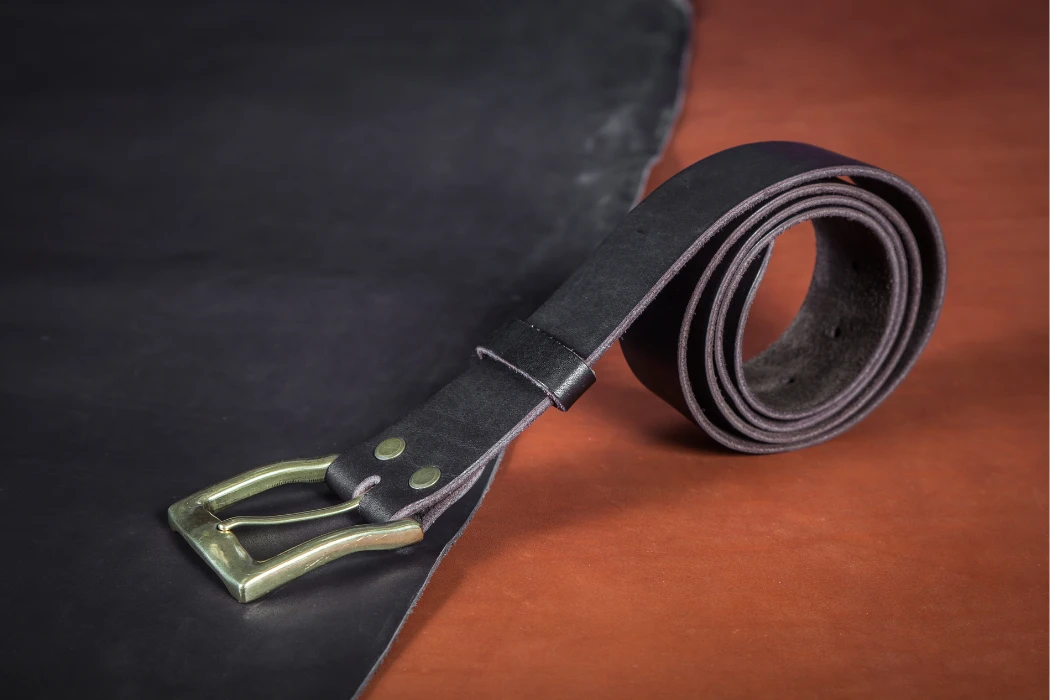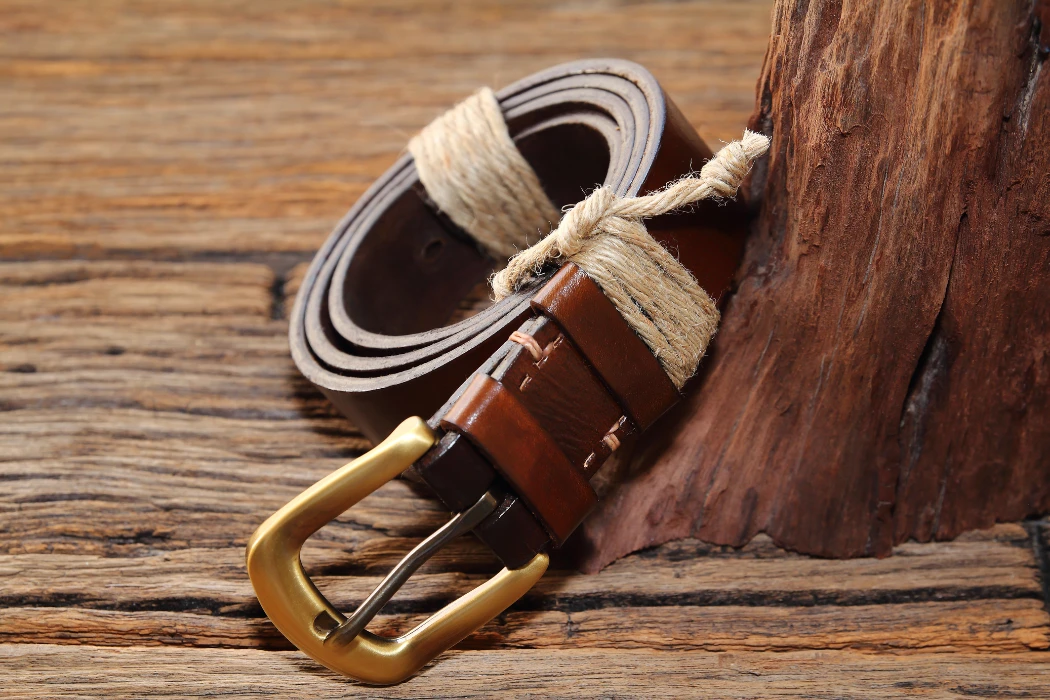
Split leather offers moderate durability, typically lasting between 3 to 7 years depending on its finish. It is created from the fibrous corium layer of the hide, making it structurally weaker than Full-Grain leather (which lasts 20+ years) but significantly more tear-resistant than most synthetic faux leathers (which often fail in 2-4 years). Split leather exists in two main forms: the naturally abrasion-resistant Suede, and the PU-Coated Split (often labeled “Genuine Leather”), which is prone to peeling over time.
Why did your “Genuine Leather” dress belt snap in half after just one year, while your rough-out suede work boots are still going strong after five? They are both technically “Split Leather,” but their destinies are completely different. One embraces its fibrous structure; the other tries to hide it under a layer of paint.
This guide peels back the layers of the “Genuine Leather” marketing label. We will use manufacturing data to compare the physical tensile strength of splits against full-grain hides, explain the chemistry behind why coated splits eventually peel, and help you decide exactly when this cost-effective material is the smart engineering choice—and when it is a waste of money.
What Exactly Is Split Leather and How Is It Made?
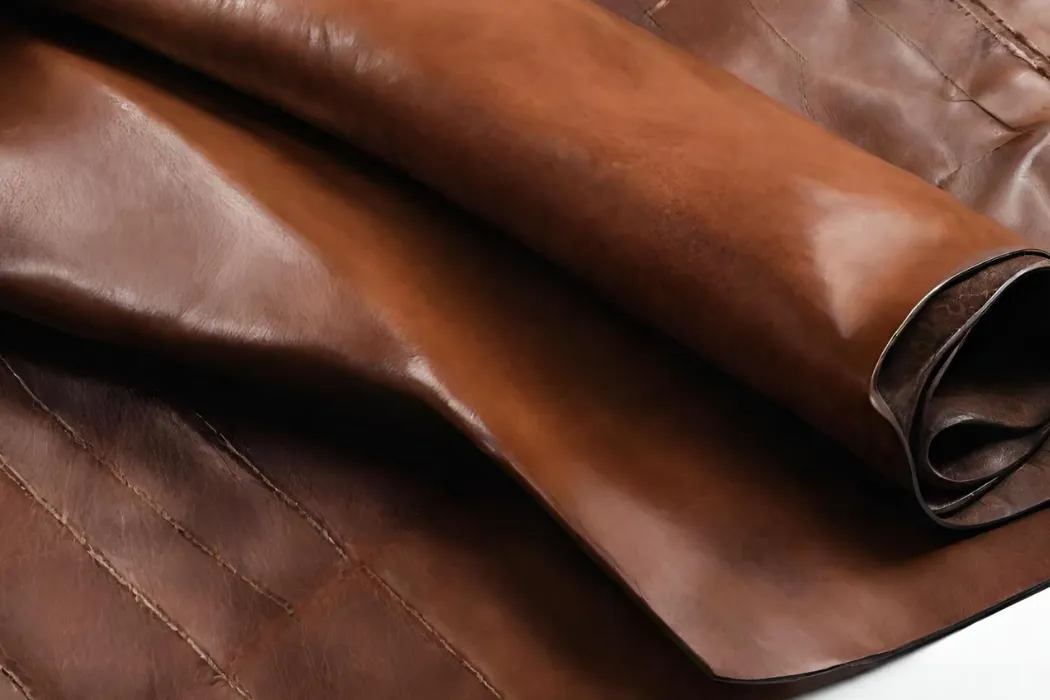
Split leather is the direct result of the Splitting Machine process. When a raw hide, which can be 4mm to 8mm thick, is sliced horizontally, the top layer becomes the valuable “Top-Grain,” while the remaining bottom layer (the flesh side) becomes Split Leather. Physically, it is composed entirely of the Corium layer—a network of looser, horizontal collagen fibers. Because it lacks the tight, vertical “grain” structure of the surface, it naturally possesses lower tensile strength but offers a cost-effective, absorptive material ideal for suede finishes.
The Anatomy of the Hide: Grain vs. Corium
To understand durability, you must look at the hide’s architecture. A cowhide is not uniform from top to bottom.
- The Grain (Top 1-2mm): This is the skin’s armor. The collagen fibers here are packed vertically and tightly interwoven. This density gives Full-Grain leather its immense tear strength.
- The Corium (The Split): This is the bottom layer. Here, the fibers run mostly horizontally and are much looser, creating a sponge-like structure. While it is still 100% real leather, this loose structure means a split layer will stretch more and tear easier than the grain layer under tension.
The Splitting Process: Creating Two from One
Manufacturing leather is about maximizing yield. We cannot use a 6mm thick hide for a handbag; it’s too heavy. So, we split it.
- The Machine: A massive band-knife splitting machine feeds the wet hide through a blade rotating at high speed. It slices the hide with a tolerance of +/- 0.1mm.
- The Value: This process doubles the surface area yield of a single animal. The top layer is sold as premium leather, and the bottom layer (the drop split) is saved to become suede or coated leather, effectively turning one hide into two products.
Selecting the Right Split (Hoplok Insight)
Not all splits are created equal. The location on the animal matters just as much for the bottom layer as it does for the top.
Manufacturer’s Insight (Hoplok): At ProPelli, we sort our splits based on fiber tightness. A “Double Butt Split” (from the rear of the cow) has a tighter fiber structure and is strong enough to be used as the core for a lined belt. A “Belly Split” is extremely loose and stretchy; we strictly relegate this material to internal reinforcements or linings where it won’t face structural stress.
How Durable Is Split Leather Compared to Full-Grain?
In terms of pure structural durability, Split Leather is inferior to Full-Grain Leather. Full-Grain leather features vertically interlocking fibers that provide maximum tear strength (rated 10/10 on the durability scale), whereas Split Leather consists of horizontally layered, looser fibers (rated roughly 6/10). However, for non-load-bearing applications like handbag linings or shoe uppers, this durability is often sufficient. The critical weakness of split leather is low tensile strength, making it unsuitable for high-tension items like single-layer belts or heavy straps.
Tensile Strength: Why Belts Snap
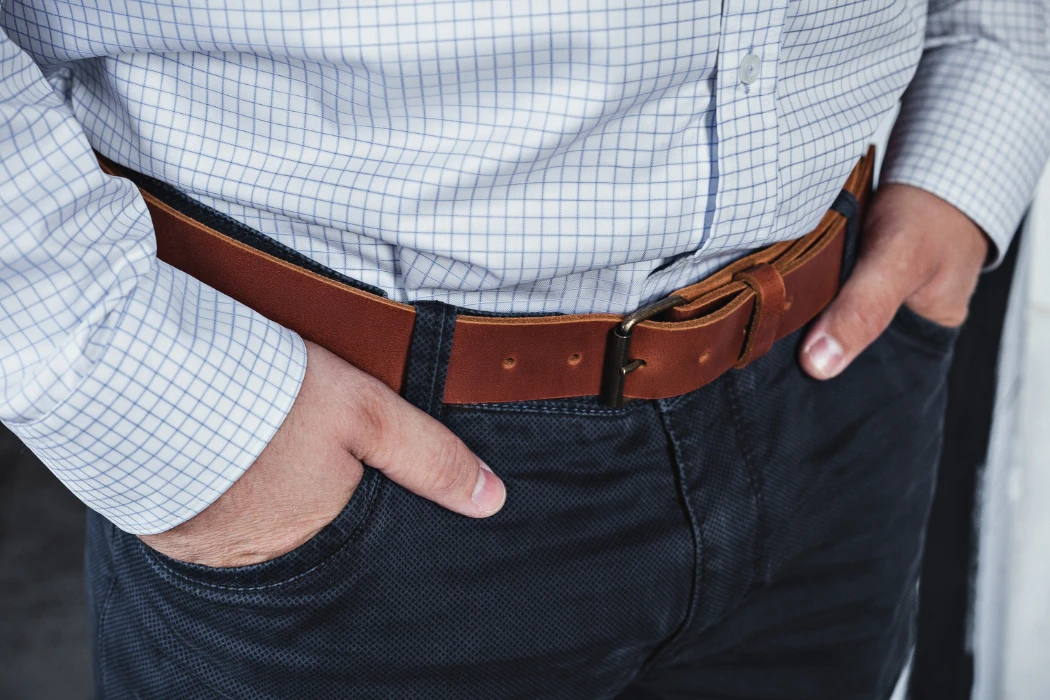
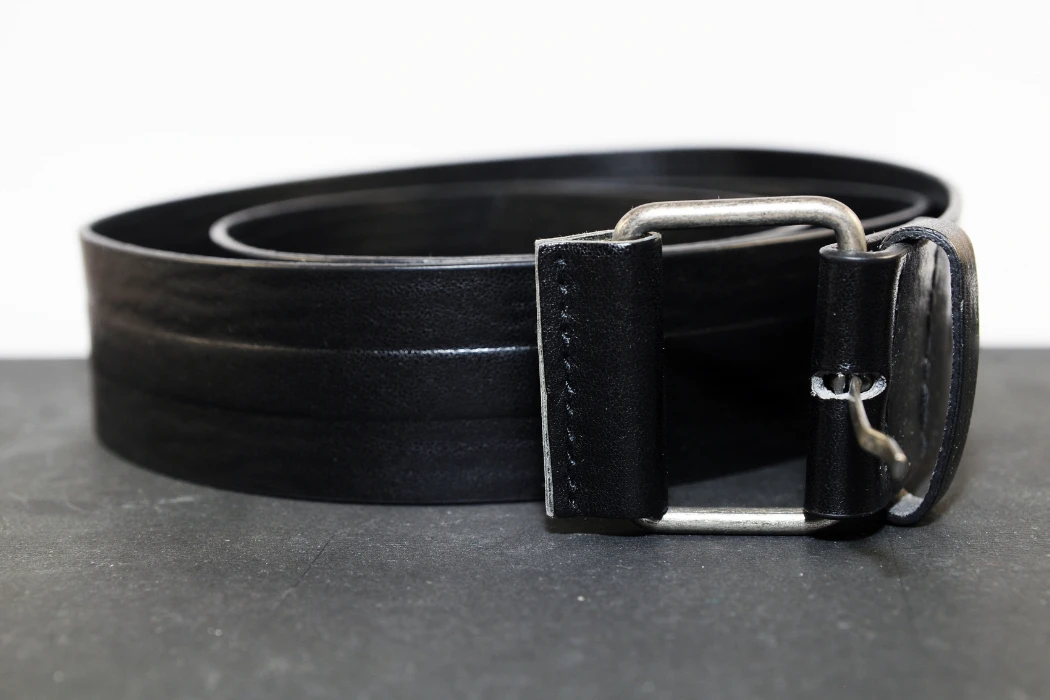
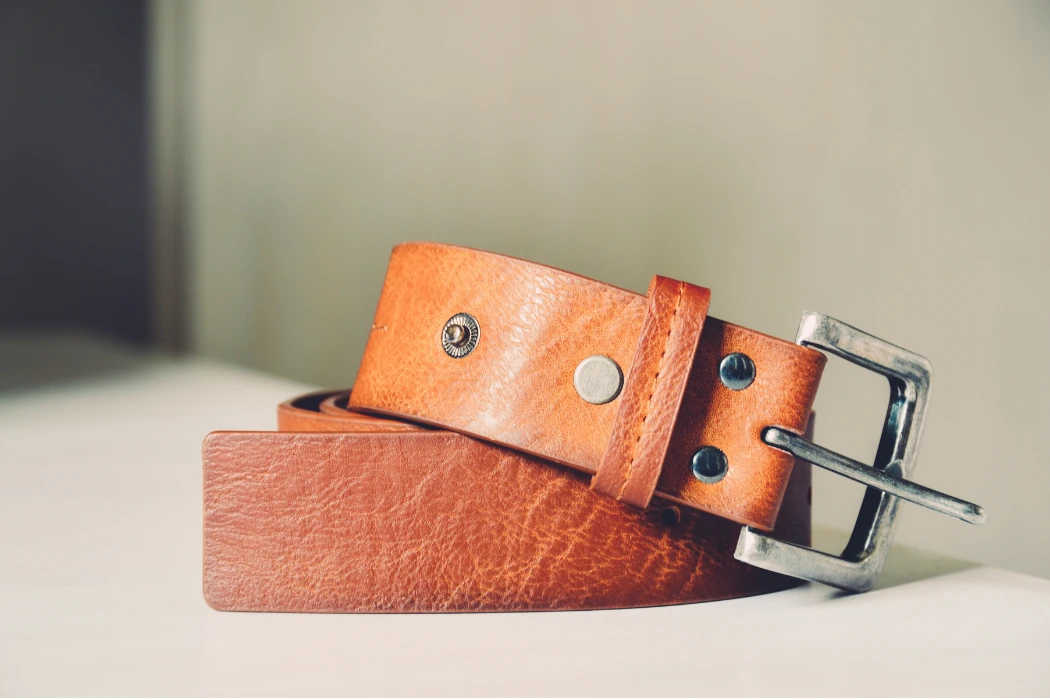
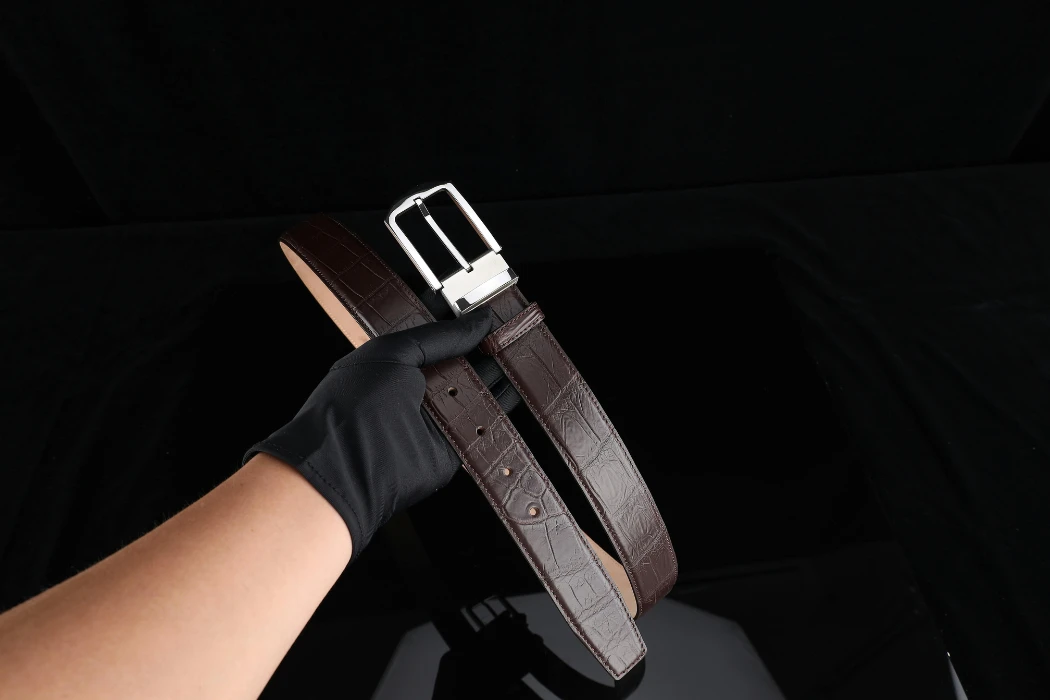
The most common misuse of split leather is in single-layer belts. This application demands high tensile strength to resist the constant pulling force at the buckle.
- The Physics: Full-grain leather has a tensile strength often exceeding 2500 PSI, thanks to the grain layer holding it together. Split leather drops to around 1000-1200 PSI.
- The Failure: When you use a split leather belt, the tension is focused on the adjustment hole. Without the tight grain layer to reinforce it, the hole stretches into an oval and eventually tears through within 6-12 months. This is why split leather must be lined or used in low-tension areas.
Abrasion Resistance: The Suede Advantage
While weak in tension, high-quality Split Leather (specifically Suede) excels in abrasion resistance. This is why it is the material of choice for skateboard shoes and heavy-duty work gloves.
The fuzzy “nap” of the suede acts as a shock absorber. When you scrape suede against concrete or rough metal, the loose fibers catch and deflect the friction, protecting the core material. A smooth Full-Grain surface might show a deep scratch from the same impact. For items that face surface rubbing rather than stretching, split leather is a high-performance choice.
Leather Durability Hierarchy
Use this table to compare the structural integrity of different leather grades.
| Leather Type | Structural Density | Typical Lifespan | Best Use |
|---|---|---|---|
| Full-Grain | Very High (Interlocked) | 20+ Years | Belts, Straps, Boots, Saddles |
| Top-Grain | High (Sanded surface) | 10 – 15 Years | Luxury Handbags, Wallets |
| High-Quality Split (Suede) | Medium (Loose fibers) | 3 – 7 Years | Shoe Uppers, Linings, Gloves |
| Coated Split (Bycast) | Low (Dependent on coating) | 1 – 3 Years | Budget Furniture, Cheap Belts |
Why Does the Finish Determine the Lifespan of Split Leather?
The lifespan of split leather is dictated entirely by its finish: is it Suede or Coated (Bycast)? Suede (natural split) is highly durable and breathable, often lasting 5 to 7 years because it has no synthetic topcoat to fail. In contrast, Coated Split (often sold as “Genuine Leather” or Bycast) is covered with a thick Polyurethane (PU) layer to mimic full-grain. This coating typically cracks and peels within 2 to 3 years because the loose split fibers underneath stretch more than the rigid plastic topcoat can handle, leading to inevitable delamination.
Suede: The Durable, Breathable Split
Suede is the “honest” version of split leather. It embraces the fibrous nature of the corium rather than trying to hide it. Because there is no artificial “skin” glued to the surface, there is nothing to peel off.
- Mechanical Durability: Without a rigid topcoat, suede is incredibly flexible. It moves with the wearer. This makes it less prone to the flex-cracking that kills coated leathers.
- The Trade-off: While structurally sound, suede’s open fibers are a magnet for dirt and liquid. Its durability depends on the user keeping it dry and brushed. A well-maintained pair of suede boots can last decades, whereas a neglected pair will look ruined in months due to stains, not structural failure.
Coated (Bycast) Leather: The Peeling Time Bomb
This is the “dishonest” version of split leather, and it is the source of most consumer complaints about “fake” leather.
- The Process: Manufacturers take a low-grade, fuzzy split and apply a heavy layer of colored polyurethane (PU) or vinyl to the surface. This layer is often embossed with a fake grain pattern to look like Top-Grain leather.
- The Failure Physics: This is a composite material with two different elasticity rates. The leather base is loose and stretchy; the plastic topcoat is rigid. When you bend a coated split belt or shoe, the leather stretches, but the plastic snaps.
- The Result: This creates the infamous “peeling” effect, where thin strips of plastic flake off, revealing the fuzzy suede underneath. This usually happens at high-stress points (like the vamp of a shoe or a belt hole) within 18 to 24 months.
Suede vs. Coated Split Durability Matrix
Use this table to understand the specific risks associated with each finish.
| Finish Form | Primary Risk | Maintenance Needs | Expected Failure Mode |
|---|---|---|---|
| Natural Suede | Staining / Water Damage | High (Brush & Spray weekly) | Surface gets shiny/bald (Patina-like). |
| PU Coated Split | Delamination (Peeling) | Low (Wipe clean) | Plastic layer flakes off in strips. |
| Embossed Split | Cracking at Flex Points | Low | Deep cracks revealing fuzzy core. |
| Resin Backed (Lining) | Stiffening / Tearing | None (Internal use) | Tears at stitch lines under tension. |
Is Split Leather Better Than Synthetic Faux Leather?
Yes, generally speaking, Split Leather is superior to synthetic faux leather (PU/PVC) in terms of structural durability and heat resistance. Even as a lower-grade animal product, split leather consists of collagen fibers, which possess natural interlocking strength that plastics lack. Unlike PU, which suffers from hydrolysis (peeling and crumbling due to humidity) within 2-4 years, split leather will not disintegrate chemically. Furthermore, split leather retains some natural breathability, making it significantly more comfortable for footwear linings than non-porous synthetics.
Tear Strength Comparison
The structural integrity of these materials comes from completely different sources.
- Split Leather (Fiber Network): Even without the grain, the corium layer is a dense mat of collagen fibers. It has multi-directional tear strength. It is difficult to puncture, and if punctured, the hole does not easily expand.
- Faux Leather (Fabric Base): Synthetic leather is just a plastic coating on top of a fabric sheet (polyester or cotton). Its tear strength is entirely dependent on that thin fabric backing. Once the backing is snagged or cut, the material tears effortlessly like a piece of cloth.
Heat and Fire Resistance
This is the most definitive physical test. Leather is heat-resistant; plastic is not.
- The Welder’s Choice: There is a reason welding gloves are made from Split Leather (Suede) and never PU. Split leather can withstand sparks and contact heat up to 400°F (200°C) without melting or catching fire. It chars but protects the skin.
- The Melting Point: PU and PVC are thermoplastics. Exposure to high heat (like a car seat in summer or a heater) can cause them to soften, warp, or melt. In a fire scenario, they melt onto the skin and release toxic fumes.
The “Genuine Leather” Marketing Value
From a B2B perspective, material choice is also about perceived value.
- Consumer Perception: The label “Real Leather” (even if it is split) carries a higher perceived value than “Synthetic” or “Man-Made Materials.” Consumers intuitively associate leather with longevity.
- Aging vs. Decaying: Even a cheap split leather wallet will soften and relax over time. A faux leather wallet will stay stiff until the moment the plastic plasticizers evaporate, at which point it cracks and crumbles.
What Are the Best (and Worst) Applications for Split Leather?
The secret to using split leather successfully is “placement.” It excels in low-tension areas where abrasion resistance or texture is prioritized, such as handbag linings, work gloves, and suede footwear. However, it is a disastrous choice for high-tension applications like single-layer belts, heavy backpack straps, or sofa seating. In these high-stress zones, the loose fiber structure will stretch and warp rapidly, or the synthetic coating will peel under the constant friction of use.
The Perfect Lining Material
While often rejected for the exterior, split leather is the hero of the interior. Using a 0.6mm – 0.8mm split (often Pig Split or Cow Split) as a lining adds significant value to a luxury bag.
- Structure: It adds “heft” and body to a bag without the extreme cost of a full-grain lining.
- Durability: Unlike a polyester lining which can tear or fray at the seams after 2-3 years, a split leather lining is virtually indestructible in normal use. It won’t snag on keys or pens.
- Tactile Feel: It provides a velvety, premium touch inside the bag that synthetic fabrics cannot match.
Workwear and Safety Gear
This is where split leather (in its suede form) shines. It is the industry standard for safety gear because it is cheap, tough, and heat-resistant.
- Work Boots: “Rough-out” boots use the split side facing out. Why? Because if you scuff smooth leather on a rock, you ruin the grain. If you scuff split leather, you just create more nap. It is practically immune to cosmetic damage.
- Gloves & Aprons: As mentioned in H2.5, the thermal resistance of split leather protects workers from burns. A PU glove would melt instantly in an industrial setting.
Product Application Scorecard
Use this scorecard to determine if split leather is the right engineering choice for your product.
| Product | Recommended? | Reason |
|---|---|---|
| Belts (Single Layer) | NO | Will stretch, warp (“baconing”), and tear at holes within 6 months. |
| Wallets | Yes (If Lined) | Good for structure if covered or used as suede; avoids heavy tension. |
| Work Boots | YES | Excellent abrasion resistance; hides scuffs perfectly. |
| Handbag Lining | YES | Adds luxury weight and puncture resistance. |
| Furniture (Seating) | NO (Avoid Coated) | Coated splits (“Bi-cast”) peel rapidly under the friction of sitting. |
How Can You Maintain Split Leather to Make It Last?
The maintenance protocol for split leather depends entirely on its finish. For Suede (Natural Split), durability comes from keeping it dry and brushed; you must use a hydrophobic spray every 3-6 months to prevent liquid stains and a crepe brush to lift dust from the nap. For Coated Split (Bycast), you cannot use traditional leather conditioners as they won’t penetrate the plastic topcoat. Instead, you should apply a UV-protectant spray (vinyl guard) to prevent the coating from becoming brittle and cracking under sunlight. Avoiding excessive heat and sharp bends is critical for both types.
Care for Suede Splits (Brush & Protect)
Suede is durable but thirsty. Because it lacks the protective grain layer, it absorbs liquids instantly. Maintenance is about creating an invisible shield.
- Brushing: Use a brass or crepe brush weekly. This lifts the “nap” (fuzzy fibers), releasing trapped dirt that acts like sandpaper, wearing down the fibers over time.
- Waterproofing: This is non-negotiable. Apply a high-quality silicone-free waterproofer (like Nano Protector) before the first use and reapply every 4-8 weeks for high-use items like boots. This prevents water spots and oil stains from becoming permanent.
- Stain Removal: Do not use water. Use a suede eraser (a rubber block) to physically rub out dry stains.
Care for Coated Splits (Surface Protection)
Caring for “Genuine Leather” (coated split) is counter-intuitive. You are maintaining the plastic coating, not the leather underneath.
- Why Oils Fail: Never use mink oil or heavy creams. The polyurethane (PU) coating is non-porous. The oil will simply sit on the surface, attracting dust and making the bag sticky, or worse, it will loosen the adhesive bond between the coating and the leather, accelerating peeling.
- UV Protection: The biggest enemy of the coating is the sun. UV rays dry out the plasticizers in the PU layer, leading to cracking. Use a synthetic leather conditioner or a UV-protectant wipe (similar to those used for car interiors) every 3 months to keep the coating flexible.
- Storage: Never fold a coated split belt or bag tightly. The coating will develop permanent creases that eventually crack open. Store items flat or stuffed to maintain shape.
Frequently Asked Questions
1. Does split leather peel?
Only if it is coated. Natural split leather (Suede) cannot peel because it has no surface layer to separate. However, “Coated Split” (often labeled as Genuine Leather) is covered with a 0.1mm – 0.3mm layer of polyurethane. This plastic layer will eventually delaminate and peel away from the fibrous leather base, typically within 2-3 years of use due to hydrolysis and flexing.
2. Is split leather real leather?
Yes, it is 100% real animal hide. It is not a synthetic material. However, it is the inner “flesh” layer of the hide, lacking the dense, smooth “grain” surface of Full-Grain leather. While chemically identical to top-grain leather (collagen fibers), physically it is less dense and durable.
3. Is split leather waterproof?
Naturally, it is highly absorbent. Because it lacks the protective grain layer, raw split leather soaks up water instantly like a sponge. To be water-resistant, it must be treated. Coated splits are waterproof due to their plastic topcoat, while Suede must be treated with a hydrophobic spray to repel liquids.
4. Why is split leather cheap?
It is a by-product. When a tannery processes a thick hide for a premium Full-Grain order, the bottom layer is sliced off. This “drop split” is essentially leftover material. Because the cost of the hide is covered by the sale of the expensive Top-Grain layer, the Split can be sold at a fraction of the price, often 20-30% of the cost of Full-Grain.
5. Can you fix cracked split leather?
It is very difficult. If a Coated Split cracks, it means the plastic layer has failed structurally. You can use leather fillers and paint to patch it cosmetically, but the repair is usually temporary and visible. Unlike Full-Grain leather which can be re-conditioned, a cracked synthetic coating is an end-of-life failure.
6. Is cow split leather good?
It depends on the application. As Suede, cow split is an excellent, durable material for shoes and work gloves, offering great abrasion resistance. As imitation smooth leather (coated), it is a mediocre product designed for budget price points, offering the look of leather without the longevity.
Conclusion: The Value of the Workhorse
Split leather is not an “heirloom” material; it lacks the structural integrity to last 20 years like Full-Grain. However, it is not “trash” either. It is the manufacturing industry’s workhorse. When used honestly—as durable, breathable Suede or as a robust internal reinforcement—it offers incredible value and performance. The problem arises only when it is disguised with heavy coatings to mimic high-end leather, creating a product with a ticking clock on its lifespan.
For brand managers, the strategy should be transparency. Using split leather to lower costs is a valid business decision, provided it is placed in low-stress areas (like linings) or marketed correctly (as Suede). Attempting to pass off a coated split belt as a premium “Genuine Leather” accessory is a recipe for high return rates.
Hoplok Leather helps you make the right engineering choice. Our ProPelli facility can provide precision-split leather for high-quality linings, or rugged, waterproofed suede for footwear. We test every batch for tensile strength to ensure it meets the specific demands of your product. Contact Hoplok Leather today to find the most durable, cost-effective leather solution that fits your budget without compromising your brand’s integrity.