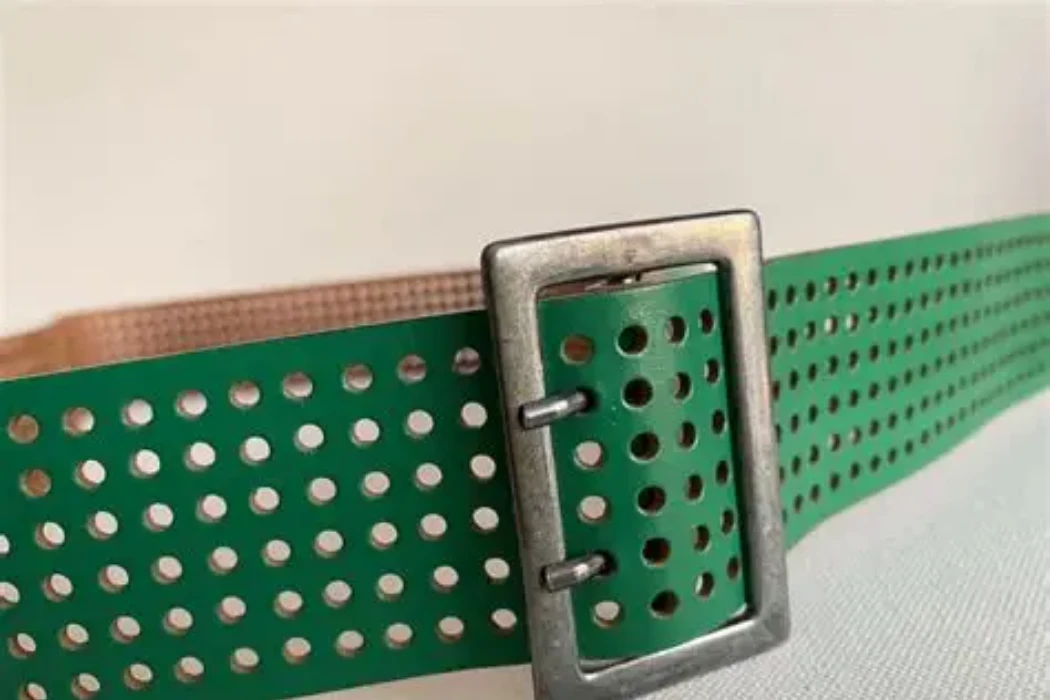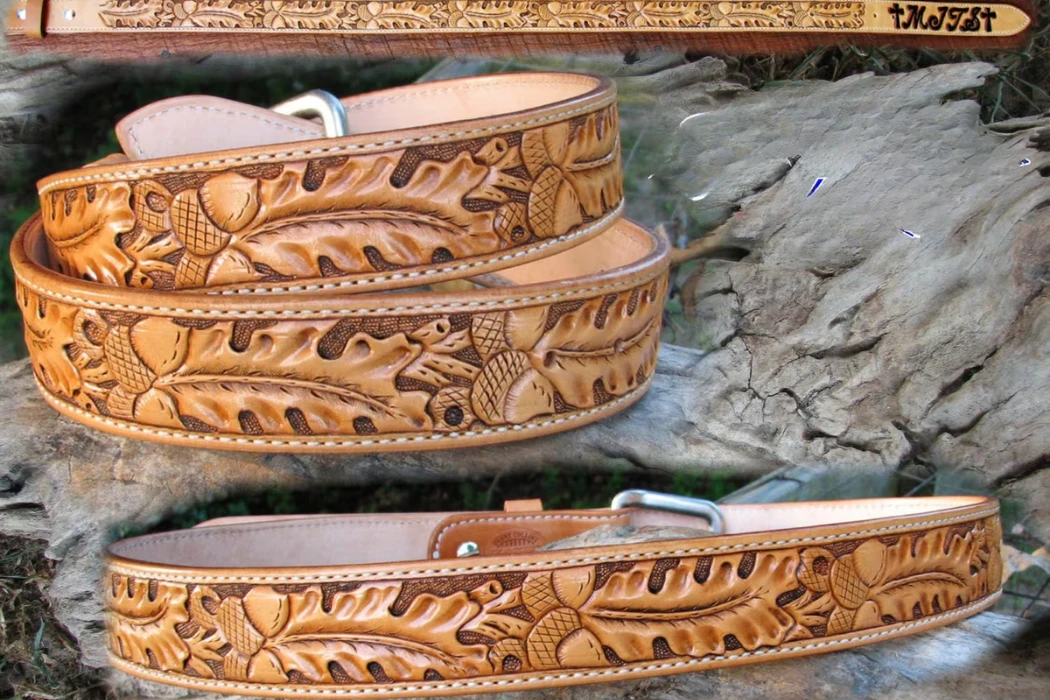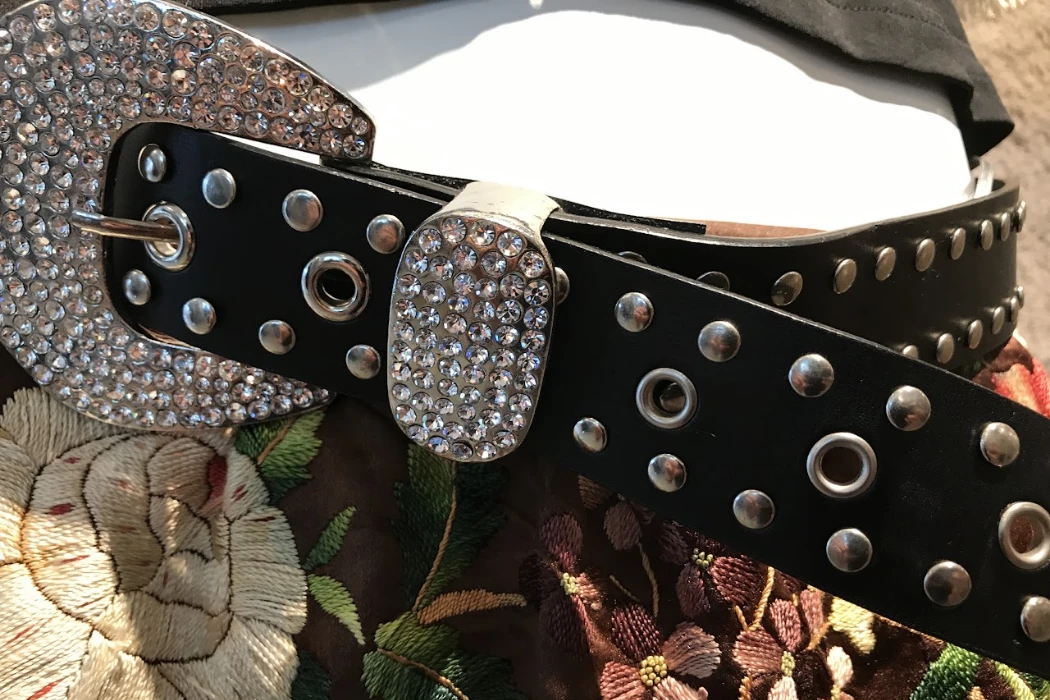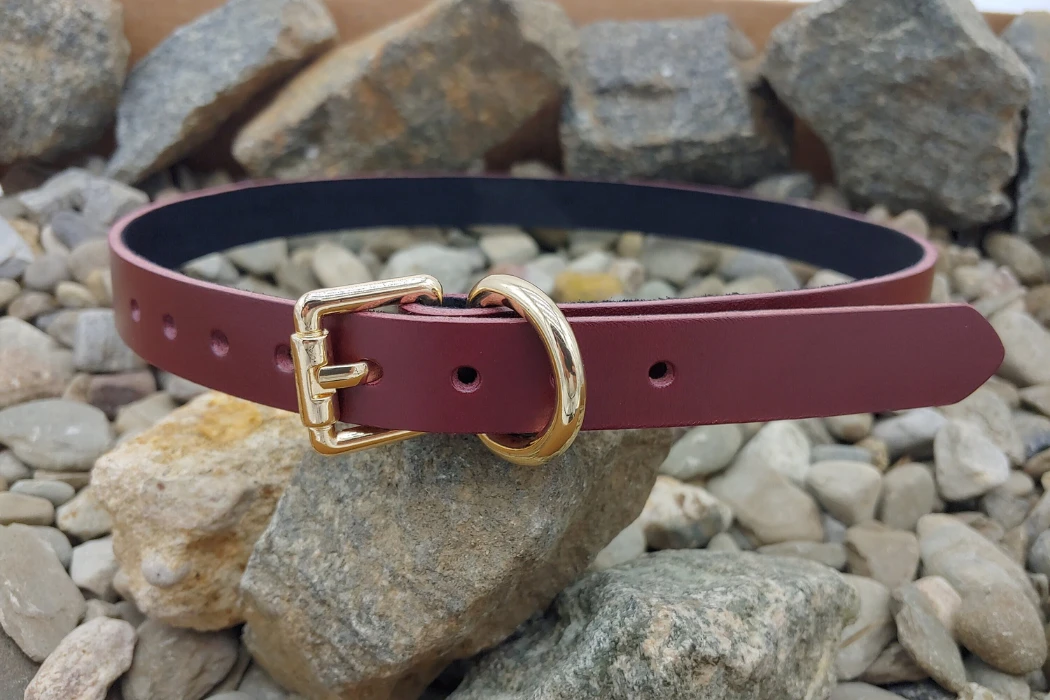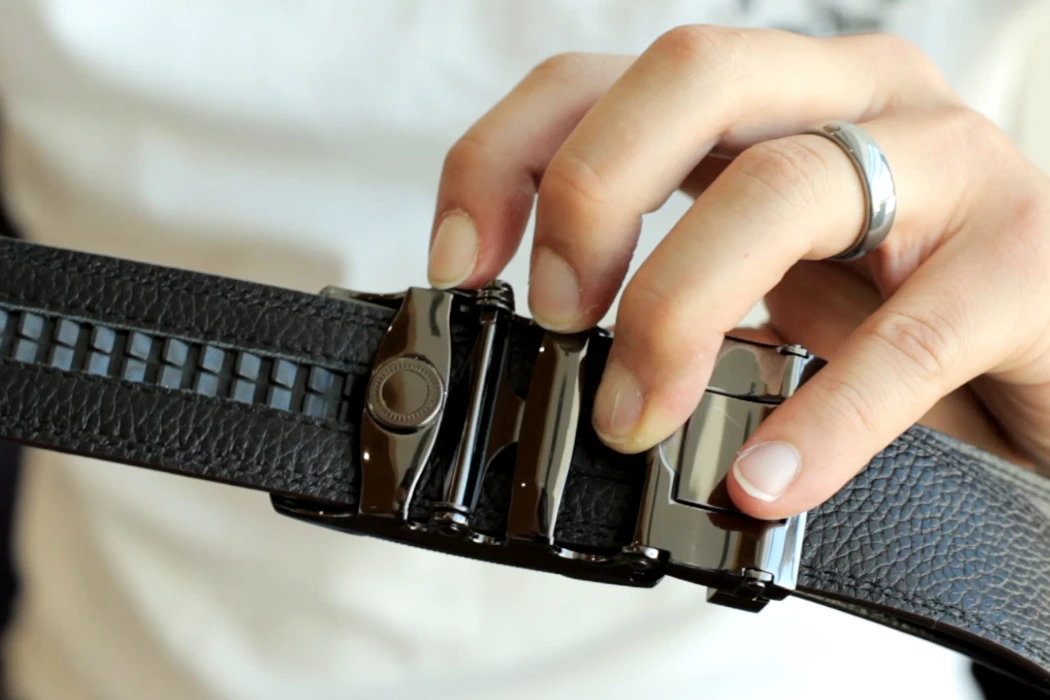
Split leather can be durable enough for a specified bag, wallet or belt component, but the name does not establish its strength or service life. Its suitability depends on the leather article, thickness, finish, reinforcement and finished-product construction. Compare samples and agreed test results rather than assigning a fixed number of years to split, full-grain or synthetic materials.
A suede surface and a smooth coated surface create different inspection and care requirements. Neither appearance establishes the underlying leather grade: suede can be made from leather with the grain layer or from split leather, while a coating can conceal the substrate. A purchase specification should identify both the base material and its finish.
This guide explains what buyers need to check when considering split leather, how to compare it with grain leather and synthetic alternatives, and where a material approval needs a finished-product trial.
What Exactly Is Split Leather and How Is It Made?
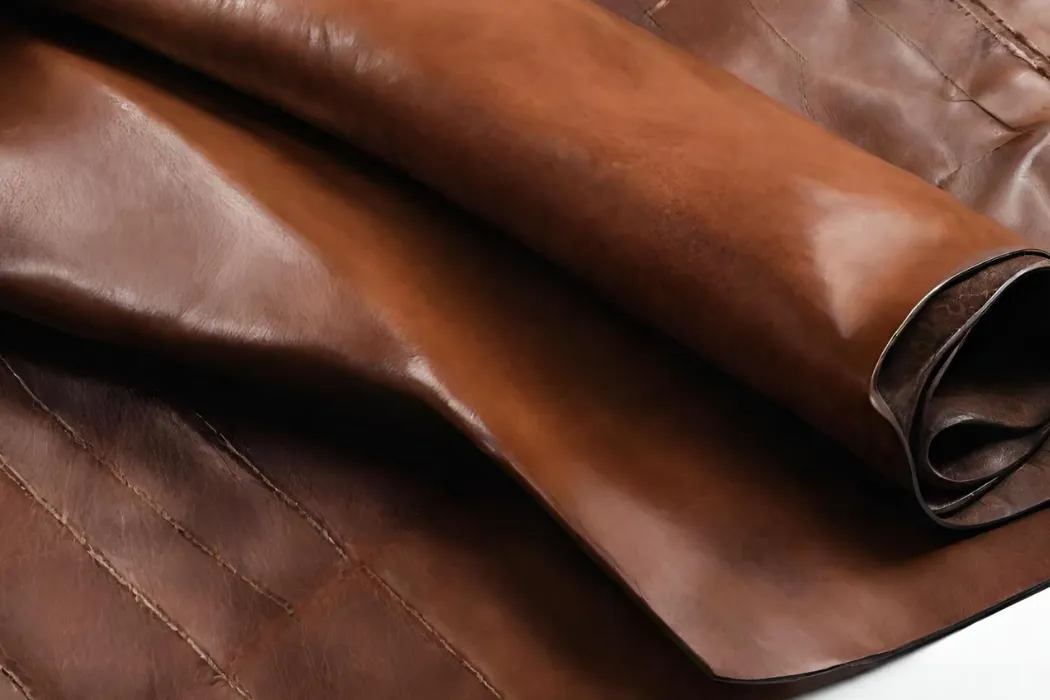
Splitting separates a hide or skin into layers parallel to its surface. The grain split retains the original grain surface; flesh and middle splits do not. A thick hide may yield more than two layers. The usable thickness and area depend on the incoming material and processing, so splitting does not promise a universal yield increase or thickness tolerance.
Specify the substrate and the surface separately
The Leather Working Group definitions distinguish split leather from grain leather and describe suede as leather or split leather whose wearing surface has been mechanically finished to create a velvet-like nap. “Suede” therefore describes a surface treatment, not proof that the material is a flesh split. Likewise, “genuine leather” alone does not specify layer, finish or construction.
- Uncoated split suede: ask for species, article reference, thickness range, colour and nap appearance.
- Coated split: identify the leather substrate and coating system, including the approved colour and surface texture.
- Bonded or reconstituted material: distinguish a sheet made from leather fibres and binder from a split that retains the hide’s original fibrous structure.
Assess the actual cutting material
Hide location, processing and thickness can affect how a component behaves. Review stretch, thickness variation and defects on representative pieces, then agree where each article can be cut into the product. A statement such as “double butt” is useful sourcing information but does not replace a component test or an agreed cutting standard.
For terminology, see the LWG leather definitions. Hoplok’s ProPelli facility performs leather finishing on externally sourced crust; the material request should confirm the exact article and available finishing route.
How Durable Is Split Leather Compared to Full-Grain?
Full-grain leather retains the original grain surface, while a flesh or middle split does not. That distinction is relevant to material selection, but it is not a universal strength score. Tanning, thickness, hide location, finishing and construction all matter. A buyer should not infer a tensile value, tear resistance or lifetime from the grade name alone.
Separate material tests from product tests
Tensile testing examines a material specimen under a defined procedure. Tear testing measures a different failure mode. Neither, on its own, demonstrates how a stitched handle, folded wallet or punched belt hole will perform. Ask the laboratory to select suitable methods, record the specimen thickness and conditioning, and report the actual results against your acceptance limits.
ISO 3377-2:2025 specifies a double-edge tear method for leather. It does not give one universal pass value for all bags or belts. The buyer and supplier must agree the relevant requirement and how representative samples will be selected.
Inspect the vulnerable parts of the design
For a belt, inspect hole elongation, edge behaviour, buckle attachment and dimensional change under the agreed trial. For a bag, check handle attachments, seams and loaded carrying behaviour. For a wallet, examine repeated folding and pocket edges. Reinforcement can change the result substantially, so test the complete construction as well as the leather.
| Comparison point | Split leather | Full-grain leather |
|---|---|---|
| Material identity | Identify flesh or middle split and finish | Confirm the original grain surface has not been removed |
| Strength assessment | Test the specified article and thickness | Test the specified article and thickness |
| Surface wear | Review nap change or coating wear as applicable | Review the actual surface finish and acceptable appearance changes |
| Service life | No fixed number follows from the name | No fixed number follows from the name |
| Purchase decision | Approve the intended component and complete sample | Approve the intended component and complete sample |
Use side-by-side samples with comparable construction when evaluating alternatives. A thicker reinforced article and a thin unreinforced article are not a useful basis for a claim that one leather category always lasts longer.
How Does the Finish Affect Split Leather Durability?
The finish affects appearance, cleaning and surface failure modes, but it does not determine the entire life of the product. A coating may wear, crack or separate; an uncoated nap may flatten, shed, stain or become uneven. The substrate, seams, adhesives and product design can also be limiting factors.
Review coated splits as a complete material system
A smooth coating is a legitimate design option when the composition and finish are accurately specified. Avoid treating it as either a guaranteed upgrade or an inevitable early failure. Ask for evidence relevant to the actual coating, flexing conditions, storage environment and intended use. Reports from a different colour, finish or substrate require review before being applied to the order.
For an applicable finished leather, ISO 11644:2022 measures adhesion of the finish to leather or between finish layers. Its scope excludes unpigmented and uncoated leather such as suede, and the laboratory needs to confirm that the sample is suitable for the method. Adhesion results do not replace separate flex or rubbing assessments.
Agree what acceptable wear looks like
Suede does not have an applied film to delaminate when it is genuinely uncoated, but that does not make it immune to deterioration. Define acceptable nap direction, colour transfer, surface shedding and appearance after rubbing. For coated material, record the approved gloss, texture and acceptable change after the agreed checks.
| Surface | Checks before approval | Care information to obtain |
|---|---|---|
| Uncoated suede | Nap uniformity, shedding, rubbing and staining behaviour | Approved brush or cleaning procedure; limits on water and treatments |
| Coated split | Coating adhesion where applicable, flexing, rubbing and edge appearance | Compatible cleaner and any approved surface treatment |
| Either construction | Seams, folds, attachments and storage behaviour | A care procedure validated on the finished sample |
Accelerated tests can help compare samples under their stated conditions. They should not be converted into a promised number of years without a defensible, product-specific basis.
Is Split Leather Better Than Synthetic Faux Leather?
There is no blanket winner. Split leather retains an animal-hide fibrous substrate; synthetic alternatives vary in backing, coating chemistry and construction. Both categories include materials with very different properties. Compare the exact articles against the same product brief.
Compare the complete bill of materials
Request the substrate, coating, backing and reinforcement details for each option. A strong textile backing can affect a synthetic article’s tear behaviour, while a split’s thickness and finish can affect handling and appearance. Price comparisons also need the same colour, dimensions, usable yield, inspection criteria and order quantity.
| Buying criterion | Useful comparison |
|---|---|
| Appearance | Approved texture, colour, nap or gloss and permitted batch variation |
| Mechanical behaviour | Comparable article tests plus a finished-product trial |
| Care and storage | Compatible cleaning and results under the intended storage conditions |
| Composition claims | Accurate animal-derived and synthetic component declarations |
| Commercial value | Landed quotation, usable yield, assembly cost and agreed quality requirements |
Keep special protection claims outside an ordinary accessories specification
Do not infer heat protection, flame resistance or occupational safety suitability from the word “leather.” Such products require their own applicable standards and specialist assessment. This article concerns ordinary fashion bags, wallets and belts; a material comparison here does not qualify a product as protective equipment.
For brands choosing a non-animal material route, confirm every relevant component, including adhesives, coatings and trims. For a leather claim, describe the actual material without suggesting that a coated or backed article consists entirely of animal hide.
Where Can Buyers Consider Split Leather?
Start with the component’s job. A soft lining, a decorative panel and a carrying strap face different conditions. A low-stress location can still be exposed to rubbing, staining, repeated folding or contact with light-coloured belongings. Suitability should follow an approved sample, not a simple yes/no rule for the whole leather category.
Bag linings and panels
A split suede lining may provide a particular appearance and hand feel, but check thickness, weight, colour transfer, shedding and seam behaviour. Review the interaction with the shell and adhesive system where applicable. For exterior panels, add surface wear, cleaning and moisture-related checks suited to the intended use.
Wallet layers and folds
Review bulk at folded edges and stacked card pockets. A lining or reinforcement does not automatically solve cracking, tearing or excessive stiffness. Build the proposed construction and inspect the fold and pocket edges after the agreed use simulation.
Belts and straps
An unreinforced split should not be selected merely because it meets the target price. Request evidence for the proposed article and inspect the complete belt or strap, especially punched holes, attachment points and dimensional stability. Layered constructions need their own checks for separation and edge durability.
| Component | Main questions before approval |
|---|---|
| Bag lining | Does it transfer colour, shed fibres or create excessive weight and seam bulk? |
| Bag exterior panel | Does the approved finish meet the intended wear, appearance and cleaning requirements? |
| Wallet interior | Does the folded construction remain usable and intact after the agreed checks? |
| Ordinary belt or bag strap | Are the leather, reinforcement, holes, seams and attachments suitable together? |
| Decorative insert | Are the nap, colour and bonding consistent with the approved sample? |
A supplier comparison for a custom leather bag or custom leather belt should identify the component drawing, material article and acceptance criteria together. Do not substitute a different split or finish after approval without reviewing its effect on the product.
What Care Instructions Should Accompany Split Leather Goods?
Obtain care instructions for the actual finish and confirm them on the finished sample before printing packaging or product-page advice. A generic leather conditioner, waterproofing spray or automotive vinyl treatment may be unsuitable. Cleaning can also affect adhesives, edge coatings, linings and hardware.
Uncoated suede
Use only a brush and cleaning procedure approved for that article. Trial the method on a concealed area and check colour and nap after drying. Do not prescribe a wire brush, solvent or water-repellent spray for every suede. If a protective treatment is proposed, verify its effect on colour, feel and performance before recommending it to customers.
Coated split
Follow the finish supplier’s compatible cleaning method. Avoid assuming that oils will penetrate a coated surface or that every synthetic conditioner is suitable. Test for colour change, tackiness, gloss change and coating damage. Report peeling or cracking for assessment rather than repeatedly treating it with additional products.
- Keep care wording consistent across the hangtag, product page and customer-service guidance.
- Specify storage conditions with the supplier, especially for prolonged storage or humid shipping routes.
- Avoid unnecessary heat and forceful folding; use packaging that supports the approved product shape.
- Review care trials after a material, colour, coating or adhesive change.
No universal treatment schedule follows from the term split leather. The frequency and method should reflect the approved care instructions and actual use.
Frequently Asked Questions
1. Does split leather peel?
An applied coating can separate or crack, depending on the material system and conditions. Uncoated split suede has no applied film to delaminate, but its fibres and surface can still wear or deteriorate. Neither case supports a universal failure date.
2. Is split leather real leather?
A flesh or middle split retains the hide’s original fibrous structure and is leather. A finished article may also contain coatings, backing or other components, which should be declared accurately. Reconstituted leather-fibre sheets are a different construction.
3. Is split leather waterproof?
Do not assume so. A coating or treatment may improve a particular water-related property, but seams, edges, holes and exposure conditions affect the complete product. Specify the intended claim and verify it using an appropriate test before using “waterproof” in marketing.
4. Why can split leather cost less?
Layer selection, processing and the market for the article can affect price. A lower quotation is not guaranteed, and no fixed percentage applies against full-grain leather. Compare equivalent specifications, usable yield and finished-product costs.
5. Can cracked split leather be repaired?
The answer depends on whether the coating, substrate, seam or another component has failed. A cosmetic repair may alter appearance without restoring performance. Ask the supplier or a qualified repairer to assess the actual fault; conditioning does not automatically restore damaged grain leather either.
6. Is cow split leather good for quality goods?
It can be appropriate for a specified component when the sample meets the buyer’s material, construction and appearance requirements. Species alone does not establish grade or durability. Approve the exact article and finished construction before production.
Specify the Material Before Approving the Order
Split leather should be evaluated as a defined material, not a fixed lifespan or a quality score. Identify the substrate and finish, compare the relevant tests and inspect the complete product. A clear specification gives the supplier a basis for quotation and gives the buyer a basis for accepting or rejecting substitutions.
For an ordinary bag, wallet or belt project, send Hoplok the component drawings, target feel, colour, construction and performance requirements. Confirm material availability and any testing needs in the quotation. Hoplok’s ProPelli leather finishing facility works on externally sourced crust; its LWG Gold status applies to that facility’s certification scope and does not certify every finished product or all Hoplok factories.
Hoplok’s minimum order quantities are 200 for genuine-leather bags, 300 for genuine-leather belts and 300 for genuine-leather wallets; PU versions start at 1,000. Belt samples take approximately 2–3 weeks and bag samples 3–4 weeks. Confirm the schedule for other designs in the quotation; bulk production generally takes 60–90 days, with shipping planned separately.
Start a custom leather accessories enquiry with the intended product and material brief so the proposed construction can be reviewed before sampling.