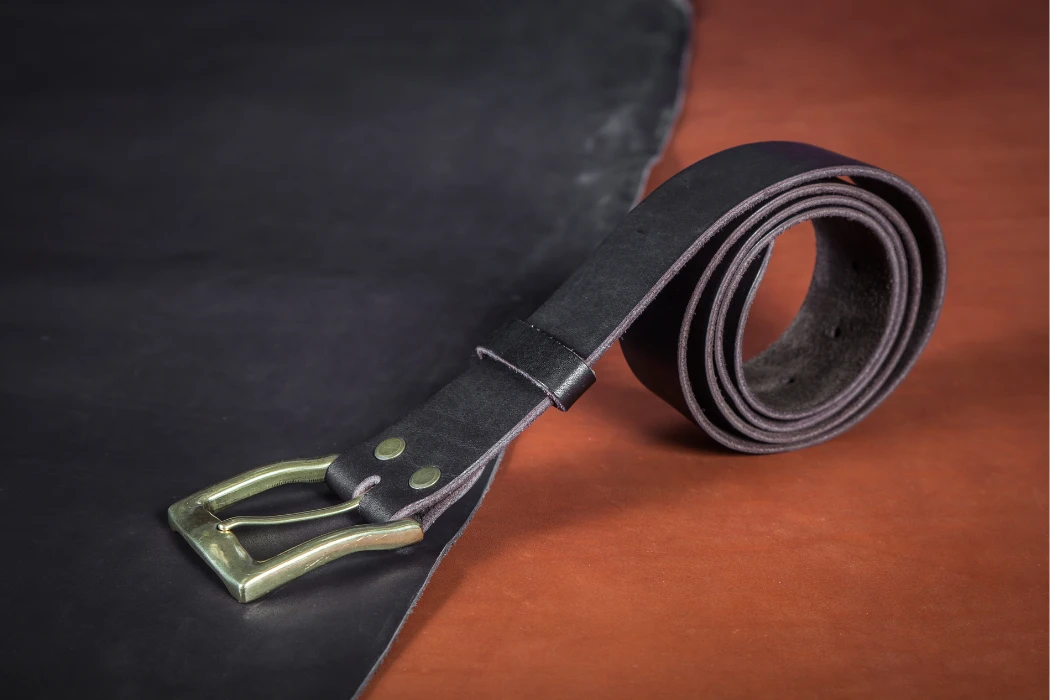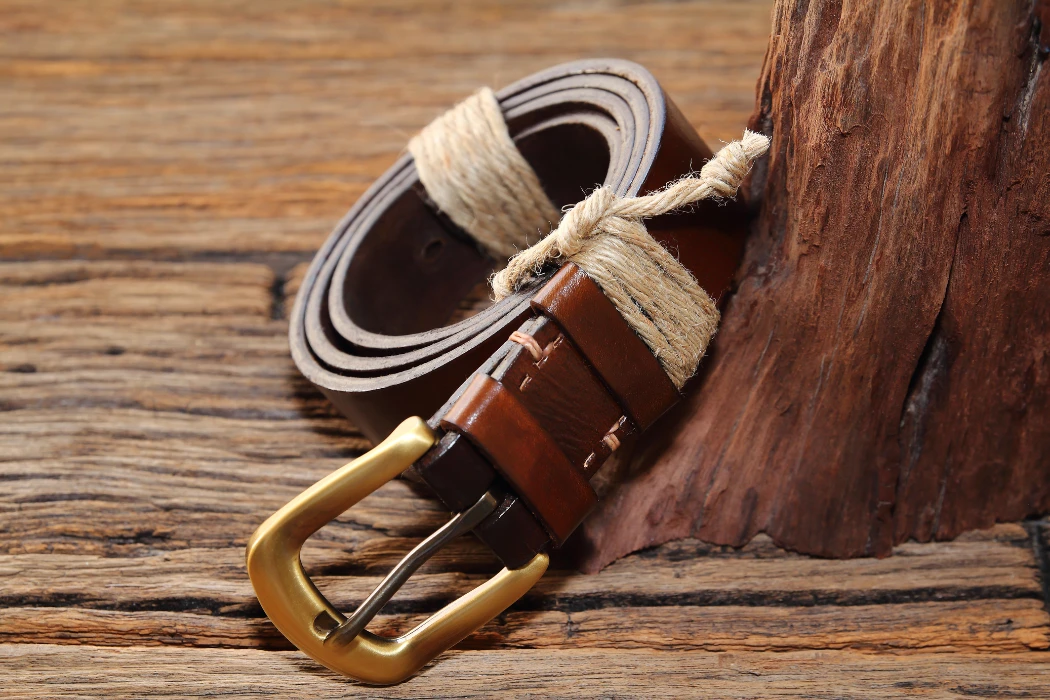
Suede is absolutely real leather. It is fundamentally created by separating the fibrous corium (underside) of the animal hide from the protective top grain, and then mechanically sanding it to raise a soft, fuzzy “nap.” Unlike full-grain leather, which retains the smooth and tough outer epidermis, suede is engineered specifically for its extreme softness, pliability, and matte aesthetic, though this comes at the cost of being structurally thinner and significantly more porous.
There is a massive contradiction in the fashion world that confuses consumers. You see “suede” boots in a discount bin for $30, yet you also see a Tom Ford suede jacket retailing for $5,000. This disparity leads many to ask: Is this material actually cheap? Is it even leather at all, or just a synthetic fabric?
The answer lies in the tannery. Suede is not a “lesser” material; it is a specific cut of the hide with its own unique properties. In this guide, we are going to take you inside the manufacturing process. We will show you exactly how a thick cowhide is “split” into two distinct value chains—one becoming the shiny leather seats in your car, and the other becoming the velvety soft loafers on your feet.
How Is Suede Leather Manufactured in a Tannery?
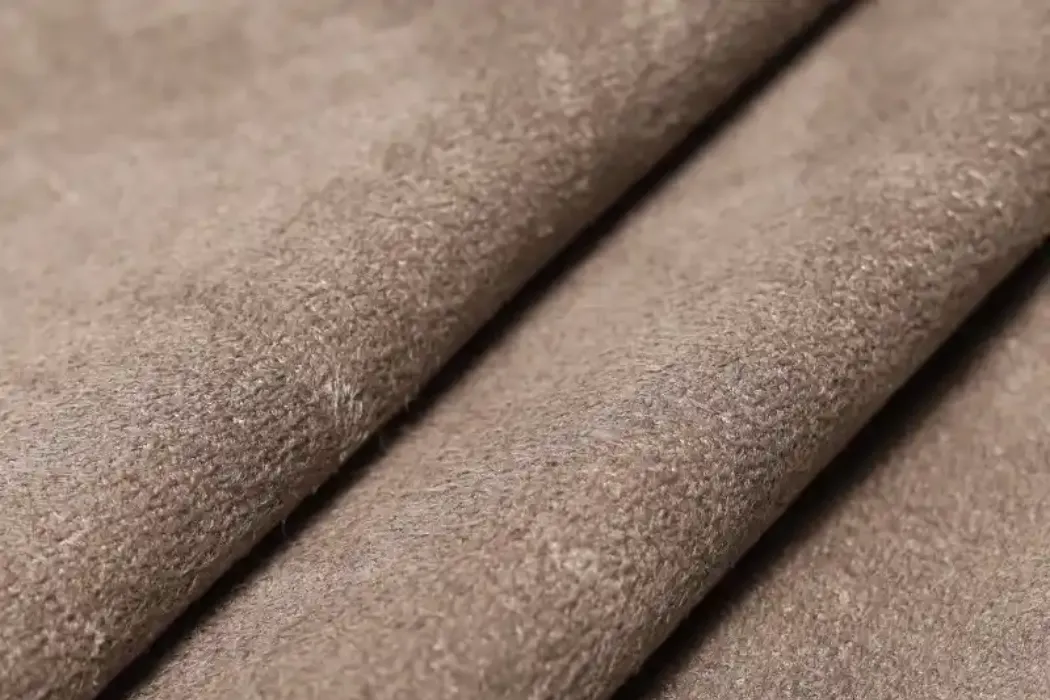
The manufacturing of suede revolves around a critical mechanical step known as “Splitting.” Tanneries feed raw, thick cowhides (often 4-5mm) into a precision band-knife machine that slices the hide horizontally into layers. The upper layer becomes smooth “Top Grain” leather, while the bottom layer—known as the “Drop Split”—is the raw material for suede. This fibrous layer is then buffed with 120 to 300 grit sandpaper to raise the protein fibers, creating the soft, fuzzy texture called the “nap.”
The Splitting Process: Separating the Grain from the Corium
A cow’s skin is far too thick to be used directly for a glove or a jacket. It must be separated into functional layers.
- Top Grain (The Epidermis): This is the outer skin. It has tight fiber bundles and is used for premium smooth leather goods.
- The Drop Split (The Corium): This is the “flesh side” underneath. It lacks the protective grain surface but consists of a loose, open fiber network. This is why suede is naturally softer and more pliable than full-grain leather, but also why it has lower tensile strength.
Buffing and Sanding: Creating the Nap
Once the split is isolated, it looks like a rough, hairy piece of meat. The magic happens in the buffing machine.
- Short Nap (Velvet): By using fine-grit sandpaper (220-300 grit), we create a very short, dense pile. This is the “writing effect” suede where brushing your hand across it changes the color tone.
- Long Nap (Shaggy): Using coarse abrasive paper (80-120 grit) results in a longer, shaggier texture, often used for casual work boots or rustic aesthetic products.
Leather Layer Comparison
| Layer Name | Origin | Texture | Typical Use |
|---|---|---|---|
| Full Grain | Outer Epidermis (Un-sanded) | Smooth, Natural Pores | Saddlery, High-end Belts |
| Top Grain | Outer Epidermis (Sanded) | Uniform, Smooth | Car Seats, Handbags |
| Split Suede | Inner Corium (Flesh Side) | Fuzzy, Napped, Matte | Jackets, Shoes, Linings |
What Is the Difference Between Suede and Nubuck?
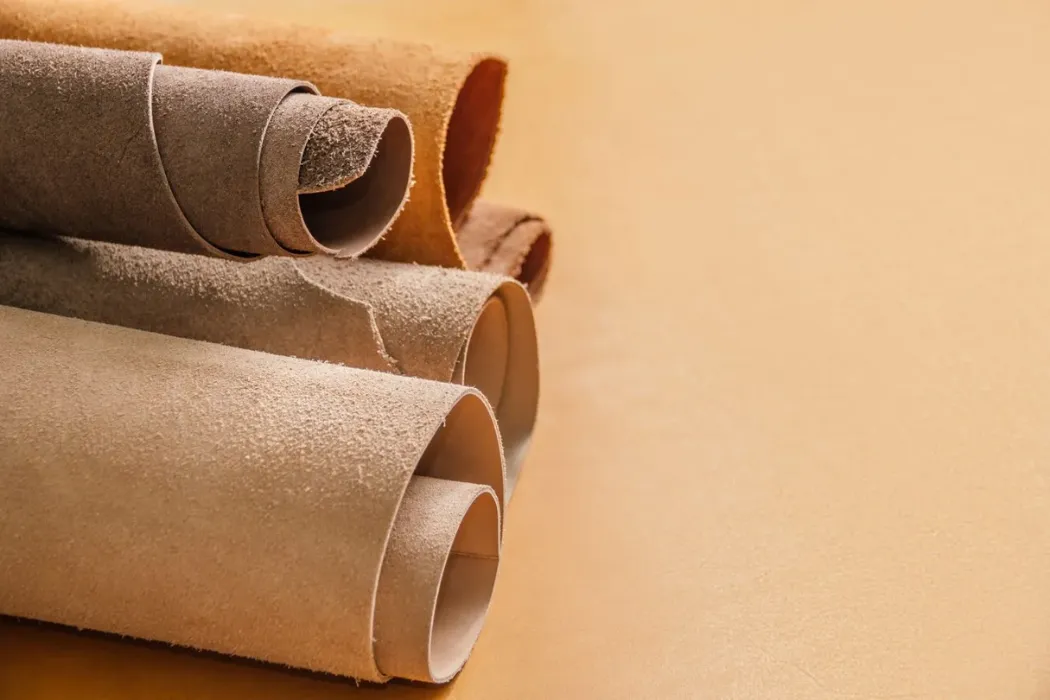
This is the most common misconception in leather buying. Suede comes from the inner corium layer (flesh side) of the hide, resulting in a softer texture with longer, shaggier fibers. In contrast, Nubuck is created from the outer grain layer (skin side) that has been lightly sanded to remove imperfections. Consequently, Nubuck is significantly thicker, stronger, and more expensive than suede, possessing a much finer, velvet-like nap that retains the structural integrity of the hide.
Origin of the Hide: Top vs. Bottom
While they look similar from a distance, their structural origins dictate their performance in the field.
- Nubuck (The Fortress): Because it is made from the outer grain, Nubuck retains the tight, interlocking fiber bundles of the skin. This gives it immense tensile strength, making it the standard for high-end hiking boots (like Timberlands).
- Suede (The Fabric): Since it is the fibrous underside, suede is more porous and stretchy. It lacks the dense grain structure, which gives it a beautiful “drape” for clothing but makes it more susceptible to tearing under high stress.
Price and Durability Matrix
If you are a brand manager choosing materials, the cost difference is substantial.
- The Cost Premium: Nubuck typically commands a 50% to 80% higher raw material cost than split suede. You are paying for the grain quality.
- The Longevity Factor: A pair of Nubuck boots can last 10+ years with care. Split suede shoes, being thinner, often lose their shape or wear through at the flex points within 3-5 years of daily use.
Suede vs. Nubuck Technical Specs
| Material | Hide Surface | Tensile Strength | Water Resistance | Relative Price |
|---|---|---|---|---|
| Suede | Inner Flesh Split | Low to Medium | Very Low (Highly Porous) | $$ (Moderate) |
| Nubuck | Sanded Outer Grain | Very High | Medium (Tight Fibers) | $$$$ (Premium) |
Is Suede Durable Enough for Daily Wear?
Suede generally offers lower durability than full-grain leather because it lacks the protective outer epidermis layer. Its open, porous structure makes it highly susceptible to water absorption and oil staining, while its tensile strength is inherently weaker. However, high-quality Cowhide Suede remains surprisingly tough, widely used in heavy-duty work gloves and skate shoes specifically for its superior abrasion resistance and grip.
The Porosity Problem: Stains and Moisture
The biggest threat to suede is not physical tearing, but chemical staining. The removal of the grain layer exposes the thirsty fibers underneath.
- Instant Absorption: Unlike finished leather, which often has a polyurethane coating to bead water, suede acts like a sponge. A drop of oil or red wine penetrates the fibers instantly, making stain removal extremely difficult.
- The “Water Spot” Effect: Even clean rainwater can leave permanent dark rings on suede. This happens because the water displaces the natural tanning oils in the leather as it dries unevenly.
Tensile Strength: Why Suede Stretches
If you buy suede loafers, you will notice they become comfortable almost immediately. This “comfort” is actually a structural characteristic of the corium.
- Looser Fiber Structure: The collagen fibers in the split layer are not packed as tightly as they are in the grain. This results in a material that is pliable and soft right out of the box.
- Faster Break-In, Faster Shape Loss: While you avoid the painful “break-in” period of stiff leather boots, suede shoes will stretch out and lose their lateral support much faster, often becoming loose after a season of heavy wear.
How Can You Tell Real Suede from Faux Microsuede?
Real suede typically displays irregular texture variations and a distinct organic scent, with a nap that changes color depth when brushed (known as “tracking”). In contrast, Microsuede (like Alcantara or Ultrasuede) is engineered from polyester microfibers, resulting in a perfectly uniform feel, clean-cut woven edges, and a tendency to repel water rather than darken immediately due to synthetic hydrophobic coatings.
The Water Drop Test
Because real suede is essentially a sponge made of protein fibers, it reacts to moisture instantly. This is the quickest field test.
- Real Suede: Place a tiny drop of water on an inconspicuous area. It will be absorbed in under 5 seconds and leave a visible dark spot (which fades as it dries).
- Microsuede: Synthetic fibers are plastics. Water will usually bead up on the surface or sit there for minutes without changing the color of the fabric.
Inspecting the Edges and Pores
If you can see the raw edge of the material (like on an unlined shoe tongue), the cross-section tells the whole story.
- Organic Chaos: Real suede edges are messy, hairy, and random. You are looking at natural fiber bundles that have been torn apart.
- Structured Weave: Microsuede edges look too clean. If you look closely with a magnifier, you might see a tight knit or woven structure backing, or a foam layer sandwiched in the middle.
The “Tracking” Effect
Run your hand across the surface. Does it change color?
- The Two-Tone Shift: On real suede, brushing the nap against the grain exposes the darker side of the fibers, while brushing with the grain looks lighter and shinier.
- Uniformity: While high-end synthetics mimic this, cheap faux suede often looks flat and monotone regardless of which way you brush it.
Which Animal Hides Make the Best Suede?
Different animal hides offer distinct properties suited for specific applications. Lambskin Suede provides the softest, most delicate touch, making it ideal for luxury garments that drape against the body. Cowhide Suede is the roughest and most durable, perfect for heavy-duty footwear and accessories. Pigskin Suede is affordable and breathable (distinguished by visible pore dots) but tends to be stiffer, often utilized for shoe linings or budget-friendly jackets.
Sheep and Lamb: The Luxury Choice
If you are buying a $2,000 designer suede jacket, it is almost certainly lambskin.
- Silky Texture: Lambskin has a much tighter fiber structure than cowhide, resulting in a nap that feels like velvet. It is incredibly lightweight and flexible.
- Delicacy: The trade-off is fragility. Lambskin tears easily and stains if you look at it wrong. It is purely for fashion, not function.
Cow and Calf: The Workhorse
When durability is the priority, manufacturers turn to bovine hides.
- Rugged Nap: Cow suede has a “shaggier,” rougher texture. It is thick and tough, capable of taking a beating on the street.
- Calfskin Option: Calf suede offers a middle ground—finer than adult cowhide but tougher than lambskin. This is the standard for high-quality men’s dress shoes.
Suede Source Animal Comparison
| Animal Source | Softness | Durability | Common Application |
|---|---|---|---|
| Lambskin | Very High (Velvet) | Low (Delicate) | Luxury Jackets, Gloves |
| Cowhide | Low (Rough/Shaggy) | Very High | Boots, Work Gloves, Bags |
| Pigskin | Medium (Stiff) | Medium | Linings, Budget Apparel |
How Should Manufacturers and Consumers Maintain Suede Products?
The golden rule for maintaining suede is “Prevention first, dry cleaning second.” You must pretreat items with a quality DWR (Durable Water Repellent) spray to create a hydrophobic barrier against spills. For daily maintenance, use a soft Crepe Brush to lift the nap and a specialized Gum Eraser to physically rub out dry stains. Never wash suede with water, as the drying process causes the collagen fibers to shrink, harden, and permanently lose their pliable texture.
The Importance of Waterproofing Sprays
Because suede is a sponge, you need to seal it without suffocating it. Chemical choice matters.
- Silicone-Free Protectors: We recommend using nano-based sprays rather than heavy silicone ones. Silicone can clog the open pores of the suede, reducing breathability and altering the color tone.
- Re-application: DWR coatings are not permanent. You should re-spray your suede boots every 3-4 months, or whenever water stops beading up on the surface.
Reviving the Nap: Brushing Techniques
Matted suede looks old and dirty. Brushing is like combing hair; it resets the direction of the fibers.
- Crepe Brush (The Gentle Touch): Made of crinkled rubber, this is for delicate lambskin or fine-nap suede. It grabs surface dust without tearing the fibers.
- Brass Wire Brush (The Heavy Duty): For rugged cowhide boots where the nap has become flattened by mud, a stiff brass brush is necessary to dig deep and fluff the fibers back up.
Conclusion: When to Choose Suede Over Smooth Leather
Suede is not a “lesser” leather; it is a “purpose-built” leather. You choose it when you prioritize softness, breathability, and rich matte texture over sheer water resistance. It offers a comfort level right out of the box that rigid full-grain leather cannot match, making it the superior choice for luxury loafers, light jackets, and interior linings.
For brands, the challenge isn’t the material itself, but the finish. Suede can be durable if processed correctly.
Looking for suede that survives the real world? At Hoplok, we don’t just source premium hides; we offer industrial-grade DWR pre-treatments during the tanning phase. This gives your suede products invisible, built-in water resistance before they ever reach the customer. Contact Hoplok today to source suede and nubuck that combines luxury feel with tactical performance.