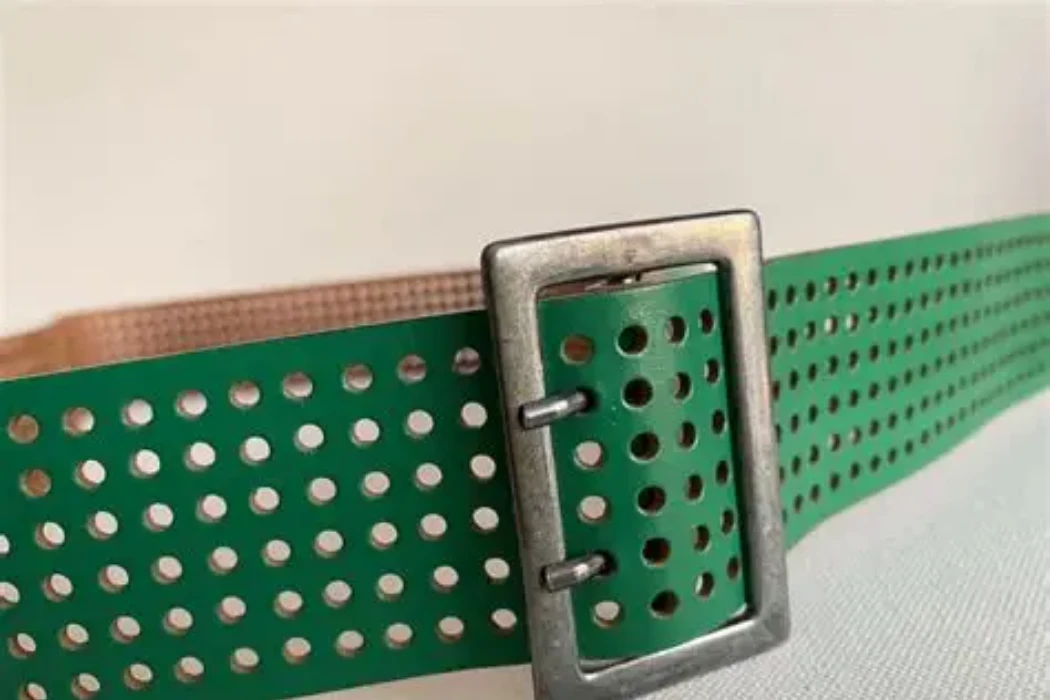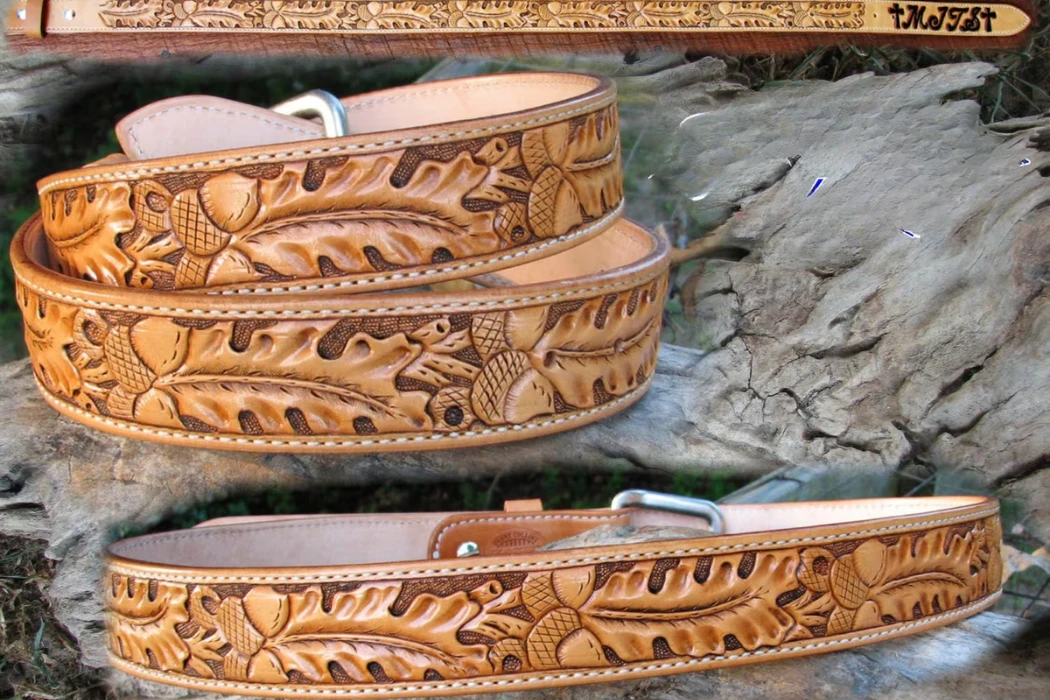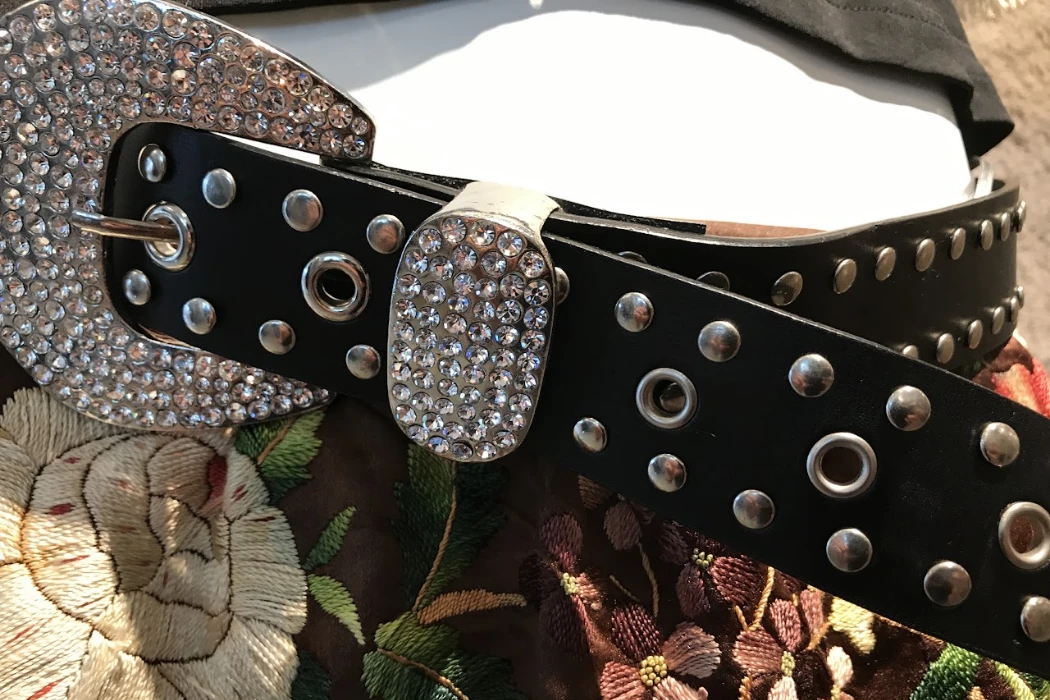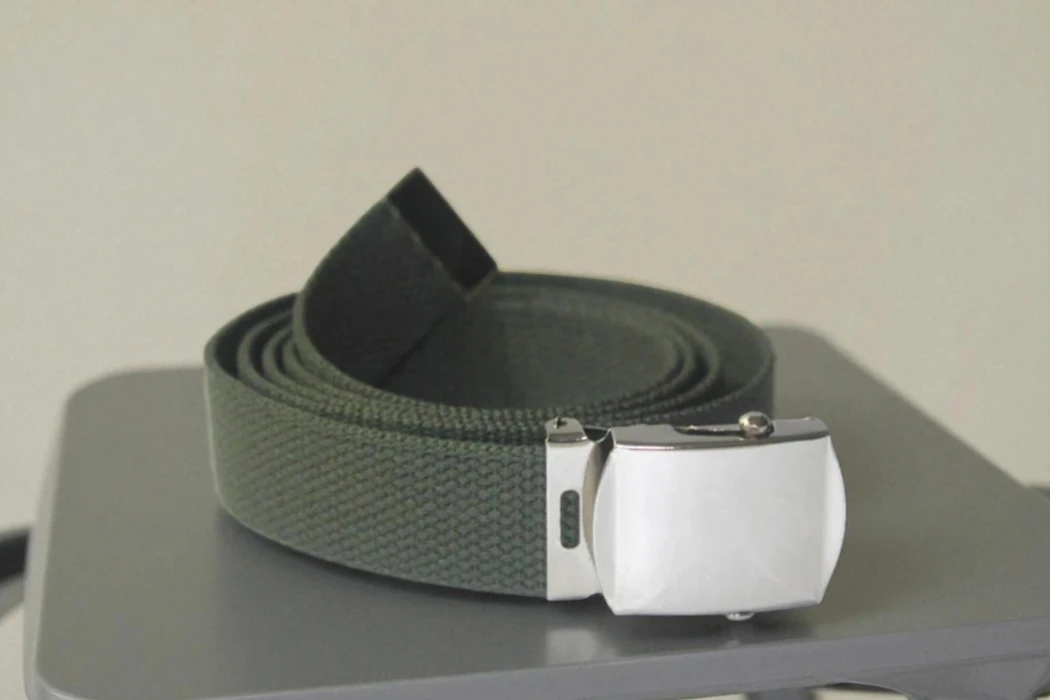
A useful supplier audit follows a belt from its material records to its finished shipment. A polished sample is a starting point; it cannot show whether the factory can repeat the color, construction and fit across your size assortment.
Use the seven checks below when choosing a private-label leather belt manufacturer. Each check asks for a specific piece of evidence and identifies the decision it supports. The same questions apply whether you buy directly from a factory or through a disclosed sourcing partner.
1. Verify who makes the product and who signs the order
Record the contracting entity, payment recipient, production address and any separate development or finishing facility. A company may have an office away from its factory. That arrangement is not evidence of deception; unexplained differences between the documents are the issue to resolve.
Request a scheduled factory visit or live production walkthrough showing the relevant operations. Ask the contact to follow a current belt order through cutting, construction, inspection and packing while respecting other customers’ confidentiality. A supplier’s ability to arrange an immediate video call is not a reliable standalone test of factory ownership.
Identify which work is performed in-house and which is purchased or subcontracted: leather supply, finishing, buckles, plating, logo tooling and assembly. Put the proposed manufacturing site and approval process for changes into the order documents.
2. Trace the materials beyond a marketing label
Request a material sheet naming the animal species where relevant, leather layer, finish, thickness, lining, reinforcement and approved supplier reference. “Genuine leather” does not describe all of those characteristics. It should not be treated as a universally defined third quality grade or as permission to substitute bonded material.
Ask how the supplier links incoming material lots to finished orders and handles replenishment shades. Compare the sample to an agreed appearance reference under the same lighting. Natural grain variation needs an acceptance range; an unsupported claim that all batches achieve one color-difference value is not evidence.
Check the facility and scope attached to any LWG certification. Treat product testing and environmental audit evidence as separate questions. For Hoplok, ProPelli holds a current LWG Gold rating and finishes crust leather from partner tanneries. It is not a tannery processing raw hides.
3. Inspect construction using the actual strap and buckle
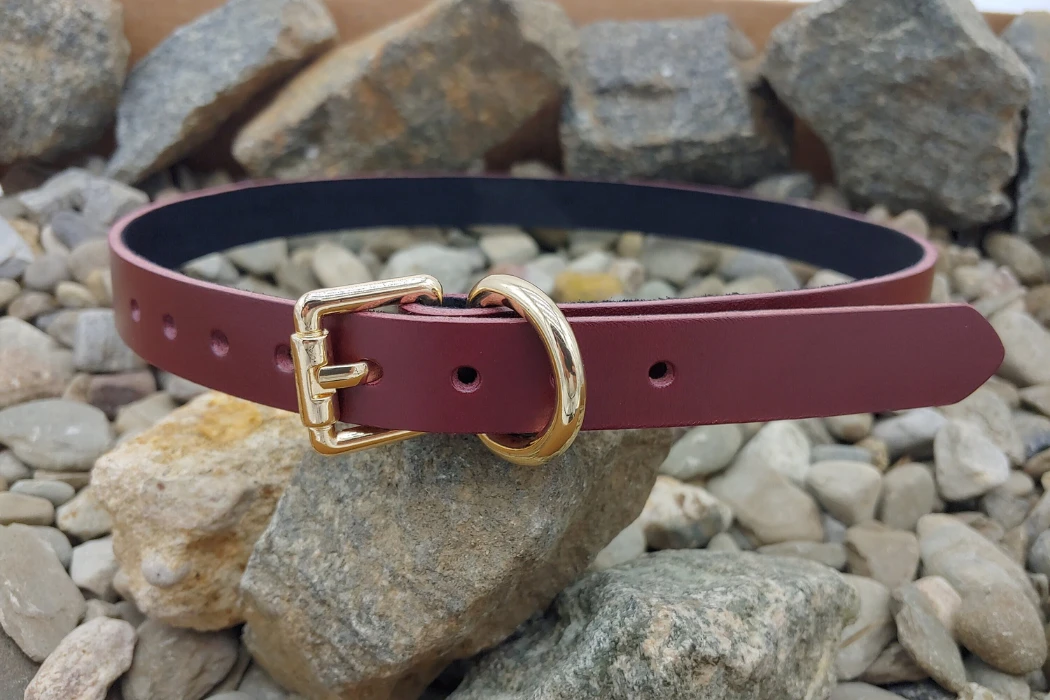
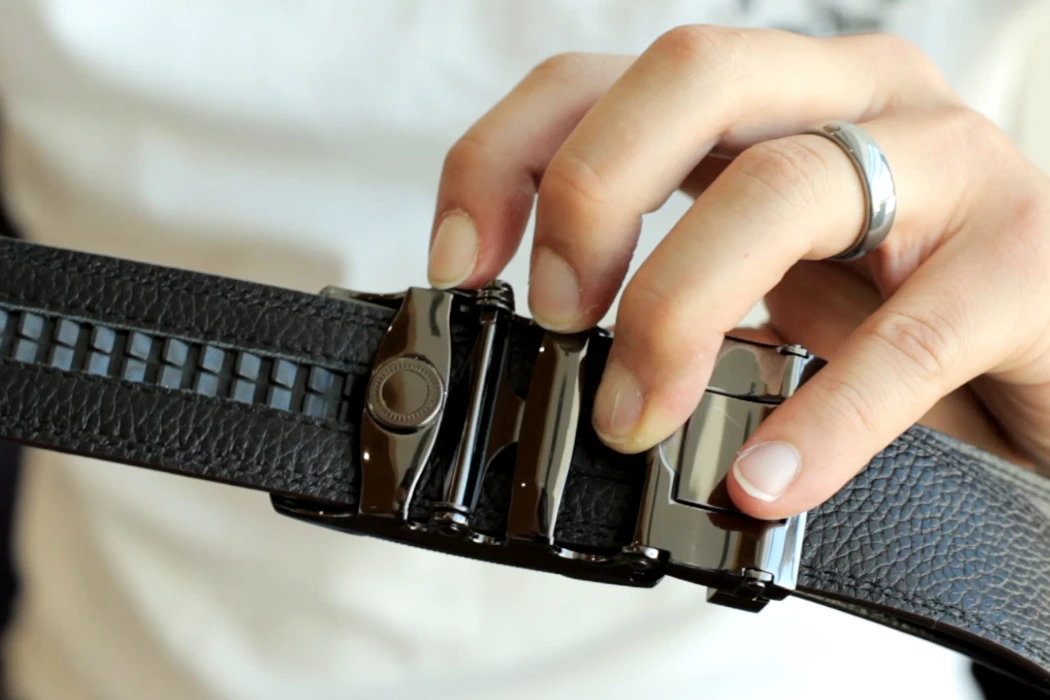
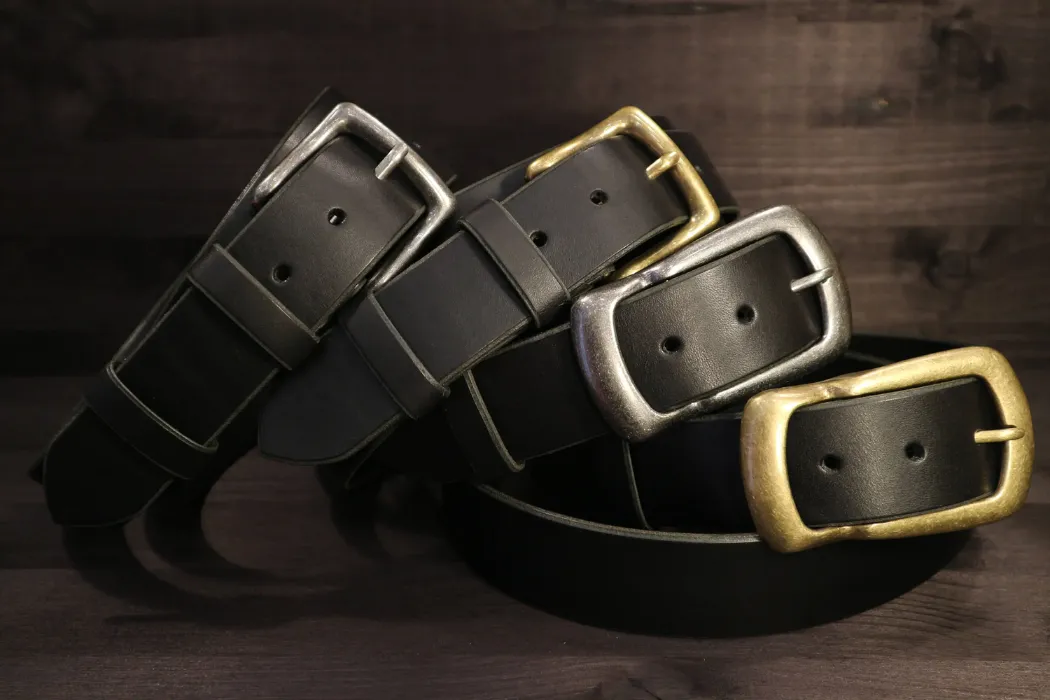
Choose samples that represent the intended constructions, not only the most attractive showroom belt. Check how the strap enters the buckle, whether the prong and holes align, how the keeper holds the tip and whether the buckle fold creates a hard or bulky point.
| Area | Request or inspect | Record for approval |
|---|---|---|
| Strap | Width, thickness, length measurement method and layered construction | Dimensions, tolerances and size labels |
| Edges | Preparation, coating or burnishing, curing and flexed appearance | Approved edge feel and visible defect examples |
| Stitching | Thread, spacing, tension, ends and buckle attachment | Construction drawing and reference sample |
| Hardware | Base material, finish, fit, moving parts and sharp edges | Component reference and agreed tests |
| Layer bonding | Adhesive system and the supplier’s way of verifying bond performance | Relevant test method and acceptance criteria |
Do not impose one stitch density, coating count or salt-spray duration on every belt. Agree with the supplier and testing partner on requirements that suit the construction and destination. A rough bend or pull during a visit is an observation, not a certified strength result.
4. Check how quality decisions are made
Ask to see an anonymized inspection report and the corresponding defect definitions. A report should make clear what was checked, which order and material lots it represents, the results, and who authorized release or corrective action. Look for controls before assembly as well as at final packing.
If an acceptance sampling plan is used, agree on the standard and edition, lot definition, inspection level, defect classes, sample size and acceptance/rejection criteria. ISO 2859-1 describes sampling schemes indexed by acceptance quality limit. An AQL value is not proof that every shipment contains fewer than that percentage of defective items.
Resolve how a failed lot is isolated, reworked and reinspected, and who pays for additional work. Also define how a problem discovered after receiving will be investigated. Avoid supplier claims that an audit certificate or sample pass eliminates all future returns.
5. Match minimum quantities and capacity to your assortment
Discuss the total quantity together with its style, color, size and hardware variations. A factory can have a large total capacity yet lack a suitable slot for a particular construction. Ask about the scheduled line, component availability and work already committed for your proposed dates.
Hoplok’s confirmed belt minimums are 300 leather belts or 1,000 PU belts. The style, color and size allocation needs to be specified in the quote. No discounted micro-batch or automatic surcharge refund program is implied.
Hoplok’s stated monthly capacity is 200,000–300,000 leather belts and 600,000–800,000 PU belts. These are company capacity ranges, not reserved capacity for an individual order. Ask the team to confirm the available production schedule before committing a launch date.
6. Compare schedules and landed costs on the same basis
Break the schedule into design clarification, sampling, approval, material readiness, production, inspection and shipping. State whether a quoted date means factory completion or arrival at your warehouse. For Hoplok, belt sampling is 2–3 weeks and bulk production is 60–90 days; agree on the starting conditions and allow for the relevant transport stages.
For a China–Cambodia comparison, use the same tech pack and delivery basis. Compare quoted production and logistics costs, then have the importer check applicable classification and origin treatment. A Cambodia production address does not by itself establish duty-free entry.
Hoplok’s four facilities total 19,000 square meters: HongDing belt factory in Dongguan (5,000), Hoplok bag factory in Cambodia (4,000), Hongcen Max belt factory in Cambodia (5,000), and ProPelli leather finishing facility in Cambodia (5,000). Confirm which site will perform each part of your order.
7. Test the handover from sample to repeat order
Before approving the first order, check who controls the latest drawing, bill of materials, color reference and physical sample. Both teams should be able to identify the same revision without relying on a long chain of chat messages.
- List unresolved sample comments and assign a decision owner.
- Require written approval for material, construction or factory substitutions.
- Identify logo dies and buckle tools, with ownership and permitted use recorded.
- Retain a reference sample and relevant production records for reorders.
- Agree how changed materials or hardware will trigger a new sample or test.
A supplier who clearly identifies a feasibility limit may be more useful than one who agrees to every request. Your approval should depend on evidence for your product, not a generic promise of “premium quality.”
Prepare the first supplier brief
Include product drawings or reference samples, the customer use case, proposed quantity and size mix, material and buckle preferences, logo files, packaging, destination and required delivery date. Ask for exceptions, sample charges and the production basis in the same response.
For a discussion tied to your collection, contact the Hoplok team or review our belt manufacturing capabilities. Use the evidence gathered through these seven checks to decide whether the proposed factory fits the order.