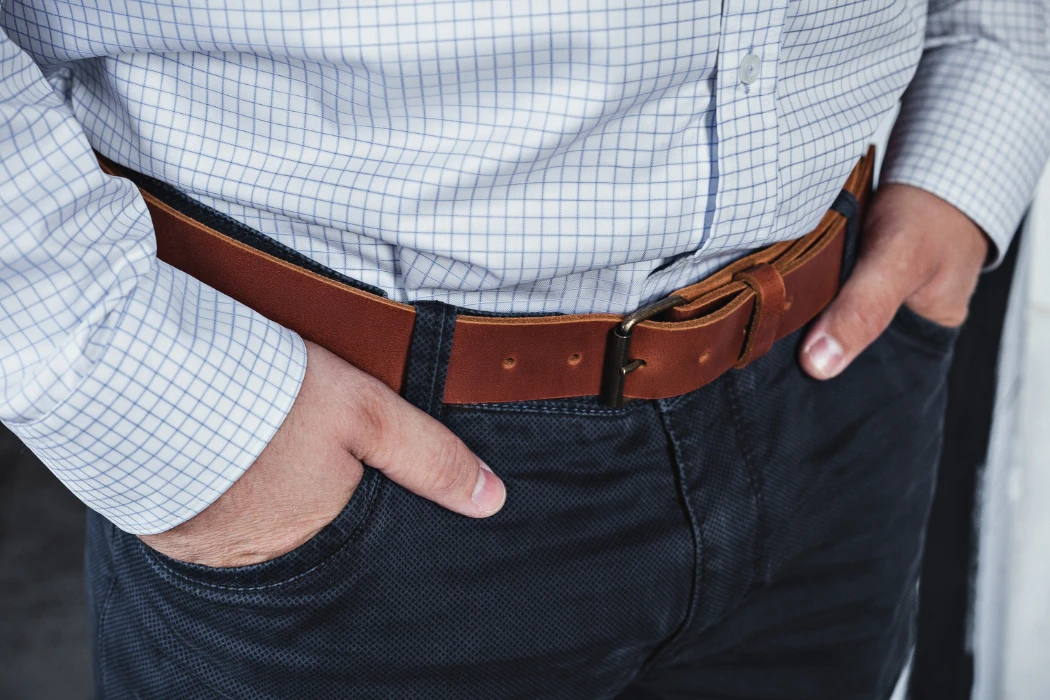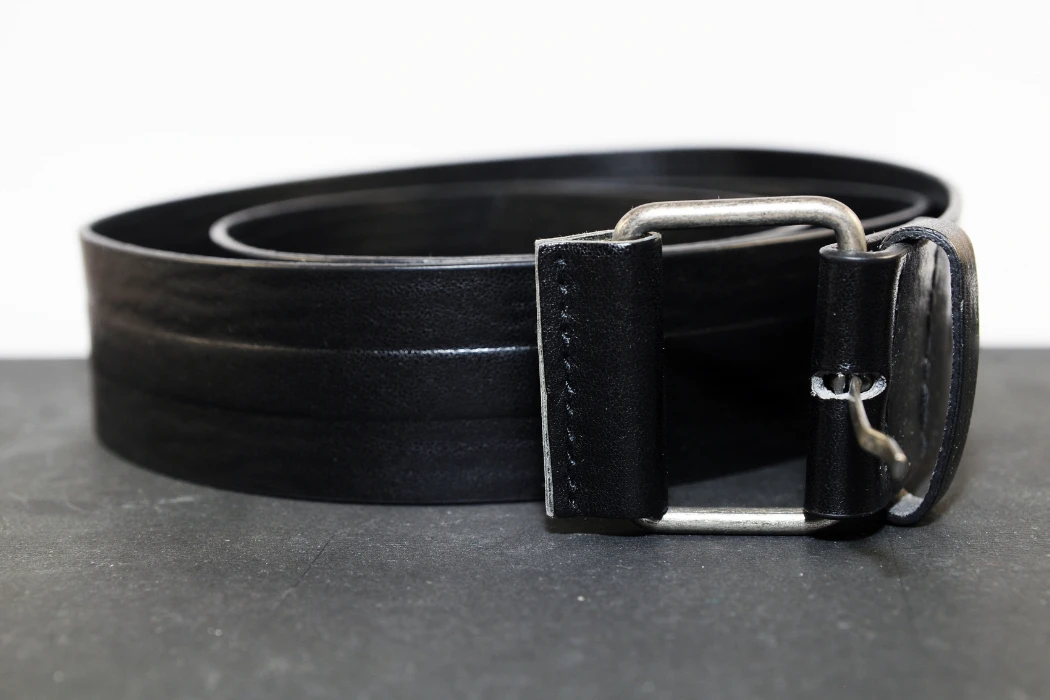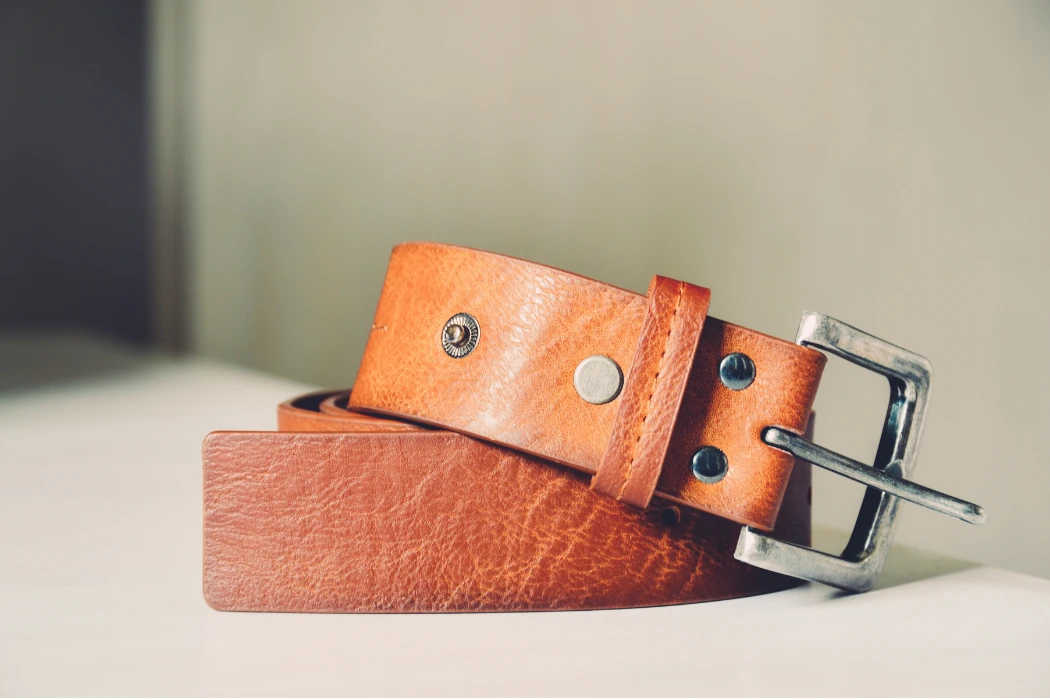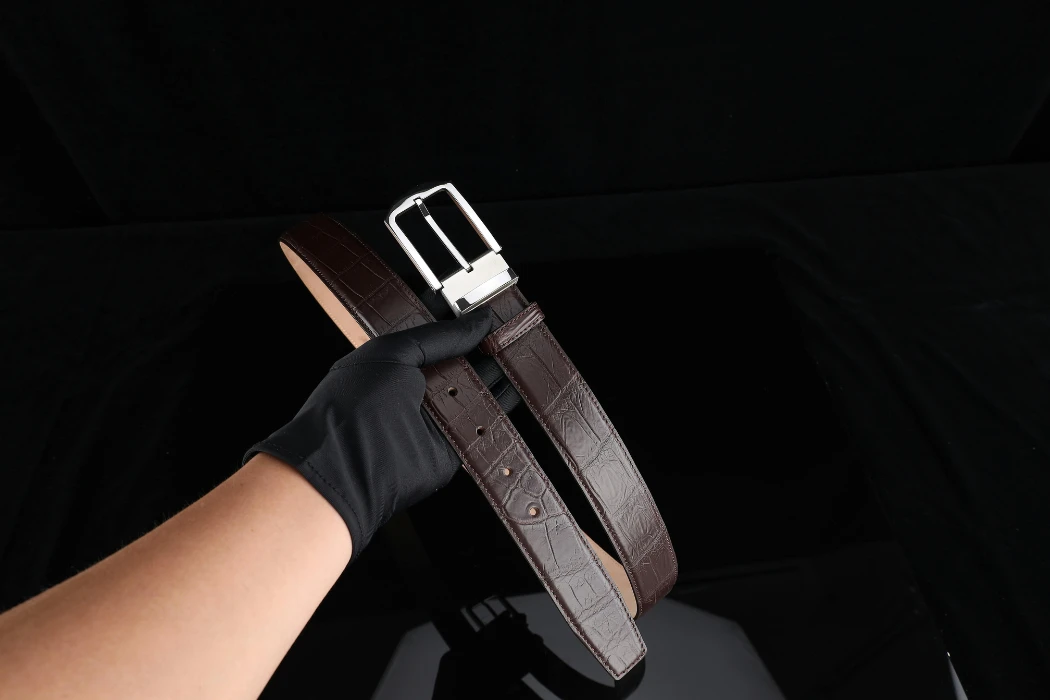
For any fashion brand, the cost of quality isn’t just the manufacturing price of the belt—it is the heavy cost of customer returns. A single batch of defective leather accessories can damage a brand reputation that took years to build. Therefore, catching issues before shipment is not optional; it is a financial necessity.
When inspecting leather, it is crucial to distinguish between a “natural characteristic” and a “manufacturing defect.” Small neck wrinkles or slight grain variations often prove the material is genuine full-grain leather. However, issues like open scars, peeling edge paint, or loose hardware are clear failures of the production process that must be rejected.
To help quality inspectors and buyers standardize their acceptance criteria, we have compiled the ultimate defect checklist. This guide outlines the top 10 specific issues you must check for during a Final Random Inspection (FRI), strictly ordered by the production workflow.
Quick Insight: The Defect Cheat Sheet
| No. | Defect Name | Category | Typical Severity | Detection Method |
|---|---|---|---|---|
| 1 | Open Scars/Scratches | Material | Major | Visual: Inspect the full length of the strap under light. |
| 2 | Color Shading | Aesthetic | Minor/Major | Light Box: Compare against the approved “Master Sample.” |
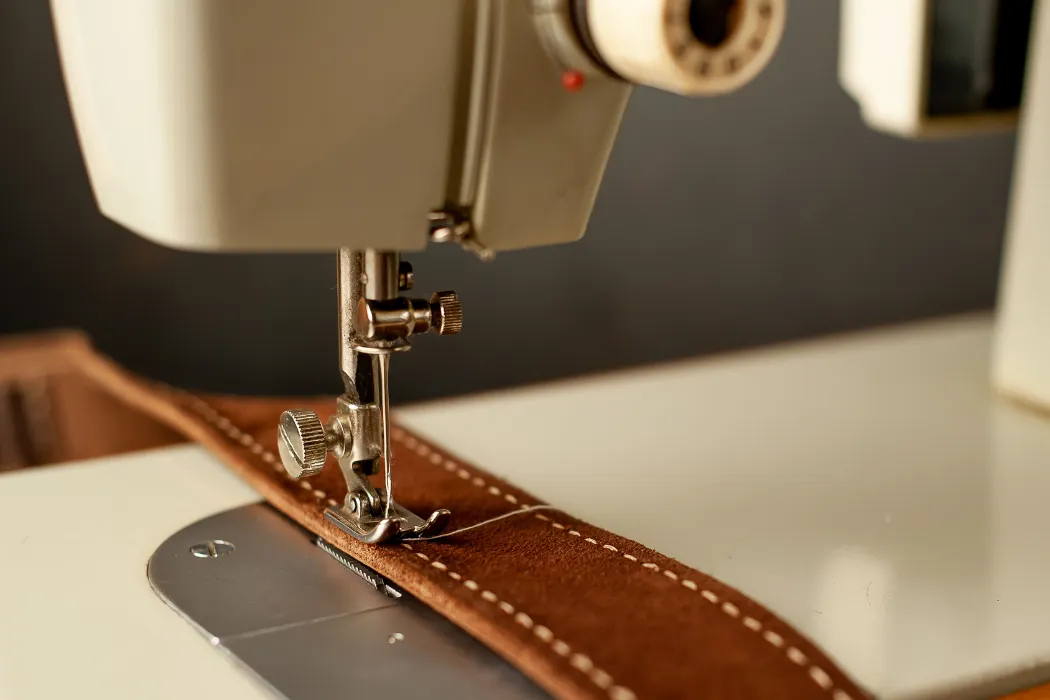
| 3 | Skipped Stitches | Construction | Major | Visual: Look for breaks in the thread line. |
| 4 | Loose Threads | Finishing | Minor | Visual: Check strap ends and buckle attachment points. |
| 5 | Cracked Edge Paint | Finishing | Major | Flex Test: Bend the strap 90 degrees to see if paint splits. |
| 6 | Plating Peeling | Hardware | Major | Visual: Check buckle corners for bubbles or base metal visibility. |
| 7 | Rust or Oxidation | Hardware | Major | Visual: Check metal parts for discoloration or rough spots. |
| 8 | Sharp Edges/Points | Safety | Critical | Touch: Run fingers along the buckle prong and frame. |
| 9 | Incorrect Size | Major | Measurement: Measure from the buckle bar to the center hole. | |
| 10 | Mold or Fungus | Hygiene | Critical | Visual/Smell: White spots or musty odor on the leather surface. |
What Are the Most Common Leather Surface Defects?
The first step in any inspection is checking the raw material. Leather is organic, but factory errors in selection and dyeing are not acceptable.
1. Open Scars and Scratches
While healed scars can be a sign of genuine authenticity, open wounds compromise the leather’s integrity.
- The Visual: Look for scratches where you can feel a groove or see the raw, lighter-colored fiber inside.
- The Cause: These are mechanical damages, typically occurring during the tanning process or careless transport, rather than during the animal’s life.
Any open scratch longer than 5mm on the visible side of the belt constitutes a Major Defect.
2. Color Shading
Dyeing consistency is critical for maintaining brand uniformity across different production batches.
- The Visual: The belt color visibly deviates from the approved “Golden Sample,” or shows uneven “clouding” on the strap.
- The Cause: Inconsistent saturation in dip-dyeing (common in vegetable tanning) or clogged nozzles in spray applications.
Using a D65 light source, reject any variance greater than Grade 4 on the Grey Scale.
How Do Stitching and Edge Construction Failures Happen?
Once the leather is cut, the workmanship determines the belt’s durability. These defects often point to poor machine maintenance or rushed labor.
3. Skipped Stitches
A lockstitch machine relies on perfect tension; a single skip compromises the structural strength of the entire belt.
- The Visual: A break in the continuous line of stitching, leaving a long floating thread segment.
- The Risk: This creates a weak point that can easily snag, causing the entire row of stitching to unravel.
Zero tolerance for skipped stitches on the visible side. Stitch density must match the spec (e.g., 7-9 SPI).
4. Loose Threads
Often dismissed as a minor defect, loose threads significantly lower the perceived retail value of the product.
- The Visual: Excess thread tails that were not trimmed or burned off, typically found near the buckle loop or strap tip.
- The Cause: Failure in the final manual trimming process or lack of proper thread-burning techniques.
All thread ends must be trimmed flush to less than 0.5mm.
5. Cracked Edge Paint
This is the most frequent durability failure in mass-produced leather belts, leading to high return rates.
- The Visual: The paint covering the raw edge splits or peels away when the belt is bent.
- The Cause: Factories applying thick layers without allowing them to dry, or using cheap paint with low elasticity.
Perform a Flex Test by bending the strap 10 times; any visible micro-cracking is a Major Defect.
Why Do Buckles and Metal Hardware Often Fail Inspection?
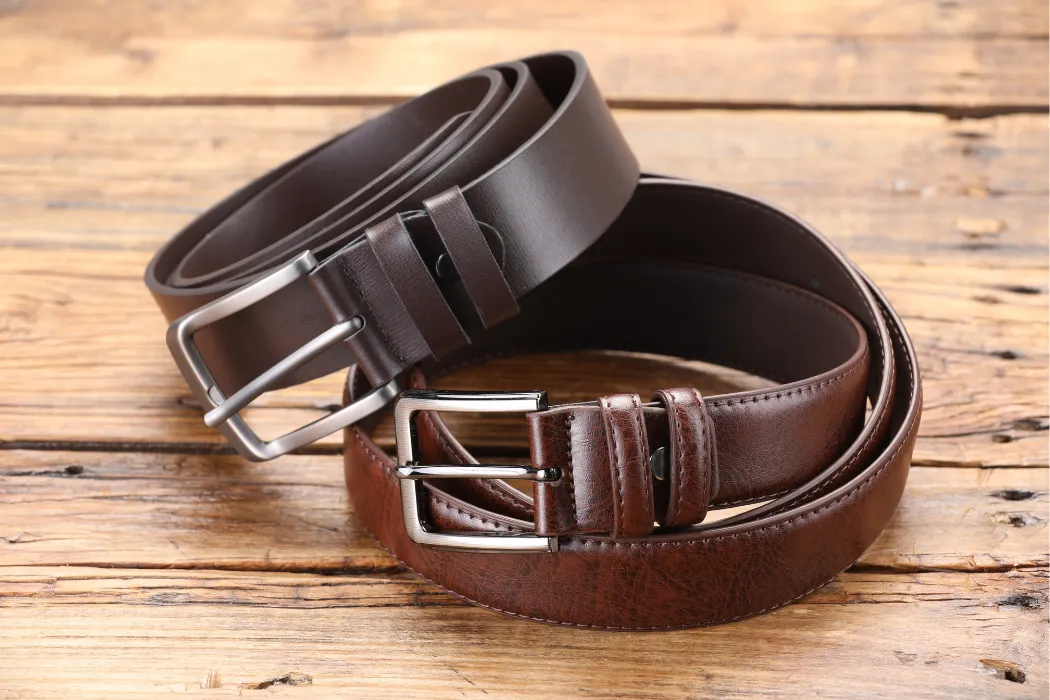
Hardware is the “jewelry” of the belt. Defects here are costly as they often require replacing the entire buckle.
6. Plating Peeling
Finish failures on Zinc Alloy or Brass buckles immediately signal poor quality to the consumer.
- The Visual: The Gold, Silver, or Gunmetal top layer bubbles or peels off, exposing the grey base metal underneath.
- The Cause: Improper cleaning of the base metal (grease or dust residue) before the plating bath.
Apply the 3M Tape Adhesion Test; if any plating lifts off onto the tape, the entire batch fails.
7. Rust or Oxidation
Ocean freight exposes products to extreme humidity and salt air, attacking unprotected metal components.
- The Visual: Red rust or black tarnish spots appearing on the buckle frame or prong.
- The Cause: Lack of a proper anti-corrosion clear lacquer (e-coating) or insufficient plating thickness.
Hardware must pass a minimum 24-Hour Salt Spray Test (ASTM B117) without showing corrosion.
Are Size, Safety, and Hygiene Considered Critical Defects?
The final checks ensure the product is safe, fits correctly, and is clean. These are often “deal-breakers” for retailers.
8. Sharp Edges/Points
Safety hazards are non-negotiable and are classified as Critical Defects due to liability risks.
- The Visual: Razor-sharp burrs or rough metal excess left on the buckle prong or frame.
- The Risk: Direct injury to the customer’s hands or snagging damage to their clothing.
Use the “Nylon Stocking Test”; if the buckle snags a pair of sheer nylon stockings, it fails immediately.
9. Incorrect Size
In fashion manufacturing, “close enough” is effectively a mislabeling error that leads to returns.
- The Visual: The measured length deviates from the tech pack specifications.
- The Method: Measure strictly from the internal buckle bar (where the pin sits) to the center hole.
Industry tolerance is strictly +/- 0.5 inches (1.27 cm); anything beyond this range is a rejection.
10. Mold or Fungus
Mold growth during shipping is the logistical nightmare of the global leather industry.
- The Visual: White, fuzzy spots or a distinct musty odor on the leather surface.
- The Cause: Packing leather with a moisture content exceeding 14% or storage in damp warehouse conditions.
Zero Tolerance. Any sign of active mold requires quarantining and treating the entire shipment.
What Physical Tests Must a Belt Pass to Avoid Defects?
Beyond visual inspection, lab testing is mandatory to predict performance. A belt that looks perfect but snaps under pressure is a liability.
| Test Name | Standard / Requirement | Purpose |
|---|---|---|
| Color Fastness (Dry/Wet) | Grade 4 (Dry) / Grade 3-4 (Wet) | Prevents staining on clothes. |
| Tensile Strength | Min. 40kg (Casual) / Min. 25kg (Dress) | Ensures buckle attachment holds. |
| Flex Resistance | 20,000 Cycles (No Cracking) | Ensures edge paint durability. |
Frequently Asked Questions (FAQ)
What is the standard “Acceptable Quality Limit” (AQL) for leather belts?
For fashion accessories, the industry standard for Final Random Inspection is usually Level II with an AQL of 2.5 for Major Defects and 4.0 for Minor Defects. Critical Defects (like mold or sharp points) usually have an AQL of 0 (Zero Tolerance).
How can I prevent mold from growing on leather belts during shipping?
Mold thrives in humidity. To prevent it, ensure the leather moisture content is below 14% before packing. Use “Anti-Mold Chips” or silica gel packets in individual polybags, and ensure cartons are stored in a dry, ventilated warehouse before loading.
Is “Genuine Leather” considered a defect if I ordered “Full Grain”?
Yes. While “Genuine Leather” is a real material, it is a lower grade than Full Grain. If your tech pack specifies Full Grain and the factory substitutes it with corrected grain or split leather, this is a Material Defect and grounds for rejection.
Why does the edge paint on my belts peel off after a few months?
This is typically caused by using cheap, low-elasticity paint or applying thick layers without allowing them to dry properly between coats. High-quality manufacturing requires 3-5 thin layers with heat setting to ensure bond strength.
Conclusion: Quality is Engineered, Not Just Inspected
Detecting these 10 common defects is critical, but preventing them is better. Reliance on a final inspection to catch errors is costly and inefficient. The secret to a defect-free supply chain lies in partnering with manufacturers who control the raw material source and enforce strict SOPs at every stage of production.
For brands that cannot afford the risk of returns or reputation damage, Hoplok Leather Goods offers a fully integrated solution. With our self-owned Pro Pelli leather finishing facility in Cambodia and three ISO-certified factories, we control the quality from the hide to the final stitch. Our automated defect scanning and rigorous lab testing ensure that your custom leather belts meet global retail standards every time.