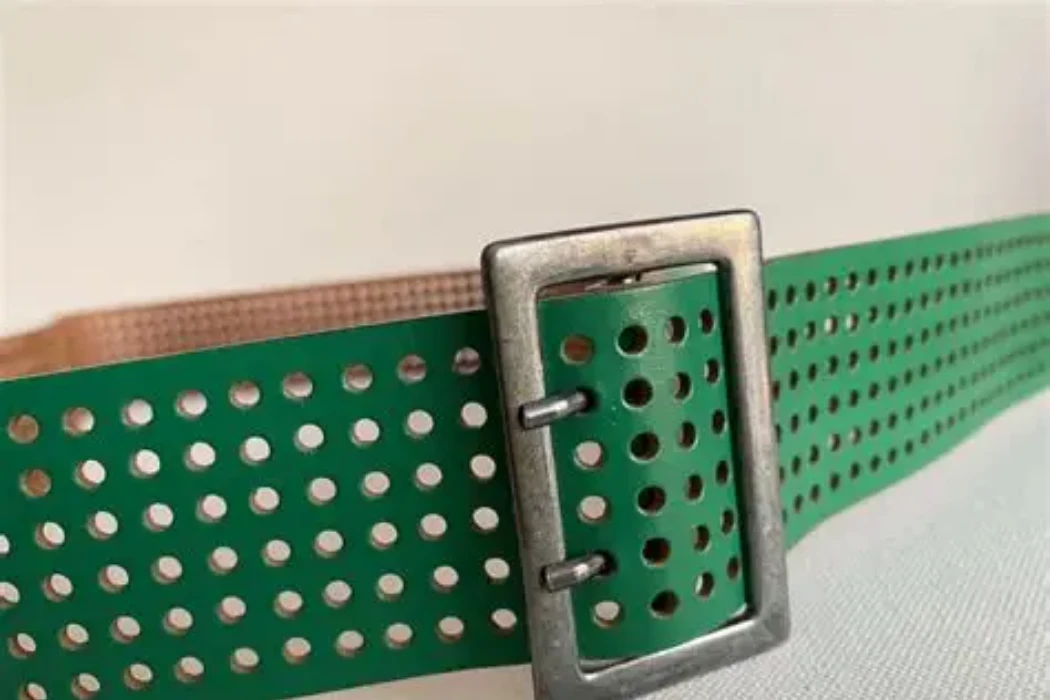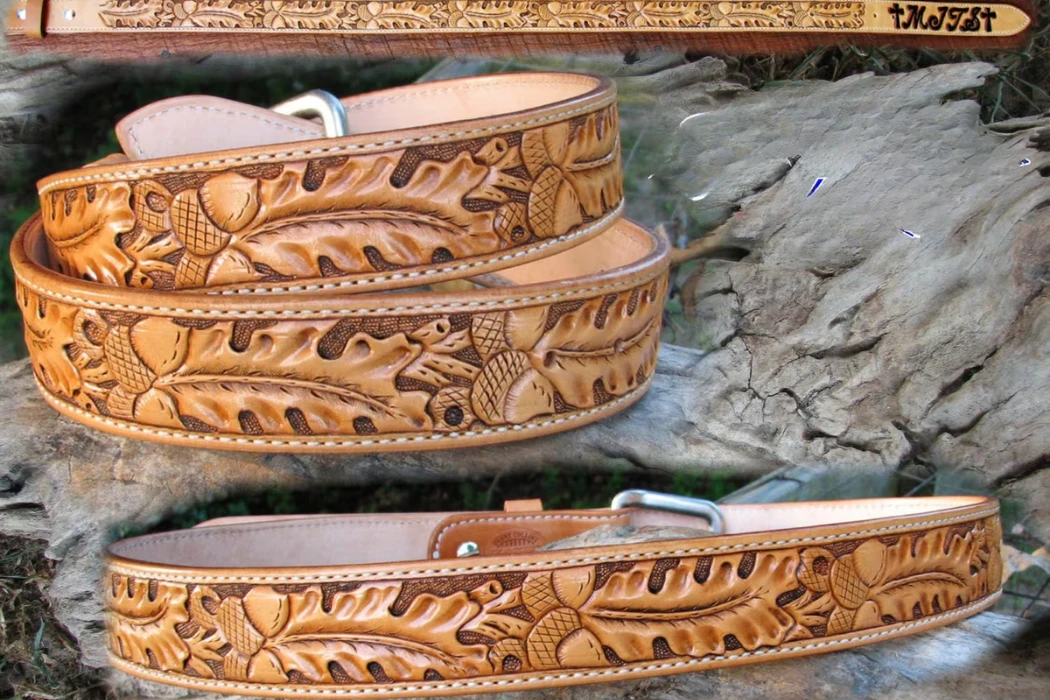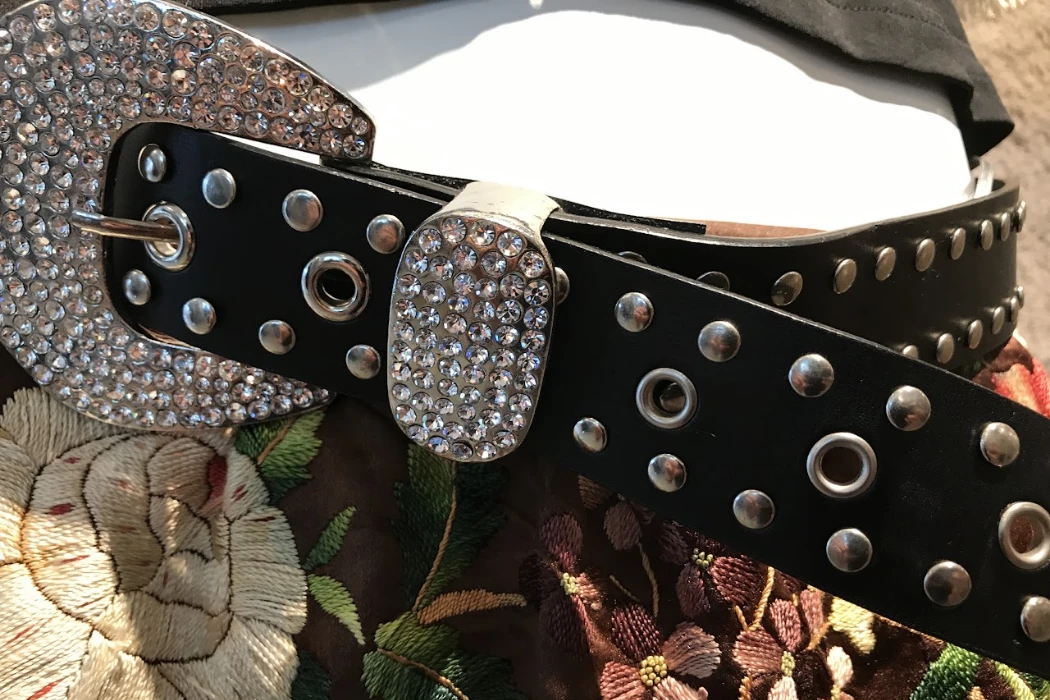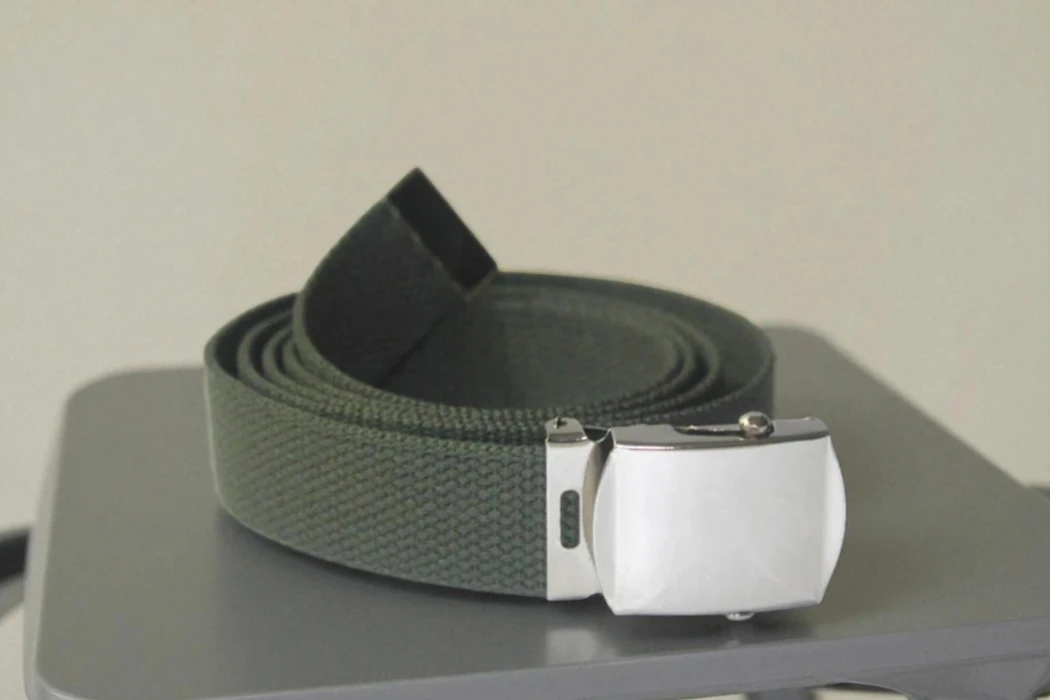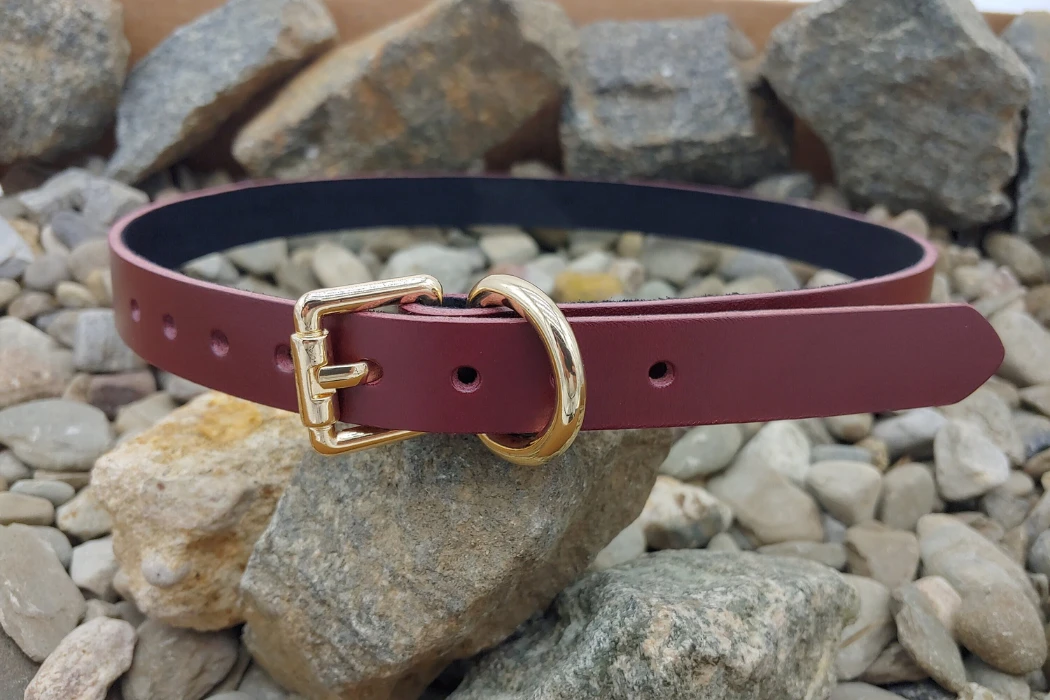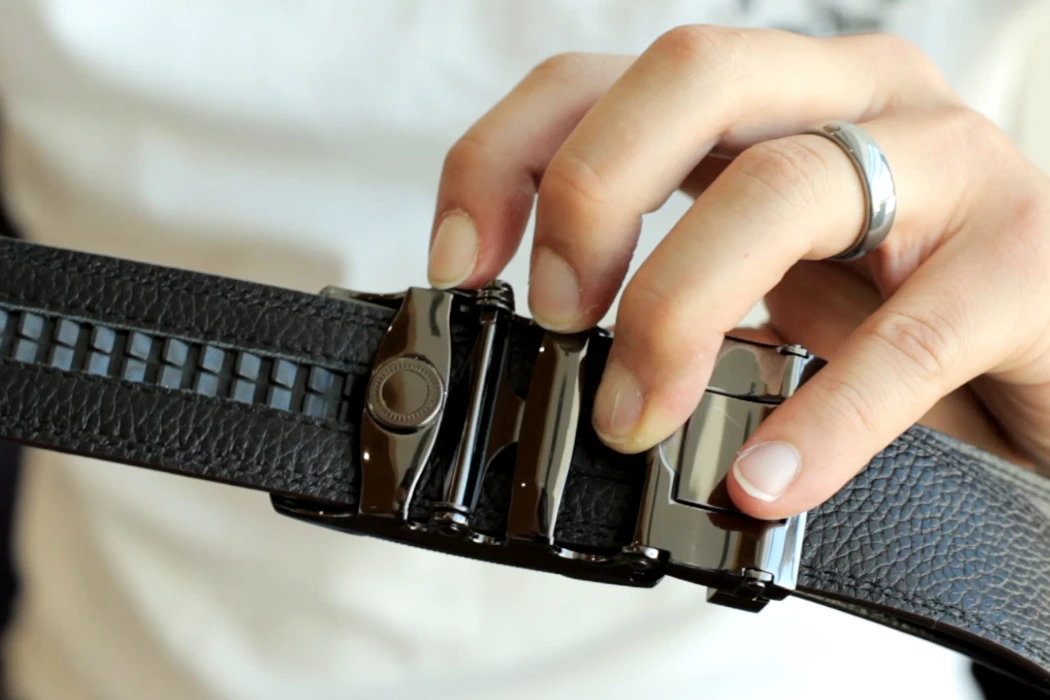
A leather belt can be shortened at the buckle end only when its construction allows the hardware to be removed and reattached correctly after trimming. A cut-to-fit belt is designed for this operation. Other belts may require a leather-goods repairer, even when a screw or clamp is visible.
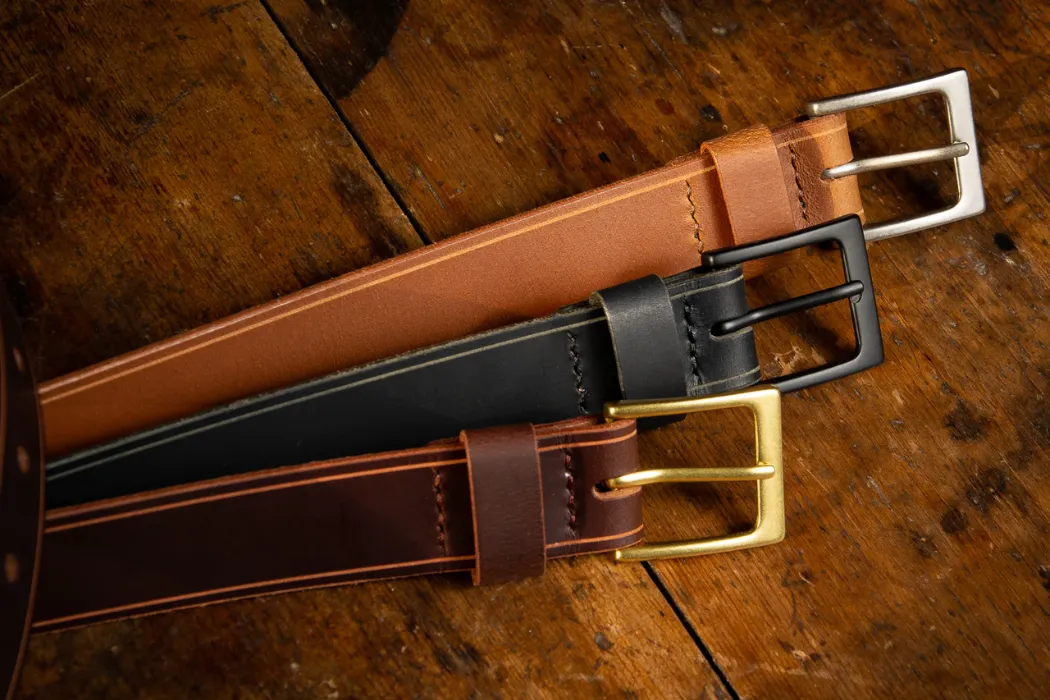
Cutting the tip mainly removes tail length; it does not automatically change the distance from the buckle to the existing wearing holes. First identify whether the problem is excess tail, an unsuitable fastening range or both. That distinction prevents an alteration that changes the appearance without fixing the fit.
Identify the attachment before planning a cut
| Construction | What must be confirmed | Alteration boundary |
|---|---|---|
| Manufacturer-designated cut-to-fit clamp | Release method, trim allowance and reinsertion depth | Follow the instructions for that mechanism |
| Removable threaded posts | Fold, slot, holes, skiving and keeper arrangement | Removal alone does not prove the end can be recreated simply |
| Riveted or sewn attachment | How the structural fixing would be rebuilt | Seek a competent repairer’s assessment |
| Laminated, decorated or unusual strap | Hidden layers, pattern placement and edge requirements | Obtain product-specific approval before cutting |
Do not prise open an unfamiliar buckle on the assumption that it is a release clamp. Some hardware conceals a permanent fixing. Preserve the instructions and photograph the original assembly before any permitted disassembly.
Measure effective fit separately from overall length
Use the brand’s measurement datum and the intended wearing position over the relevant clothing. Record the desired working setting, the full usable range and the tail allowance. A measurement from the buckle fold is not automatically interchangeable with one from a different point on the buckle.
For a permitted buckle-end reduction, establish the difference between the current effective size and the required size using the same datum. The reconstruction also needs the correct fold and hardware allowance. Do not transfer a generic formula to an unfamiliar attachment.
For example, removing excess tail beyond the holes leaves those holes at their previous distances from the buckle. This can improve the appearance of a belt that already fits, but cannot by itself make an oversized working range smaller.
Follow a staged cut-to-fit process
- Confirm the model is intended to be trimmed and obtain its instructions. Check the condition of the strap, coating and fixing.
- Record the original assembly and mark the proposed trim using the brand’s sizing method. Recheck the result before detaching anything.
- Release the mechanism exactly as instructed. Keep its parts and note the required insertion or fold arrangement.
- Use a suitable sharp cutting tool on a stable protective surface with the strap supported. Keep hands out of the cutting path and follow the tool’s instructions.
- Recreate only the holes, slot or edge treatment explicitly required by the design. A qualified repairer should handle work beyond those instructions.
- Reassemble to the specified engagement and fastening requirements. Check operation, tail and keeper before use.
If the mechanism does not grip correctly or the strap shows damage, stop using the altered item and request assessment. A hidden cut is still part of the construction; covering it with a buckle does not make an unsuitable alteration acceptable.
Why the old end is not always a complete template
A removable screw assembly can include local thinning, a buckle-pin slot and a captured keeper, as well as round holes. After trimming, the new end may have a different thickness or reinforcement. Copying one hole from the scrap can miss those details.
Do not use nail polish, superglue or an arbitrary threadlocker as a universal fastening method. Hardware and product instructions should specify the appropriate fixing, including any compatible locking treatment. A substance suitable for a metal thread may still damage nearby leather or prevent later servicing.
Tail reshaping and edge repair need their own assessment
Cutting through a stitched or laminated tip may require rebuilding the edge and securing the construction. Its shape must still pass through the intended loops and keeper. A new raw edge should receive the treatment appropriate to that material, rather than a universal sanding and wax recipe.
Edge finishing can affect appearance and use, but it does not guarantee that the strap becomes waterproof or cannot delaminate. A wrong cut cannot be made correct merely by coating over it.
Design adjustable belts before writing customer instructions
Brands should agree the trim area, adjustment range, mechanism and required tools during development. Have the proposed instructions followed on representative finished samples, then inspect the adjusted products. Check whether the process remains practical across colours, sizes and material variants.
For a Hoplok belt enquiry, send the intended adjustment feature and fastening reference. Confirm feasibility and approve the full sample before describing a collection as cut-to-fit or promising fewer size returns.