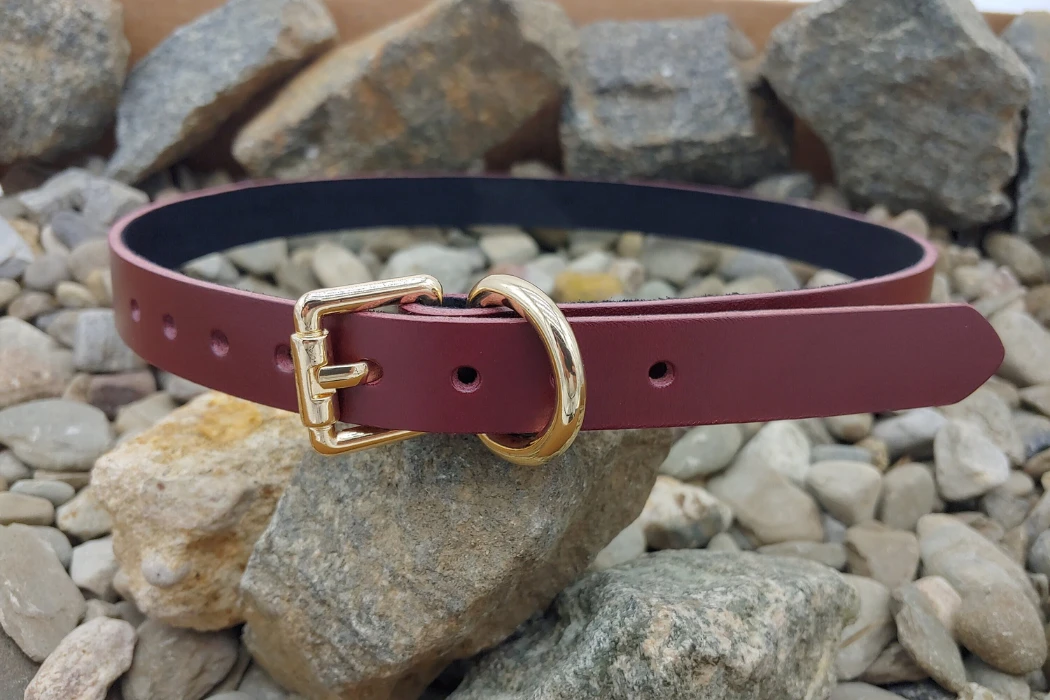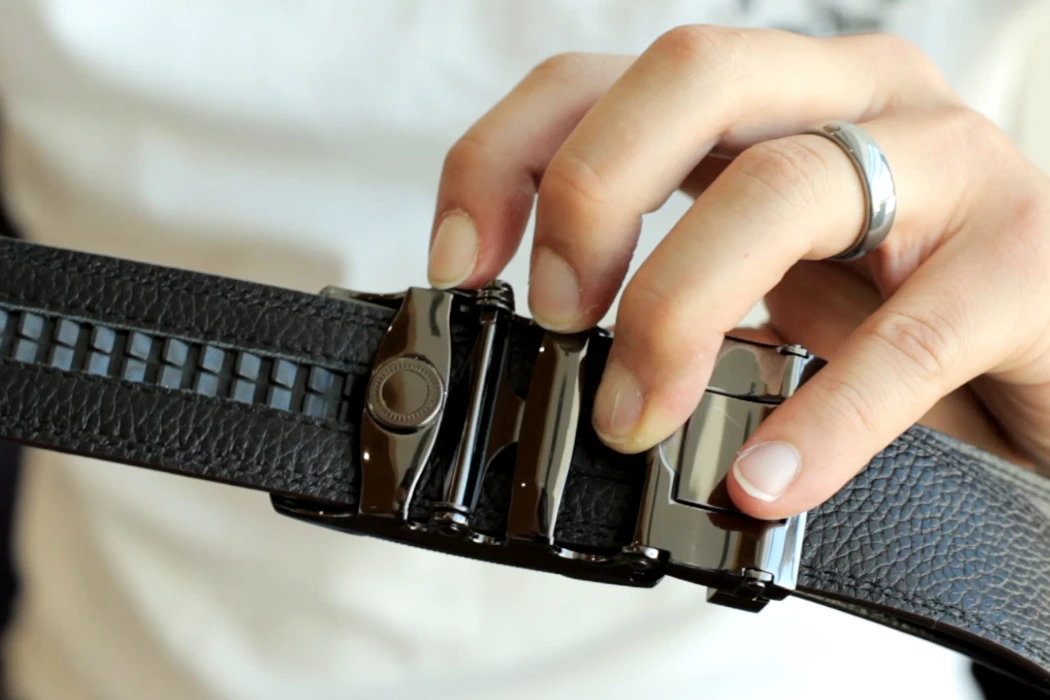
Microfiber leather is a trade name for an artificial leather material built around a fine-fiber substrate, commonly combined with polyurethane. Buyers may consider it for the appearance, hand, consistency or animal-free material brief of an accessory, but the name does not establish a universal strength, lifespan or environmental advantage.
This guide explains the construction, properties to specify, comparisons with hide leather and other coated materials, and the evidence to request before production. It focuses on material selection for bags, belts and small accessories. Choose a named material grade and evaluate it in the intended product.
What Is Microfiber Leather?

A common construction uses a three-dimensional microfiber nonwoven impregnated with polyurethane, with an additional surface finish where a grain-like appearance is required. For example, Kuraray describes this structure for CLARINO. The exact fibers, resin, finish and manufacturing route depend on the material producer and grade.
Definition and Composition
Request the fiber and polymer composition, substrate type, finish, thickness and usable width. A synthetic suede-look material may have a napped surface instead of a continuous grain coating. “Microfiber” describes the fiber scale; it is not a complete material specification, an animal-free certification or proof of product performance.
Manufacturing Process
The process builds and consolidates a fine-fiber substrate, combines it with a binder and finishes it for the required surface and hand. Kuraray’s material explanation describes an islands-in-the-sea fiber route and polyurethane impregnation for its products. Other grades use different process details. Ask the actual producer for its construction rather than prescribing one denier, needle density or finishing sequence to the whole category.
Types of Microfiber-Based Materials
Select the surface and structure for the design, then identify the exact supplier code. An embossed animal-grain pattern on a synthetic material is a surface design, not evidence that it contains that animal’s hide.
| Construction or finish | Potential accessory use | What to verify |
|---|---|---|
| Smooth or grained surface | Outer panels, straps or small goods | Coating, substrate, thickness and assembly behavior |
| Suede-look surface | Selected outer panels or linings | Fiber/binder composition, nap, transfer and cleaning |
| Embossed surface | Decorative panels and straps | Pattern, depth, flexing and accurate labeling |
| Application-specific grade | A defined product specification | Test scope and suitability for that exact use |
The examples explain material categories and do not imply that Hoplok uses a named supplier’s product or offers every technical grade.
Characteristics to Specify and Test
Properties depend on the substrate, polymer chemistry, finish, thickness and construction. Compare material reports only when the methods, specimen directions, conditions and acceptance criteria are compatible. A loose-material result does not establish performance at a seam, buckle fold or bag handle.
Durability
Review abrasion, tearing, tensile behavior and surface adhesion as relevant to the design. Record the method, units, direction and failure criterion. Do not compare an abrasion cycle count from one method directly with a result from another, or convert either into a guaranteed service life.
Breathability
Air permeability and water-vapor transmission measure different behavior. A porous substrate may be covered by a less-permeable finish or combined with backing in the finished product. Request the relevant result for the selected construction if moisture transport matters to the brief.
Ageing and Hydrolysis
Microfiber reinforcement does not prevent every polyurethane ageing mechanism. Heat, moisture, light, coating chemistry and storage can affect performance. ISO 1419 describes accelerated-ageing assessment for coated fabrics. Agree an appropriate method and evaluation with the laboratory; accelerated exposure is not a direct promise of years in use.
Flexibility
Evaluate the selected thickness at the folds and curves of the actual product. Check for surface damage, separation, permanent marking or excessive stiffness after the agreed flexing evaluation. A soft loose swatch can behave differently when laminated or stitched.
Water Resistance
A coated face may resist a particular liquid exposure, but cut edges, seams, backing and closures remain part of the product. Specify whether the requirement concerns surface wetting, water penetration or the complete assembled article. Do not label a bag waterproof from the material name alone.
Staining and Color Transfer
Check the intended contacts, which may include light textiles, denim, cosmetics, oils or packaging. Agree the exposure and cleaning procedure before testing. A smooth surface can still stain or transfer color, and a suede-look surface requires its own evaluation.
Environmental and Animal-Free Claims
An artificial material can support an animal-free sourcing brief when its full composition and processing aids have been verified. This does not establish a lower environmental footprint. Identify recycled or bio-based content precisely and request evidence for the material supplied.
Cutting and Sewing
Test cutting, seam placement, needle/thread selection and reinforcement on the sample. Roll consistency can help production planning, but thickness variation, coating defects and feed behavior still need inspection. Review critical stitch lines rather than assuming uniform material eliminates sewing problems.
Temperature and Light Exposure
Choose the required exposure conditions for the product and request suitable evidence. There is no single cold-flex temperature, UV result or sunlight-heating behavior that applies to every microfiber material. Confirm storage guidance with the material supplier.
Potential Advantages for Accessory Production
A suitable grade may provide the surface, color and hand required by the collection while offering a repeatable roll format. Assess those benefits using the supplier’s actual specification and the finished sample.
Cost and Cutting Layout
Compare price on a usable-area basis, accounting for roll width, cutting direction, defects, pattern repeat and wastage. Include backing, reinforcement, edge finishing and testing. The material category does not establish a fixed saving against hide leather.
Appearance and Supply Planning
A defined grain or color reference can simplify repeat-order discussions. Ask about lot variation, availability and change control. Uniformity should be checked in delivered rolls and on adjacent panels rather than assumed from the product description.
Product-Specific Performance
A grade developed for the intended application may meet the required wear, flexing or care criteria. Verify those requirements with comparable reports and an assembled sample. Premium positioning and a microfiber label are not substitutes for that evidence.
| Possible benefit | Evidence before choosing |
|---|---|
| Repeatable appearance | Approved reference and lot acceptance limits |
| Efficient cutting | Trial layout using actual usable width and defects |
| Desired hand and weight | Finished-product sample |
| Specified performance | Relevant test method, conditions and result |
Limitations and Trade-Offs
Coating and Assembly Failure
A material may develop peeling, cracking, separation or loss of hand as it ages or is used. Inspect the relevant failure modes at folds, seams, edges and contact points. The substrate and coating need to work together with the product’s adhesive and reinforcement.
Dust, Lint and Surface Marking
Napped and smooth surfaces can attract or retain different kinds of soil. Check rubbing transfer, loose fibers and cleaning response on the proposed grade. Do not apply antistatic sprays or surface treatments without the material supplier’s approval.
Material Identity and Appearance
Microfiber artificial leather does not have the original fibrous structure of animal hide. Its surface may be smooth, embossed or napped. State the actual composition in the material specification and use destination-appropriate product labeling; appearance and smell alone are unreliable identification tests.
Special-Use Requirements
Requirements for upholstery, vehicle interiors or other specialist uses differ from ordinary accessories. Confirm a separately qualified material and complete-product design for those uses. Hoplok’s accessory manufacturing offer does not imply automotive, medical or aviation flame-retardant capabilities.
Applications and the Appropriate Material Grade
Microfiber-based artificial materials are offered for several industries, but a material selected for one application should not automatically be transferred to another. The supplier’s stated application and test scope are the starting point.
Bags, Belts and Small Accessories
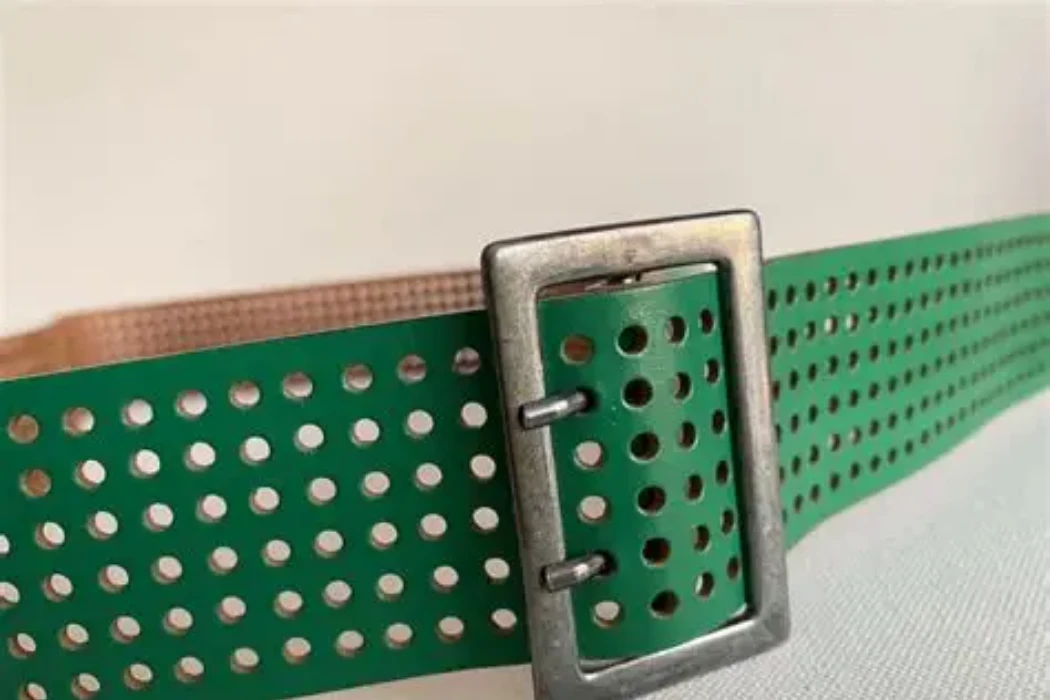
For bag panels, inspect drape, lining compatibility and handle attachment. For belts, check the fold at the buckle, hole area, edge finishing and the complete adjustment range. For wallets or small goods, review pocket access, repeated folds and seam bulk.
Apparel, Furniture and Upholstery
Specialized materials may be offered for clothing or seating with different requirements for drape, comfort, cleaning and performance. These are material-market examples, not a statement that Hoplok manufactures those products. Do not import their test limits into a bag or belt specification without assessing relevance.
Automotive and Other Technical Applications
Technical approvals belong to the specified material, test configuration and application. A supplier’s use of a microfiber family in a vehicle component does not qualify another grade or a finished Hoplok accessory for that application.
Microfiber Leather vs. Hide Leather
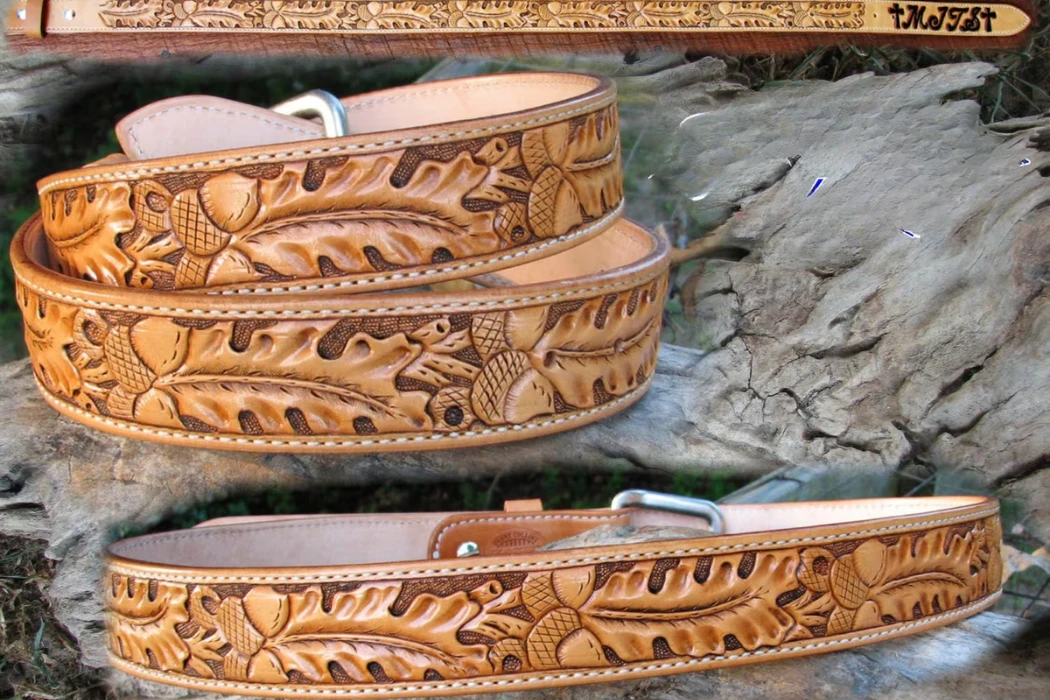
Compare the selected artificial material with an identified leather article: species, layer, thickness, finish and temper. “Genuine leather” is too broad to serve as a single performance benchmark. Full-grain, corrected-grain and split constructions can have different surfaces and finishes.
- Material structure: microfiber artificial leather uses a manufactured fiber/polymer structure; hide leather retains its original fibrous structure.
- Surface: either may have a deliberately finished or embossed face. Inspect the actual appearance rather than relying only on visible pores.
- Weight and thickness: compare the proposed materials at the finished specification; there is no universal half-weight density ratio.
- Performance and cost: evaluate comparable tests, cutting layouts, assembly and care requirements. Neither category wins every comparison.
Microfiber Leather vs. Conventional PU-Coated Material
These names are not mutually exclusive: a microfiber artificial leather commonly contains polyurethane. In a sourcing discussion, “PU leather” may refer to a PU-coated woven or knitted backing, a microfiber-based product or another construction. Ask for a cross-section and complete specification.
Compare substrate type, coating system, thickness, backing and finish. Then review abrasion, flexing, ageing, seam behavior and color transfer under comparable conditions. Microfiber content alone does not prove better hydrolysis resistance, color fastness or a longer lifespan than every other PU construction.
Microfiber Leather vs. PVC-Coated Material
PVC-coated material uses a polyvinyl chloride-based coating system, while common microfiber artificial leathers use polyurethane with a microfiber substrate. Formulation, backing and finish affect flexibility, feel and performance in both categories. Check the exact material and the substances relevant to the destination requirements.
Comparison Summary
Use the actual construction and intended product as the comparison baseline. A broad label is not a measured value.
| Material description | Identify first | Compare on sample |
|---|---|---|
| Microfiber artificial leather | Fibers, binder and face finish | Hand, ageing, surface wear and assembly |
| Hide leather | Layer, finish, thickness and temper | Variation, flexing, transfer and assembly |
| Other PU-coated material | Backing and PU coating system | Adhesion, ageing, wear and seams |
| PVC-coated material | Backing and PVC formulation | Flexibility, surface performance and relevant chemical requirements |
Care and Maintenance
Start with the Material Supplier’s Guidance
Develop care instructions for the chosen grade and complete product. Smooth coated and napped materials may require different treatment. Validate the proposed procedure on a sample before printing it on packaging or care cards.
- Remove loose dirt gently using the method permitted by the supplier.
- If damp cleaning is allowed, use the approved cleaner and amount; avoid saturating seams, edges or adjacent components.
- Allow the product to dry as directed, away from unapproved direct heat.
Stain Removal
Blot a fresh spill where the care instructions permit and avoid spreading it. Ink, oil and dye transfer may not be removable without changing the surface. Do not prescribe alcohol, baby wipes, talc, leather conditioners or solvent cleaners universally; compatibility depends on the finish and adjacent components.
| Situation | Appropriate action |
|---|---|
| Loose dirt | Use the approved gentle cleaning method |
| Fresh spill | Follow the validated blotting and cleaning instructions |
| Ink, dye or oil | Consult the material supplier or a repair specialist before treatment |
| Peeling or cracking | Assess the coating or panel; cleaning cannot restore lost material |
Storage and Protective Products
Follow the supplier’s storage conditions, avoid damaging folds and keep the product clear of unapproved heat or prolonged light exposure. Apply a protectant only if its compatibility and effect on appearance have been approved. There is no universal spray schedule or storage-temperature band for the whole material category.
How to Evaluate New Material and Finish Claims
Suppliers may offer recycled fibers, bio-based inputs, water-based processing or modified coating systems. Treat each as a claim about an identified grade and production route. Availability, performance and environmental outcomes need their own evidence.
Finishing Agents and Performance Claims
Request a technical data sheet and test evidence for any self-cleaning, antibacterial, stain-resistant or UV-resistant claim. Identify the method, target, conditions and durability of the effect. Do not assume that a named additive provides the same benefit in every finished material.
Polymer and Ageing Claims
For a new binder or curing system, compare the relevant measured properties before and after agreed ageing. Record any changes in hand, adhesion or flexibility. An accelerated test improvement cannot be presented as a fixed percentage increase in real-world life without a defensible correlation.
Environmental Claims
The FTC Green Guides summary explains why broad environmental-benefit and non-toxic claims need substantiation. Recycled content, bio-based content, recyclability and biodegradability are different claims. Evaluate the full material and available end-of-life route instead of assuming that one modified ingredient makes the product environmentally superior.
Frequently Asked Questions
Is Microfiber Leather Genuine Leather?
Microfiber artificial leather is a manufactured fiber/polymer material rather than hide leather. Obtain the composition and labeling information for the specific grade. For an animal-free claim, verify all relevant constituents and processing aids rather than relying on the trade name alone.
How Does It Compare with Hide Leather in Feel?
The answer depends on the specific materials and finishes. Compare physical samples for hand, drape, surface texture and weight at the required construction. A coating or embossing can also change the appearance of hide leather, so touch alone is not a reliable composition test.
Is Microfiber Leather Waterproof?
Not by definition. Ask what has been tested: surface wetting, water penetration or the complete product. Seams, edges and closures matter, and an unapproved spray is not a substitute for a suitable construction.
Can Microfiber Leather Be Repaired?
Repair depends on the damage, finish and assembly. A qualified repairer may assess localized treatment or panel replacement, but matching color and texture can be difficult. Obtain advice before applying filler, glue or a generic leather repair compound.
Is It Suitable for Outdoor Use?
Only use a grade whose exposure requirements have been assessed for the intended product. Confirm relevant light, temperature, moisture and ageing performance with the supplier. The name does not establish all-weather suitability.
How Long Does Microfiber Leather Last?
There is no defensible service-life range for the whole category. Formulation, storage, construction, use and care affect the result. Request the relevant material and product evidence, and keep any warranty terms separate from laboratory ageing results.
Is Microfiber Leather Breathable?
Some constructions permit air or water-vapor movement, but finish and backing can change that behavior. Identify the property you need and request the relevant measurement for the complete construction.
What Is Its Environmental Impact?
The answer depends on raw materials, processing, transport, use and end of life. Verify specific environmental claims and compare equivalent assessment boundaries. Being synthetic or free of animal hide alone does not prove a smaller footprint.
Conclusion
Choose microfiber artificial leather as a specified material, not a package of assumed benefits. Confirm composition, finish, construction, relevant tests and care guidance, then evaluate the actual accessory sample against the brief.
For a custom bag or fashion belt project, ask Hoplok to review the proposed material reference, quantities and construction. Confirm sample availability, fees, minimums and the development schedule in the quotation.