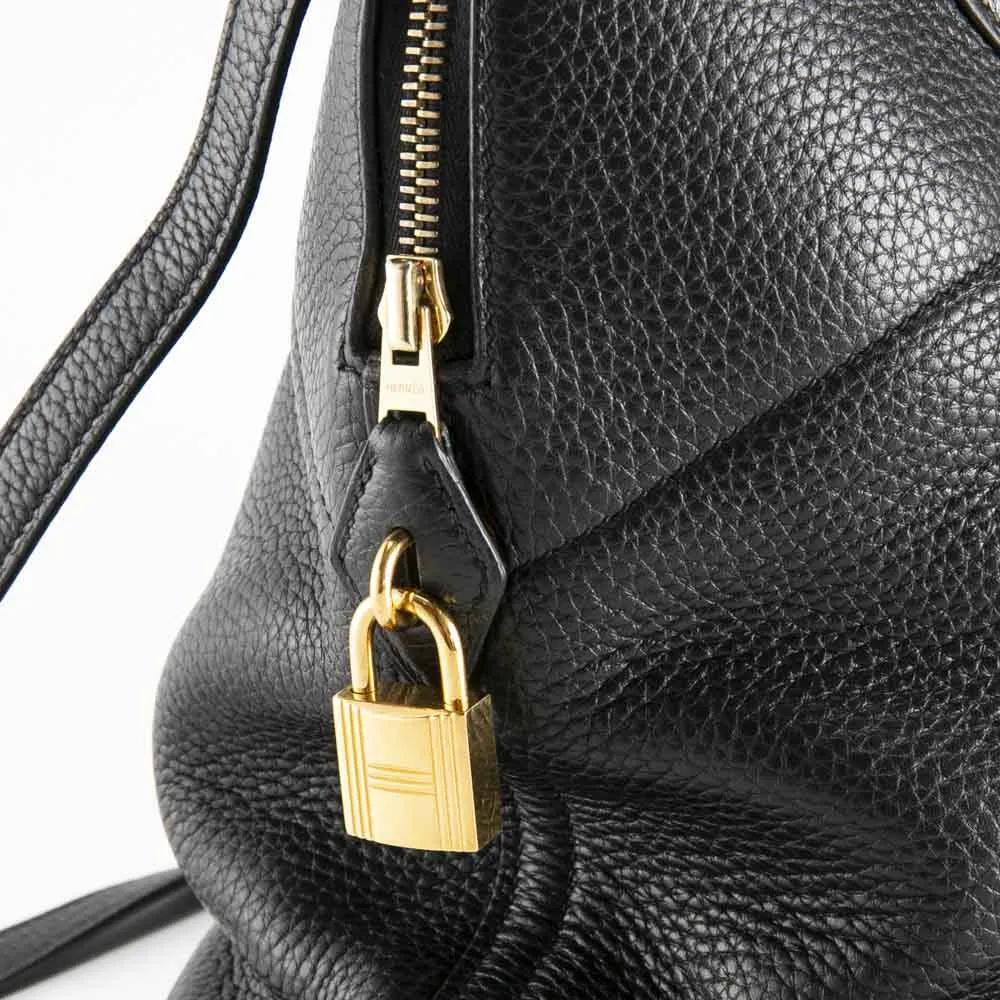
Pebbled Leather is the superior choice for durability. Its textured surface offers exceptional scratch resistance, acting as “optical camouflage” to hide daily wear. It is the standard for high-use commuter bags. Smooth Leather provides a formal, elegant aesthetic but is highly sensitive to abrasion and demands frequent maintenance.
Why does a smooth briefcase look worn after one trip, while a pebbled bag looks new for years? Smooth leather reflects light like a mirror, highlighting every micro-scratch. Pebbled leather diffuses light across its uneven surface, effectively concealing flaws.
This guide analyzes these finishes from a manufacturer’s perspective. We will compare their physical properties, explain the difference between natural “milling” and mechanical “embossing,” and reveal why brands use pebbled textures to maximize hide yield and reduce waste.
What Defines “Smooth” Leather vs. “Pebbled” Leather? (Manufacturing Process)
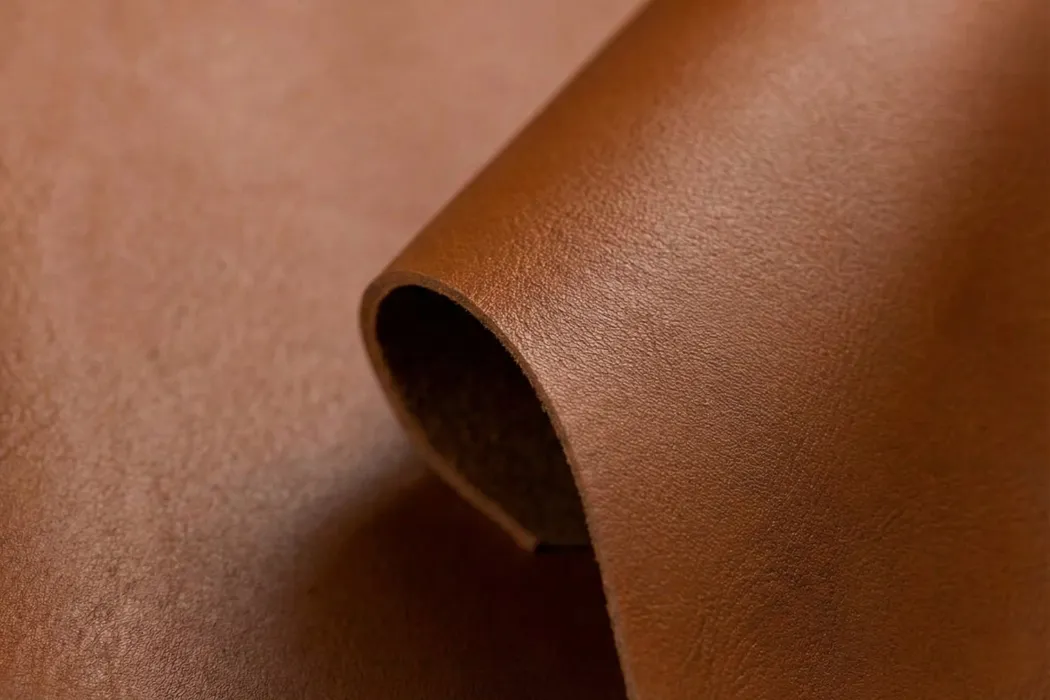
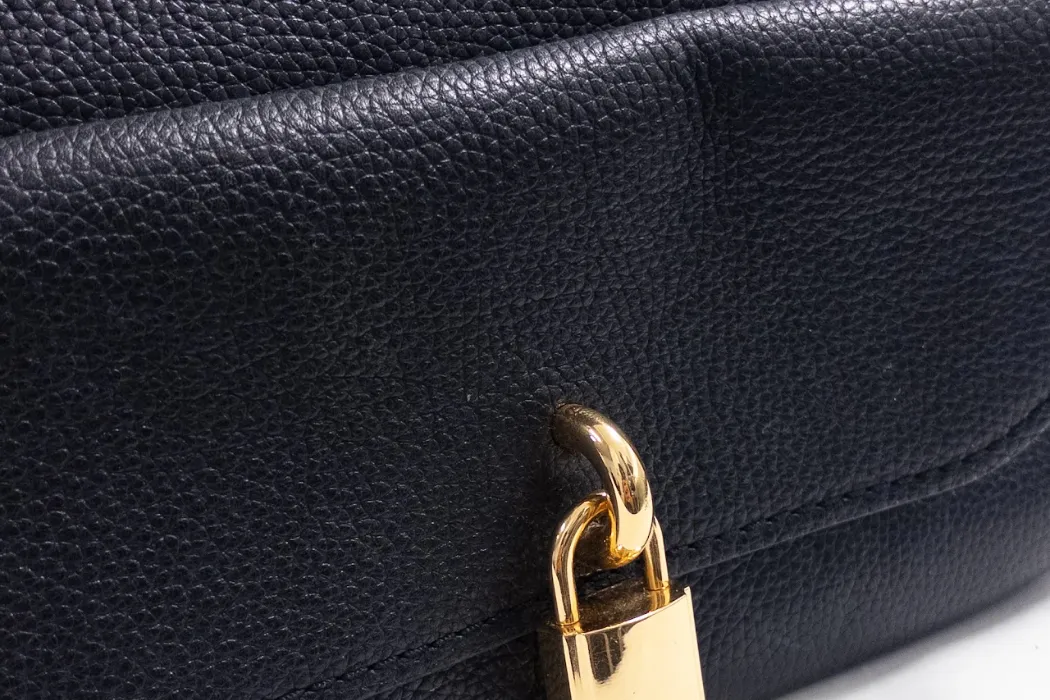
The fundamental difference between these two finishes lies in the final stage of the tanning process. Smooth Leather (like Box Calf) is achieved through stretching and ironing the hide to create a flat, tight surface, a process that demands a flawless raw material. Pebbled Leather achieves its texture through one of two methods: high-end Milling (tumbling the hide to naturally shrink the grain) or industrial Embossing (stamping a pattern with a heated metal plate). While smooth leather highlights the natural grain, pebbled leather manipulates it to add volume and resilience.
The Making of Smooth Leather: Ironing and Polishing
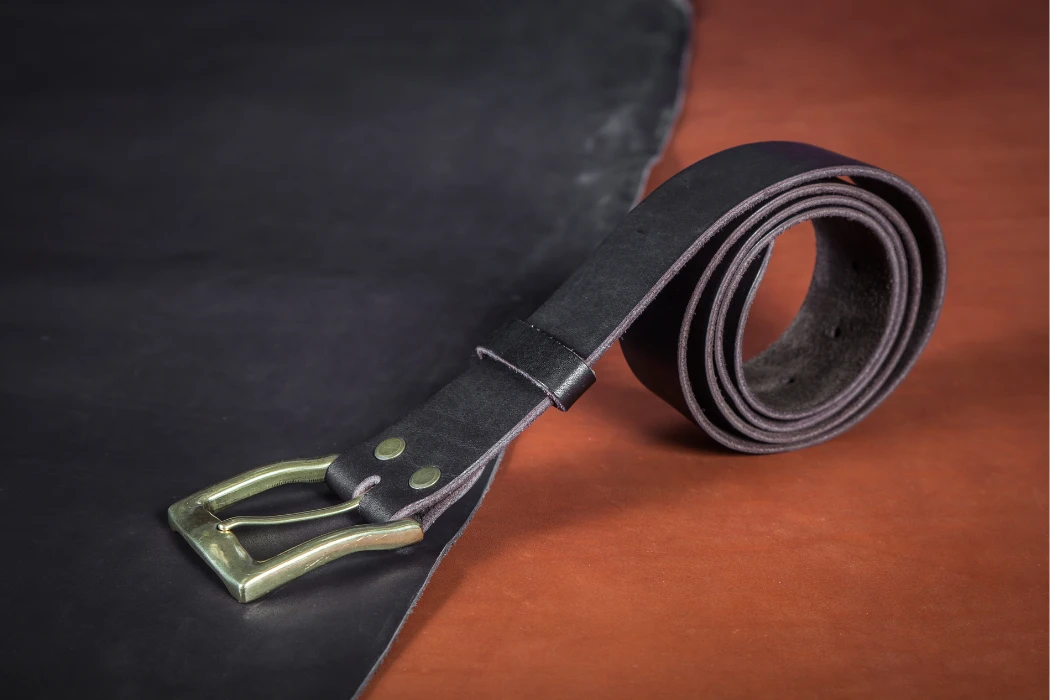
Smooth leather is the unforgiving standard of luxury. To achieve that glass-like finish, the hide must be mechanically flattened.
- Toggling: Wet hides are stretched out on frames (“toggled”) and dried under tension. This pulls the fibers tight and flat.
- Plating (Ironing): The dried leather is passed through a high-pressure roller or press, often heated to around 180°F (82°C). This “irons” the grain flat, creating a uniform, reflective surface.
- The Requirement: Because the surface is flat, any imperfection is magnified. Therefore, smooth leather requires Grade A hides with virtually no scratches, tick bites, or scars.
The Making of Pebbled Leather: Milling vs. Embossing
Pebbled leather is not always made the same way. There is a critical distinction between “Natural” and “Artificial” pebble.
- Milling (Natural Pebble): This is the premium method. Hides are placed in large rotating drums and tumbled for 8-24 hours. The physical impact causes the fibers to relax and the hide to shrink, naturally bunching the grain into a soft, irregular pebbled texture. This leather is soft and “floppy.”
- Embossing (Artificial Pebble): This is the industry standard for durability. A massive metal plate, engraved with a pebble pattern and heated to 200°F+, is pressed into the leather under tons of pressure. This stamps a permanent, uniform texture into the fiber. This leather is stiffer and more structured.
The “Yield” Secret (Hoplok Insight)
Why do so many mid-range brands prefer embossed pebbled leather? It comes down to economics and waste reduction.
Manufacturer’s Insight (Hoplok): At our ProPelli facility, the choice of finish dictates the “Cutting Yield.” For smooth leather, we must use Grade A hides, and even then, we may only use 60-70% of the hide to avoid natural blemishes. For embossed pebbled leather, we can utilize Grade B or C hides. The textured pattern effectively masks minor imperfections like healed scars or insect bites, allowing us to increase the yield to 85-90%. This efficiency allows brands to offer a genuine leather product at a significantly lower price point without sacrificing structural durability.
Durability Showdown: Which Resists Scratches Better?
In terms of daily resilience, Pebbled Leather is the undisputed winner. This superior durability is not necessarily due to the hardness of the hide, but rather the physics of its texture, which provides “Optical Camouflage.” The raised pebbles deflect objects and reduce the surface area of impact, while the valleys of the grain effectively hide minor abrasions. In contrast, Smooth Leather acts like a mirror; because the surface is uniform and reflective, even a microscopic scratch breaks the light reflection, creating a high-contrast, visible flaw immediately.
The Physics of Surface Contact
The durability difference is a matter of geometry. When an abrasive object (like a set of keys or a rough wall) drags across a bag, the damage depends on the contact area.
- Smooth Leather (100% Contact): The object drags across the entire flat surface. There is no interruption, so the scratch is long, continuous, and deep.
- Pebbled Leather (Partial Contact): The object only hits the “peaks” of the pebbles, skipping over the “valleys.” This reduces the actual surface contact area by approximately 50-60%. The damage is fragmented into tiny, disconnected dots rather than a single long line, making it significantly harder for the human eye to detect.
The “Self-Healing” Illusion
Pebbled leather is often described as “self-healing,” but this is an optical illusion created by visual noise.
- Visual Noise: The complex pattern of highlights and shadows on a pebbled surface creates “visual noise.” A new scratch simply blends in as another shadow within the grain. Manufacturer testing suggests that a heavy pebble grain can visually conceal up to 80% of the micro-abrasions that would render a smooth box calf bag unsightly.
- Crease Hiding: Smooth leather shows “break” or wrinkles at flex points (like where a bag folds) within 3-6 months. Pebbled leather’s random grain pattern naturally disguises these stress lines, keeping the bag looking newer for longer.
Resistance Comparison Matrix
This table compares how each finish handles specific daily threats.
| Test Scenario | Pebbled (Milled/Embossed) | Smooth (Box/Aniline) | Winner |
|---|---|---|---|
| Key Scratch Test | Deflects; hides mark in texture. | Shows immediate, visible scar. | Pebbled |
| Water Spotting | Medium-High (Breaks surface tension). | Low (Leaves distinct ring). | Pebbled |
| Creasing/Wrinkling | Hides flex lines in grain. | Develops visible “break” lines. | Pebbled |
| Corner Wear | High (Pebbles act as bumpers). | Low (Color rubs off quickly). | Pebbled |
Maintenance and Care: High Maintenance vs. Low Maintenance
Pebbled Leather is the definition of low maintenance, generally requiring only occasional wiping and dusting with a soft brush to clear debris from the grain valleys. Smooth Leather is high maintenance, demanding a strict regimen of polishing to maintain its gloss and careful waterproofing, as water spots and scratches are immediately visible on its flat surface. Choosing the wrong material for your lifestyle often leads to frustration: a smooth bag that looks ruined after a month, or a pebbled bag that accumulates grime over years.
Cleaning Pebbled Leather: The Brush Technique
Because of its 3D topography, you cannot clean pebbled leather effectively with just a cloth. A cloth only wipes the “peaks” of the texture, often pushing dust and lotion deeper into the “valleys.”
- The Tool: You must use a soft horsehair brush (similar to a shoe shine brush).
- The Technique: Dry brushing in a circular motion is essential to physically dislodge dust trapped in the crevices. If using a leather cleaner, apply the foam with the brush to ensure it reaches the bottom of the grain pattern, lifting dirt out rather than sealing it in.
Polishing Smooth Leather: The Shine Ritual
Smooth leather relies on a flawless surface reflection. Maintenance is about preserving this “mirror” effect.
- Scratch Repair (Filling): When smooth leather gets scratched, the fiber is physically displaced. To fix it, you must use a colored cream polish. This works like spackle, filling the micro-scratch and bonding the fibers back down. Unlike pebbled leather which hides damage, smooth leather requires active repair.
- Buffing: Smooth leather requires regular buffing with a chamois cloth to redistribute waxes and maintain its gloss. Without this friction polishing every 2-4 weeks, the leather will look dull and flat.
Care Routine Comparison
This table outlines the time investment required for each finish, helping buyers understand the “cost of ownership.”
| Step | Pebbled (Milled/Embossed) | Smooth (Box/Aniline) |
|---|---|---|
| Daily Cleaning | Brush dust from crevices (1 min). | Wipe fingerprints/smudges (Daily). |
| Deep Conditioning | Every 6 Months (Low absorption). | Every 3 Months (Essential for shine). |
| Scratch Repair | Rarely Needed (Texture hides it). | Frequent (Requires colored polish). |
| Waterproofing | Optional (Finish repels water). | Mandatory (Stains easily). |
Is Pebbled Leather Always Real? (The Synthetic Trap)
No, “Pebbled” describes the texture, not the material. Because the pebble grain is often applied via a mechanical embossing plate, it can be stamped onto anything—from high-end calfskin to cheap Polyurethane (PU) or PVC plastic. In fact, faux leather manufacturers prefer pebbled textures because the busy surface hides the artificial nature of the plastic. Ironically, it is often easier to spot fake smooth leather (which looks like a flat, lifeless sheet of vinyl) than fake pebbled leather, which can be very convincing.
Why Faux Leather Loves Pebble Texture
Synthetic leather is essentially liquid plastic spread over fabric. In its natural state, it is perfectly flat, glossy, and looks “cheap.” Embossing a heavy pebble grain is the industry’s favorite trick to mask this artificiality.
- Hiding the “Plastic Shine”: The bumps and valleys of the pebble pattern break up light reflection. This mimics the natural light diffusion of real skin, making the plastic look more matte and realistic.
- Simulating Depth: Real leather has depth because it is translucent layers of fiber. Plastic is opaque. A deep embossed texture creates shadows that simulate this depth, tricking the eye.
How to Spot the Fake
To distinguish a $50 PU bag from a $500 milled leather bag, you need to look for the “tells” of mass production.
- The Pattern Repeat Test: Real milled leather is organic; the chaos is random. Faux leather is stamped by a large rolling machine. If you look closely, you will see the exact same cluster of pebbles repeating every 10 to 12 inches (the circumference of the roller). A repeating pattern is a guarantee of synthetic material.
- The Backing Test: Find a raw edge or look inside a seam. Real leather is a single solid substance; the back will look like fuzzy suede. Faux leather is a laminate; the back will show a woven fabric grid (usually white or black polyester) that the plastic was glued onto.
- The Pore Inspection: Even heavily embossed real leather usually retains microscopic hair follicles (pores). Under a magnifying glass, real leather looks like skin with tiny holes. Faux leather looks like a solid, melted landscape with no pores.
Which Should a Brand Choose for Their Collection?
Brand selection should be driven strictly by product positioning and customer lifestyle. If the product line targets the “Durable, Daily, Travel” segment (e.g., totes, camera bags), Pebbled Leather is the optimal choice as it significantly reduces post-sale complaints regarding surface wear. If the line targets the “Luxury, Structural, Evening” segment (e.g., Kelly-style bags), Smooth Leather (like Box Calf) offers the high-gloss refinement and premium hand-feel required to justify a higher price point.
The “Complaint Rate” Factor
For B2B clients, the choice of finish has a direct impact on the bottom line via returns and warranty claims. Manufacturer data shows a clear trend:
- Smooth Leather: High return rate for “scratches” within the first 30 days. Customers often perceive natural scuffs as defects.
- Pebbled Leather: Lowest return rate for surface damage. The texture hides the initial wear-and-tear of the “break-in” period, leading to higher long-term customer satisfaction for daily-use items.
Engineering the Hand-Feel (Hoplok Insight)
Brands do not have to choose between the extreme ruggedness of heavy pebble and the delicacy of smooth box calf. There is a middle ground.
Manufacturer’s Insight (Hoplok): We often advise brands to “engineer” the texture. By adjusting the tumbling time in our ProPelli drums, we can create a custom “Micro-Pebble” grain. This offers the refined, tight appearance of smooth leather but with just enough grain texture to provide scratch resistance. It combines the elegance of a smooth finish with the durability of a pebbled one, often becoming the best-selling leather for “Smart Casual” collections.
B2B Material Selection Matrix
Use this guide to match the finish to the product’s intended lifecycle.
| Product Type | Recommended Finish | Reason |
|---|---|---|
| Commuter Backpack | Heavy Pebble | Withstands high abrasion from transit; hides corner wear. |
| Structure Handbag | Embossed Saffiano/Pebble | Rigidity holds shape; uniform look for formal office wear. |
| Men’s Wallet | Micro-Pebble (Milled) | Offers grip; flexes in pocket without creasing like smooth leather. |
| Travel Duffel | Shrunken Grain (Bison) | Hides deep scratches from luggage handling; rugged aesthetic. |
Frequently Asked Questions
1. Does pebbled leather soften over time?
Yes, especially natural milled pebble. Because the milling process has already loosened the fiber structure, pebbled leather breaks in faster than smooth leather. A milled bag can become 20-30% softer and more slouchy within the first 6 months of use. Embossed pebbled leather (like Saffiano) is stiffer and will hold its shape longer, softening less over time due to the compressed fibers.
2. Is smooth leather more expensive?
Generally, yes. Smooth leather requires Grade A hides because there is no texture to hide natural imperfections like scars or bug bites. Only the top 10-15% of raw hides are suitable for a high-end smooth finish (like Box Calf). Pebbled leather can utilize Grade B or C hides, as the texture masks these flaws, allowing manufacturers to lower the material cost by 20-30%.
3. Does water ruin smooth leather?
It can ruin the finish. Smooth, aniline-dyed leather is porous. A single drop of rain can be absorbed instantly, creating a dark spot. If it dries unevenly, it leaves a permanent “water ring” mark that ruins the pristine, mirror-like aesthetic. Pebbled leather is often finished with a heavier protective topcoat that causes water to bead up and roll off.
4. Can you polish pebbled leather?
No, do not use shoe polish or wax. Traditional paste wax is designed to sit on a flat surface. If applied to pebbled leather, the wax will dry inside the thousands of tiny crevices (valleys), leaving behind a white, chalky residue that is nearly impossible to remove. Instead, use a liquid leather conditioner or cream that absorbs fully without leaving a surface film.
5. Which is better for shoes?
It depends on the formality. For formal dress shoes (Oxfords), Smooth Leather is the only correct choice due to its shine and clean lines. For casual boots or loafers, Pebbled Leather is superior because it hides the scuffs from pavement and resists creasing at the toe box, keeping the shoes looking newer for longer.
Conclusion: Texture is a Functional Choice
In the debate between Pebbled and Smooth leather, there is no absolute winner, only the right tool for the job. Smooth Leather is the aristocrat: elegant, flawless, and high-maintenance, perfect for the boardroom or black-tie events where aesthetics outrank utility. Pebbled Leather is the warrior: rugged, forgiving, and low-maintenance, designed for the chaos of travel, commuting, and daily life.
For B2B brand managers, the decision must balance your aesthetic vision with your customer’s reality. A smooth leather tote may look stunning in a showroom, but if it scratches within a week of use, it becomes a customer service liability. A pebbled bag may lack the sleekness of a hard-sided briefcase, but it builds loyalty through longevity.
Hoplok Leather offers the full spectrum of texturing capabilities. Our ProPelli tannery is equipped to produce both the mirror-like perfection of Box Calf and the deep, rugged character of Shrunken Bison. Whether you need to mask imperfections with a uniform emboss or highlight natural beauty with a smooth finish, we can engineer the exact surface your design requires. Contact Hoplok Leather today to receive a comparison kit of our different pebbled and smooth textures.