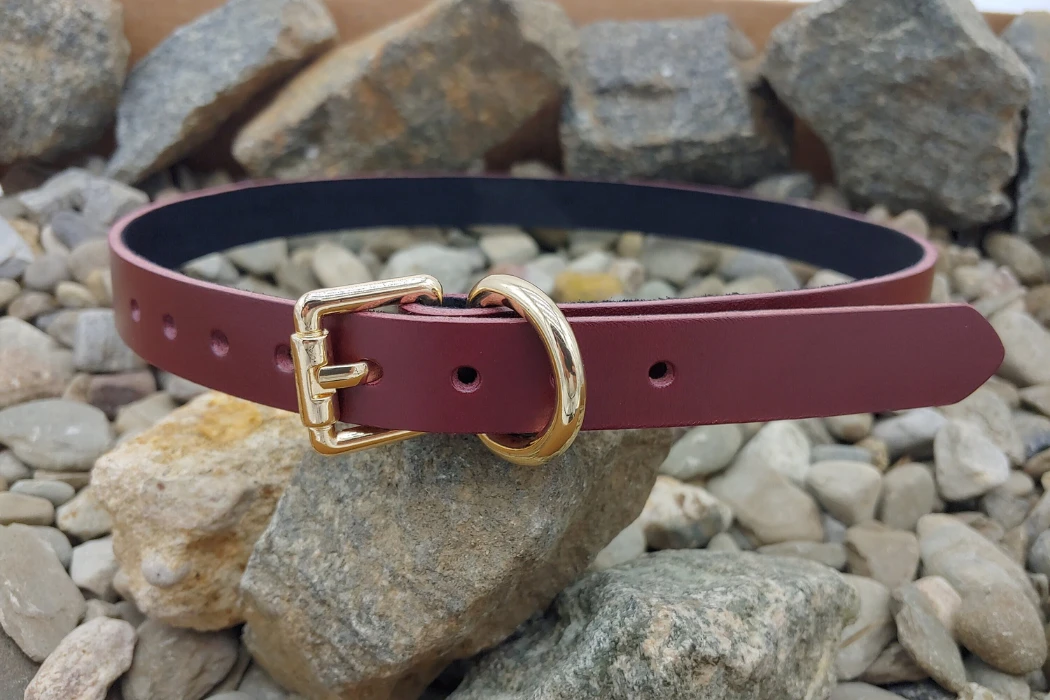
Pebbled and smooth leather are surface descriptions, not durability grades. A pebble texture can make some light marks less conspicuous, while a smooth surface can provide a cleaner visual line. Scratch resistance, water behaviour and service life depend on the particular leather, finish and product construction.
For a brand comparing bag materials, separate how wear looks from how much physical damage occurs. This guide examines finishing methods, cutting yield, care, material identification and sample selection without assigning either texture an unsupported universal performance ranking.
What Defines “Smooth” Leather vs. “Pebbled” Leather? (Manufacturing Process)
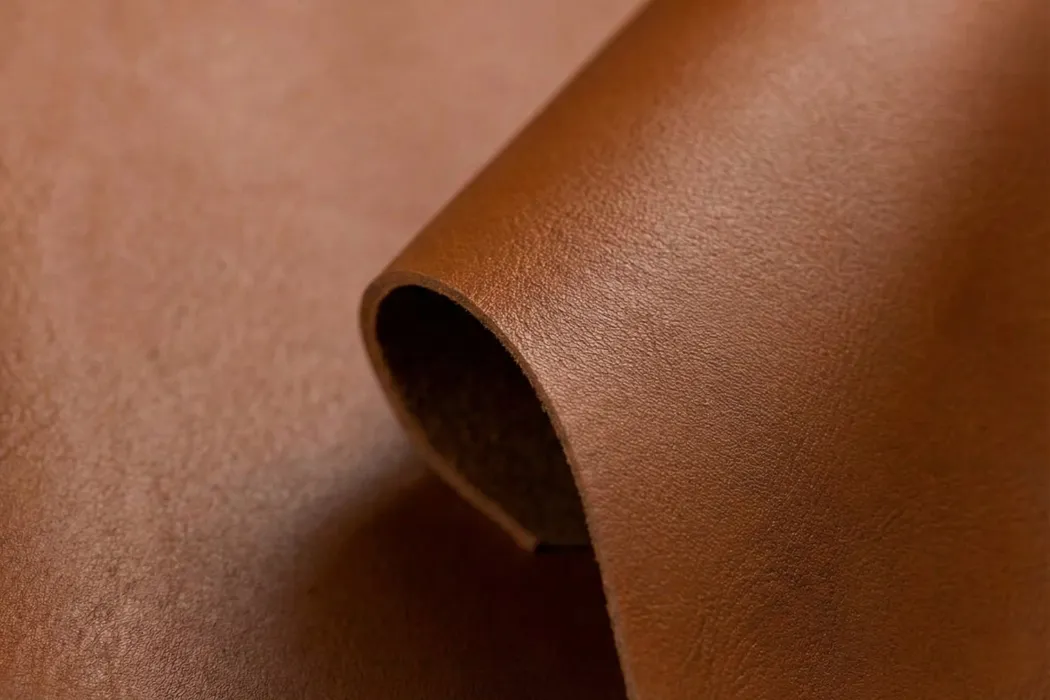
Smooth leather has a relatively even surface. Pebbled leather has raised, rounded grain features, produced or emphasised through milling, embossing or both. Either appearance can be supplied with different tanning and coating systems. The surface is one specification among several.
The Making of Smooth Leather: Ironing and Polishing
Drying, staking, plating and finishing operations can influence surface flatness and handle. The exact sequence depends on the leather and desired effect. A smooth finish need not be mirror-glossy or aniline, and it does not always require an uncorrected, blemish-free hide.
- Preparation: Specify the grain condition, thickness and temper rather than a supplier’s undefined “Grade A”.
- Surface treatment: Plating or ironing may be used to achieve an approved appearance. Temperature and pressure belong to the process specification for that material.
- Panel selection: Agree visible-marking limits and shade matching. A clean-looking surface can come from different finishing routes.
The Making of Pebbled Leather: Milling vs. Embossing
Milling uses mechanical movement to soften leather and influence its grain appearance. Embossing uses a patterned surface to create a selected repeat. Neither method is inherently a premium or low-cost grade.
- Milled grain: Natural variation can differ within and between hides. Specify how much is acceptable across neighbouring panels.
- Embossed grain: A regular pattern can support consistency. Check grain depth and appearance after the leather is bent and assembled.
- Handle: Both processes interact with tanning, retanning and finishing. Milled leather is not always floppy, and embossed leather is not always stiff.
How Texture Can Affect Cutting Yield
Yield is the usable material obtained for a particular pattern and quality standard. A texture or opaque finish may make some marks less visible, but it cannot turn structurally damaged leather into acceptable material. Large panels, grain direction, colour variation and defect limits still matter.
Hoplok’s ProPelli facility finishes incoming crust leather; it is not a tannery. No fixed smooth-versus-pebbled yield percentage or grade-to-price formula is established here. For a quotation, compare a nesting trial on representative hides and record the allowed appearance range. Leather Naturally’s manufacturing guide explains the separate preparation and finishing stages.
Durability Showdown: Which Resists Scratches Better?
A visible scratch and a measured abrasion result are different observations. Pebbled texture may reduce the visual contrast of some marks, but the coating and leather still experience contact. A smooth, suitably finished leather can perform well in daily use.
The Physics of Surface Contact
Abrasion depends on the contacting object, force, movement and material properties. A raised grain can change where contact occurs, but there is no universal percentage reduction in contact area or damage. A sharp object can cut either surface.
- Compare appearance: View both samples after the same representative rubbing procedure under consistent lighting.
- Compare physical change: Inspect coating loss, fibre exposure or cracking separately from how noticeable the mark is.
- Control variables: Record colour, coating, thickness and temper. Two unmatched swatches do not isolate the effect of grain texture.
The “Self-Healing” Illusion
A textured pattern can visually break up a small mark; it does not establish self-repair. Where an oil or wax finish changes when rubbed, follow that material’s guidance and distinguish a colour change from repair of cut fibres or a damaged coating.
Creases also depend on construction, thickness and repeated movement. A pebble pattern may make some folds less prominent, but neither finish has a fixed month when creasing begins or a supported percentage of hidden abrasions.
Resistance Comparison Matrix
| Scenario | What to check on either finish | Keep separate |
|---|---|---|
| Surface rubbing | Coating loss, marking and colour transfer | Visibility of a mark versus physical damage |
| Moisture exposure | Staining, finish change and drying behaviour | Panel behaviour versus seams/openings |
| Repeated bending | Finish cracking, creasing and layer movement | Material flex versus reinforcement design |
| Corners and attachments | Rubbing, seam quality and edge behaviour | Grain texture versus assembled construction |
Maintenance and Care: Match the Finish
Care follows the supplied finish and complete product, not a simple smooth-versus-pebbled rule. A pigmented smooth leather may need a different method from absorbent smooth leather; the same distinction applies to pebbled materials.
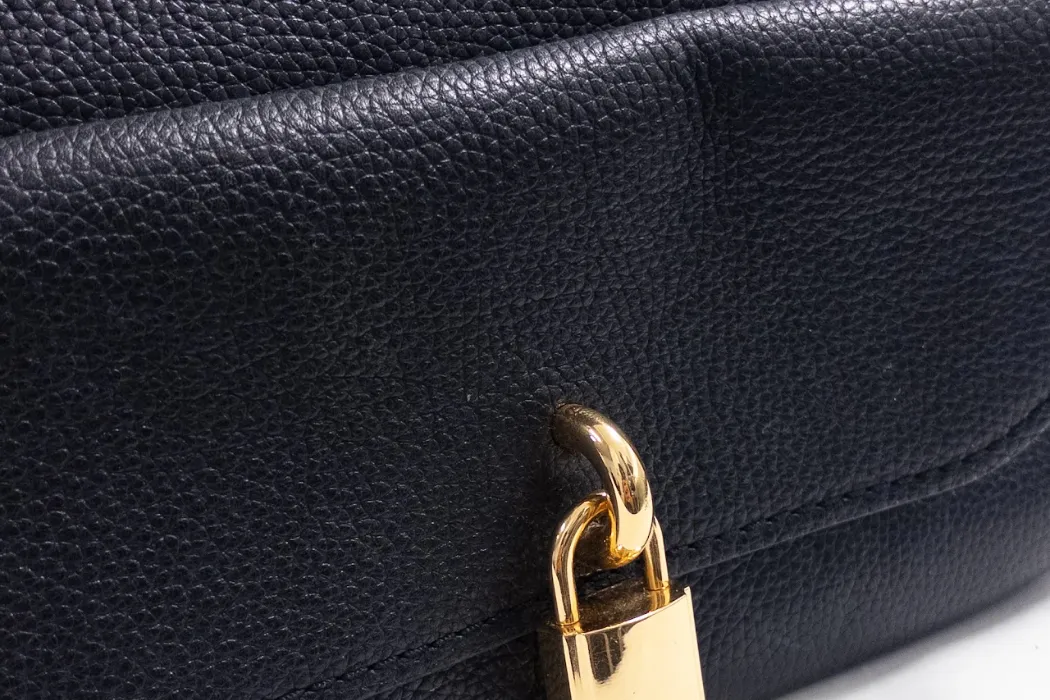
Cleaning Pebbled Leather: Cloths and Brushes
Remove loose dust gently. A soft cloth may be sufficient; a suitable soft brush can help with textured areas if the supplier permits it. A horsehair brush is not mandatory for every pebbled leather, and aggressive brushing can change the surface.
Use only an approved cleaner and trial it discreetly. Avoid working dirt into the grain or leaving cleaner residue. Water, soap and foam should not be prescribed without knowing whether the finish can tolerate them.
Cleaning and Polishing Smooth Leather
A smooth finish does not automatically require shoe polish. Coloured creams or waxes can alter gloss, stain adjacent materials or transfer to clothing. They should only be used when appropriate for the material and product.
Polish may change how a superficial mark looks, but it does not necessarily repair damaged fibres or a cut coating. There is no universal buffing interval. Follow the manufacturer’s care instructions and assess any repair on a discreet area first.
Care Routine Comparison
| Task | Smooth leather | Pebbled leather |
|---|---|---|
| Dust removal | Soft cloth or approved method | Soft cloth; suitable brush if approved |
| Cleaning product | Match to pigment/coating and absorbency | Match to pigment/coating and absorbency |
| Conditioning | Only where recommended for the exact finish | Only where recommended for the exact finish |
| Wet storage | Dry naturally away from direct heat | Dry naturally away from direct heat |
| Repair | Seek finish-specific advice for cuts or coating damage | Distinguish concealed marks from repaired damage |
Leather Naturally’s care guide recommends suitable products and natural drying. Validate retail care instructions on the actual bag, including lining, adhesive and hardware.
Is Pebbled Leather Always Real?
No. Pebbled describes a texture, and a similar effect can appear on animal leather or an imitation material. The pattern alone cannot identify the substrate, and a repeating emboss is not proof of synthetic content.
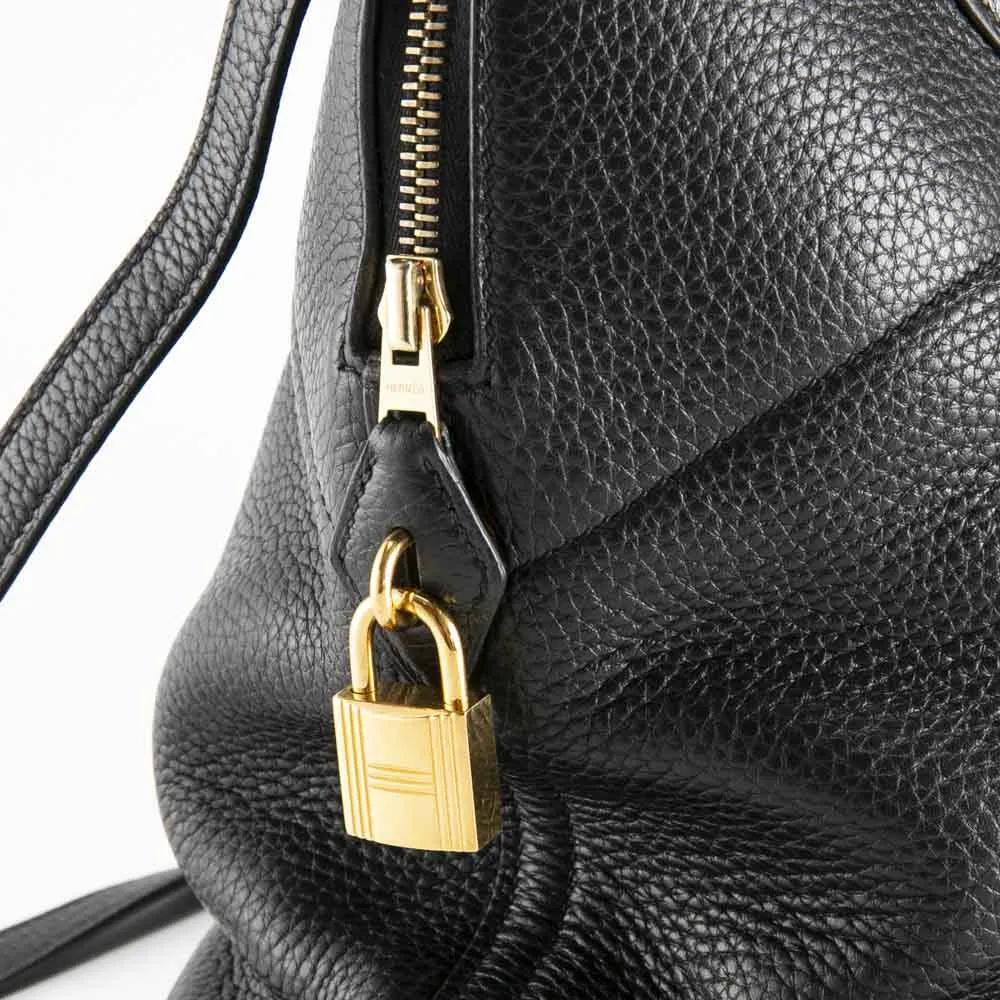
Why Synthetic Materials Use Pebble Texture
Coated textiles can carry a range of grain patterns, including pebble and smooth effects. These are surface design choices. Neither a matte grain nor a glossy surface establishes whether the material is leather.
Animal leather can also be embossed and coated. Some constructions include backing layers, while synthetic materials can use nonwoven rather than visibly woven backings. A single visual “tell” is not conclusive.
How to Verify the Material
- Written description: Request species, leather layer, coating and backing, or the fibre/polymer composition of an imitation.
- Cross-section: Examine a representative cut edge alongside the supplier’s specification. Do not rely on a finished seam alone.
- Grain and pores: These can be obscured or imitated by finishing. Their presence or absence is not a stand-alone authentication test.
- Unresolved identification: Obtain appropriate laboratory identification where necessary, especially when labelling or a material substitution is at issue.
The FTC Leather Guides address truthful material descriptions. Do not use bag price, an assumed emboss repeat length or the photograph as proof of composition.
Which Should a Brand Choose for Their Collection?
Start with the product’s silhouette, intended handling and customer care expectations. Both smooth and pebbled leather can work in formal or casual collections. The selected finish, reinforcement and workmanship should support that positioning.
Understanding Surface-Wear Complaints
Review your own returns and customer feedback by material and construction. Distinguish cosmetic scuffs from manufacturing defects, coating failure and misuse. There is no verified general complaint-rate comparison that proves pebbled leather always reduces returns.
When evaluating candidates, document how the prototype looks after representative use and whether the intended care instructions are practical. Clear product descriptions and an approved appearance range help align buyer expectations with the selected material.
Specifying the Hand-Feel and Grain
A micro-pebble reference can describe a smaller grain effect, but it is not a fixed process or a guaranteed combination of smooth-leather elegance and scratch protection. Ask for swatches with the desired grain size, depth, gloss and temper.
For Hoplok development, use an approved material reference and confirm the feasible finish with the team. Confirm the available substrate and finishing route against the requested grain and handle, then keep the approved swatch with the purchase specification.
B2B Material Selection Matrix
| Product type | Options to compare | Prototype focus |
|---|---|---|
| Commuter backpack | Smooth or pebbled finish suited to the design | Body-contact rubbing, corners and strap attachments |
| Structured handbag | Selected grain with appropriate reinforcement | Shape, folds and panel matching |
| Wallet | Smooth or fine-pebble surface | Folded bulk, pocket flex and colour transfer |
| Travel duffle | Selected leather with agreed finish and temper | Handles, base support, closures and wear appearance |
For a travel-focused brief, review custom leather duffle bag construction alongside the material swatches. For small goods, custom leather wallet development needs its own fold and thickness assessment.
Frequently Asked Questions
1. Does pebbled leather soften over time?
Some leather changes handle with use, but the amount and timing depend on processing, finish and construction. A pebble texture does not predict a fixed softening percentage or make every bag slouchy.
2. Is smooth leather more expensive?
Not always. Compare the actual hide specification, finish, usable cutting yield, order quantity and product construction. A smooth surface does not establish a fixed hide grade or price premium.
3. Does water ruin smooth leather?
Moisture can mark or damage some finishes, while others tolerate limited exposure better. Smooth is not synonymous with aniline or unprotected leather. Check the material guidance and complete bag construction before making a water-resistance claim.
4. Can you polish pebbled leather?
Use only a product approved for the particular finish. Some waxes or creams can leave residue or change the appearance, but there is no universal prohibition based on pebble texture alone. Patch-test and follow the maker’s instructions.
5. Which is better for shoes?
Both smooth and pebbled effects can appear in footwear. The choice depends on styling, construction and tested requirements; texture alone is not a universal formality or durability rule. This guide’s Hoplok development advice concerns leather goods rather than a footwear manufacturing offer.
Conclusion: Texture is a Functional Choice
Choose smooth or pebbled leather for the required appearance, then verify the actual material and construction. A textured surface may change how wear is seen; it does not replace checks on adhesion, colour transfer, flexing or the finished product.
For Hoplok custom leather bags, send the design, dimensions, grain and handle references, quantity and target market. Confirmed minimums are 200 leather bags or 1,000 PU bags, with bag sampling typically 3–4 weeks and bulk production 60–90 days. Confirm material availability and project details in the quotation.