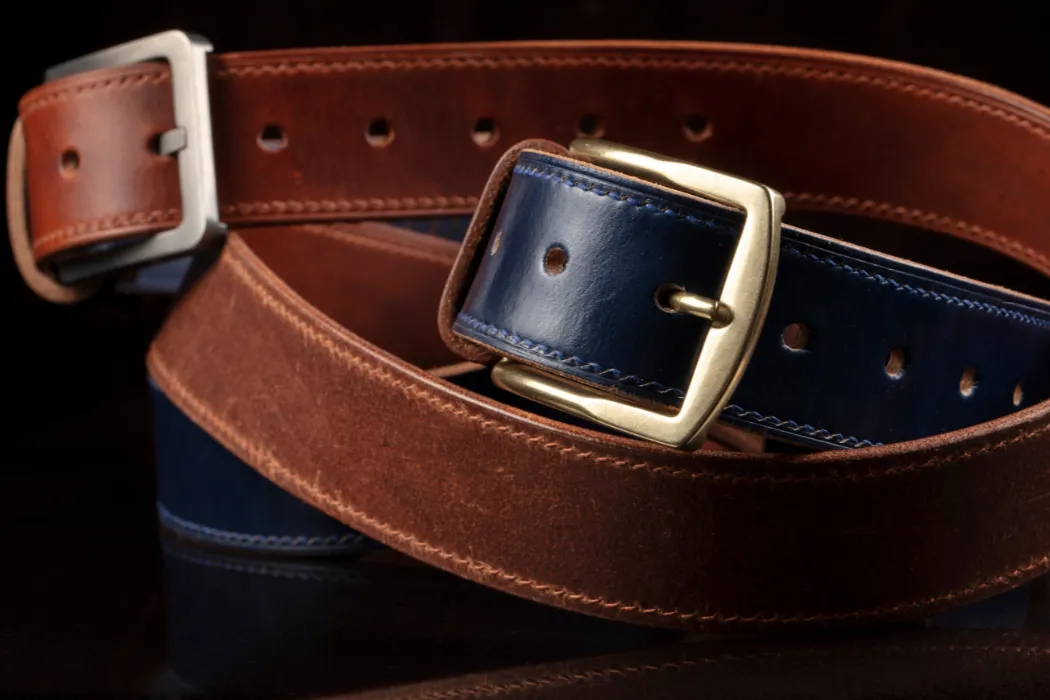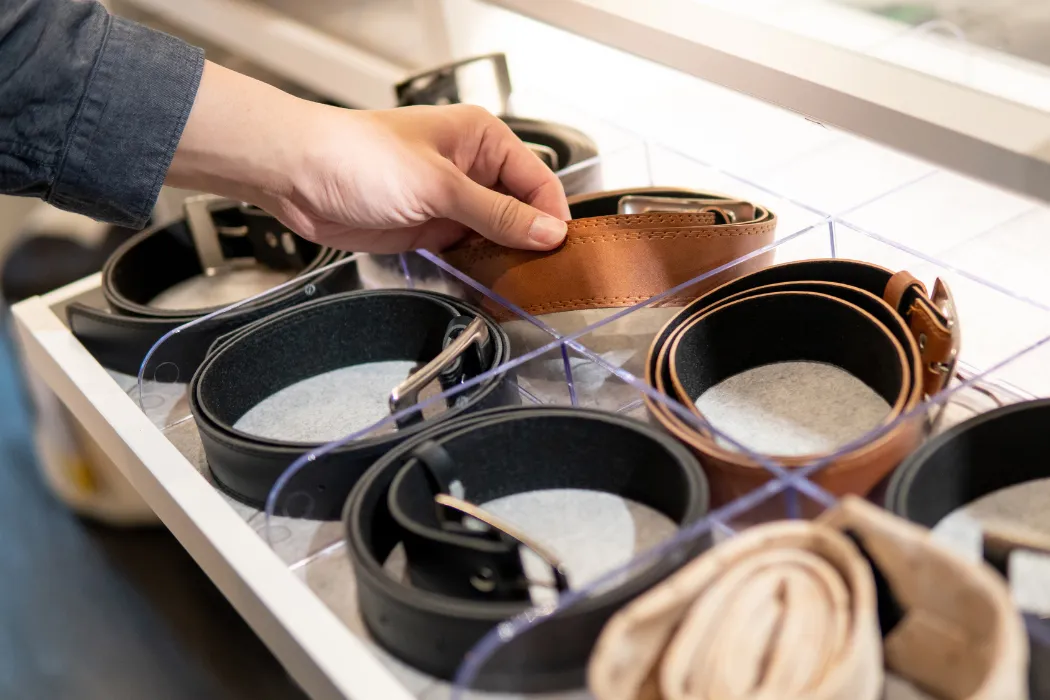
To successfully start a belt business, you must navigate the primary risk of high Minimum Order Quantities (MOQs) that can lock up startup capital. Partnering with the wrong factory often means committing funds to a large, unproven inventory order, which severely damages cash flow and profit margins before you even launch.
This plan outlines a data-driven approach to sourcing. We evaluate manufacturers on their MOQ strategy, bulk production lead times, and OEM customization options like Pantone color matching and custom buckle molds. The objective is to secure a factory partner who can validate designs with fast sampling and scale production efficiently.
Phase 1: Niche Selection (Dress vs. Tactical)
Decide between the aesthetic-driven dress belt market or the function-driven tactical market. One serves fashion and office wear, the other is built for load-bearing and durability.
Defining the Target Audience and Function
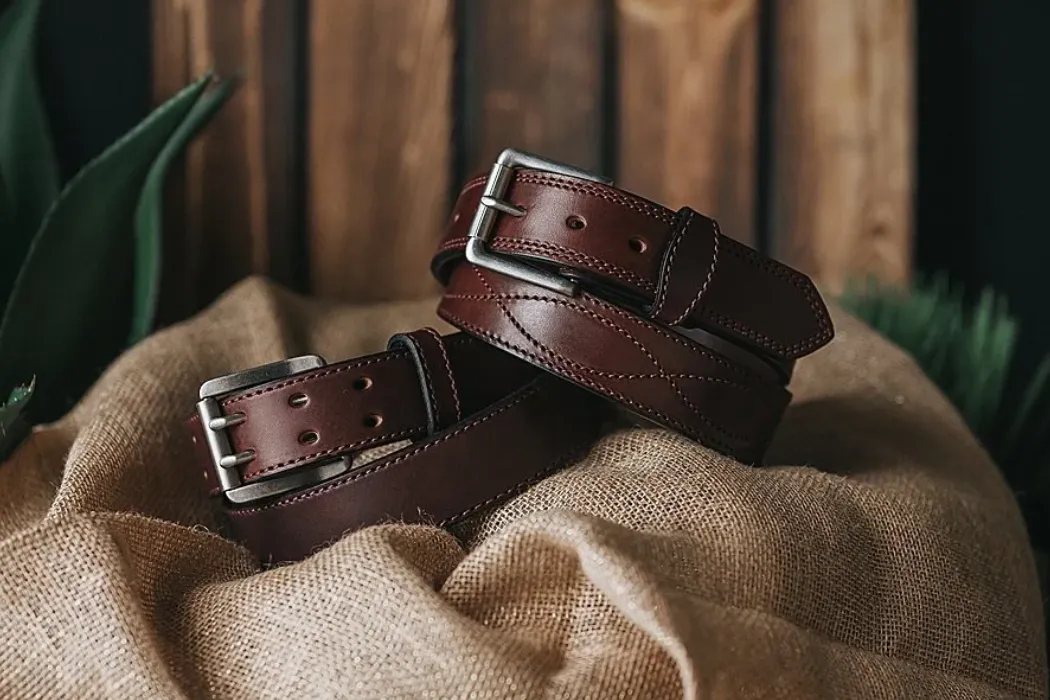
Dress belts are designed for the largest audience—corporate professionals and general consumers. The primary job here is aesthetic. It needs to hold up pants while complementing office, formal, or daily wear. Style and finish are everything.
Tactical belts serve a much more specific user: law enforcement, military operators, and serious outdoor enthusiasts. These belts are tools built to support heavy equipment. Function, load-bearing capacity, and extreme durability are the only priorities.
Matching Production to Niche: Dress vs. Heavy-Duty Belts
If your brand is entering the fashion niche, our ‘Classic Dress Belts’ line is the direct solution. We manufacture these with the clean, smooth finishes and formal buckles that the professional market demands.
For brands targeting durability, a different product is needed. Our ‘Work/Heavy Duty Belts’ use thick, full-grain leather to meet the non-negotiable strength requirements for a more demanding tactical or workwear application.
Phase 2: Budgeting & MOQs
Starting a belt brand means budgeting for materials, production, and inventory. Your manufacturer’s Minimum Order Quantity (MOQ) is critical for managing cash flow and testing the market.
Mapping Out Your Initial Investment
When you launch a belt line, your primary costs are raw materials, the initial production run, and basic business formation fees. The total capital you need depends entirely on your scale. You could be planning a small-batch, niche launch or a full collection with multiple styles.
The goal is to protect your margins from the start. Working directly with a manufacturer gives you access to factory-direct pricing, which cuts out middlemen and lets you invest more into your product and brand growth.
Lowering Startup Risk with Flexible MOQs
Big upfront orders are a huge risk for new brands. Our flexible MOQ strategy is designed specifically to reduce that initial capital burden. We help you launch without tying up all your cash in inventory.
This approach lets you place smaller initial orders to test new designs in the market. You can validate your product with a fast sample turnaround of just 2-7 days, get real feedback, and then confidently commit to a larger production run. It’s about being smart with your money and growing sustainably.
Scale Your Brand with Premium Custom Belts
Phase 3: Designing Your First Collection
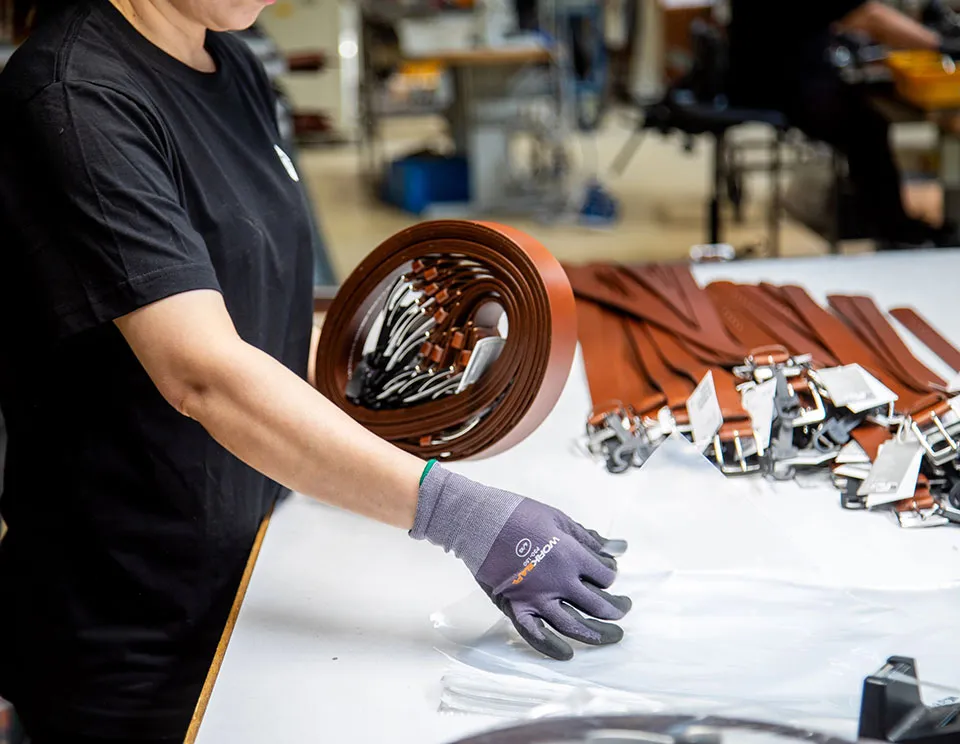
Start with proven styles like dress or jeans belts, then apply your brand using custom buckles, unique leather finishes, and precise logo application to create a distinct line.
Starting with Market-Proven Belt Categories
Don’t try to invent a whole new market on day one. The fastest path to revenue is to build your initial collection around core styles with existing, predictable demand. We see new brands succeed when they anchor their first run in categories like Classic Dress Belts and Casual/Jeans Belts. These products have a huge addressable market and provide immediate cash flow. Once you’re established and have gathered customer feedback, you can intelligently expand into more specialized niches like Braided/Woven Belts or Heavy-Duty Work Belts.
Applying Your Brand with the Customization Kit
A generic belt is just a commodity. The real value comes from transforming a quality product into *your* brand’s statement piece. This is where you apply your unique identity. As an OEM/ODM partner, we provide a full customization kit to bring your designs to life on the factory floor.
- Logo Execution: We can apply your logo through several methods, including sharp Embossed/Debossed stamping directly on the leather, precise Laser Engraving on buckles, or adding a metal plate to the loop.
- Custom Buckles: If you want a truly unique buckle, we offer mold opening services to create custom shapes and integrate your logo directly into the hardware.
- Color Matching: For specific projects requiring absolute brand consistency, our Pantone Color Choice service ensures the leather or stitching matches your exact brand palette.
Phase 4: Sourcing a Manufacturer
Look for partners with proven experience, real certifications like ISO 9001, and transparent control over their supply chain—from materials to production capacity and lead times.
Finding the right manufacturing partner is less about a Google search and more about a background check. You’re not just buying a product; you’re buying a factory’s consistency, reliability, and expertise. A cheap quote from an unverified supplier can sink your brand with quality issues, delays, or compliance failures. The goal is to find a partner whose operations are as solid as the products they make.
We can break down the evaluation process into two main buckets: the partner’s core business stability and their operational controls. One tells you if they’re a legitimate business, and the other tells you if they can actually deliver.
| Core Criteria for Evaluating a Partner | Confirming Certifications and Production Control |
|---|---|
|
|
Ultimately, your manufacturer checklist should be rigorous. Any hesitation to provide documentation or transparent answers is a major red flag. A strong partner will have this information ready because they know it’s what differentiates them from the competition.
Phase 5: Marketing & Launch Strategy
A successful launch needs a multi-stage plan. Define your audience and USP, then run coordinated campaigns using digital marketing and partnerships to build momentum.
Defining Your Go-to-Market Plan
Before you launch, you need to know exactly who you’re selling to and why they should care. Pinpoint your target customer—is it fashion-forward Gen Z or professionals needing classic dress belts? Then, define your unique selling proposition (USP). This isn’t just a slogan; it’s the specific value you offer, like exclusive leather finishes, extended sizing, or a reversible design that competitors don’t have.
Your pricing must align with your brand position. Analyze what competitors charge, but base your final price on your material costs, construction quality, and perceived value. Working directly with a manufacturer gives you a clear view of your cost-of-goods, which helps you set a price that protects your margins while remaining competitive. A premium belt made with Italian leather justifies a higher price than a standard PU belt.
Finally, map out a pre-launch plan to build an audience before you even have inventory to sell. Use social media to show behind-the-scenes content of your designs. Partner with a few key micro-influencers in your niche to start generating buzz. The goal is to have interested buyers ready and waiting on day one.
Using Manufacturing Strengths for Marketing Claims
Your manufacturing partner’s capabilities are not just operational details—they are powerful marketing tools. Smart brands leverage their supply chain to build trust and create a compelling story. Instead of making generic claims about quality, use specific, verifiable credentials from your factory.
- Sustainable Sourcing: Use the “LWG Certified Leather” badge in your marketing. It immediately tells customers you’re committed to environmentally responsible and high-quality material sourcing, a major selling point for conscious consumers.
- Product Safety Assurance: Marketing your belts as “Reach & CPSIA Compliant” isn’t just technical jargon. It’s a direct promise to customers and B2B buyers in the EU and US that your products are safe, lead-free, and meet stringent international standards.
- Quality Control Story: Talk about “Vertical Integration.” Explain how your partner’s control over processes, like in-house leather finishing, ensures consistent quality and unique textures. This turns a production fact into a story about superior craftsmanship.
- Competitive Pricing Advantage: For brands targeting markets like the US or EU, the “Cambodia Duty Advantage” is a strategic asset. It allows you to offer more competitive pricing or reinvest the savings into higher-quality materials, directly benefiting your bottom line.
Legal Essentials: Trademarks & Licenses
Protecting your brand means registering a trademark, a process that can take over a year. Your manufacturer then applies that logo via embossing, engraving, or custom buckles.
Before you ever get a belt into a customer’s hands, you need to lock down your legal branding. It’s not the most exciting part of building a brand, but it’s the foundation that prevents someone else from profiting off your hard work. This involves two distinct phases: legally registering your mark and then physically applying it to your products.
Understanding the Trademark Registration Process
Securing your brand name and logo is a formal process. You’ll file an application with the United States Patent and Trademark Office (USPTO). For most leather belt brands, this means filing under Class 18 (leather goods). If your products are more broadly defined as apparel, you might use Class 25 (clothing).
You can’t just claim a name; you have to prove you’re using it. This requires submitting a “specimen” showing the trademark on your product, like on a label or the packaging. Be prepared to wait. The entire federal registration process is thorough and typically takes between 12 and 18 months from application to final approval.
Applying Your Brand’s Logo to the Belt
Once your trademark is registered, it’s time to work with your manufacturing partner to bring it to life on the physical belt. This is where your brand’s identity becomes tangible. We offer several proven methods to apply your logo, each with a different look and feel.
- Embossed or Debossed Logos: This technique presses your logo directly into the leather strap, creating a deep and permanent impression with sharp detail.
- Laser Engraving: For intricate designs on metal hardware, laser engraving offers unmatched precision. It’s perfect for putting a crisp logo on a buckle.
- Custom Buckle Molds: If you want a truly unique buckle, we can create a custom mold based on your brand’s shape or logo. This makes the buckle itself a branding statement.
- Foil Stamping: For a more luxurious look, your logo can be stamped onto the leather using metallic foils, like gold or silver.
The Garage Guru’s Tip: Start Small, Scale Fast
Test your belt designs with a small batch to prove market demand before committing serious capital. Once a design is validated, scale production with a flexible partner.
Everyone wants to launch a successful brand, but too many fall into the trap of ordering huge volumes before they even know if anyone will buy their product. A better way to enter the custom belt market is to prove your concept on a small scale. This method dramatically lowers your financial risk and lets real customer behavior guide your growth.
Validating Your Concept with a Small First Batch
Don’t bet the farm on an unproven idea. The smart move is to launch a tight, focused collection—maybe just a few styles—to see what customers actually want. This approach is your real-world market research. It lets you test specific design ideas, materials, and price points directly with your target audience.
The biggest benefit is minimizing your upfront financial commitment. You avoid sinking a ton of cash into purchasing and storing thousands of belts for a design that is still just a theory. If a design flops, the loss is small. If it sells out, you have a verified winner ready for mass production.
Partnering for Growth with Flexible MOQs and Fast Turnaround
This “start small, scale fast” strategy only works if you have the right manufacturing partner. You need a factory that is built for speed and appreciates working with growing brands. Trying to do this with a rigid, old-school manufacturer is a recipe for failure. Here is what to look for:
- Flexible MOQ (Minimum Order Quantity): A manufacturer willing to work with lower initial order quantities is critical. This lets you get started without a massive investment, making it much easier to test the market.
- Fast Sampling: You can’t wait months for a sample. Look for a partner who can deliver physical samples in just 2-7 days. This speed allows you to quickly finalize your designs and move to production.
- Rapid Bulk Production: Once your test batch sells out, you need to restock fast. A factory with an average bulk production lead time of 15-20 days ensures you can meet rising customer demand without long waits and lost sales momentum.
Frequently Asked Questions
How much does it cost to start a private label belt brand?
For a small, home-based launch, a budget between $2,000 and $10,000 is realistic. This typically covers business registration, branding basics, a website, and your first inventory order for a single product. The key is finding a manufacturing partner with a flexible MOQ policy. This lets you get started with a lean budget by avoiding the high costs of large initial orders.
How do I find a reliable manufacturer for my custom belt designs?
First, be specific about your needs, including materials like full-grain leather or PU, buckle types, and expected quality. Look for manufacturers that specialize in your category and can show proof of quality certifications like ISO 9001, BSCI, SMETA, and Sedex. A solid partner provides a turnkey solution from design to production, offers 2-7 day fast sampling, and communicates clearly every step of the way.
Is selling custom belts a profitable business in 2026?
Yes. The fashion accessories market keeps growing, and e-commerce has opened up major opportunities for new brands. Your profitability will rely on creating unique designs that stand out, managing your material and production costs, and smart online marketing. Belts are a staple accessory, so consistent consumer demand is already there.
Do I need a business license to sell belts online?
Yes, in most places you will need a general business license and a seller’s permit. These allow you to legally operate your business and collect sales tax. The exact requirements change depending on your city and state, so you need to check with your local government office to make sure you have everything covered.
What are the advantages of dual-country manufacturing in China and Cambodia?
Using a manufacturer with locations in both China and Cambodia gives you serious supply chain flexibility. Our Dongguan, China factory handles complex designs, development, and high-end series. Meanwhile, our Cambodia factory is set up for large-scale production and offers potential duty-free advantages for importers in some regions. This dual setup, which includes our in-house Pro Pelli leather finishing, helps optimize both cost and production timelines.
Final Thoughts
While generic suppliers offer lower upfront costs, our REACH & CPSIA compliance is the only way to safeguard your shipments against border seizures and legal claims. This operational security protects your capital and builds trust with your distribution channels.
Don’t guess on production quality—verify it firsthand. Our 2-7 day fast sampling allows you to test our leather finishes and heavy-duty hardware. Contact our team to discuss your private label requirements and get your design into production.