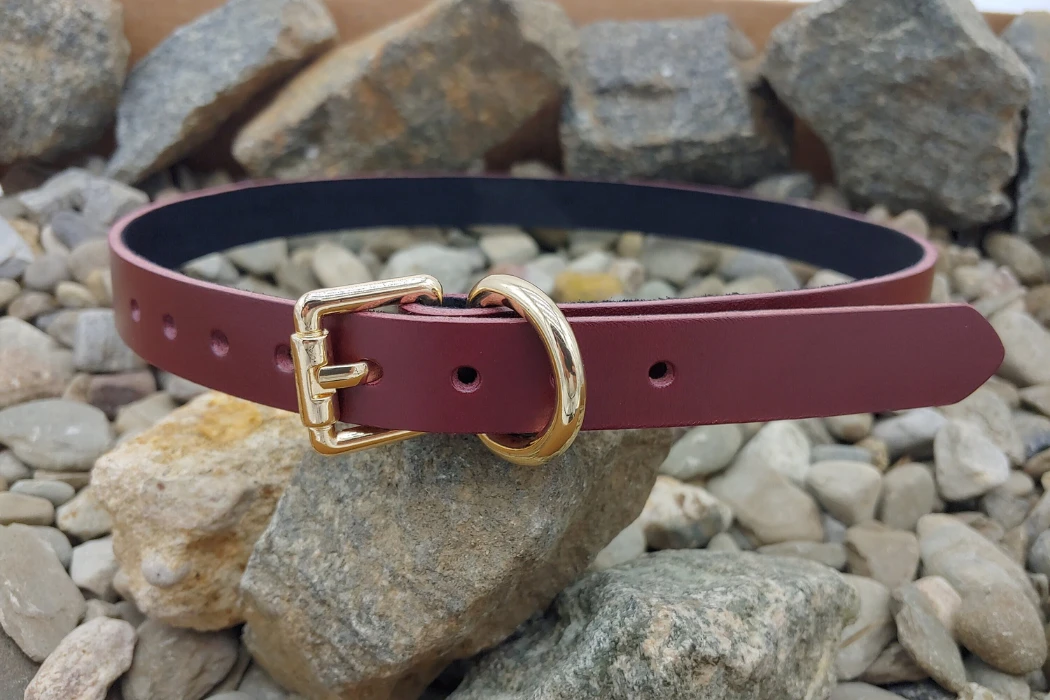
A wide strap, a large buckle or a deep emboss changes more than a belt’s appearance. It changes garment fit, material consumption and the parts that need approval. Use the ten design directions below as a development checklist for a 2026 fashion collection, with each choice tied to a sample decision.
These are design options, not measured market rankings or mandatory specifications. The article covers fashion belts. It does not prescribe equipment for tactical duty, tool carrying, climbing or other load-bearing use.
1. Wider straps: approve garment fit before cutting yield
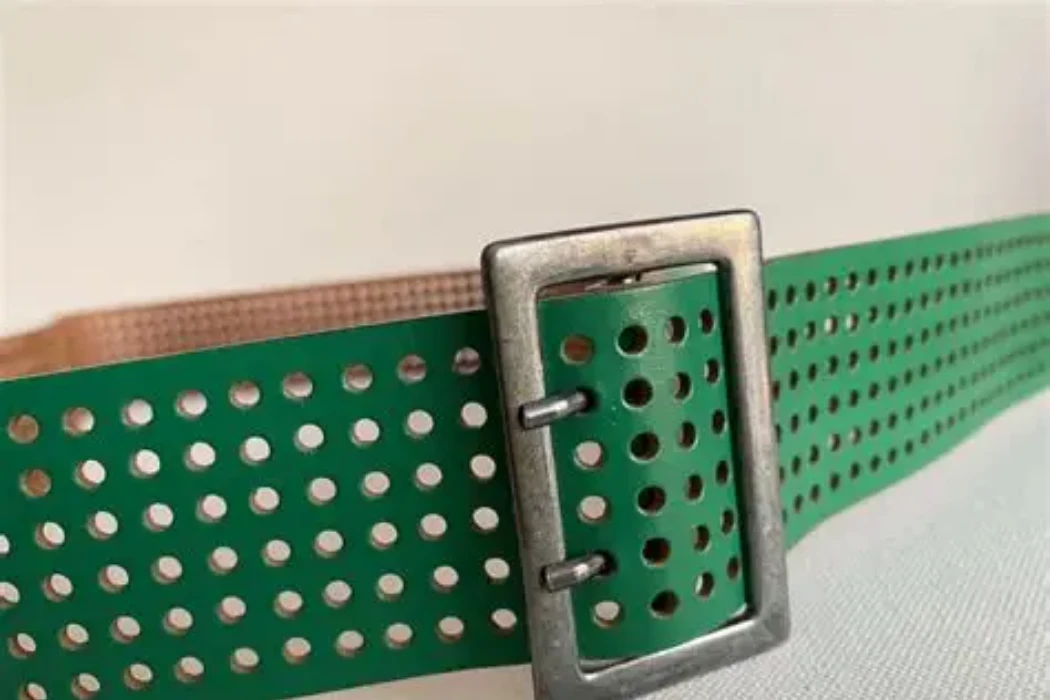
A wider belt creates a more visible line across an outfit. Start with the intended garments and wearing position: a strap that works over a coat may not pass through trouser loops. Record the finished width, buckle clearance and keeper opening together.
Compare cutting plans on the selected leather. Longer, wider parts can limit where patterns fit around natural marks, but there is no universal extra-waste percentage. Ask for consumption based on the actual size assortment and agreed appearance standard.
The approval sample should also reveal whether the strap twists, feels too stiff or develops an awkward curve. Hide section alone cannot guarantee long-term straightness. Choose thickness and temper through the complete construction.
2. Corset and obi silhouettes: define structure and comfort
A broad waist panel and soft tying ends perform different jobs. Show the supplier where you want shape and where you need flexibility. A drawing should identify panel width, overlap, closure position and the finished size range.
Approve the belt on the intended garment while standing and sitting. Excessive stiffness can make a well-shaped flat sample uncomfortable. Reinforcement, lining and edge treatment should be evaluated as a system rather than assigned from a fixed thickness table.
Confirm manufacturing feasibility for the particular pattern before promoting a new silhouette. The sample discussion should establish which areas need skiving, where seams fall and whether the selected edge finish survives normal bending.
3. Architectural buckles: balance appearance and weight
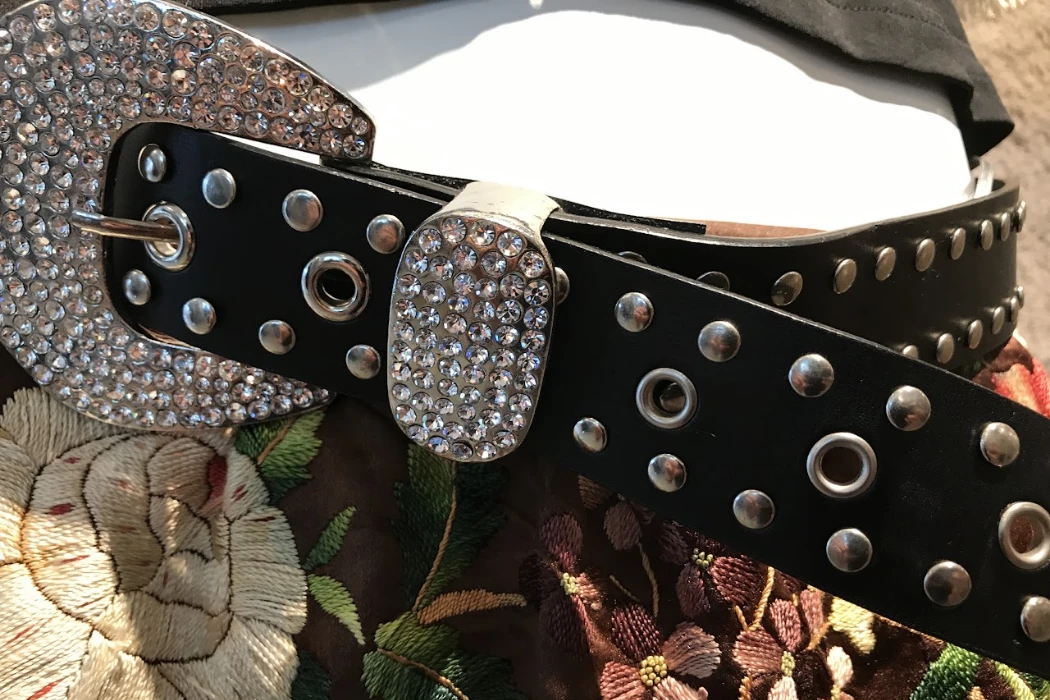
A sculptural buckle can become the main design feature, but a heavier component is not automatically better. Compare its weight and profile on the actual strap. Look for rotation, pressure points and whether the free end passes cleanly through the assembly.
Specify the base metal, construction and approved dimensions. Solid, hollow and multi-part designs can create similar front views with different weight and cost. Ask the hardware supplier to assess manufacturability and the attachment design before paying for custom tooling.
Inspect the back, prong and moving parts as closely as the face. A metal name or alloy number alone does not establish the strength of a buckle or whether it will mark the leather.
4. Matte finishes: approve the actual coating system
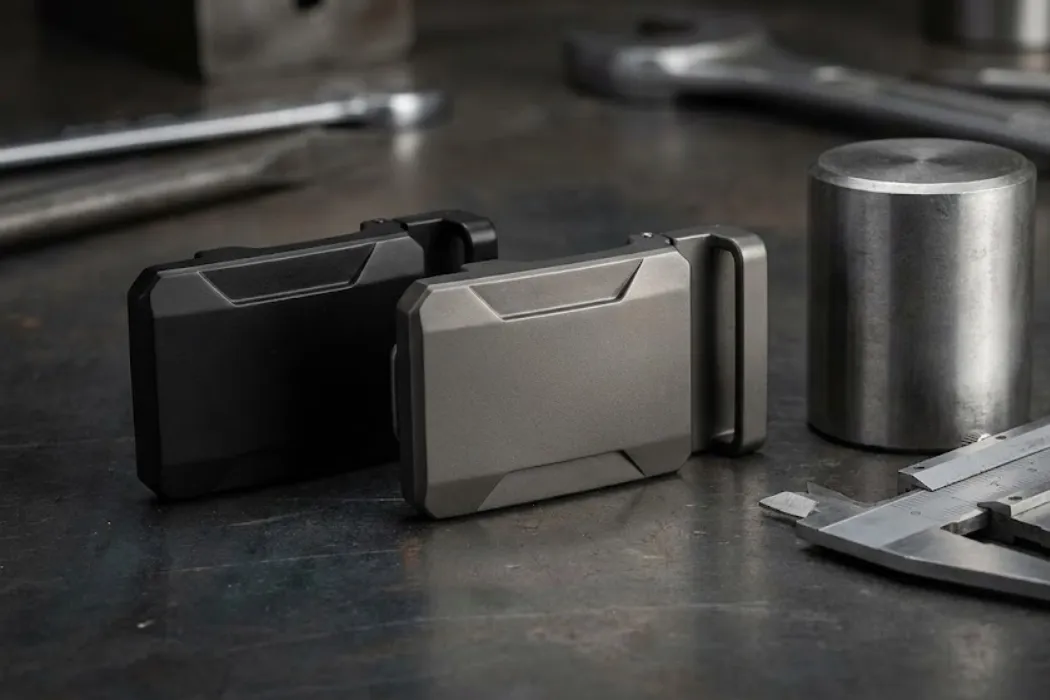
Matte black, satin and aged finishes need physical references because photography can hide changes in gloss and undertone. Compare the buckle with rivets, keepers and other visible metal under the same lighting.
Ask the supplier to identify the base metal and coating process. If PVD is specified, obtain the coating supplier’s documentation; a pencil scratch or a color match cannot identify a deposition process. Different substrates and coating systems require different preparation.
Agree relevant wear, adhesion and corrosion checks for the selected finish. A test method does not create a universal pass requirement. Record exposure conditions and the defects that would cause rejection instead of inserting an arbitrary salt-spray duration.
5. Leather with traceable facility information
For a leather-led collection, describe the base material, tanning information where known, finish and expected appearance. “Vegetable-tanned,” “full-grain” and a facility audit rating answer different questions. None establishes a universal service life or chemical result.
Request current documents for the named facility and material route. ProPelli, Hoplok’s leather finishing facility in Cambodia, holds a current LWG Gold rating. It specializes in belt leather and other finishes applied to crust received from partner tanneries; it is not a tannery.
Keep facility statements separate from product claims. The Leather Working Group audit scope includes crust-to-finished-leather processing. Product testing and any customer-specific sourcing requirements still need their own evidence.
6. Recycled-content and alternative materials
Begin with composition rather than a broad “eco” label. Ask for the backing, coating, binder and any declared recycled content. Identify whether a claim applies to a component or the finished belt, and retain the supplier’s supporting documents.
A leather-fiber composite, PU material and plant-containing coated textile should not share an assumed strength or lifespan. Compare their suitability using the actual thickness, finish and assembled sample. Sheet uniformity may help cutting, but the usable yield still belongs in the costing exercise.
Confirm availability and manufacturing feasibility before offering an alternative material to customers. If a recycled-content certification is requested, establish its scope and transaction evidence. ProPelli’s LWG rating does not certify a synthetic or recycled composite product.
7. Deep embossing: approve pattern placement and flexing
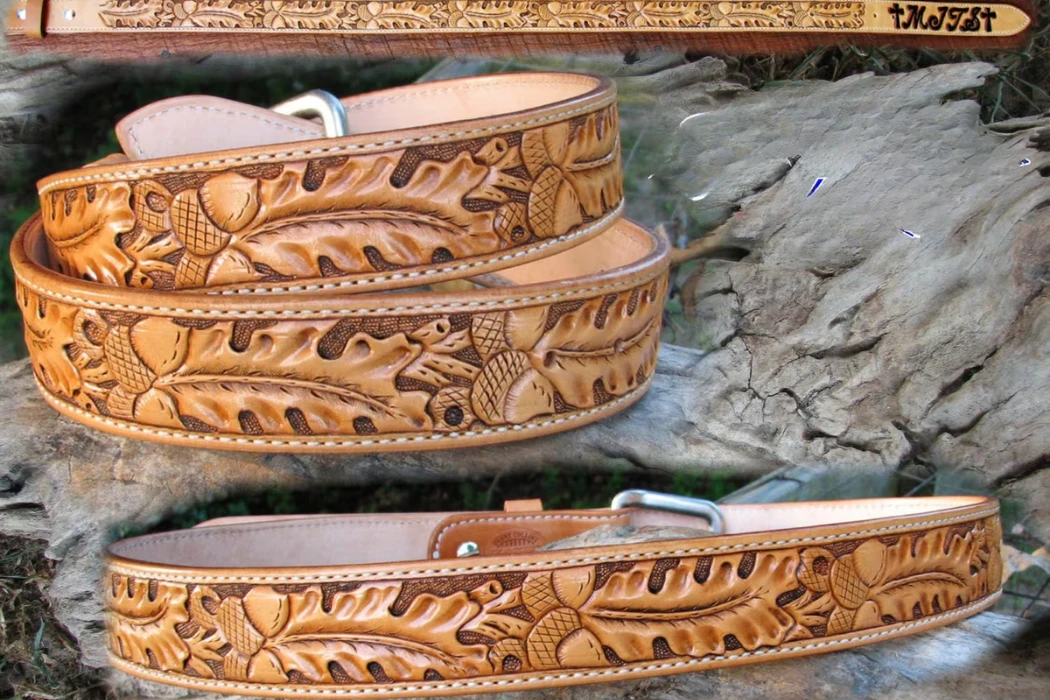
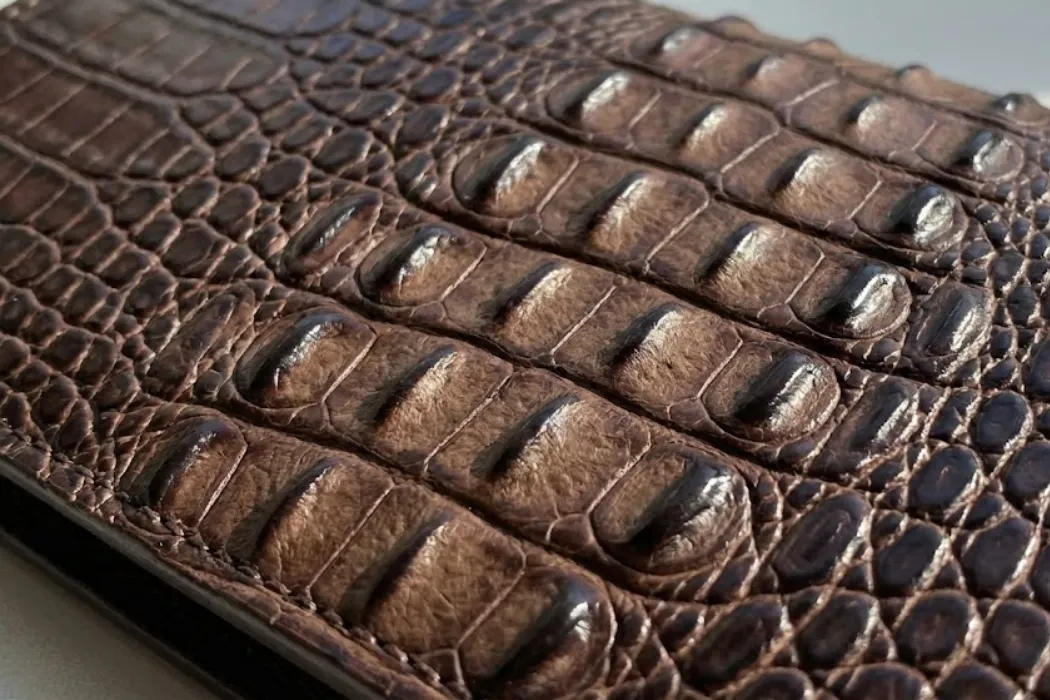
An embossed surface introduces pattern decisions across a long, narrow part. Review the repeat size, alignment and appearance at holes, the tip and buckle fold. A small swatch can miss an obvious repeat line on the finished strap.
Use the actual material for approval. The finisher must develop suitable process settings for that crust and finish; a press tonnage, temperature or moisture figure is not transferable to every leather. Assess the surface after the agreed flexing or rubbing checks.
For a crocodile-inspired appearance, label the base material accurately, such as embossed cow leather. Hoplok does not offer real crocodile, python or other exotic skins. Pattern realism should never make the material declaration ambiguous.
8. Pull-up and vintage effects: define acceptable change
A pull-up finish can lighten visibly when bent or handled. Decide how much change belongs in the design and whether the delivered belt should look uniform or deliberately varied. Keep a reference sample showing the approved effect, not just the flat starting color.
Evaluate marking and color transfer on the intended clothing contact surfaces. The finishing route and formulation require confirmation for the chosen leather. A named effect does not establish water resistance or guarantee that color will never transfer.
Write care guidance after material approval. Explain expected surface changes in customer-facing language so normal variation is not confused with a manufacturing defect. Avoid predicting a specific patina color after a fixed number of months.
9. Quick-release styling for fashion belts
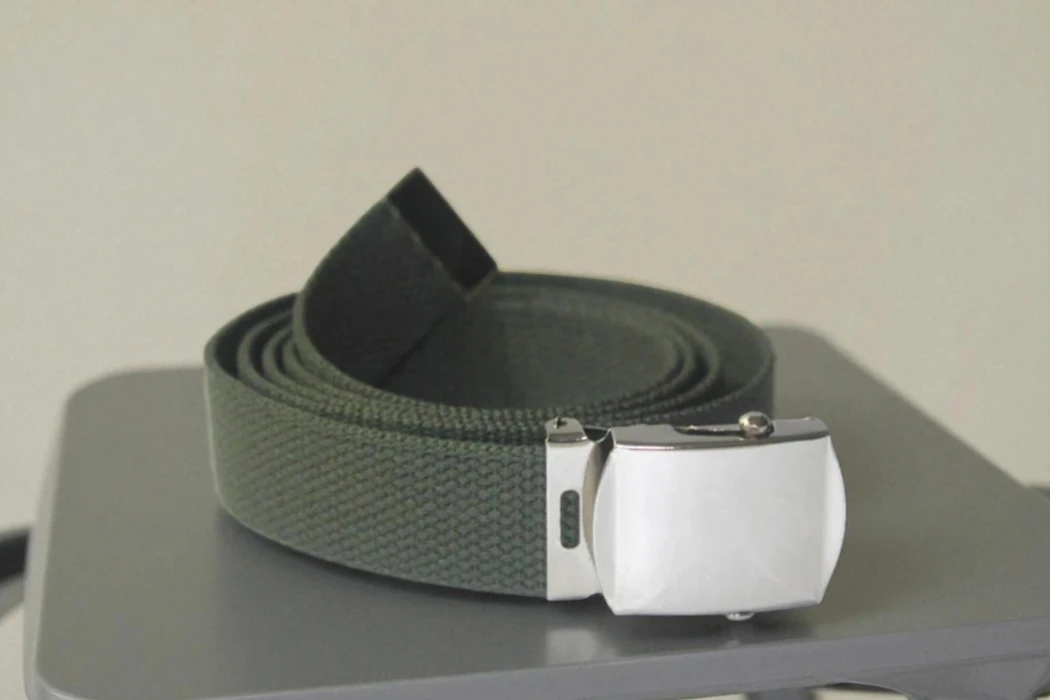
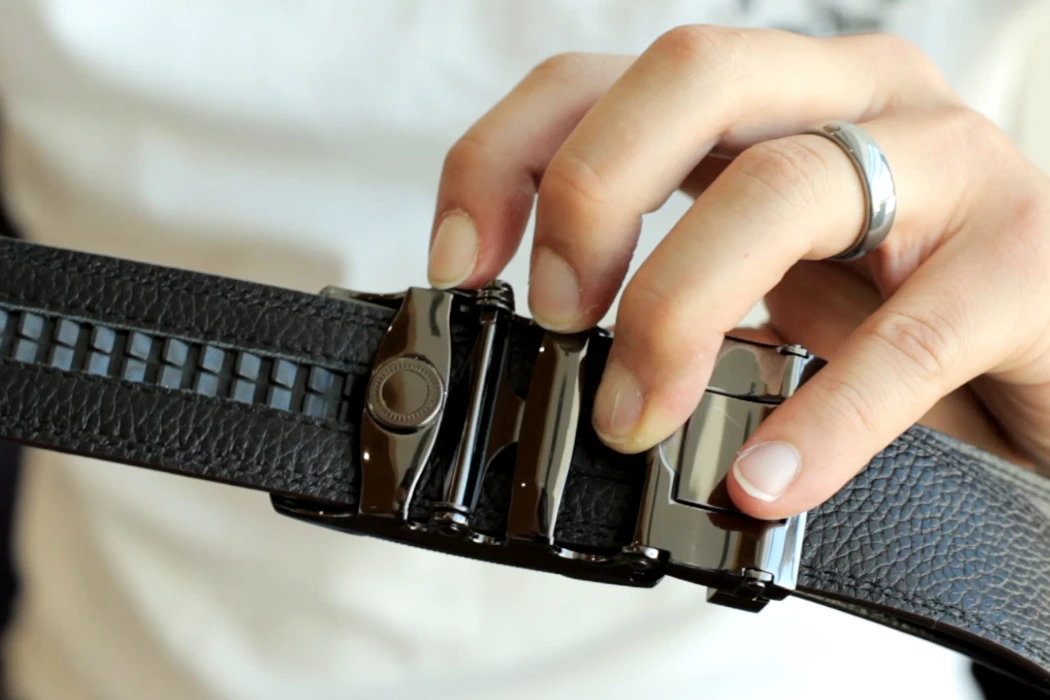
A quick-release closure can offer a distinct appearance or a convenient fastening motion. For fashion use, define how it closes, adjusts and releases on the actual strap. Verify that normal handling does not cause unintended opening and that the mechanism does not pinch the wearer.
If a branded component is requested, confirm its identity, authorized supply and intended application. Do not substitute a lookalike while retaining the original brand or performance claim. The complete belt needs assessment even when the buckle has its own supplier data.
This design direction does not establish a carrying or safety rating. Hoplok does not offer tactical duty belts, industrial safety belts or tool-carrying systems. Keep the product brief and marketing within ordinary apparel use.
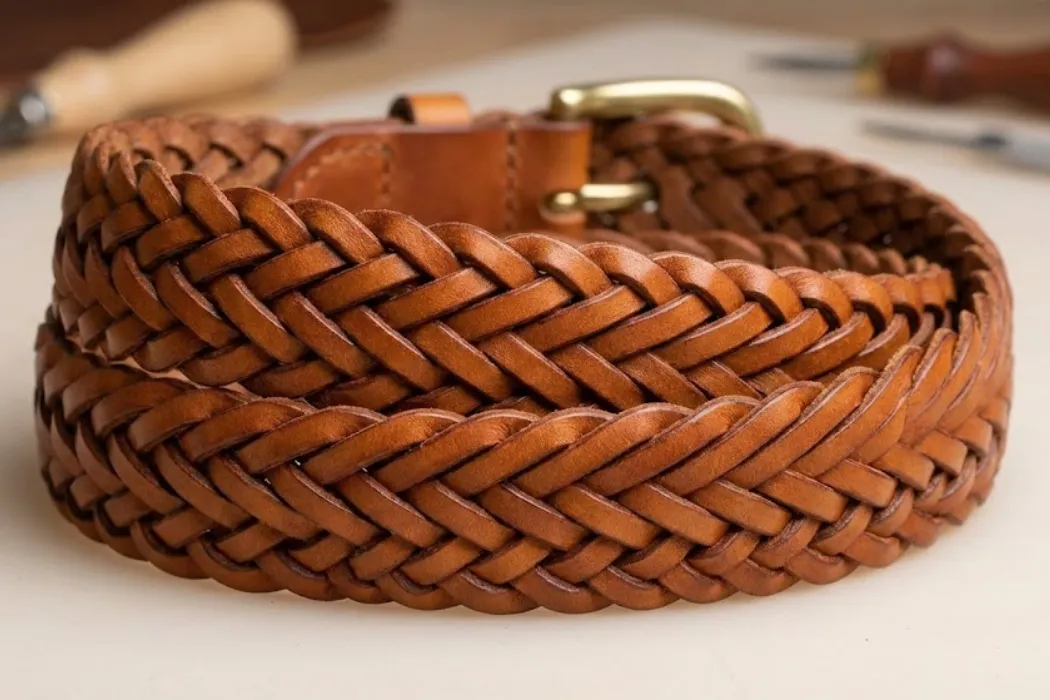
10. Braided structures: specify the assembled result
Strand width, weave density and edge treatment all affect the finished belt. Select a physical weave reference and record how the belt will be measured. Some constructions adjust through the weave; others use defined fastening positions.
Compare the weave while flat and fastened. It may narrow or lengthen under tension, changing the apparent size. Ask the supplier to propose a suitable assessment and record the measurement conditions rather than relying on a fixed strand count.
The buckle tab and tail deserve close inspection. Check where strands terminate, how the transition is reinforced and whether the edge treatment looks consistent. Hand assembly and machine production are process choices; neither guarantees quality on its own.
Convert the selected directions into a production brief
| Approval item | What the buyer should record |
|---|---|
| Fit | Wearing position, measurement reference, size range and finished dimensions |
| Material | Composition, thickness, temper, finish and permitted variation |
| Hardware | Reference, base metal, coating, clearance and fastening function |
| Performance | Relevant method, specimen, conditions and acceptance criteria |
| Claims | Facility or material documents supporting the precise wording |
Keep the agreed methods separate from pass thresholds. ISO 5402-1:2022 covers dry or wet flex resistance of flexible leather below 3 mm thick. Confirm method suitability for the specimen; a chosen cycle count does not promise years of wear.
Hoplok’s belt MOQ is 300 leather pieces or 1,000 PU pieces. Belt sampling takes 2–3 weeks and bulk production takes 60–90 days. Confirm style and color allocation, material availability, revision rounds and shipping in the quotation.
Send the selected design directions, garment references and quantity plan to Hoplok. A focused brief makes it easier to decide which ideas are ready for sampling and which need further material or component development.