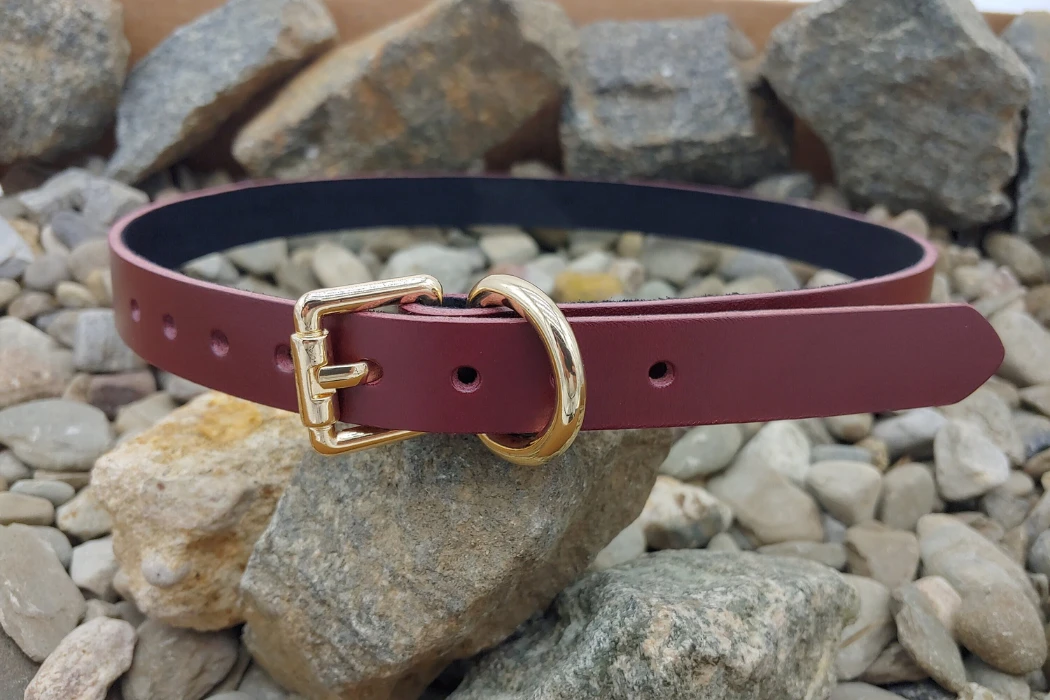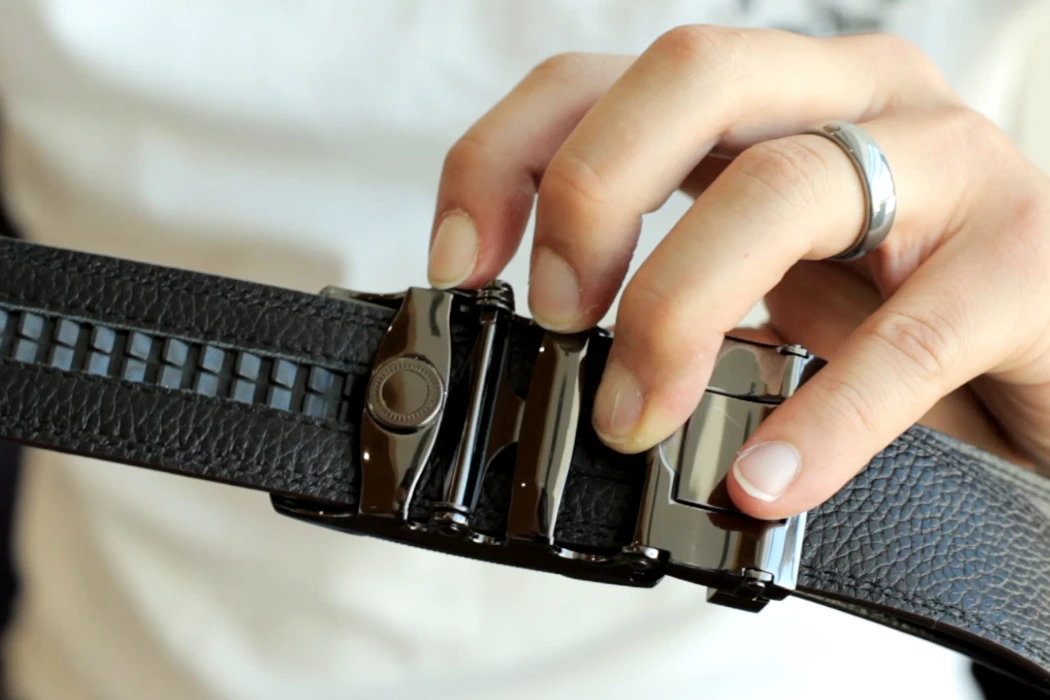
Leather names describe different things: the animal, the hide layer, the tanning process or the surface finish. A specification such as “full-grain cowhide with a pebbled finish” combines several of those descriptions. For a belt, bag or wallet order, choosing one impressive-sounding name is less useful than agreeing the complete material construction and an approved sample.

Leather types: separate the material from its finish
The first purchasing question is whether the material is animal leather, a leather-fibre composite or a synthetic alternative. Within animal leather, identify the species and the layer supplied. Then describe its colour, texture, thickness and firmness. This prevents a quotation for coated split leather from being compared as though it were the same article as lightly finished grain leather.
| Description | What it tells a buyer | What remains to be specified |
|---|---|---|
| Cowhide, calfskin, goat or sheep leather | The stated animal source | Layer, tannage, finish and suitability for the product |
| Full-grain | The natural grain surface is retained | Permitted marks, finish coverage and performance |
| Corrected-grain | The grain surface has been modified | Extent of correction, embossing and coating |
| Split leather | A layer separated from the grain-bearing part | Whether supplied as suede or with a surface coating |
| Pebbled, patent, aniline or nubuck | A texture or finishing description | The underlying material and finished article specification |
| PU or other leather alternative | A different material construction | Coating, backing, reinforcement and composition |
For formal terminology, see the Leather Working Group definitions. Commercial descriptions should still be supported by the supplier’s material declaration.
Full-grain, top-grain, split and bonded materials
Full-grain leather retains the original grain, including natural variation. It can suit a collection that welcomes those differences, but the term does not promise flawless panels or a particular service life. Decide whether scars, colour variation and loose grain are acceptable on visible parts before the cutting yield is priced.
“Top-grain” is used inconsistently in sales descriptions. Ask whether the surface is full-grain or corrected, and ask to see the actual article. Corrected-grain leather can provide a more controlled appearance; that does not make every corrected material poor quality. A sample’s performance matters more than a simple ranking.
Split leather has a different construction from grain leather. It may be used with a suede surface or a coating, depending on the specification. Bonded or reconstituted leather uses leather fibres with other ingredients and should be described as that composite. Neither “genuine” nor “premium” supplies enough detail to approve any of these materials. The leather grades guide explains how to turn those labels into purchasing requirements.
Animal source and hide cuts affect how a pattern fits
Cowhide is relevant to many belt, bag and wallet developments. Calfskin, goat and sheep materials offer other combinations of handle, appearance and usable dimensions. Treat them as separate sourcing options, not interchangeable substitutes. A species name does not establish softness, strength or price on its own.
Hides are also sold as whole hides, sides and named sections such as shoulders or butts. Long belt straps need usable lengths; large bag panels need areas that meet the appearance standard. Wallet pieces are smaller but may require careful matching and skiving. Give the supplier the pattern dimensions and permitted defects so that yield can be assessed for the actual product.
A hide’s area and a finished product’s net pattern area are different figures. Cutting around defects, matching panels and allowing for stretch direction can change consumption. Compare quotations using the same cutting assumptions rather than expecting every square foot to become a finished panel.
Tanning and finishing answer different questions
Tanning converts the hide into leather. Finishing creates or adjusts the surface appearance and handle. A tannage description, such as vegetable-tanned or chrome-tanned, does not replace a finished specification. Ask how the proposed material behaves at folds, stitch lines, edges and contact points in your design.
Aniline and pigmented finishes offer different visual effects. Pebbling adds texture; patent gives a glossy surface; nubuck and suede provide a raised nap. Each needs its own approved cleaning guidance and appearance limits. Do not assume that a textured finish proves animal origin, or that a glossy surface makes the finished bag waterproof.
Hoplok’s ProPelli operation is a leather finishing facility. It receives crust leather from partner tanneries and specialises in belt leather and other leather finishing. ProPelli holds a current LWG Gold rating. This describes the facility; it is not a universal performance certificate for every belt or bag.
Choose thickness and firmness through product sampling
Thickness affects folding, edge finishing, bulk and the way hardware fits, but one thickness cannot suit every bag or belt. Specify the measurement location and tolerance for the finished material. For a layered belt, distinguish the face leather thickness from the total strap thickness. For a wallet, review the folded stack rather than one flat swatch.
Firmness should also be shown through a reference sample. A structured bag may combine leather with reinforcement, while a softer design needs the entire construction to drape correctly. Substituting a stiffer leather to save reinforcement can change seam behaviour and the approved silhouette.
A material approval checklist for buyers
- Identify species or synthetic composition, hide layer and supplier article code.
- Approve colour, grain, sheen, handle and a permitted-variation reference.
- Record thickness, pattern dimensions, reinforcement and lining.
- Make a sample that includes the real folds, seams, logo and hardware.
- Agree appropriate physical and chemical checks for the product and destination, including the test method and acceptance criteria.
- Keep a dated approved sample and require agreement before substitution.
Start a material sourcing discussion with your product drawing, target quantity and reference swatch. For development, Hoplok’s confirmed sampling lead times are 2–3 weeks for belts and 3–4 weeks for bags; bulk lead time is 60–90 days. The quotation should confirm the schedule for the selected material and construction.