Lambskin is widely recognized as the softest leather for handbags, prized for its silky, velvety texture and lightweight drape (seen in icons like the Chanel Classic Flap). However, it is closely followed by Deerskin, which offers a unique spongy elasticity, and Milled Calfskin, which is mechanically tumbled to break down fibers for a buttery feel. While Lambskin wins on pure tactile luxury, it is also the most fragile, being highly susceptible to scratches and abrasion compared to the more robust calfskin options.
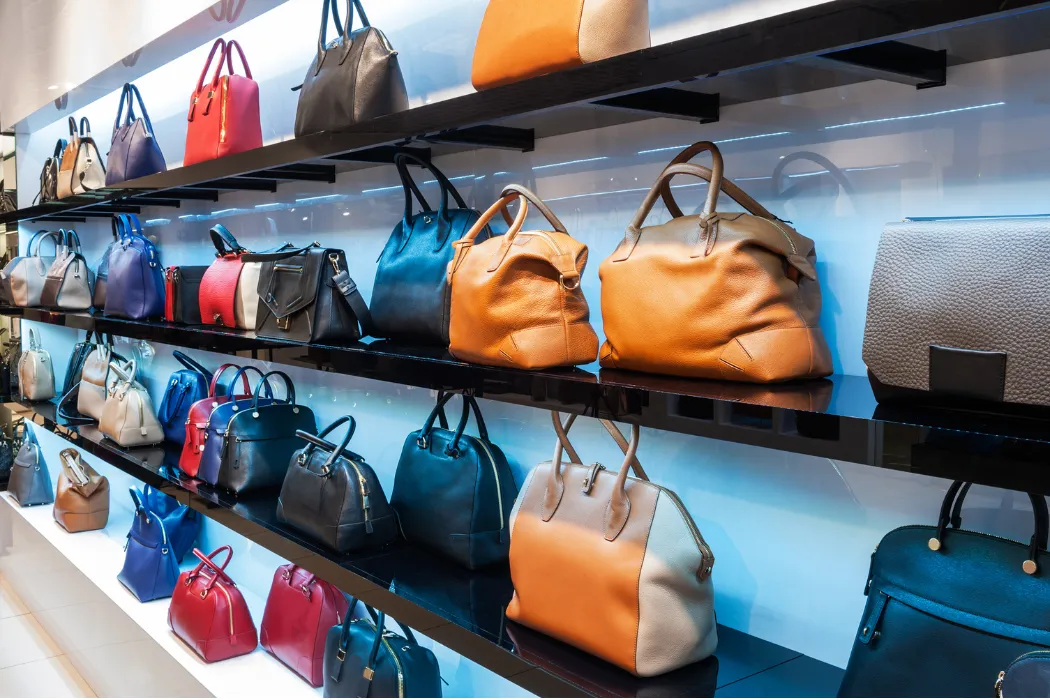
Why is it that when you touch a specific bag in a luxury boutique, that immediate “buttery” sensation makes you want to buy it instantly? It is because “Hand-Feel” is the universal language of luxury. Before a customer looks at the stitching or the logo, their fingertips judge the quality of the skin. A stiff, plasticky bag feels cheap, regardless of the price tag; a soft, warm bag feels expensive.
This guide will go beyond the showroom floor. Writing from a tannery perspective, we will analyze the molecular structure that creates softness, compare the pros and cons of the top three soft leathers, and reveal how manufacturers use chemical fatliquoring and mechanical milling to scientifically engineer that irresistible touch.
The Hierarchy of Softness: Which Leathers Top the List?
In the luxury handbag market, softness is generally ranked in a clear hierarchy: 1. Lambskin (the softest and finest); 2. Deerskin (the spongiest and most flexible); and 3. Nappa Calfskin (the most balanced and durable). While exotic leathers like Ostrich are also prized for their pliability, these three represent the primary materials used to achieve the “slouchy” or “puffy” aesthetics dominating 2025 trends.
The Champion: Lambskin (The Chanel Standard)
Lambskin is universally acknowledged as the softest leather available for handbags. Sourced from young sheep, it possesses an incredibly fine, tight grain structure that feels silky and smooth to the touch.
- The Thickness Spec: To achieve this extreme softness, lambskin is split very thin, typically between 0.6mm and 0.8mm. This thinness allows it to drape almost like fabric.
- The Feel: It has a “buttery” or velvety texture. It warms instantly to the touch and has zero resistance when folded.
- The Use Case: This is the material of choice for high-end quilted bags (like the Chanel Classic Flap) because the thin, soft skin puffs up beautifully around the internal padding without wrinkling.
The Runner-Up: Deerskin (The Rugged Softness)
Deerskin (or buckskin) offers a completely different type of softness. While lambskin is smooth and thin, deerskin is thick and spongy.
- The Structure: Deerskin fibers are loosely interwoven, creating pockets of air within the hide. This gives it a unique “cushioned” feel that is physically squishy.
- The Durability Factor: Unlike lambskin, deerskin is surprisingly tough. It has high tensile strength and is naturally resistant to cracking, making it a favorite for brands like Bottega Veneta that require intricate weaving (Intrecciato) without the leather snapping.
- The Finish: It typically has a matte, pebbled grain that feels warm and dry, rather than the cool, slick feel of calfskin.
The Practical Choice: Milled Calfskin & Nappa
“Nappa” is an industry term for soft, chrome-tanned leather (usually cow or calf) that has been treated to be pliable. “Milled” refers to the mechanical process of tumbling the dry hides in a large drum for hours.
- The Process: The tumbling action physically loosens the tight fiber structure of the cowhide, breaking its stiffness.
- The Result: This creates a soft, floppy leather with a natural “pebbled” texture. It is thicker than lambskin (usually 1.2mm – 1.4mm), giving it enough body to hold the shape of a “Slouchy Hobo” bag while still feeling soft and broken-in from day one.
- The Balance: This is the industry workhorse for “soft” bags because it offers 80% of the softness of lambskin with 200% of the durability.
The Softness Spectrum Matrix
Use this table to understand the trade-offs between tactile luxury and physical strength.
| Leather Type | Hand-Feel Characteristics | Typical Thickness | Durability Score (1-10) |
|---|---|---|---|
| Lambskin | Silky, thin, ultra-smooth. | 0.6mm – 0.8mm | 3/10 (Delicate) |
| Deerskin | Spongy, warm, thick drape. | 1.0mm – 1.4mm | 7/10 (Resilient) |
| Nappa Calf | Buttery, pebbled, flexible. | 1.2mm – 1.5mm | 8/10 (Balanced) |
| Goatskin | Tough, grainy, lightweight. | 0.8mm – 1.0mm | 9/10 (Tough) |
The Trade-Off: Does Softness Kill Durability?
Yes, generally, there is an inverse relationship between extreme softness and durability. The softer the leather, the looser the fiber structure or the thinner the split (often under 1.0mm). While Lambskin offers the ultimate tactile luxury, it has very low scratch and tear resistance compared to tighter-grained leathers like Box Calf. To achieve a “buttery” feel, manufacturers must sacrifice some structural density, making soft bags more prone to losing their shape (“puddling”) and suffering permanent surface damage from daily friction.
The “Fingernail Test”: Lambskin’s Weakness
The most immediate downside of soft leather is its vulnerability to abrasion. Lambskin, the softest option, fails the “Fingernail Test.”
- The Mechanism: Because lambskin pores are so fine and the surface is so smooth, even a light scratch with a fingernail breaks the delicate top grain or displaces the finish.
- Permanence: Unlike an oily “Pull-Up” leather where scratches can be rubbed out, a scratch on a soft lambskin bag is often permanent. The fibers are too delicate to “heal.”
- Wear Data: In standard Taber abrasion tests, a luxury lambskin finish may show damage after just 100-200 cycles, whereas a tougher milled calfskin can withstand 1,000+ cycles before the grain is compromised.
Structure vs. Slouch: Why Soft Bags Can’t Stand Up
Softness is not just about the surface; it’s about the internal physics. A leather that feels “soft” lacks rigidity. This dictates the entire design of the bag.
- The “Puddle” Effect: If you place an empty bag made of soft Nappa leather on a table, it will collapse into a pile (puddle). It cannot support its own weight.
- Design Limitation: Soft leathers are strictly limited to unstructured silhouettes like Hobo bags, Drawstring buckets, or Clutches. You cannot make a sharp, architectural briefcase out of soft deerskin without gluing it to a heavy, stiff cardboard reinforcement, which ultimately ruins the soft feel you paid for.
Manufacturer’s Insight (Hoplok): Engineering Durable Softness. At Hoplok, we solve this trade-off for our B2B clients using a technique called “Bonded Microfiber Backing.” We take a delicate, ultra-soft 0.6mm lambskin or nappa hide and fuse it to a specialized, tear-resistant microfiber layer on the back. This “sandwich” retains the buttery surface touch and drape of the soft leather but adds the tensile strength of a synthetic, preventing the bag from tearing at the seams or stretching out under load.
How Do Manufacturers Make Leather Soft? (The Science)
Leather is not naturally soft; it is engineered to be that way. The softness of a handbag is the result of three specific manufacturing processes: 1. Chrome Tanning, which uses mineral salts to keep the collagen structure open and flexible; 2. Fatliquoring, the injection of emulsified oils to lubricate the fibers; and 3. Milling (Tumbling), a mechanical process that physically beats the stiffness out of the hide. Without these interventions, raw skin would dry into a hard, rigid material suitable only for shoe soles.
Tanning Method: Why Veg-Tan is Hard and Chrome is Soft
The foundation of softness lies in the chemistry. Vegetable Tanning (used for belts) relies on large tannin molecules from tree bark that fill the voids in the hide, creating a dense, stiff structure. Chrome Tanning uses much smaller chromium salt molecules. These salts create flexible cross-links between the collagen fibers, leaving more “empty space” in the microscopic structure. This allows the fibers to slide past each other, resulting in a leather that is naturally pliable and drape-heavy.
The “Milling” Process: Tumble Drying the Hide
If you see a bag described as “Milled Calfskin” or “Pebbled Leather,” it has undergone this process. After tanning, the dry hides are placed inside massive rotating drums (similar to a giant clothes dryer) and tumbled for 8 to 24 hours.
- The Action: As the hides fall and crash against each other, the repeated impact physically breaks the tight fiber adhesions.
- The Result: This mechanical softening creates a floppy, broken-in feel and enhances the natural grain pattern, turning a flat surface into a textured “pebble” grain.
Nubuck & Suede: Softness Through Sanding
Sometimes, softness is achieved by removing material. Nubuck is top-grain leather that has been sanded on the outer side, while Suede is sanded on the inner (flesh) side.
This sanding process creates a “nap”—millions of tiny, raised fibers. These fibers act like velvet, creating a soft, warm cushion of air against the skin. While this makes the leather feel incredibly soft to the touch, it also removes the protective grain layer, making it highly absorbent to oils and water.
How to Choose the Right Soft Leather for Your Brand?
Choosing the right soft leather is a strategic calculation based on price point and intended use case. For a high-premium evening clutch (low wear), Lambskin is the correct choice due to its unmatched tactile appeal. For a daily commuter bag (high abrasion), Milled Calfskin is superior, offering 80% of the softness with 300% of the durability. For men’s luxury goods, Deerskin provides a unique, rugged elasticity that calfskin cannot replicate.
Scenario A: The Evening Clutch (Lambskin)
For an evening bag or a structured flap bag (retail price $2,000+), the customer’s priority is “perceived luxury.”
- The Strategy: Use Grade A Lambskin (0.6-0.8mm). The bag will not face heavy loads or rough surfaces (like concrete floors).
- Why: The ultra-fine grain and silky touch immediately justify the high price tag. The thinness of the skin allows for intricate manufacturing details like tight pleating, ruching, or complex quilting that would look bulky in thicker cowhide.
Scenario B: The “Slouchy” Everyday Hobo (Milled Calf)
For a large, soft shoulder bag designed for daily use (retail price $500 – $1,500), durability is as important as the “slouch.”
- The Strategy: Use Heavy Milled Calfskin or Shrunken Grain Cowhide (1.2-1.4mm).
- Why: This leather has been tumbled to loosen the fibers, giving it a heavy, liquid drape. However, the grain surface remains intact and tough. It can withstand being thrown onto a car seat or rubbing against a coat without scuffing immediately. Using lambskin for a bag of this size would result in sagging and corner wear within 3-6 months.
B2B Material Selection Guide
Use this matrix to align your material sourcing with your product’s lifecycle.
| Product Type | Rec. Leather | Relative Cost | Maintenance Difficulty |
|---|---|---|---|
| Luxury Flap Bag | Lambskin | High ($$$$) | Very High (Scratch prone) |
| Soft Daily Tote | Milled Calfskin | Medium ($$) | Low (Scuff resistant) |
| Travel Weekender | Deerskin / Elk | High ($$$) | Medium (Water absorbent) |
| Tech Accessories | Goatskin (Chèvre) | Medium ($$) | Low (Water resistant) |
Frequently Asked Questions
1. Is lambskin leather durable?
No, not in terms of abrasion resistance. While the collagen fibers of lambskin are strong and resistant to tearing (tensile strength), the surface grain is extremely delicate. It has a durability score of roughly 3/10 for daily wear. It is prone to scuffs, scratches, and corner wear, making it unsuitable for heavy daily use compared to cowhide.
2. What is Nappa leather?
“Nappa” is not a specific type of animal. It is a generic industry term used to describe any soft, chrome-tanned, full-grain leather that feels smooth and pliable. While it was originally made from sheepskin in Napa Valley, today it can refer to soft cow, calf, or lamb leather. It signifies a “buttery” hand-feel rather than a specific origin.
3. Does soft leather scratch easily?
Yes, especially Lambskin. Soft leathers generally lack the heavy protective topcoats (like polyurethane) found on stiffer, corrected-grain leathers. Lambskin fails the “fingernail test”—a light scratch will leave a permanent mark. Milled Calfskin is more forgiving, as its pebbled texture helps hide minor scratches better than smooth skins.
4. What is the difference between sheepskin and lambskin?
The difference is age and texture. Lambskin comes from a young animal, resulting in a finer, tighter grain and an incredibly soft, silky feel. Sheepskin comes from an adult animal; it is larger, thicker, and has a coarser, looser grain structure. Luxury handbags almost exclusively use lambskin for its superior touch.
5. Is deerskin waterproof?
It is naturally water-resistant, but not waterproof. Deerskin’s unique, spongy fiber structure allows it to get wet and dry out without becoming stiff or brittle (unlike cowhide). However, it is porous and will absorb water if soaked. It requires a hydrophobic spray treatment to be truly weather-proof.
6. Why is my leather bag stiff?
Stiffness is usually a result of the tanning method or finish. If a bag is stiff, it is likely made of Vegetable-Tanned leather (which is naturally firm) or has a thick pigmented coating (paint) on top. Soft bags are almost exclusively Chrome-Tanned and have been Milled (tumbled) to break the fibers.
Conclusion: The Luxury of Touch
Softness is the ultimate signal of luxury in the handbag world, but it comes with a price. Lambskin offers an unmatched, silky tactile experience that defines high-end evening wear, but it demands careful handling. Milled Calfskin offers the perfect engineering compromise, delivering 80% of the softness with the durability required for a daily driver.
For fashion brands, the decision between “Sensory Luxury” and “Practical Durability” must be made at the concept stage. You cannot simply soften a stiff hide without altering its structural properties; the softness must be engineered into the tanning recipe itself.
Hoplok Leather specializes in this molecular engineering. Our ProPelli tannery utilizes advanced rotating drums and custom fatliquoring formulas to create specific “hand-feels,” from the sponge-like bounce of deerskin to the liquid drape of nappa. We help you find the exact point on the spectrum where luxury meets longevity. Contact Hoplok Leather today to request our “Soft Touch” material sample book and feel the difference for yourself.