Choosing between the different types of belt lining directly impacts product failure rates and brand reputation. An inferior material choice often leads to delamination and cracking, driving costly warranty claims that erode profit margins. This single component decision can define the perceived quality of an entire product line.
This analysis evaluates five core materials, from LWG-certified leathers to Reach & CPSIA compliant PU. We benchmark each option on durability, unit cost, and production scalability to provide designers with the data needed to make a profitable sourcing decision that protects your brand.
The Role of Lining in Structure & Comfort
A belt’s lining is more than just a backing—it’s the core of its structure and comfort. It provides critical support to prevent the main leather from stretching or deforming over time. The material choice also directly impacts how the belt feels and conforms to the wearer for a better fit.
Providing Essential Structure and Durability
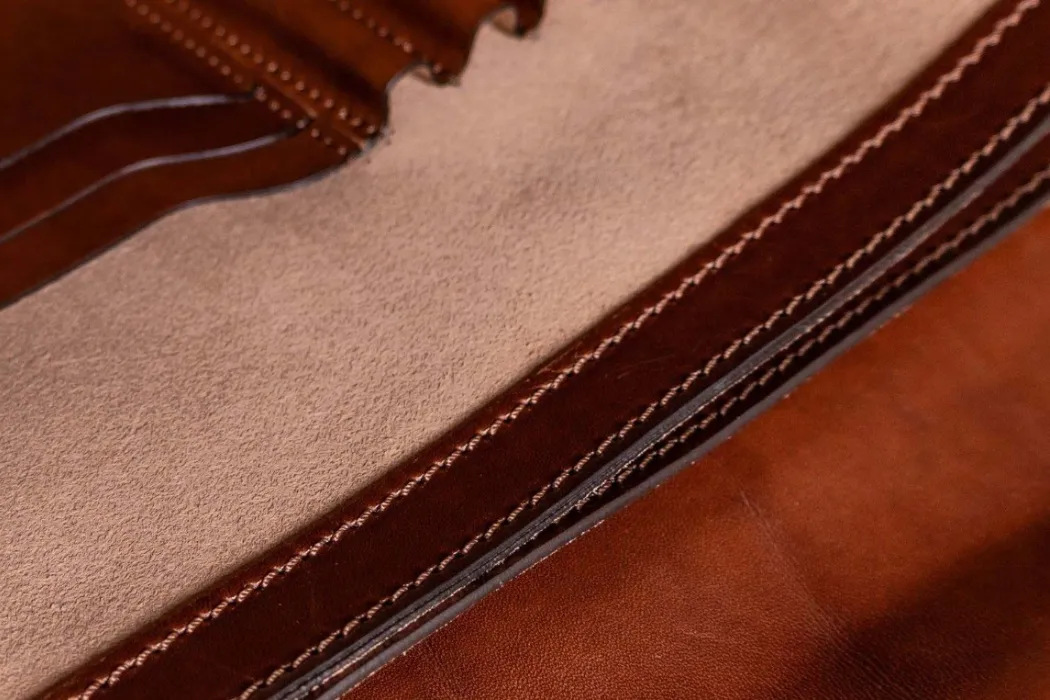
Lining adds crucial structural support, especially since some face leathers can stretch and lose their shape without a stable base. Using a solid lining material, like the full-grain or top-grain leather we offer, prevents the belt from elongating under the stress of daily use. When we bond two layers of leather together with heavy-duty stitching, we create a far stronger and more durable product. This construction distributes the load evenly and dramatically increases the belt’s tensile strength, reducing the chance of product failure and customer returns.
Enhancing Wearer Comfort and Fit
The quality and type of lining material directly shape the wearer’s comfort. A softer lining can stretch just enough during an initial break-in period, much like a new pair of shoes. Over time, it conforms to the wearer’s body for a personalized, comfortable fit. Our vegetable-tanned linings, for instance, start out firm but soften beautifully with use, providing a balance of immediate structure and long-term comfort.
Indicators of High-Quality Construction
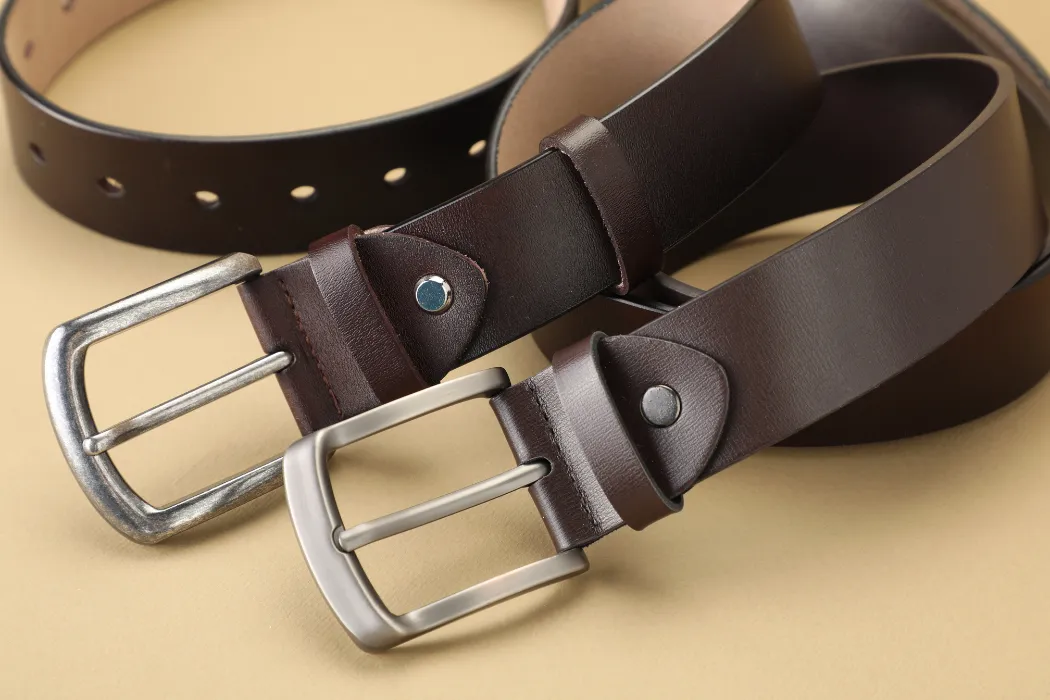
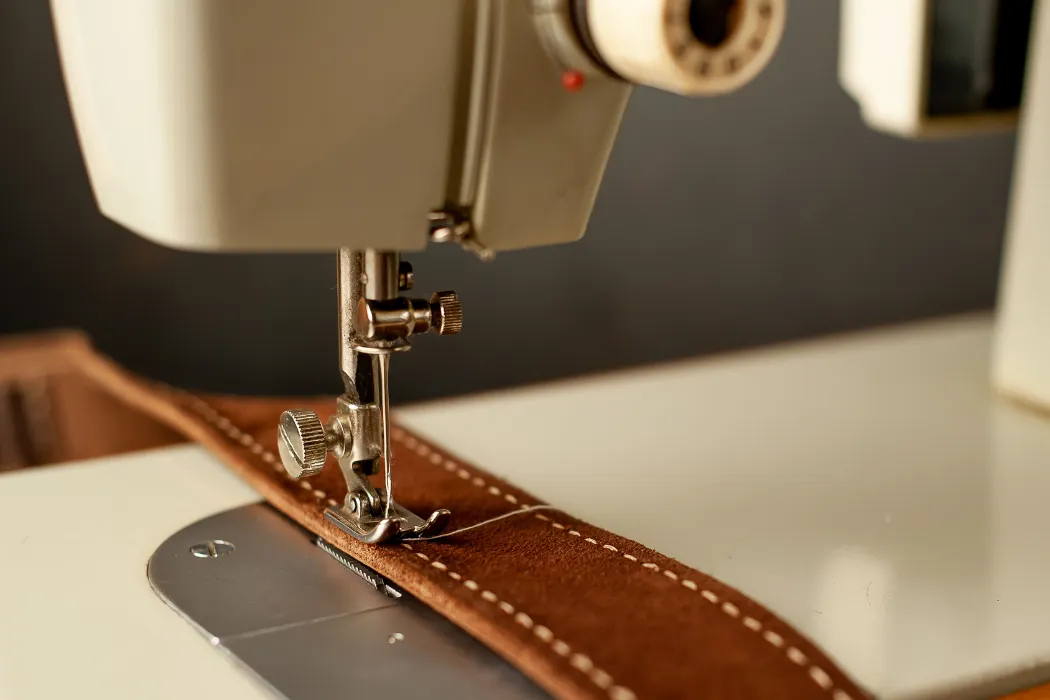
You can spot a well-made belt by looking at the details. We ensure our belts have even, tight stitching that prevents stress from concentrating in any single area. Proper adhesive bonding resists separation from heat, moisture, and the constant bending a belt endures. Details like securely fastened buckles and smoothly painted or burnished edges—free of any rough fibers—are the hallmarks of craftsmanship that distinguish a superior belt from a mass-produced one.
Matching Lining Color to Face Leather
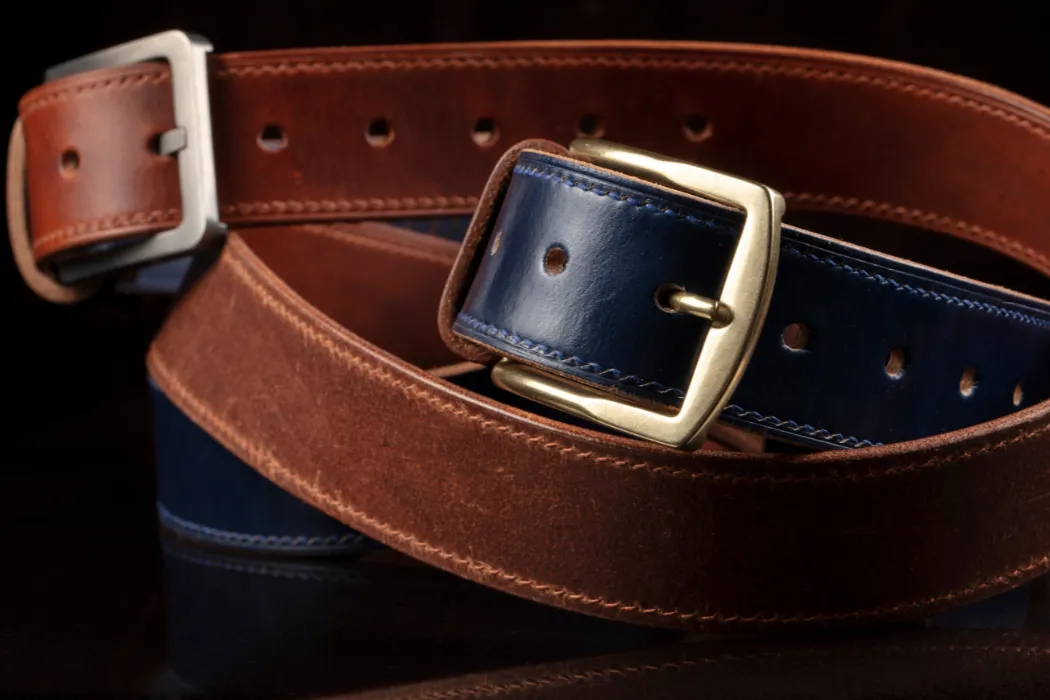
When selecting a lining for custom belts, the key is coordination, not an exact match. The lining color should complement the face leather, typically staying within the same color family. Beyond hue, the finish is just as important—glossy face leathers pair best with high-shine linings, while matte finishes call for a more subtle lining. This ensures a professional, harmonious look that elevates the final product.
Fundamental Principles of Coordination
The primary rule for a high-end look is keeping the lining and face leather within the same color family. The goal is a complementary pairing, not an identical one, which creates a cohesive design without looking flat. Just as important as color is the finish; a high-shine face leather should be paired with a glossy lining, while matte leathers work best with subtle, non-reflective linings. For brands needing precise color accuracy for their collections, our free Pantone Color Choice service ensures perfect coordination.
Applying Color Schemes
To achieve a specific aesthetic for your belt line, you can apply established color theories to the design process:
- Monochromatic: This scheme uses darker or lighter shades of the same base color. It adds subtle depth and texture, creating a sophisticated look that is visually interesting without being distracting.
- Analogous: This approach uses colors that sit next to each other on the color wheel, such as blue and green. It creates an engaging visual interest, offering more creativity while maintaining a harmonious feel.
- Split-Complementary: For a more dynamic design, this scheme pairs a base color for the face leather with two accent colors for the lining, chosen from the opposite side of the color wheel. This technique creates strong, balanced contrast that makes the design pop.
Premium Custom Belts That Elevate Your Brand
Type 1: Nubuck (Split Leather) – The Premium Feel
Nubuck lining, created from sanded split leather, offers a premium velvet-like texture that significantly enhances a belt’s perceived value. While it requires careful handling and represents a higher material cost, its superior durability and luxurious feel allow brand owners to position their products in a higher-tier market.
What Defines Nubuck Lining?
Nubuck lining is crafted from split leather, a core material in our catalog. We carefully sand the outer grain surface to produce its signature soft, velvet-like texture. This process delivers a material that combines the inherent strength of the grain layer with premium comfort, making it an excellent choice for high-quality belt collections that need to feel as good as they look.
Key Advantages for Belts
For your brand, using Nubuck lining translates to direct benefits. It offers superior durability and tear resistance compared to suede, which helps reduce customer returns and quality claims. Its excellent breathability is a key comfort feature you can market to end-users. The premium aesthetic directly elevates the perceived value of your finished belts, supporting stronger retail margins.
Maintenance and Considerations
When selecting Nubuck, a few factors are important for production and marketing. Its soft, napped surface can absorb stains and dirt more readily than smooth finished leathers. It also represents a higher material cost compared to our high-quality PU or bonded leather options, a key consideration for product tiering and budget planning.
Type 2: PU (Synthetic) – Uniform & Cheap
PU (polyurethane) is a synthetic lining material that provides a uniform appearance at a low cost, making it an excellent choice for mass production. It gives our partners consistency for high-volume manufacturing, but it is less breathable and durable than genuine leather alternatives.
Manufacturing and Characteristics
PU (polyurethane) is a synthetic material created by coating a backing fabric with a polyurethane resin. This process results in a highly uniform appearance and consistent texture, which is a major advantage for brand owners who need consistency across large product runs. Our manufacturing process allows for a very thin coating, often under 0.2mm, making it a perfect, non-bulky choice for belt linings. We ensure our high-quality PU materials are Reach & CPSIA compliant, guaranteeing they are safe for key import markets like the US and Europe.
Advantages of PU Lining
The main benefit of PU lining is its lower cost, which provides our B2B partners with a significant advantage in profit margins. Because it’s a synthetic material, its consistency is perfect for rapid, large-scale manufacturing, supporting our factory’s monthly output of 600,000 to 800,000 PU belts. This uniformity also means the surface finish is flawless and can be easily customized with various embossed textures, like crocodile or saffiano patterns, to match any brand aesthetic.
Potential Downsides
While cost-effective, PU has trade-offs. It is not as breathable as natural materials like full-grain leather. Its durability is also lower than genuine leather, with a higher chance of showing wear or cracking over an extended period of heavy use. Some lower-grade PU manufacturing involves harsh solvents, but as a certified manufacturer, we use safer, compliant processes to ensure our products meet international safety standards for your market.
Type 3: Pigskin – Breathable but Pored
Pigskin is a cost-effective genuine leather lining known for its comfort and breathability. Its distinctive porous structure makes it flexible and soft, but its thin profile requires bonding to a stronger face leather to provide the necessary structural support for a durable belt.
Core Characteristics of Pigskin Lining
Pigskin lining features a unique porous, dimpled structure that gives it natural breathability and a lightweight feel. This material is exceptionally flexible and soft, preventing the finished belt from feeling stiff or rigid against the body. Despite its thin profile, typically around 1.5–2 oz (0.6–0.8 mm), it provides high tensile strength and reliable durability for lining applications.
Advantages for Belt Manufacturing
For brand owners, pigskin offers several key benefits. Its natural breathability improves wearer comfort by reducing moisture buildup, leading to higher customer satisfaction. The material also resists hardening and stays pliable even after exposure to moisture, enhancing the belt’s longevity. From a production standpoint, it represents a cost-effective genuine leather option that helps manage material costs without sacrificing a premium feel.
Potential Disadvantages to Consider
There are a few production factors to keep in mind. Pigskin’s thinness means it must be bonded to a stronger face leather for structural integrity. It has low natural waterproofness, so a protective finish is necessary for better performance. The dimpled pattern may not fit every brand’s aesthetic, particularly for high-end luxury designs. During production, its delicate nature means sewing tension must be carefully calibrated to avoid puckering during stitching.
Type 4: Bonded Leather – The Filler Option
Bonded leather is a cost-effective material created by mixing shredded leather scraps with binders like polyurethane. While it efficiently recycles manufacturing waste and offers a uniform look for mass production, its durability is significantly lower than genuine leather, making it unsuitable for premium or heavy-duty belts where strength and longevity are critical.
Composition: Shredded Scraps and Binders
We produce bonded leather by mixing shredded leather scraps and fibers with polyurethane or rubber binders. The resulting material, which typically contains 30-70% actual leather fiber, is formed into sheets and often embossed with a leather-like texture for a consistent finish.
Advantages: Low Cost and Material Recycling
Bonded leather offers significant cost advantages, making it an ideal choice for budget-focused product lines. By using recycled scraps from our other manufacturing lines, it reduces material waste and lowers production costs for our partners. Its uniform appearance also simplifies mass production, ensuring consistency across large orders.
Limitations: Lower Durability and Quality Concerns
Clients should be aware that bonded leather offers much lower durability and longevity compared to our genuine leather options. Its composition can vary, which affects performance. We do not recommend it for premium or heavy-duty belts where strength and wear resistance are critical to brand reputation and minimizing returns.
Type 5: Full Grain Lining (Luxury Unlined)
In this premium construction, a single piece of full-grain leather forms the entire belt. Instead of adding a separate lining, we meticulously finish the back side to be smooth and comfortable. This approach showcases the leather’s natural quality and creates an exceptionally durable belt without layers that could separate over time.
The Concept of a Single-Piece Belt
With this method, there is no separate lining layer. The back (flesh side) of the full-grain face leather is carefully finished until it feels smooth and comfortable against clothing. This creates a single, solid piece of leather that displays the material’s natural integrity and exceptional quality.
Benefits: Durability and Authenticity
An unlined full-grain belt is extremely durable because there are no layers to delaminate or separate. It delivers an authentic, rugged feel that highlights the natural grain and character of the hide. We often use this construction for heavy-duty work belts and luxury casual belts where material quality is the most important feature.
Manufacturing Considerations
This technique requires using very high-quality hides, since any imperfections on the flesh side cannot be covered by a liner. The finishing process for the back side is critical to prevent fiber shedding and guarantee a smooth surface. Producing a flawless unlined belt is a mark of superior leather selection and craftsmanship, ensuring a premium product for your brand.
Final Thoughts
While budget linings can lower initial production cost, they directly risk your brand’s reputation with returns from cracking and delamination. Our vertically integrated approach ensures even our PU options are Reach & CPSIA compliant, safeguarding your inventory. Investing in the right material from the start protects your margins and secures repeat business.
Don’t guess on material performance—verify it with your own hands. We recommend starting with our fast sampling service to test the feel and durability of our linings firsthand. Contact our team to get a material swatch book or discuss your next OEM collection.
Frequently Asked Questions
What is the best material for a belt lining?
The best lining material depends on your brand’s specific needs for performance, aesthetics, and cost. For premium collections, we recommend genuine leather linings like Split Leather, which offer excellent durability and a classic feel. For projects focused on volume and value, our high-quality PU and Vegan Leather options provide a consistent, durable, and cost-effective solution that supports a higher profit margin for our partners.
What is the difference between nubuck and pigskin lining?
The main difference is that pigskin is a type of hide, while nubuck is a type of finish. Nubuck is created by sanding top-grain leather to produce a soft, velvety texture. While we can source various leathers, our strength lies in our in-house Pro Pelli finishing facility. This allows us to apply custom finishes like Vintage, Washed, or unique Embossed textures to materials like Split Leather, giving you precise control over the lining’s final look and feel.
Is PU lining durable?
Yes, the high-quality polyurethane (PU) we use for linings is extremely durable. It’s engineered to resist scuffs, cracking, and moisture, ensuring a long product life for the end customer. For our B2B partners, this translates directly to higher customer satisfaction and a reduction in returns or quality claims, protecting both your brand’s reputation and your bottom line. It’s an ideal choice for large-scale production where consistency and reliability are key.
Why is a lining used on leather belts?
A lining serves several critical functions for a high-quality belt. Primarily, it provides structural stability to the face leather, preventing it from stretching or warping over time. This ensures the belt maintains its original shape and integrity. A lining also increases the belt’s overall durability and can enhance comfort for the wearer. For brands, a well-constructed, lined belt delivers a more premium product with a longer lifespan, leading to greater customer loyalty.
What are the most breathable materials for belt backing?
For the types of fashion and casual belts we manufacture, breathability is best achieved with genuine leather linings. Lighter leathers, such as top-grain or split leather, offer natural porosity that allows for some air circulation, enhancing comfort for the end-user. While synthetic options like PU are valued for their durability and water resistance, natural leather remains the superior choice when breathability is a key product feature.
How can you prevent dye transfer from a belt lining?
We prevent dye transfer at the source through our controlled manufacturing process. It starts with sourcing properly treated leathers from LWG (Leather Working Group) certified tanneries, which ensures high standards for dyeing and finishing. Our subsequent production steps, including smooth edge painting and finishing, effectively seal the leather. This delivers a stable, high-quality product to our clients, minimizing the risk of dye transfer and protecting the end-customer’s clothing.