Introduction
The belt buckle has come a long way. It began as a purely functional tool for ancient warriors. It has evolved into a powerful fashion statement for the modern man and woman. The buckle is the centerpiece of a belt. It is often the first thing people notice. A buckle can define an entire outfit. It can signal anything from professional sophistication to a rugged, rebellious spirit. In today’s market, the buckle is more important than ever. Consumers look for sustainable materials and customizable designs. This has pushed brands to innovate, creating a huge variety of styles.
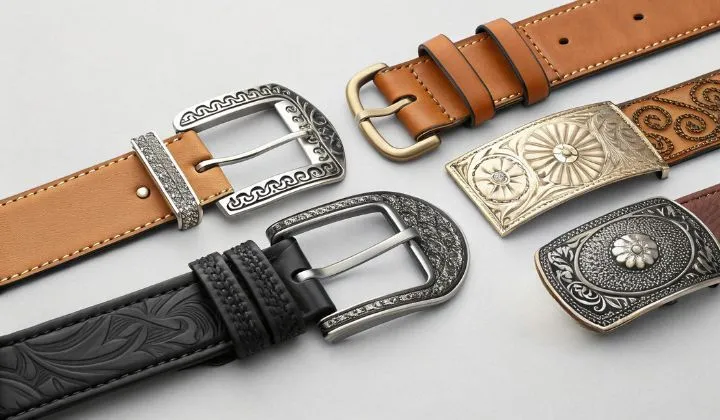
A belt buckle is a clasp used to secure the end of a belt. It serves both a functional and an aesthetic purpose. The main types include the classic prong or frame-style buckle, modern ratchet or auto-lock buckles, and decorative plate-style buckles. The style you choose impacts not only your outfit’s look but also the belt’s comfort, durability, and ease of use. Understanding these differences is key to selecting the right buckle.
Many people think of a buckle as just an accessory. However, it is much more than that. The right buckle provides a comfortable, secure fit. The wrong one can be clunky and impractical. This guide will go beyond a basic overview. We will explore the rich history of the belt buckle. We will break down the anatomy of its components and provide a comprehensive guide to the many different styles available today. Finally, we will give you expert tips on how to choose, style, and care for your buckles. Get ready to master the art of this essential accessory.
The History and Evolution of Belt Buckles
The belt buckle has a rich history. It started as a simple clasp in the Bronze Age for ancient soldiers. During the medieval period, it became a symbol of status. The 19th century brought mass production. The 20th century saw the rise of iconic styles like the Western cowboy buckle. Today, it is a key fashion item that reflects personal style and modern trends.
From Ancient Clasps to Status Symbols
The earliest belt buckles were simple, functional clasps. We can trace their origins back to the Bronze Age. Ancient civilizations like the Celts and Romans used them to secure their armor and clothing. These early buckles were often made of bronze or iron. They were designed for pure utility. During the medieval period, however, the buckle began to transform. It evolved from a simple tool into a symbol of wealth and status. Knights and nobles wore ornate, decorative buckles made from precious metals. These showed off their rank and importance.
Key Milestones in Buckle Development
The 19th century was a major turning point for the belt buckle. The Industrial Revolution introduced new manufacturing techniques. This allowed for the mass production of metal buckles for the first time. Suddenly, buckles were no longer just for the wealthy. They became an everyday item for people of all classes. The 20th century brought even more changes. Several key styles emerged that still influence fashion today.
- The Western Buckle: The iconic, large plate-style buckle became a symbol of American cowboy culture.
- Military Influence: The simple, durable buckles from military uniforms became popular after World War II.
- Designer Buckles: In the 1960s and 80s, fashion designers began to create unique, branded buckles, turning them into true fashion statements.
Modern Developments and Cultural Impact
Today, the belt buckle is a powerful form of self-expression. It can reflect your personal style, your interests, and even your values.
The buckle has been adopted by countless subcultures. It is a key part of punk, hip-hop, and goth fashion. Global styles also vary greatly. You might see intricate, engraved designs in Asia or sleek, minimalist styles in Europe. As we look to 2025, the biggest trend is sustainability. Brands are now creating innovative buckles from recycled metals and other eco-friendly materials. This ensures that this ancient accessory will continue to evolve with the times.
The Anatomy of a Belt Buckle: Understanding the Components
A belt buckle has several key parts that work together. The **frame** is the main body of the buckle. The **prong** (or tongue) is the pin that goes through the hole in the belt. The **bar** is the part that the prong pivots on. Finally, the **keeper** is the loop that holds the extra length of the belt strap in place. Understanding these simple components helps you choose the right style for your needs.
The Main Parts of a Buckle
To understand the different styles, you first need to know the basic parts. Most traditional buckles share a few key components.
- Frame: This is the outer structure of the buckle. It can be a simple square, a circle, or an ornate, decorative shape.
- Prong: Also known as the tongue or pin, this is the small metal spike that pokes through the hole in the belt to hold it in place.
- Bar: This is the part of the frame that the prong is attached to and pivots on. A **heel bar** buckle has the prong on one side, while a **center bar** buckle has it in the middle.
- Keeper: This is the small loop that you slide the end of the belt through to keep it from flapping around. It can be attached to the buckle or be a separate, sliding piece.
How the Parts Work Together
These components work together in a simple, effective system. The belt strap passes through the frame, the prong secures it in the right hole, and the keeper tidies up the end. However, modern styles have introduced new mechanisms. For example, a magnetic buckle has no prong at all. It uses powerful magnets to hold the belt in place. A ratchet buckle uses a track system for a hole-free, micro-adjustable fit.
Good design is about more than just looks. It’s also about ergonomics. The best buckles are not only stylish but also easy to use, comfortable to wear, and built to last.
Types of Belt Buckles: A Comprehensive Overview
Belt buckles come in many styles. **Traditional** styles use a prong to secure the belt. **Modern** styles, like ratchet buckles, offer a hole-free, adjustable fit. **Specialty** buckles, like Western or military styles, make a bold statement. **Innovative** buckles use magnets or friction for a clean, minimalist look. Each style offers a different combination of function and fashion.
The world of belt buckles is vast and varied. We can group the main styles into a few key categories. These range from timeless, traditional designs to sleek, modern innovations. Understanding these categories is the first step. It will help you find the perfect buckle to match your belt and your personal style. Let’s explore the most popular options available today.
Prong or Tongue Buckles (Classic Frame Style)
This is the most common and classic style of belt buckle. It is what most people picture when they think of a belt. The design is simple and effective. It features a metal frame and a single pin, called a prong or tongue. The prong passes through a hole in the belt strap to secure it.
This style is incredibly versatile. You can find it on everything from formal dress belts to casual leather belts for jeans. The basic design, often called a pin buckle, is a timeless choice.
- Pros: This buckle has a timeless, classic look. It is very reliable. It works well for both dress and casual belts.
- Cons: The main drawback is that the prong can cause the belt holes to stretch and wear out over time with repeated use.
There are a few common variations:
- Single-Prong: The most common type, offering a clean and simple look.
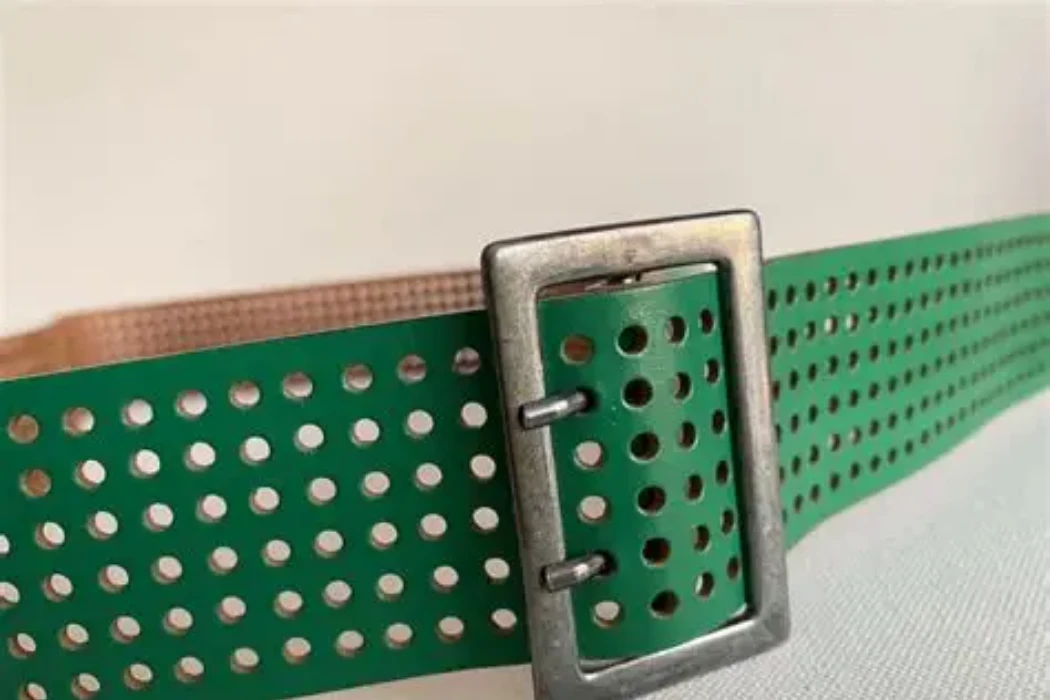
- Double-Prong: This version has two prongs for extra security. It is often found on wider, more rugged belts.
Plate Buckles (Western/Decorative Style)
Plate buckles are all about making a statement. Instead of a simple frame, they feature a large, flat plate. This plate is often decorated with intricate engravings or bold motifs. They are most famously associated with American Western wear. These buckles usually attach with a hook that slips into one of the belt holes from behind.
This style is perfect for adding a touch of personality to a casual outfit. It works especially well with jeans and a rugged leather belt.
- Pros: Plate buckles are highly expressive and customizable. They are a great way to show off your personal style.
- Cons: They are often large and heavy. This can make them less comfortable for all-day wear. They are also generally considered too informal for business or dress attire.
A special version of the plate buckle is the trophy buckle. People often award these as prizes in rodeos and other competitions. They are highly collectible and serve as a symbol of achievement.
Box Frame Buckles
The box frame buckle offers a sleek and modern look. It has a hollow, enclosed frame, much like a box with no top or bottom. The belt strap passes through this frame. A hinged prong inside the box presses against the strap to hold it in place with tension. There are no holes in the belt strap itself.
This style is known for its clean and minimalist appearance. It is a popular choice for formal and business belts. The enclosed design also means there are no external parts to snag on clothing.
- Pros: This buckle provides a very secure fit. Its smooth, enclosed design is less likely to snag on your clothes. It has a very modern and clean look, perfect for formal wear.
- Cons: It can be a bit slower to adjust compared to a simple prong buckle. The mechanism can also be bulkier than other styles.
A popular variation is the reversible box frame buckle. This clever design allows you to flip the buckle around. This lets you wear the belt on either its black or brown side, for example. It is like getting two belts in one!
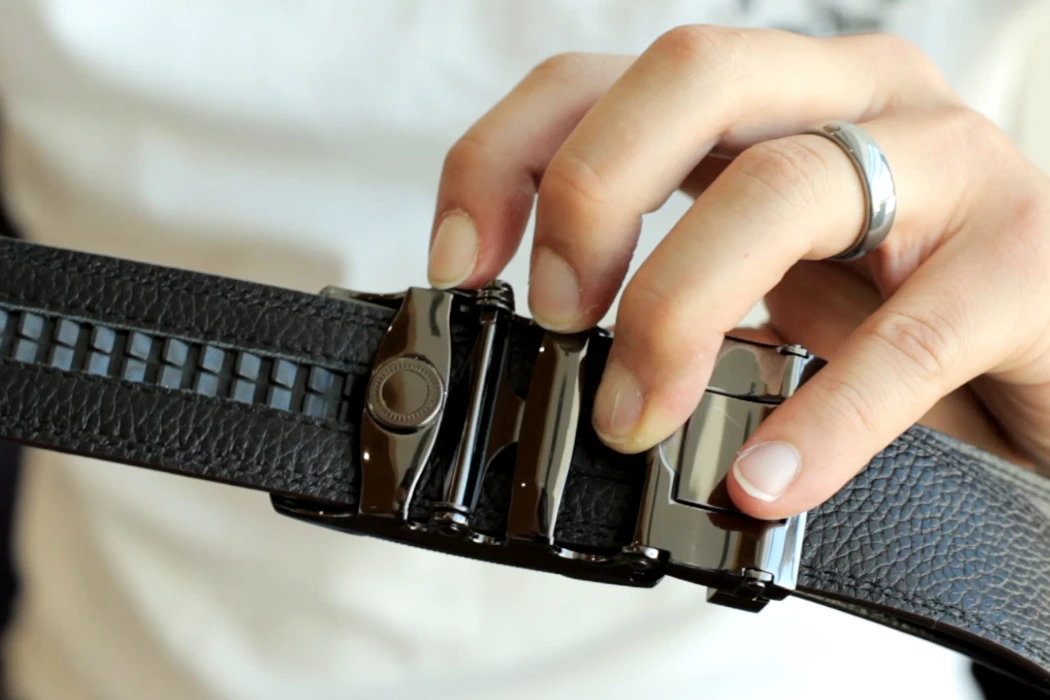
Ratchet or Auto-Lock Buckles
The ratchet buckle is a modern marvel of convenience. This style does away with holes completely. Instead, the back of the belt strap has a hidden plastic track. The buckle has a small lever with a locking mechanism. You simply slide the belt strap through the buckle. It automatically grips the track and locks in place. To release it, you just lift the lever.
This style offers a perfect, custom fit every time. It is a fantastic choice for anyone whose weight fluctuates. It is also great for those who simply want a more precise and comfortable fit than traditional holes can offer.
- Pros: It provides a precise, micro-adjustable fit. It is very easy to use. There are no holes to stretch or wear out.
- Cons: The mechanism can feel a bit bulky. The plastic track on the belt strap can sometimes be a point of failure.
Roller Buckles
A roller buckle is a clever variation of the classic prong buckle. It features a small, cylindrical roller on the frame where the belt strap passes through. This simple addition makes a big difference. The roller allows the leather strap to glide smoothly over the frame. This reduces friction and wear on the leather. It helps to prevent the belt from stretching and creasing over time.
You will often find roller buckles on heavy-duty work belts or high-quality casual belts. They are a sign of a well-made product. The designer has thought about both function and longevity.
- Pros: It protects the leather from damage. It makes the belt easier to fasten. It is a very durable and long-lasting design.
- Cons: The roller can sometimes make the buckle slightly bulkier. It can also be a bit more difficult to adjust with one hand.
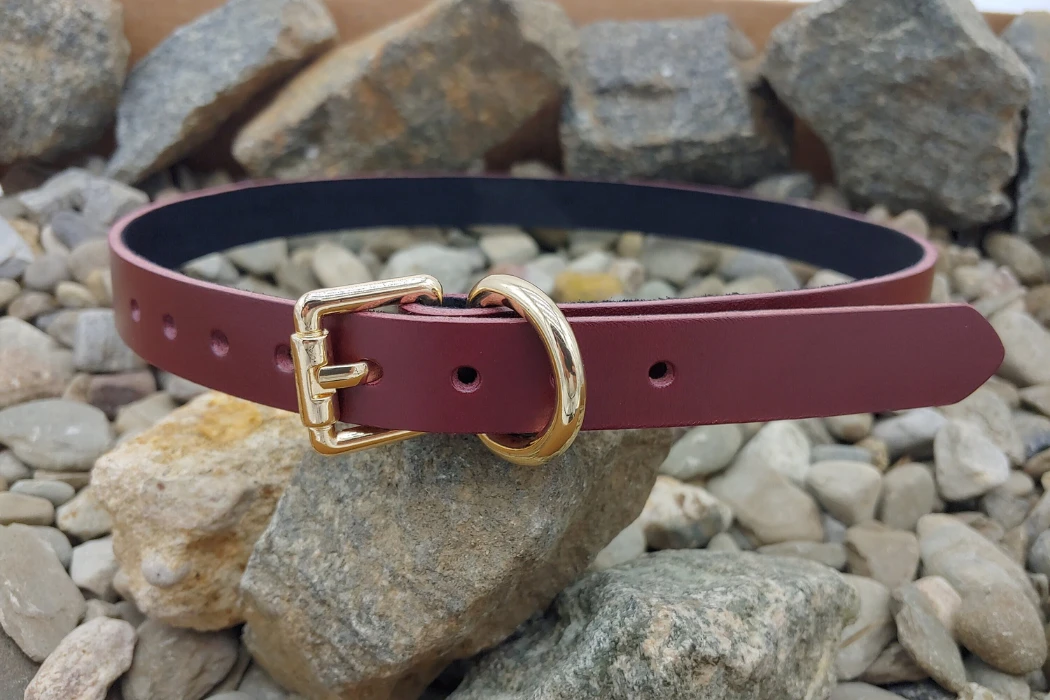
O-Ring and D-Ring Buckles

This style is the essence of casual, effortless cool. Instead of a frame and prong, it uses one or two rings to secure the belt. You simply thread the belt strap through the rings and pull it tight. The tension holds the belt in place. As the names suggest, the rings can be circular (O-rings) or shaped like the letter D (D-rings).
You will most often find this style on fabric or webbing belts. It has a relaxed, bohemian vibe that is perfect for casual outfits like shorts or chinos.
- Pros: It is infinitely adjustable for a perfect fit. It is simple, lightweight, and has a very casual, laid-back look.
- Cons: It is not as secure as a prong buckle. It can loosen over the course of the day. It is considered too informal for business or dress wear.
Snap or Clip-On Buckles
Snap or clip-on buckles are all about convenience and versatility. These buckles are not permanently attached to the belt strap. Instead, they use a mechanism like a clamp or a flip closure. This allows you to easily remove the buckle and swap it with another one. This is a popular feature for reversible belts or for people who like to collect and change their buckles.
The “clip buckle” is a great example. You can have one high-quality leather strap and a whole collection of clip-on buckles to match any outfit or occasion. It’s a smart and cost-effective way to expand your wardrobe.
- Pros: They are extremely convenient. They allow for easy customization. They are perfect for reversible belts.
- Cons: The moving parts of the clamp or flip mechanism can be prone to wear and tear over time.
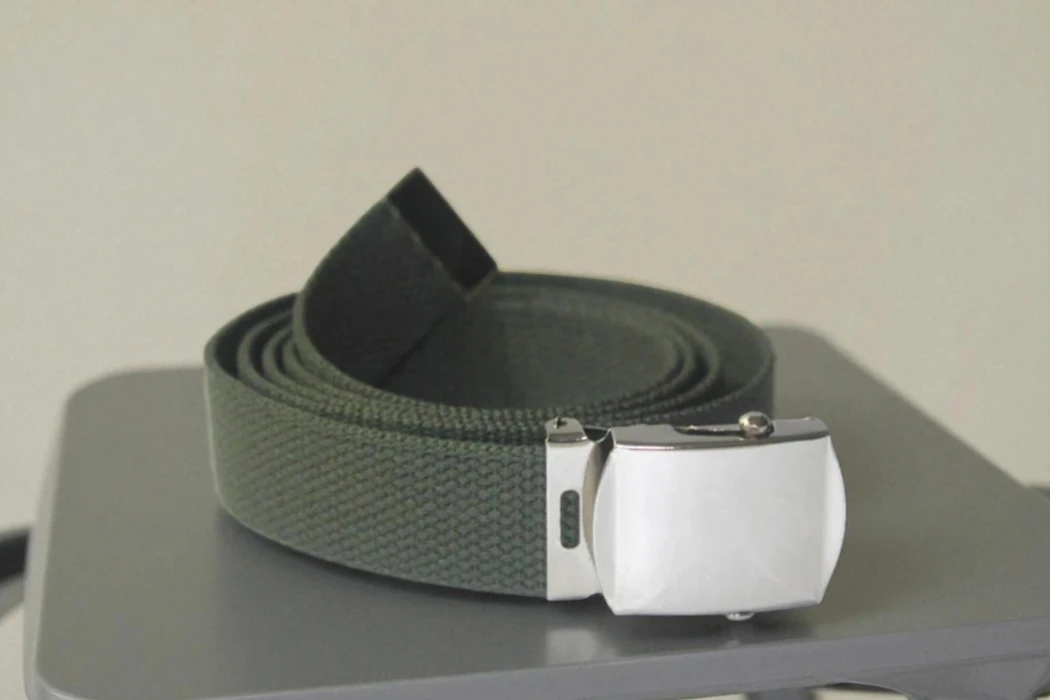
Military Buckles
Military buckles are designed for pure function and durability. They are inspired by the gear worn by soldiers. They often feature a simple, utilitarian design. The most common style is a friction buckle paired with a rugged canvas or web belt. They are usually made from a sturdy metal like brass. Many modern “tactical” belts use this style. They add refined details for everyday carry (EDC) enthusiasts.
These buckles often have a quick-release mechanism. This makes them easy to take on and off. They are a great choice for outdoor activities, workwear, or a rugged, utilitarian look.
- Pros: They are extremely durable and reliable. They are highly practical for outdoor and active use.
- Cons: Their look is very specific and utilitarian. They are not suitable for formal or business settings.
Magnetic Buckles
The magnetic buckle is a modern, innovative design. It offers a sleek and minimalist look. Instead of a prong or a ratchet, it uses powerful magnets to hold the belt in place. This creates a seamless, buckle-less appearance. It is incredibly easy and fast to use. You simply bring the two ends of the belt together, and they snap into place.
This style is perfect for a modern, tech-inspired aesthetic. It works well with both casual and smart-casual outfits. It is a great example of how technology is influencing even the most traditional accessories.
- Pros: It is effortless to use. It has a very clean, modern, and minimalist look.
- Cons: The magnets can sometimes lose their strength over time. They may not be strong enough for a heavy-duty work belt.
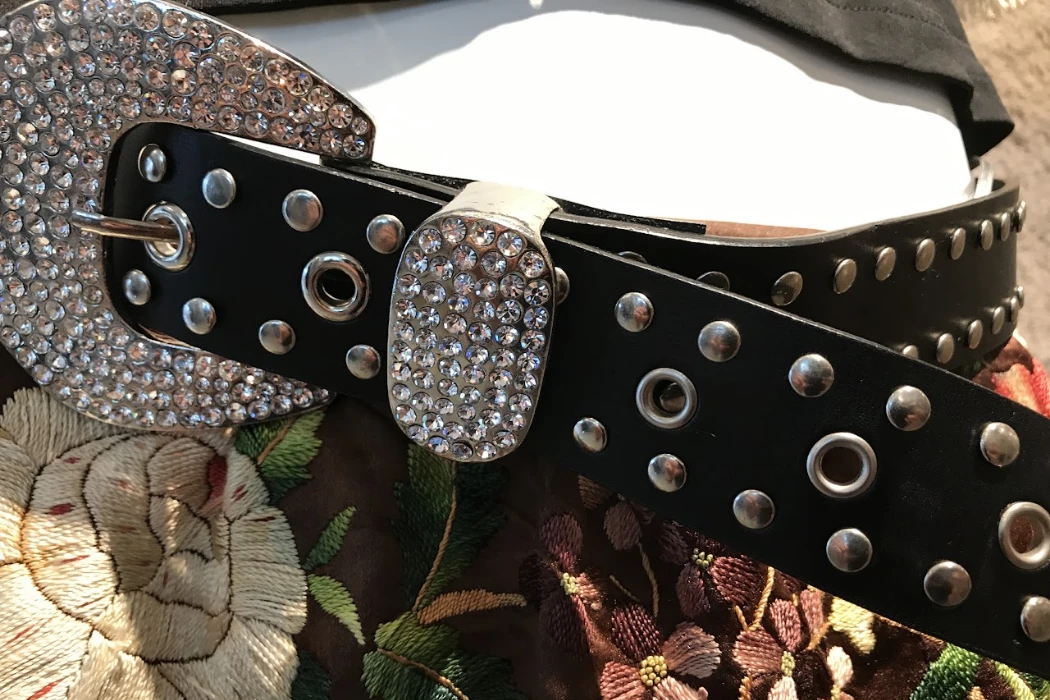
Novelty and Designer Buckles
This category is all about personal expression. Novelty and designer buckles can come in any shape, style, or theme imaginable. They are a fun way to show off your personality. These buckles can feature:
- Branded Logos: From luxury fashion houses to your favorite band.
- Pop Culture Themes: Superheroes, movies, or video games.
- Custom Engravings: A personal message or a unique design.
This category also includes some interesting functional variations. For example, a “swivel buckle” can rotate, making it easier for people with limited dexterity to use. A “self-defense buckle” might have a hidden compartment or tool.
A designer buckle from a brand like Gucci or a custom-engraved piece can turn a simple belt into a true work of art. It’s the ultimate form of personalization.
- Pros: They offer endless possibilities for personalization. They are a great way to express your unique style.
- Cons: They are often more about form than function. Many styles are niche and may not be suitable for everyday wear.
Screw-In and Stitch Closure Buckles
These buckles are defined by how they attach to the belt strap. Instead of a clip or a snap, they are secured permanently. This creates a very clean and durable connection. It is a hallmark of high-quality, handmade leather goods.
The two main types are:
- Screw Closure: The buckle is attached to the belt with one or two small screws. This provides a very secure, industrial look. It also allows the buckle to be changed with a screwdriver if needed.
- Stitch Closure: The belt strap is folded over the buckle bar and then stitched down. This is the most traditional and permanent method. It is a sign of true craftsmanship.
- Pros: These methods are extremely stable and secure. They provide a very clean, high-end look.
- Cons: They are not easily interchangeable. They require more skill and time to attach.
Friction or Slide Buckles
The friction buckle is the essence of simplicity. It has no moving parts and no prong. It is simply a frame with one or more slots. You slide the belt strap through the slots. The tension of the strap pressing against the bar is what holds it in place. This style is most commonly found on casual web or fabric belts. It is also the mechanism used in most military-style buckles.
This design is lightweight and offers a high degree of adjustability. It is a great choice for a casual, active, or utilitarian belt.
- Pros: It is very lightweight and simple. It is highly adjustable. It is perfect for active and outdoor use.
- Cons: It can sometimes slip under heavy strain. It is not suitable for formal wear.
Belt Buckle Styles: A Comparison
| Buckle Type | Functionality | Best For | Pros | Cons |
|---|---|---|---|---|
| Prong/Tongue | Classic pin-in-hole | Formal and Casual | Timeless, reliable | Wears out belt holes |
| Plate | Decorative hook closure | Western/Casual | Expressive, customizable | Heavy, informal |
| Box Frame | Hole-free tension lock | Formal/Business | Sleek, secure, no snags | Bulky, slow to adjust |
| Ratchet | Hole-free track system | Casual/Smart-Casual | Precise fit, easy to use | Can be bulky |
| Roller | Prong with a roller | Heavy-Duty/Casual | Protects leather, durable | Slightly bulky |
| O-Ring/D-Ring | Tension through rings | Casual/Bohemian | Highly adjustable, lightweight | Can slip, very informal |
| Snap/Clip-On | Interchangeable clamp | Reversible/Custom | Versatile, convenient | Moving parts can wear out |
| Military | Friction lock, quick-release | Outdoor/Tactical | Extremely durable, practical | Very informal look |
| Magnetic | Magnetic snap closure | Modern/Minimalist | Effortless, sleek | Can weaken over time |
| Novelty/Designer | Varies (often decorative) | Personal Expression | Highly personalized | Often niche, less functional |
| Screw/Stitch | Permanent attachment | Handmade/Custom | Very secure, clean look | Not interchangeable |
| Friction/Slide | Tension lock | Web/Fabric Belts | Lightweight, adjustable | Can slip under strain |
How to Choose the Right Belt Buckle Style
To choose the right belt buckle, first consider the **occasion**: a simple prong or box frame for formal wear, and a plate or ratchet buckle for casual. Second, ensure the **buckle’s width matches the belt strap**. Finally, choose a style that reflects your **personal taste** and matches your other accessories, like your watch. This balance of function and style is key to a great look.
Consider the Occasion
The first question to ask is: where are you going? The formality of the occasion will be the biggest guide in your choice.
- For Formal Wear (suits, dress pants): Keep it simple and elegant. A classic, polished single-prong buckle or a sleek box frame buckle is the perfect choice.
- For Casual Wear (jeans, chinos): You have much more freedom here. A rugged roller buckle, a modern ratchet buckle, or even a bold plate buckle can all work well.
Match the Buckle to the Belt
A buckle and a belt are a team. They need to work together. The most important rule is to match the width. A 35mm buckle must be paired with a 35mm belt strap. Also, consider the style of the belt. A thick, rugged leather belt will look best with a sturdy brass roller buckle. A lightweight fabric belt is a perfect match for a simple D-ring or military-style friction buckle.
Think About Your Personal Style
Your belt buckle is a small but powerful way to express your personality. Choose a style that feels authentic to you.
If your style is minimalist, a simple, clean frame buckle or a modern magnetic buckle might be the best fit. If you like to make a statement, a large Western plate buckle or a unique designer buckle is a great way to do it. While men’s buckles are often larger and more rugged, and women’s can be more delicate and ornate, many modern styles are unisex. The most important thing is to choose a buckle that you love to wear.
Styling Tips: Pairing Belt Buckles with Outfits
To style a belt buckle, match it to the occasion. Wear a small, polished prong buckle for formal looks. Choose a larger plate or casual ratchet buckle for jeans. A key rule is to coordinate your buckle’s metal with your other accessories, like your watch or jewelry. This creates a cohesive and polished appearance.
Formal Looks
For a business suit or formal attire, subtlety is key. Choose a small, classic prong buckle in a polished metal. Silver is the most versatile choice. Make sure the metal of your buckle matches the other metals in your outfit. For example, if you are wearing a silver watch, your buckle should also be silver.
Casual and Sporty Looks
With casual wear, you can have more fun. A ratchet or magnetic buckle is a great modern choice for activewear or tech-inspired outfits. For a classic jeans and t-shirt look, a sturdy roller buckle in brass adds a touch of rugged, vintage style. This is also where you can experiment with larger, more decorative plate buckles to add a personal touch.
Western and Bohemian Styles
These styles have their own distinct buckle rules. A classic Western look almost requires a large, engraved plate buckle, often in silver with turquoise accents. Pair it with denim and cowboy boots. For a more bohemian or relaxed vibe, an O-ring or D-ring buckle on a fabric belt is the perfect choice to pair with linen trousers or a summer dress.
Do’s and Don’ts
The golden rule of styling is to match your metals. If you are wearing a silver watch, choose a silver buckle. If your jewelry is gold, your buckle should be gold.
Here are a few other simple tips:
- Do: Match the size of your buckle to your body frame. A smaller person should generally avoid a very large, oversized buckle.
- Don’t: Wear a large, flashy, or novelty buckle in a professional or formal setting.
- Do: Coordinate the style of your buckle with the formality of your shoes.
Current Trends and Innovations in Belt Buckle Styles
The future of belt buckles is focused on innovation and inclusivity. Key trends for 2025 include **smart buckles** with integrated tech, like fitness trackers. **Sustainable materials**, such as recycled metals and bio-plastics, are also on the rise. We are also seeing a move towards **customizable, 3D-printed designs** and more inclusive, unisex, and adaptive styles for greater accessibility.
Emerging Styles
The world of belt buckles is always evolving. A few exciting trends are shaping its future.
- Smart Buckles: Technology is coming to our waists. Smart buckles with built-in fitness trackers or other tech are an emerging trend.
- Sustainable Materials: As consumers become more eco-conscious, brands are developing buckles made from recycled metals and innovative bio-materials.
- 3D-Printed Designs: This technology allows for incredible customization. It lets consumers create truly one-of-a-kind, personalized buckles.
Cultural Shifts
Inclusivity is the biggest cultural shift in fashion. This is leading to more unisex designs and a focus on adaptive buckles that are easier for people with limited dexterity to use.
The minimalist trend also remains very strong. Clean, simple, and reversible buckles that offer versatility and a timeless look are a key prediction for 2025.
Care and Maintenance of Belt Buckles
Proper care is essential to keep your belt buckle looking its best. For metal buckles like **brass or silver**, use a quality metal polish to remove tarnish. For **stainless steel and plated alloys**, a simple wipe with a damp cloth is usually enough. Always store your buckles in a dry place, preferably in a protective case or cloth bag, to prevent scratches and moisture damage.
Cleaning Methods
The right way to clean your buckle depends on its material.
- For Solid Metals (Brass, Silver): These materials can tarnish over time. Use a high-quality metal polish and a soft cloth to gently rub away the tarnish and restore the shine.
- For Plated Metals (Zinc Alloy): Be very gentle. Use a soft, damp cloth to wipe away dirt. Avoid harsh polishes, as they can strip away the thin metal plating.
- For Plastics: A simple wipe with a mild soap and water solution is all that’s needed.
Storage and Longevity
How you store your buckles can make a big difference. Moisture is the enemy of most metals, so always store your belts in a cool, dry place. To prevent scratches, it’s a good idea to keep them in a cloth bag or a dedicated belt organizer. For buckles with moving parts, like a ratchet or roller buckle, a small drop of machine oil once a year can keep the mechanism working smoothly.
Common Issues
The most common issue with metal buckles is tarnishing. For plated buckles, the biggest problem is the plating wearing off. Regular, gentle cleaning is the best way to prevent both of these issues.
If a screw on a screw-in buckle becomes loose, a tiny drop of a thread-locking adhesive can secure it. For major issues, like a broken prong, it’s best to seek the help of a professional cobbler or leather repair shop.
Common Myths and Mistakes About Belt Buckles
Common myths about belt buckles include the idea that a **higher price always means better quality** (material and craftsmanship matter more) and that **one style fits all occasions**. Key mistakes to avoid are **mismatched sizing** between the buckle and the belt strap, ignoring potential **metal allergies**, and neglecting proper maintenance, which can lead to tarnishing and damage.
Debunking Common Myths
There are a few common misconceptions about belt buckles that can lead to bad purchases.
- Myth: A Higher Price Always Means Better Quality. While expensive buckles are often well-made, the price can also be due to a designer name. A simple, solid brass buckle from a heritage brand may be much higher quality than a flashy, plated designer buckle.
- Myth: One Style Fits All Occasions. A large, decorative Western buckle is not appropriate for a business suit. It is important to match the style of your buckle to the formality of your outfit.
Mistakes to Avoid
A few simple mistakes can ruin the look and function of a belt.
- Mismatched Sizing: The most common error is buying a buckle that is the wrong width for the belt strap.
- Ignoring Allergies: Many cheaper buckles contain nickel, which can cause an allergic reaction. If you have sensitive skin, always opt for a hypoallergenic material like stainless steel.
- Poor Maintenance: Neglecting to clean your buckle can lead to permanent tarnishing and damage.
The best way to avoid these mistakes is to be an educated consumer. By understanding the different styles, materials, and how to properly care for them, you can make a smart investment that will last for years.
Frequently Asked Questions (FAQs)
Common questions about belt buckles focus on types, styles, and materials. The most common style is the classic **prong or pin buckle**. The best material depends on your needs; **solid brass** is durable and classic, while **stainless steel** is modern and hypoallergenic. When choosing a buckle, always match its width to your belt strap and its style to the occasion.
What are the different types of belt buckles?
The main types include the classic prong buckle, the modern ratchet buckle, the decorative Western plate buckle, and the casual D-ring buckle. Each has a different look and function.
What is the most common belt buckle style?
The most common style is the single-prong frame buckle. It is a timeless, versatile, and reliable design that is used for both formal and casual belts.
What materials are best for belt buckles?
For durability, solid brass and stainless steel are the best choices. For affordability and intricate designs, zinc alloy is the most common. The “best” material depends on your budget and needs.
How do I style a Western belt buckle?
A Western buckle is a statement piece. It looks best with casual outfits, such as jeans, a simple shirt, and cowboy boots. It is generally too informal for business or dress wear.
Is there a difference between men’s and women’s buckles?
Traditionally, men’s buckles are larger and more utilitarian, while women’s buckles can be smaller, more ornate, and more decorative. However, many modern styles are unisex.
How do you clean a tarnished buckle?
For a solid brass or silver buckle, you can use a quality metal polish and a soft cloth. For plated buckles, be very gentle and use only a damp cloth to avoid stripping the finish.
Conclusion
The belt buckle is far more than just a simple fastener. It is a piece of history, a feat of engineering, and a powerful form of personal expression. From the timeless elegance of a classic prong buckle to the modern convenience of a ratchet system, there is a style to suit every need and every personality. By understanding the different types, materials, and styling rules, you can move beyond simply holding up your pants and start using your belt buckle as a key part of your personal brand.
Choosing the right buckle is about making an informed decision. It’s about investing in quality materials that will last and selecting a style that truly reflects who you are. At Hoplok Leather, we believe in the power of these details. With over 22 years of experience in crafting custom leather goods, we understand that the perfect buckle is the finishing touch that elevates a good belt into a great one. We invite you to explore the world of possibilities and discover how the right buckle can complete your look.
Find the Perfect Buckle for Your Custom Belt
Ready to create a belt that is a true reflection of your brand’s style and commitment to quality? At Hoplok Leather, we specialize in sourcing and crafting custom belts with a wide range of high-quality buckle styles and materials. Partner with us to bring your unique vision to life.