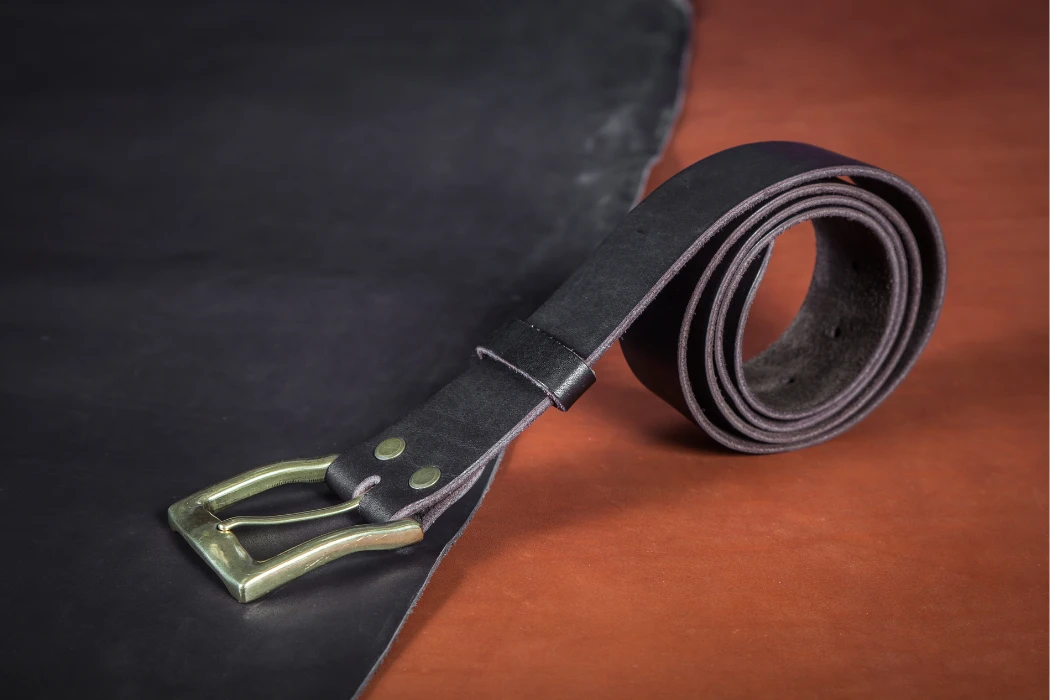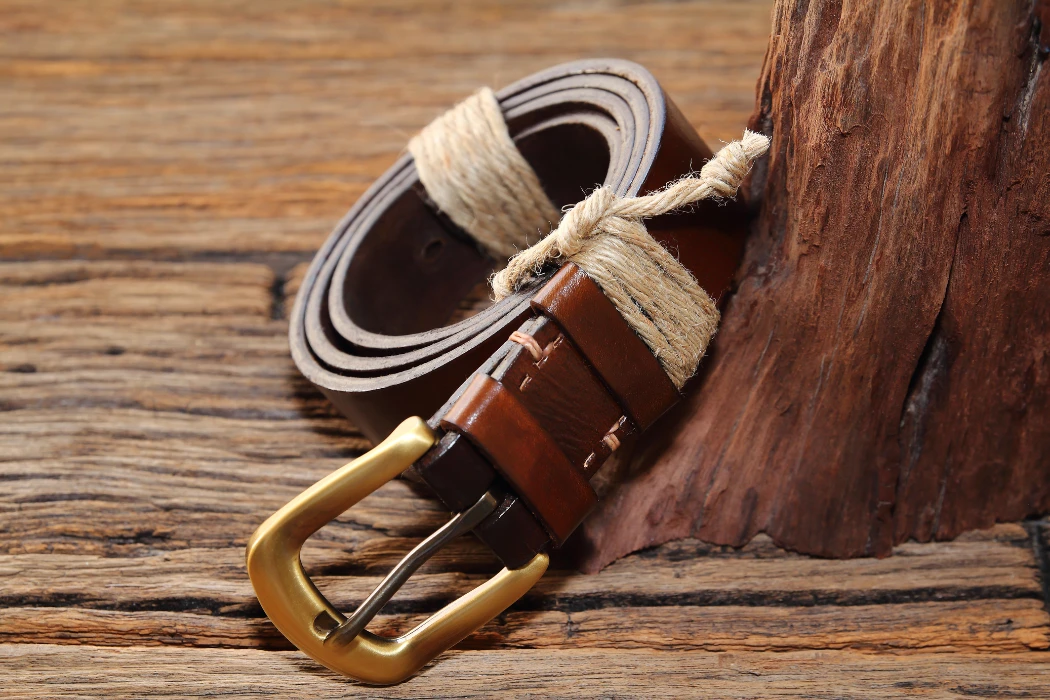
A high-quality full-grain leather bag typically lasts between 15 to 30 years, and often a lifetime with proper care. Its longevity is strictly dictated by the leather grade: Full-Grain is the most durable (20+ years), followed by Top-Grain (10-15 years). In contrast, lower-grade “Genuine” or Bonded leather bags usually crack or peel within just 2 to 5 years due to their weak structural integrity. You can significantly extend the life of any leather bag by cleaning and conditioning it every 3-6 months.
Have you ever wondered why your grandfather’s briefcase looks better today than the “genuine leather” messenger bag you bought just two years ago? It isn’t just nostalgia; it is material science. One was built as an asset designed to age; the other was built as an expense designed to be replaced.
This guide digs into the manufacturing reality behind these differences. We will reveal the four critical factors that determine a bag’s lifespan—leather grade, hardware quality, tanning method, and maintenance—and teach you how to calculate the “Cost Per Wear” to ensure your next purchase is an investment, not a mistake.
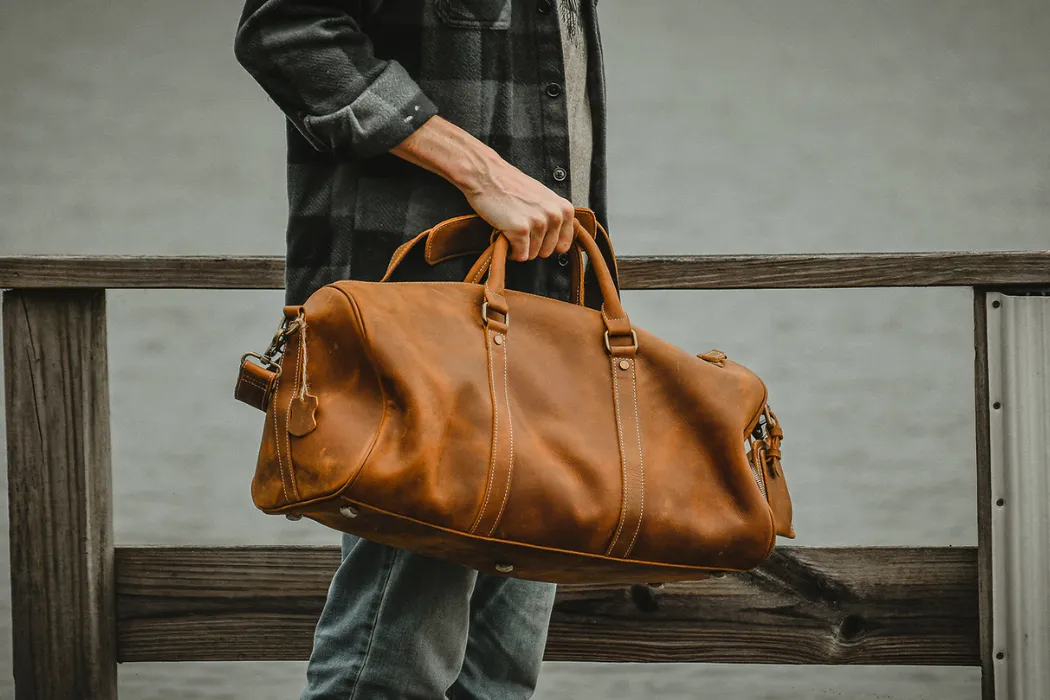
Which Leather Grade Lasts the Longest?
Leather grade is the number one determinant of a bag’s lifespan. Full-Grain leather retains the hide’s strongest outer fibers, offering maximum tear strength and a lifespan of 20+ years. Top-Grain is sanded for uniformity, typically lasting 10-15 years before showing wear. In contrast, “Genuine” (Split) and Bonded leather rely on glues and surface coatings for structure, typically suffering catastrophic structural failure (peeling or cracking) within just 3-5 years.
Full-Grain Leather: The 20-Year Standard
Full-Grain leather is the unadulterated top layer of the hide. It lasts so long because the vertical collagen fibers are tightest and most dense at the surface. This natural “interlocking mesh” gives the leather immense tensile strength.
A handle made of full-grain leather can support repeated loads of 20-30 lbs without stretching or tearing at the stitch holes. Instead of wearing out, the surface absorbs oils and sunlight, developing a protective patina that actually toughens the skin over decades.
Top-Grain Leather: The 10-Year Compromise
Top-Grain is the second-highest quality. To create a uniform, flawless finish, the top 0.5mm – 1.0mm of the hide is sanded away. While this removes scars and insect bites, it also removes the very toughest fibers.
The result is a leather that is softer and more stain-resistant (due to added coatings) but structurally weaker. A Top-Grain bag will look pristine for a decade, but eventually, the sanded surface may begin to crack under heavy flexion, unlike Full-Grain which just wrinkles naturally.
Genuine and Bonded Leather: The 3-Year Limit
These grades are the primary reason bags end up in landfills. “Genuine Leather” is made from the loose, fibrous bottom layer (the split), which is painted to look like skin. Bonded leather is essentially dust and glue.
Manufacturer’s Insight (Hoplok): At our ProPelli tannery, we refuse to use bonded leather for any load-bearing component (like handles or straps). We know from testing that the polyurethane binders used in bonded leather degrade and become brittle within 18 months. A bag strap made of this material isn’t just cheap; it’s a ticking time bomb for structural failure.
Estimated Lifespan by Leather Grade
Use this table to set realistic expectations for your purchase.
| Leather Grade | Avg. Lifespan | Failure Mode | Best Use Case |
|---|---|---|---|
| Full-Grain | 20+ Years | Stitching failure (repairable) | Daily Commute, Travel, Heritage |
| Top-Grain | 10 – 15 Years | Surface cracking | Luxury Fashion, Evening Wear |
| Genuine/Split | 3 – 5 Years | Peeling coating | Budget Fashion, Seasonal |
| Bonded | 1 – 2 Years | Delamination / Snapping | Promotional Items (Avoid) |
How Do Hardware and Stitching Impact the Bag’s Lifespan?
A leather bag’s lifespan is often determined by its weakest link—usually the zippers, buckles, or stitching—rather than the leather itself. Even if the hide lasts 100 years, a bag becomes useless if its zinc alloy clips snap after just 2 years. To match the longevity of full-grain leather, you must look for solid brass or stainless steel hardware and seams sewn with bonded nylon thread, which resists rot and tension far better than cheap cotton.
The Zipper Test: YKK vs. Generic
Zipper failure is the single most common reason consumers discard a bag. The engineering difference between a branded zipper and a generic one is massive.
- Generic Zippers: Often made of cheap plastic or weak coiled metal. They tend to misalign, jam, or separate after 500-1,000 cycles.
- YKK Zippers: The industry standard for durability. A heavy-duty YKK Excella or #8 / #10 Brass zipper is rated for over 10,000 cycles. It self-lubricates with use and resists breaking teeth under pressure. If a bag manufacturer saves $2 by using a generic zipper, they are reducing the bag’s life by years.
Stitching Strength: Why Cotton Thread Rots
The thread holding the bag together is under constant stress. Material choice here is critical.
- Cotton Thread: Used in cheap manufacturing because it is inexpensive. However, cotton is organic; it absorbs moisture, swells, and eventually rots or frays due to friction, often failing within 3-5 years.
- Bonded Nylon / Polyester: This is the professional standard. Bonded nylon (specifically size #69 or #138) has immense tensile strength. It is rot-proof, UV-resistant, and heat-resistant. A seam sewn with bonded nylon will typically outlast the leather itself.
Hardware Material: Zinc vs. Brass
Hardware is the structural skeleton of the bag. You can test the quality by the weight and temperature.
- Zinc Alloy (Pot Metal): Used in 90% of mass-market bags. It is light, cheap to cast, and brittle. Under the stress of a heavy load, the loop of a zinc D-ring can snap suddenly. Average lifespan: 2-5 years.
- Solid Brass / Stainless Steel: Used in heritage goods. These metals are dense and heavy. Crucially, they are malleable rather than brittle; under extreme stress, brass will bend before it breaks, giving you a warning. Average lifespan: 50+ years.
Does the Tanning Process Affect How Long a Bag Lasts?
Yes, the tanning method fundamentally dictates how the leather ages and reacts to stress. Vegetable-Tanned leather is thicker, stiffer, and structurally rigid, making it the longest-lasting choice for hard-sided bags that need to hold their shape for 30+ years. Chrome-Tanned leather is softer, more flexible, and heat-resistant, which prevents cracking in softer, unstructured bags. Oil-Tanned leather offers a unique “self-healing” durability ideal for wet climates.
Vegetable Tanning: Aging with Character
Vegetable tanning uses natural tannins from tree bark (like Oak or Mimosa) to preserve the hide. This process takes 4-6 weeks and leaves the leather fibers thick and dense.
- The “Patina” Shield: As veg-tan leather ages, it absorbs sunlight and body oils. This doesn’t just change the color; it creates a glossy, hardened surface layer called patina. This layer acts as a natural shield, sealing the fibers against dirt and moisture, effectively increasing the bag’s durability over time.
- Structure: Because it is stiff, it doesn’t sag. A veg-tan briefcase will stand upright on a desk just as well in year 20 as it did in year 1.
Chrome Tanning: Durability Through Flexibility
Chrome tanning uses mineral salts and accounts for 90% of global leather. It is a fast process (1-2 days) that results in a softer feel.
- Elasticity: Chrome-tanned fibers are looser and more flexible. This makes the leather excellent for bags that need to be stuffed, folded, or flexed daily without developing stress cracks.
- Element Resistance: Chrome-tan is naturally more resistant to heat and water spots than veg-tan. It won’t stain as easily if you get caught in the rain, maintaining its original look for longer without intense maintenance.
Oil Tanned & Waxed Leather: The Weatherproof Option
For rugged durability (think saddlebags or messenger bags), Oil-Tanned or “Pull-Up” leather is king. During tanning, the hide is impregnated with heavy oils and waxes.
- Hydrophobic: The high oil content repels water and mud, protecting the fibers from rot.
- Self-Healing: If you scratch this leather, you can simply rub it with your thumb. The friction heat redistributes the oils, filling in the scratch and making it disappear. This makes it the most “low maintenance” option for a lifetime bag.
What Is the True Cost Per Wear of a Leather Bag?
Calculating “Cost Per Wear” (CPW) is the only real measure of value for a handbag. A $500 full-grain bag used for 20 years (approx. 7,300 days) costs just $0.06 per day. In contrast, a $100 faux leather bag that peels after 2 years costs roughly $0.13 per day. High-quality leather is mathematically cheaper in the long run, while cheap bags trap you in a cycle of constant replacement, costing you more money for a consistently inferior product.
The “Fast Fashion” Math vs. The “Heirloom” Math
When you buy a cheap bag, you are paying for a disposable item. When you buy full-grain leather, you are amortizing an asset.
- The Disposable Cycle: A typical department store bag made of “Genuine Leather” or PU costs around $80-$120. Because the straps fail or the surface peels, the average consumer replaces this bag every 18-24 months. Over a decade, that is 5 bags and $500+ spent, with nothing to show for it but waste.
- The Heirloom Investment: A $400 full-grain bag hurts the wallet once. But because it lasts 15-20 years, you stop shopping. In that same decade, you spent $0 on replacements. You saved money, and your bag looks better now than when you bought it.
Resale Value: The Hidden Asset
There is another financial factor: Residual Value. Faux leather and bonded leather bags have a resale value of zero; they are trash once worn.
High-quality leather bags retain value. A well-cared-for vintage Coach (from the full-grain era) or a branded full-grain tote can often be resold for 30-50% of its original price on platforms like eBay or Poshmark. This effectively lowers your total cost of ownership even further. You aren’t just using the bag; you are “renting” it for a very low fee before passing it on.
Cost Per Wear Analysis (10-Year Period)
Use this table to see the real financial impact of your leather choice over a decade.
| Bag Type | Initial Price | Lifespan | Replacements (10 Yrs) | Total 10-Year Cost |
|---|---|---|---|---|
| Luxury Full-Grain | $450 | 20+ Years | 0 | $450 |
| Mid-Range Top-Grain | $250 | 8 – 10 Years | 1 | $500 |
| Budget “Genuine” | $100 | 2 – 3 Years | 4 | $500 |
| Faux Leather (PU) | $80 | 1.5 – 2 Years | 5 – 6 | $480 – $560 |
Can You Extend the Life of a Leather Bag with Maintenance?
Yes, proper maintenance can extend the lifespan of a leather bag by 50% to 100%. Leather is organic skin; without hydration, the collagen fibers shrink and snap. A strict regimen of cleaning and conditioning every 3-6 months replenishes the essential fats (fatliquors) that evaporate over time, preventing the dry-rot that kills neglected bags. Furthermore, proper storage away from direct UV sunlight and in a breathable dust bag is critical to preventing color fading and mold growth.
The Routine: Clean, Condition, Protect
You don’t need a complex kit, just consistency. Treat your bag like you treat your face: wash it and moisturize it.
- Clean (Monthly): Wipe away surface dust and dirt with a slightly damp microfiber cloth. For heavy soil, use a pH-balanced Saddle Soap. Never use harsh detergents or baby wipes, which can strip the dye.
- Condition (Quarterly): This is the anti-aging secret. Apply a high-quality leather cream (containing mink oil or neatsfoot oil) to keep the fibers flexible. If the leather feels dry or looks light in color, it is thirsty.
- Protect (Annually): Apply a beeswax-based or hydrophobic spray to create a barrier against rain and spills. This is especially important for porous Aniline or Nubuck leathers.
Storage Mistakes That Kill Leather
How you store the bag when you aren’t using it is just as important as how you wear it. Avoid these common errors:
- Plastic Bags: Never store leather in a sealed plastic bag. It traps humidity and causes mildew. Always use a breathable cotton dust bag.
- Hanging by Handles: Never leave a heavy bag hanging on a hook for months. Gravity will stretch the handles and distort the shape of the bag permanently. Store it sitting upright on a shelf.
- Empty Storage: An empty bag will collapse and develop permanent creases. Stuff it with acid-free tissue paper or bubble wrap to maintain its structure.
Maintenance Schedule Checklist
Use this schedule to maximize your Return on Investment (ROI).
| Action | Frequency | Purpose |
|---|---|---|
| Wipe Down | Weekly | Removes abrasive dust and surface oils. |
| Deep Condition | Every 3 – 6 Months | Replenishes oils to prevent cracking. |
| Waterproof Spray | Every 6 – 12 Months | Prevents water spotting and stains. |
| Professional Check-up | Every 2 – 3 Years | Restitching handles or replacing zippers. |
Conclusion: Durability is a Design Choice
The lifespan of a leather bag is not a matter of luck; it is a matter of physics. It is the predictable result of three specific choices: the Leather Grade (Full-Grain vs. Bonded), the Hardware Quality (Solid Brass vs. Zinc Alloy), and the user’s commitment to Maintenance. A bag built with intent can outlive its owner, while a bag built strictly for a low price point is destined for the landfill within a few years.
For fashion brands, this distinction defines your business model. Choosing the right materials is the single best investment you can make to reduce return rates and build generational brand loyalty. When a customer pulls your bag out of the closet in 10 years and it looks better than the day they bought it, you haven’t just made a sale; you’ve built a legacy.
Hoplok Leather is the manufacturing partner for brands that choose longevity. With total supply chain control—from selecting the densest hides at our ProPelli tannery to engineering reinforced stress points on the factory floor—we build products that keep their promise. Contact Hoplok Leather today to start designing your next collection of heirloom-quality leather goods.