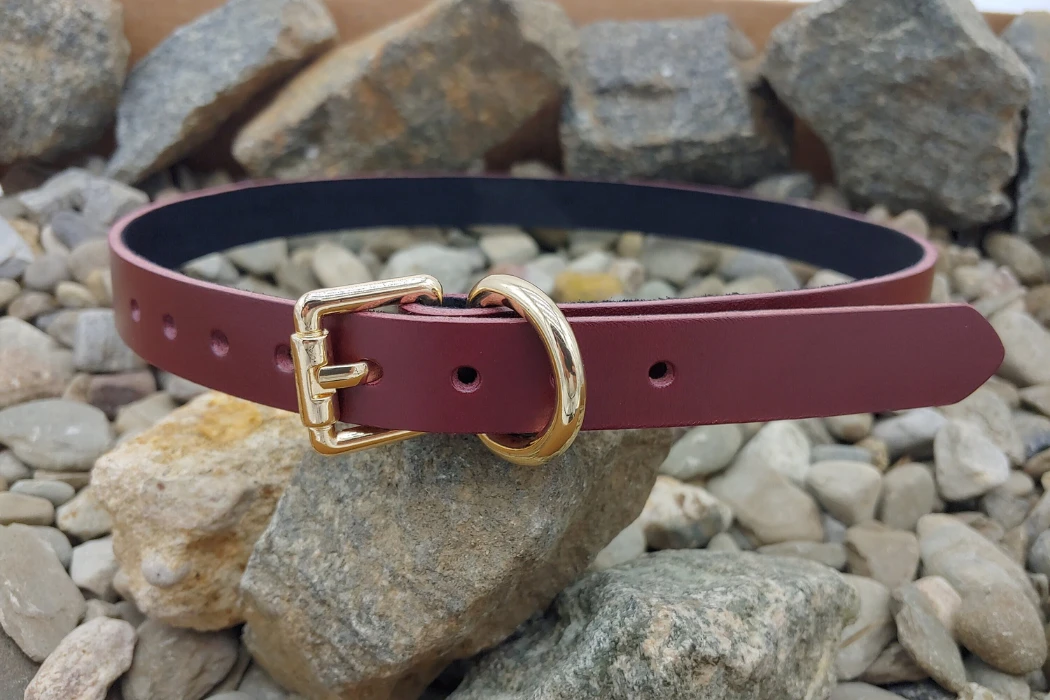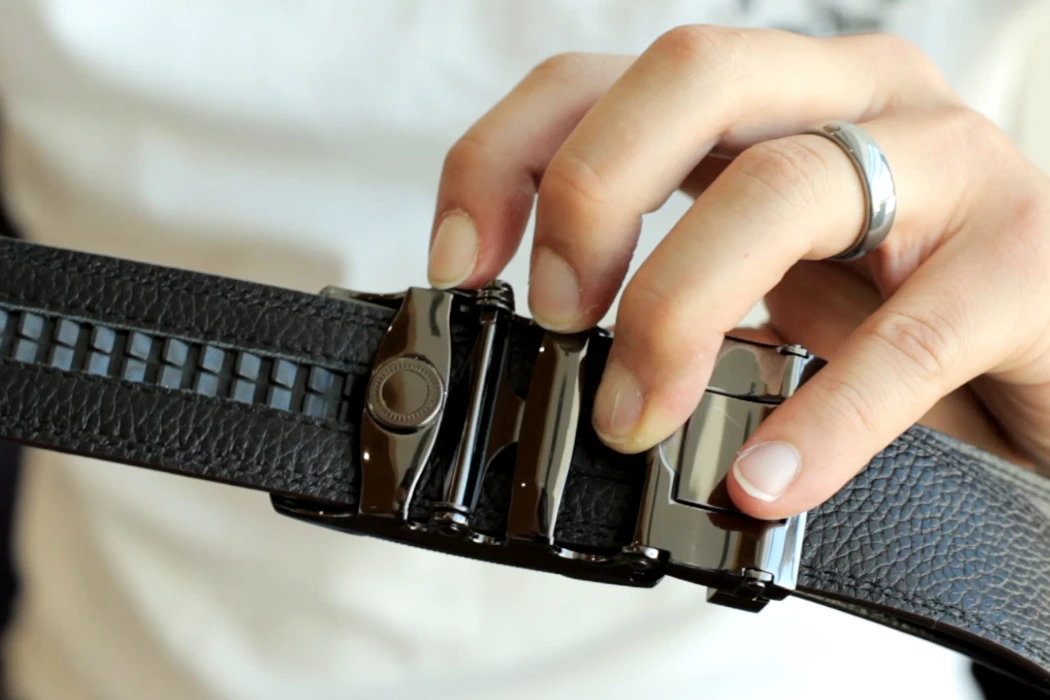
Some light pressure marks on leather goods may improve when the item is supported in its intended shape, but deep creases, natural grain and damaged finishes are different conditions. Do not begin by ironing, steaming or soaking a bag or belt. Check what has changed and whether the material or construction is damaged before attempting restoration.
For a brand, the useful question is both how to handle a wrinkled returned item and how to prevent the same complaint in the next shipment. The answer needs a material reference, an approved appearance standard and a packing check.
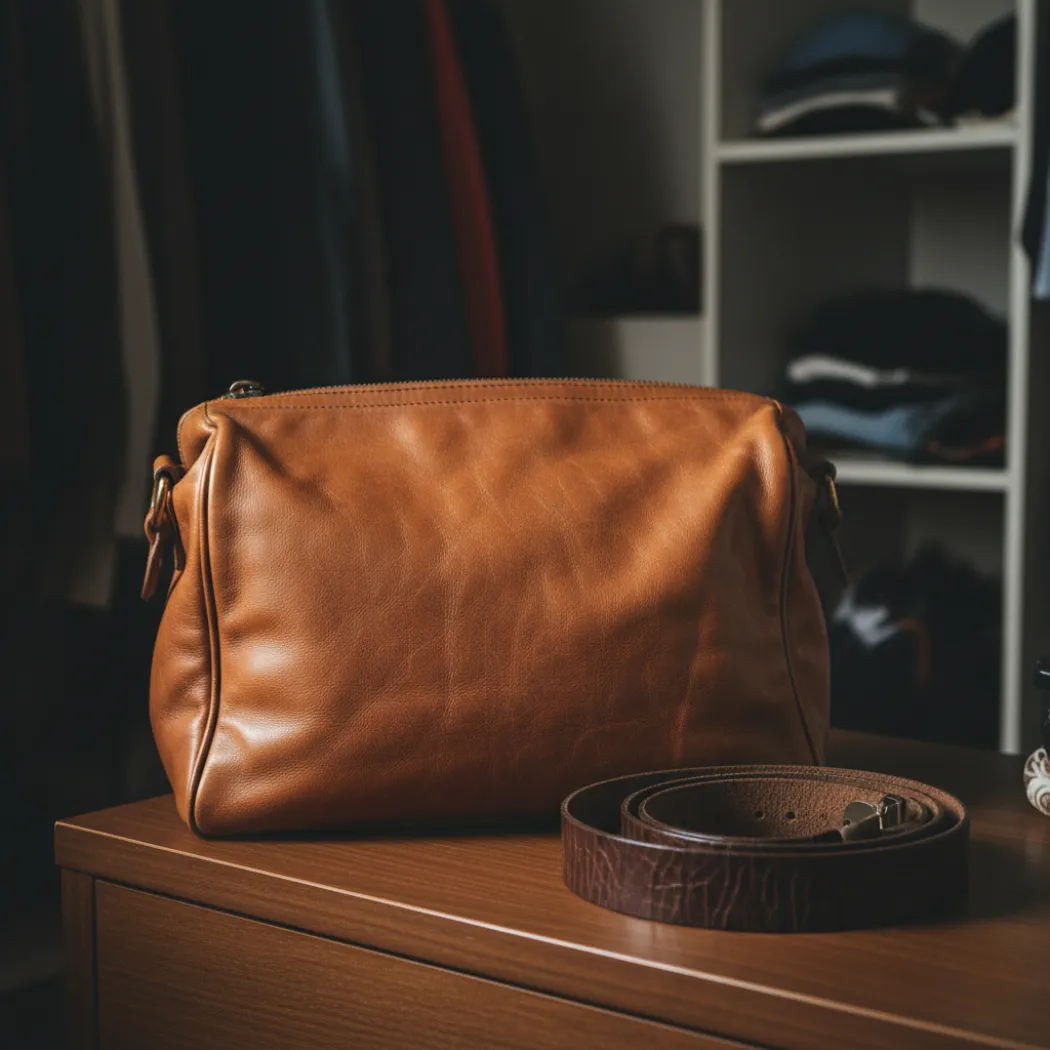
Identify the mark before choosing a treatment
| Observed condition | What to check | Appropriate next step |
|---|---|---|
| Fine folds visible on an approved new sample | Whether the material was selected for a natural or relaxed appearance | Compare against the approved appearance reference |
| A local line matching a shipping fold | Packing orientation, pressure and duration | Remove pressure, support the intended shape and assess recovery |
| A sharp crease with whitening, cracking or peeling | Surface coating and underlying construction | Stop manipulation and request supplier assessment |
| Puckering beside a seam | Panel alignment, stitch tension and reinforcement | Treat as a construction question, not a household care issue |
| A bag collapsed while empty | Intended soft structure versus advertised shape | Check it with the approved contents and support |
“Full grain” does not mean wrinkle-free. A smooth photograph does not prove that a soft bag should remain rigid in use. Set expectations using the actual sample, including its appearance when empty and normally filled.
A cautious response to a recently compressed bag
- Photograph the condition before handling it, including the packing that pressed against the mark.
- Empty the bag and check the lining, seams and hardware for damage.
- Place it on a clean support and add enough clean, non-marking stuffing to hold the intended shape without forcing the seams outward.
- Keep chains, buckles and handles from pressing into the affected panel. Leave the article at ordinary room conditions away from heat, direct sunlight and extra moisture.
- Reassess its appearance against the approved sample. If the crease remains or the surface changes, ask the supplier or a leather restoration specialist to evaluate it.
This approach removes continued compression; it does not guarantee wrinkle removal or specify a fixed recovery time. Overfilling a wallet or bag to push out a line can stretch pockets and seams and create another defect.
Belts and straps need a different support
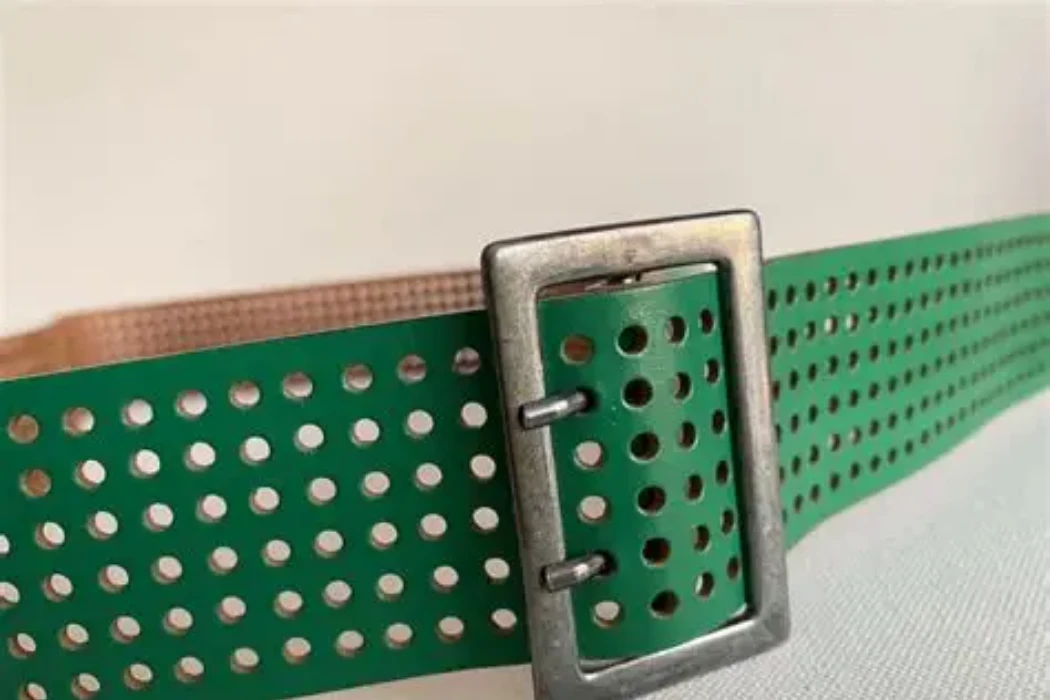
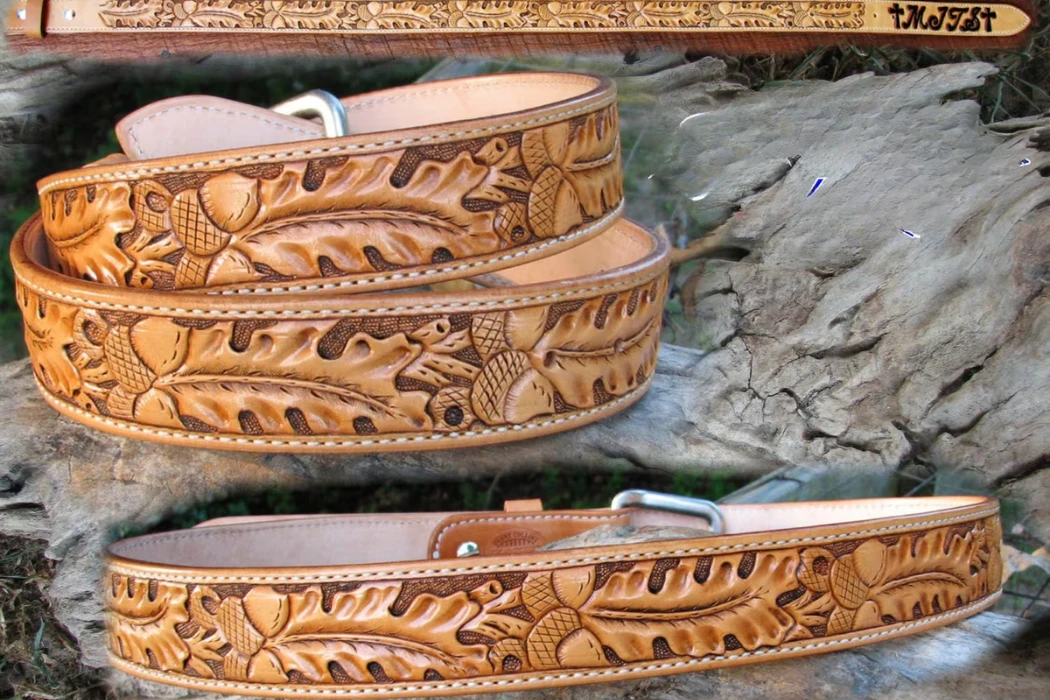
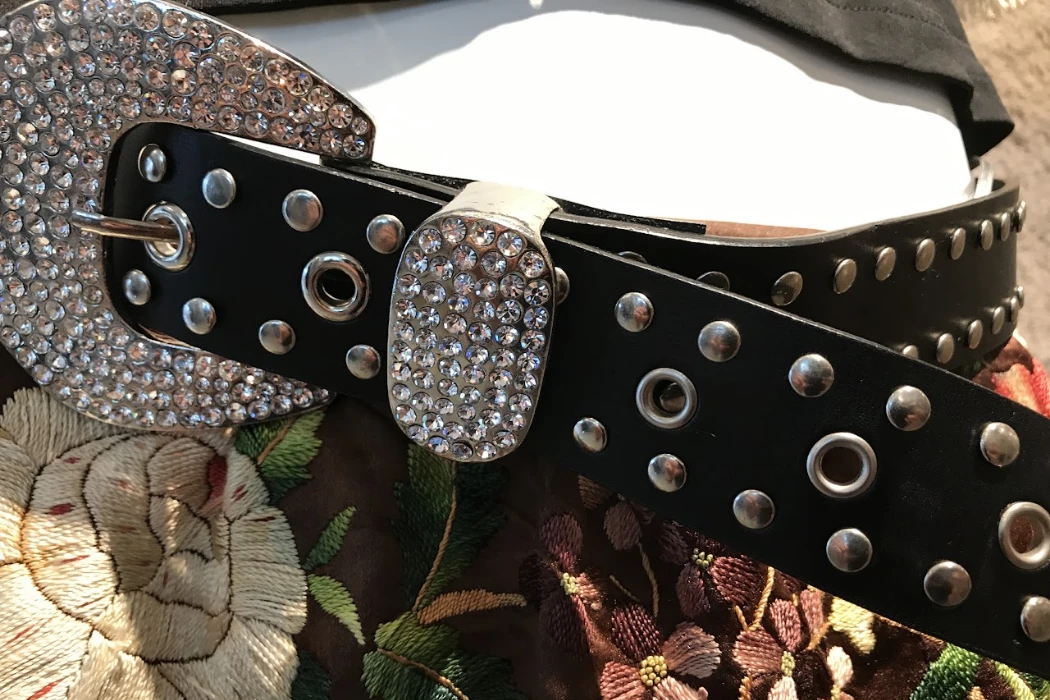
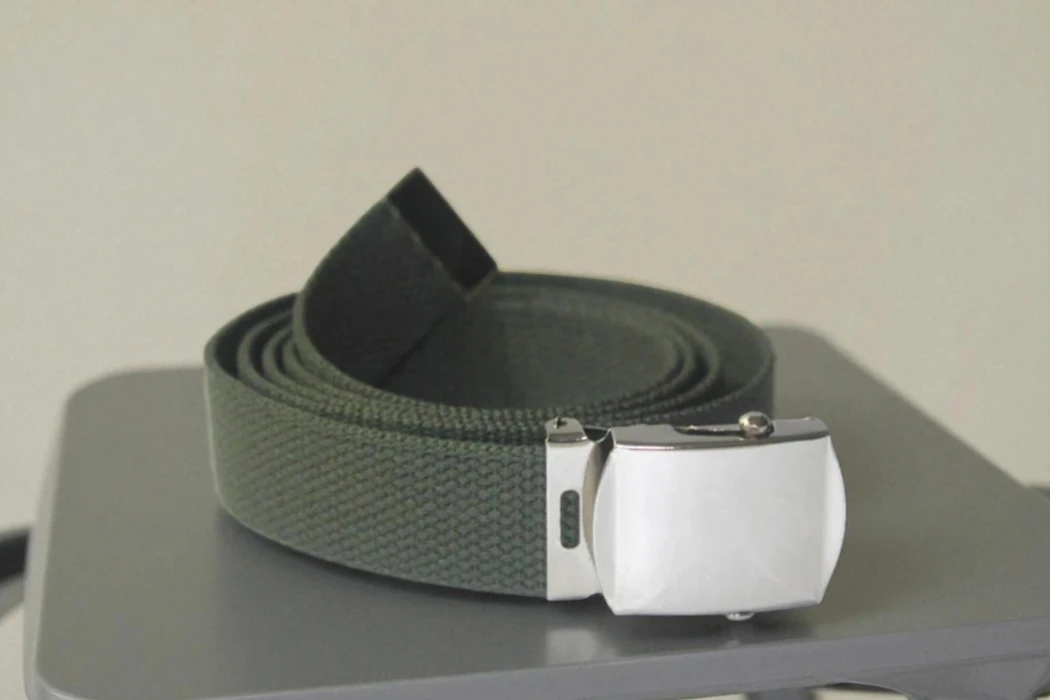
Remove tight bands and packaging that impose a sharp bend. Support the strap without weights or force, using a storage arrangement appropriate to its buckle and construction. Inspect the grain, edge coating and lining before bending the area again. Avoid pulling the strap over a table edge or reverse-rolling it tightly.
See the belt storage and packaging guide for comparing hangers, flat support and loose coils. The shape of a used belt is not necessarily a manufacturing defect; the assessment should consider the agreed condition at delivery.
Why heat and steam are poor general instructions
A finished article may contain coatings, adhesives, padding, edge paint and metal components that respond differently to heat or moisture. A clothing iron’s “low” setting is not a validated treatment for that combination. A towel between the iron and the leather does not establish a controlled surface temperature.
Hermès advises protecting its leather from intense heat and light. This brand-specific advice illustrates why a universal bathroom-steam or hairdryer remedy is inappropriate. It does not mean another brand’s material should follow every Hermès care direction.
Conditioning is also not a guaranteed crease remover. Use a treatment only when the product’s material supplier approves it, after a concealed-area test. A cream cannot reverse a split coating, loose stitch or damaged reinforcement.
What changes for suede, PU and decorative finishes?
Suede or nubuck may show a change in nap as well as a crease. Do not apply smooth-leather cream or steam as a default remedy. PU, patent, metallic and printed surfaces need their own care limits; a coating can change gloss or separate even when the underlying panel appears intact. If the material is unidentified, get its specification before recommending treatment.
Prevent recurrence before the next production run
- Approve the intended grain and natural variation with marked sample photographs.
- Check panel orientation and seam appearance on a fully assembled product.
- Include the actual protective fillers, straps and hardware covers in packing trials.
- Photograph samples before packing and after the agreed handling or storage trial.
- Define which appearance changes are acceptable and which require correction.
- Recheck the packing when the leather thickness, reinforcement, size or box dimensions change.
Do not approve an item after hiding a packing crease with an undocumented treatment. The receiving customer needs the same acceptable product condition without a workshop restoration step.
Information to send with a crease complaint
Supply the style and batch, material and finish reference, close and overall photographs, receipt date, packing condition and any prior cleaning or heating. Note whether the mark appears on every piece, only a particular carton or only one panel. This gives the supplier a basis for investigating the cause.
For a new Hoplok bag range, include shape retention and packing appearance in the quality-control brief. Contact the team with the sample through the contact page.
Frequently asked questions
Can every leather wrinkle be removed?
No. Natural grain, deep creases, finish damage and seam puckering need different assessments. Some changes will remain.
Should I iron a leather handbag through a towel?
Do not use that as a general home-care method. The finished materials and temperature have not been validated by placing a towel over the surface.
Will more stuffing remove a crease faster?
Not necessarily. Support the intended shape without forcing the seams or stretching the pockets.