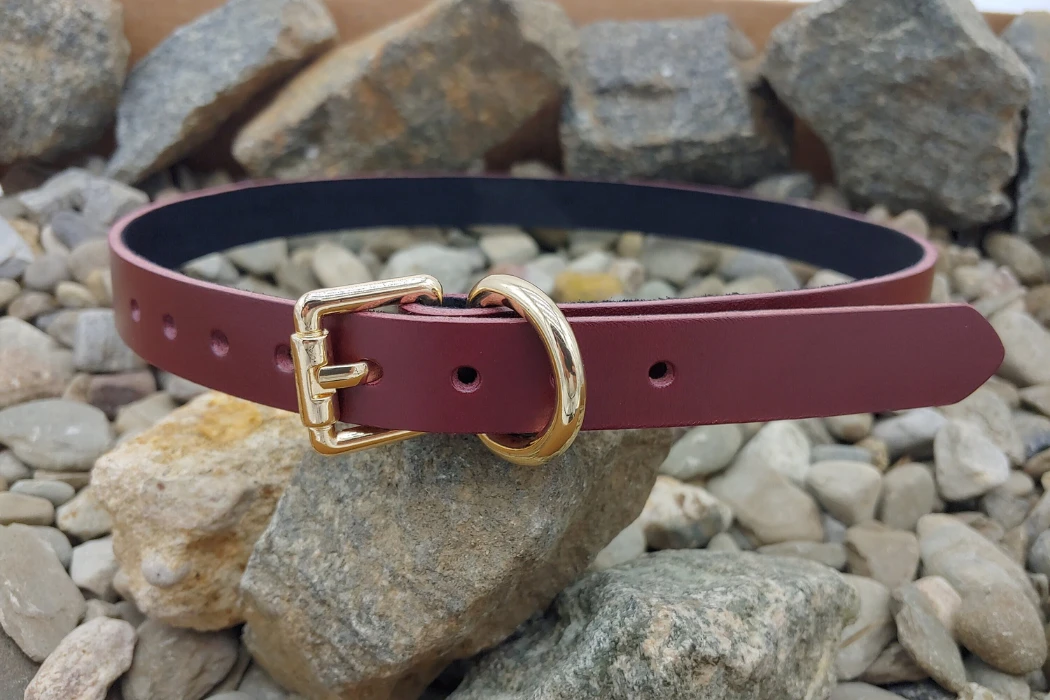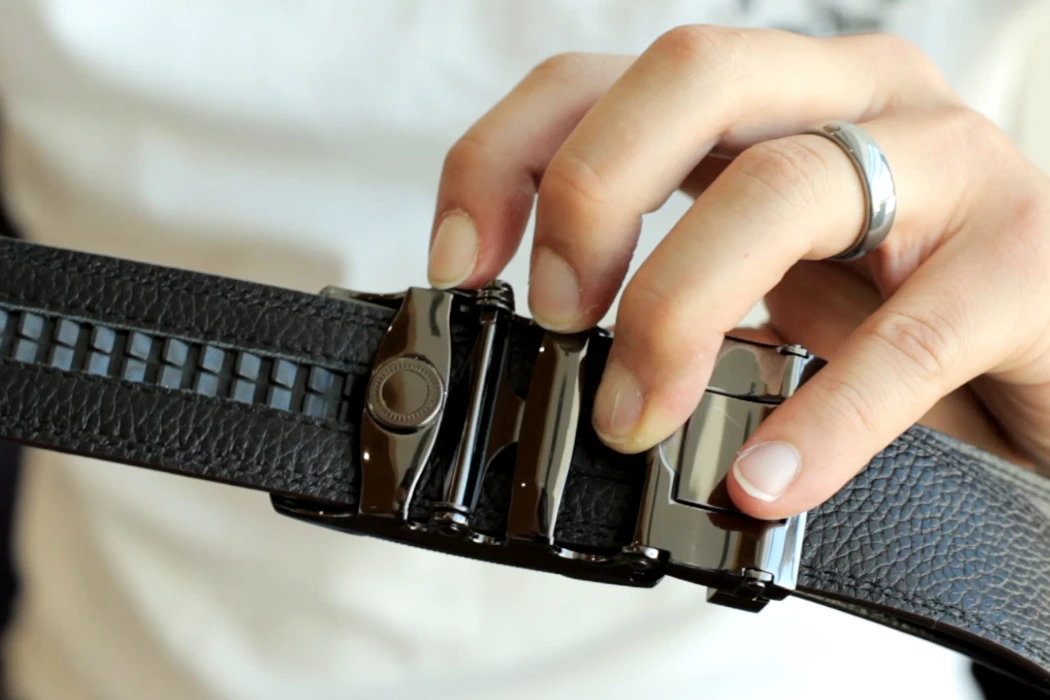
Suede can be real leather: the term describes leather with a raised, fibrous nap. Real suede is commonly made from split leather, while synthetic materials can imitate its soft surface. A suede-like feel alone does not establish composition. Brands purchasing bags, belts or wallets should specify whether the proposed material is animal suede or an imitation.
What makes a material suede?
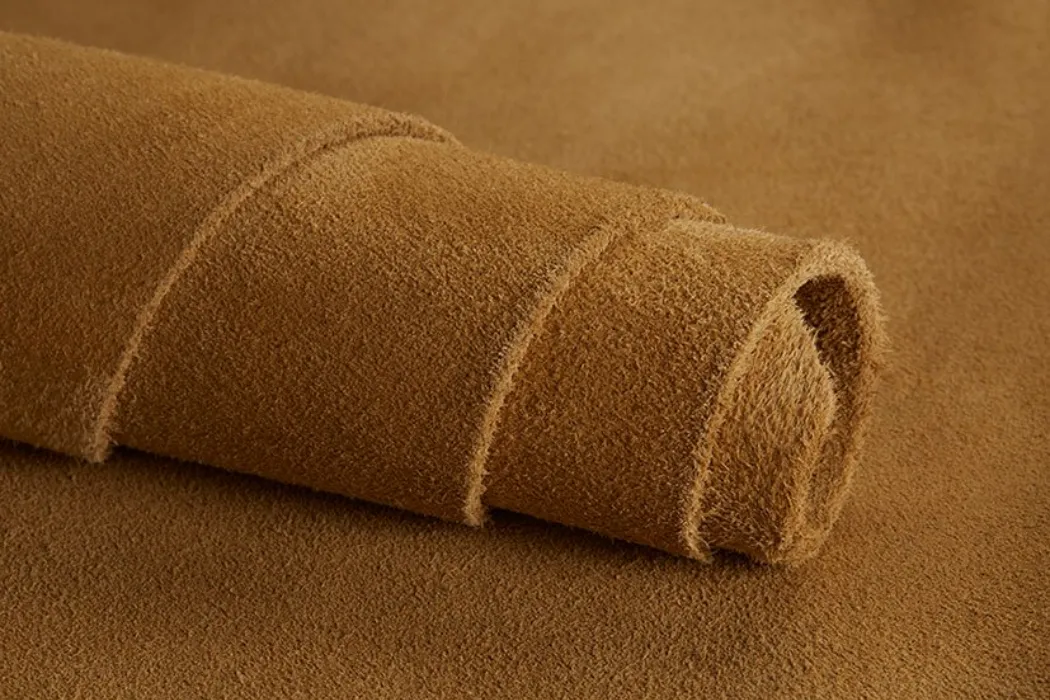
The defining feature is its napped surface. Processing exposes and raises fibres to create a soft, directional appearance. Suede is often produced from a flesh split, but describing every suede as one identical hide layer oversimplifies the category. Ask the supplier to state the animal source and layer of the actual article.
The Leather Research Laboratory’s explanation of suede and nubuck is useful for separating a surface description from the underlying construction. Neither a soft handle nor a particular colour proves that a sample is real suede.
How is suede leather made?
Animal hides are processed into leather, then prepared for the intended suede article. Depending on the material and production route, operations include splitting, dyeing, drying and working the surface to develop a controlled nap. Suppliers adjust the process for the required handle, colour and application. There is no universal abrasive setting or treatment that defines every commercial suede.
The finished sample should show the nap length and consistency expected in production. Ask whether any protective treatment is included and request care guidance for that specific finish. Do not assume that all suede has a water-repellent treatment or that such a treatment makes an assembled bag waterproof.
Suede, nubuck and imitation suede compared
| Material | What distinguishes it | What a buyer should verify |
|---|---|---|
| Animal suede | A napped leather surface, commonly from a split | Animal source, layer, nap and finished performance |
| Nubuck | A grain-side surface buffed to create a fine nap | Grain leather construction and finish |
| Imitation suede | A manufactured material with a suede-like surface | Fibre, coating and backing composition |
These materials can overlap in appearance while behaving differently in a finished product. Compare the actual options with the same pattern and test conditions. Avoid a blanket rule that one category is always stronger, greener or easier to maintain. For a closer surface comparison, see the nubuck guide.
Verify composition before approving the label
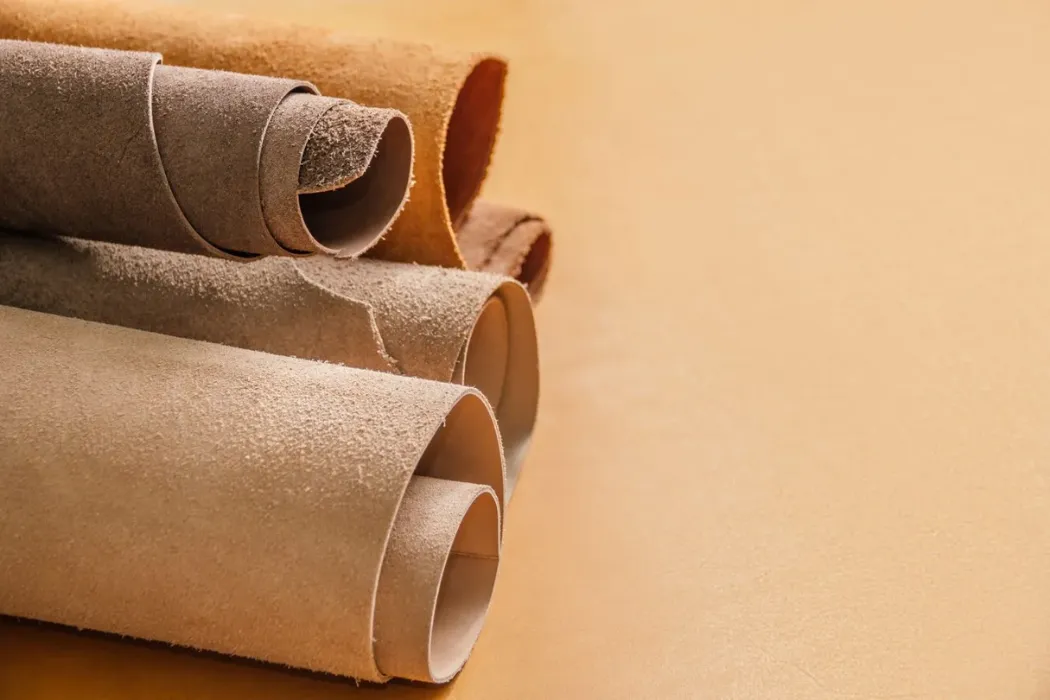
Request a material declaration and a sample showing the cross-section and back. Where a supplier uses a backing, adhesive or reinforcement, identify that separately. The declared composition should follow the material through the purchase order and finished product bill of materials.
A water drop can reveal absorption on that sample, but cannot prove animal origin. Brushing marks, irregular texture and smell are also inconclusive. If the label is disputed or the construction is unclear, seek competent laboratory identification rather than relying on a home test.
Design around nap direction and colour transfer
Nap direction can change how a panel looks under light. Establish a cutting orientation and check adjacent panels together. Otherwise two pieces cut from an acceptable material may look mismatched when assembled. This is especially visible on larger bag faces and coordinated sets.
Review dry and damp rubbing, contact with light clothing, flexing at folds and the effect of the intended cleaning method. Agree the appropriate assessment methods and acceptance limits for the product. Do not substitute an unsourced number of rubs or a promised service life for a relevant test plan.
For a suede bag, include handles, strap attachments, edge treatment and lining in the prototype. For a belt or wallet, review the repeated contact points and stacked construction. A surface swatch cannot establish the performance of the assembled item.
Care instructions belong in sample approval
Use the material supplier’s approved method for dust, light marks and wet exposure. Trial any cleaner or protective product on a spare sample before issuing consumer instructions. Generic oils and conditioners intended for smooth leather may alter a suede surface; a brush also needs to suit the particular nap.
Decide what appearance changes are acceptable and show those limits to merchandising and quality teams. The aim is a clear expectation for the product, including its care requirements, rather than describing every mark as either a defect or desirable ageing.
What to send with a suede product enquiry
Include the product drawing, desired animal or synthetic composition, reference sample, colour, nap direction, lining and reinforcement requirements. State the expected use and any testing or labelling evidence your market requires. Ask for sourcing feasibility before assuming that a particular suede article is available.
For a bag development, begin with Hoplok’s custom bag service and a clear material brief. An approved sample should connect the chosen surface to the finished construction and the agreed care guidance.