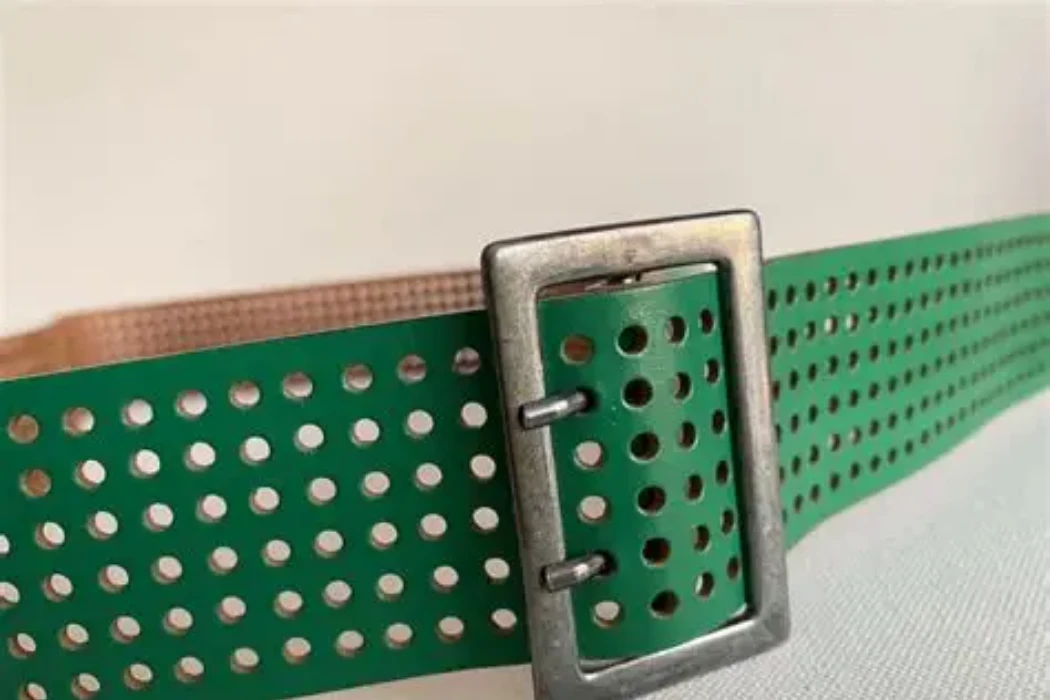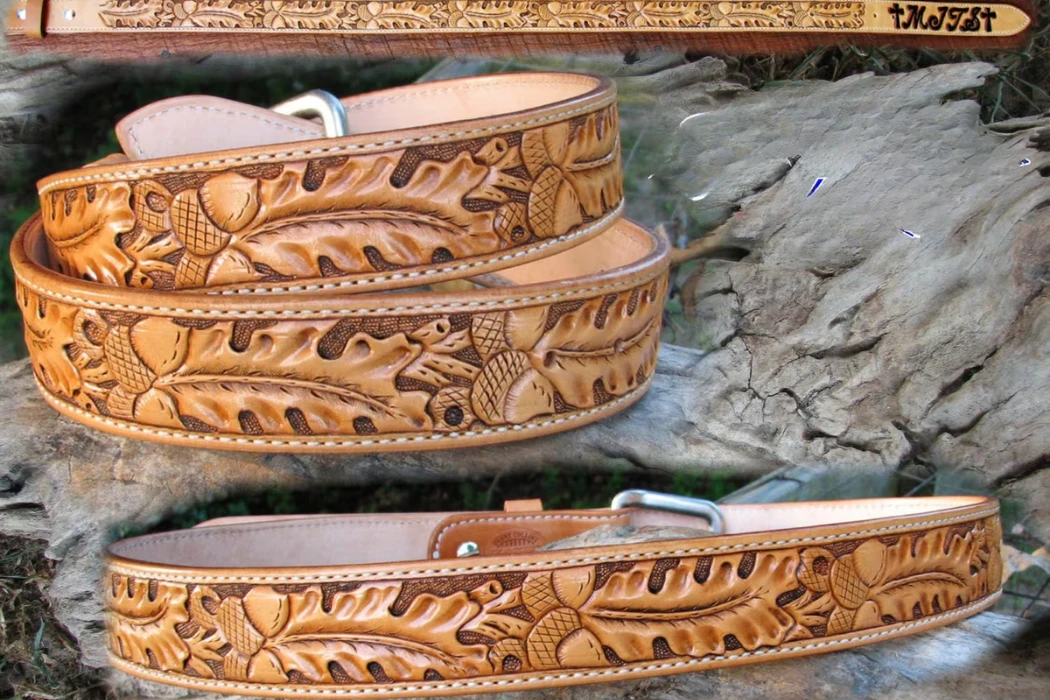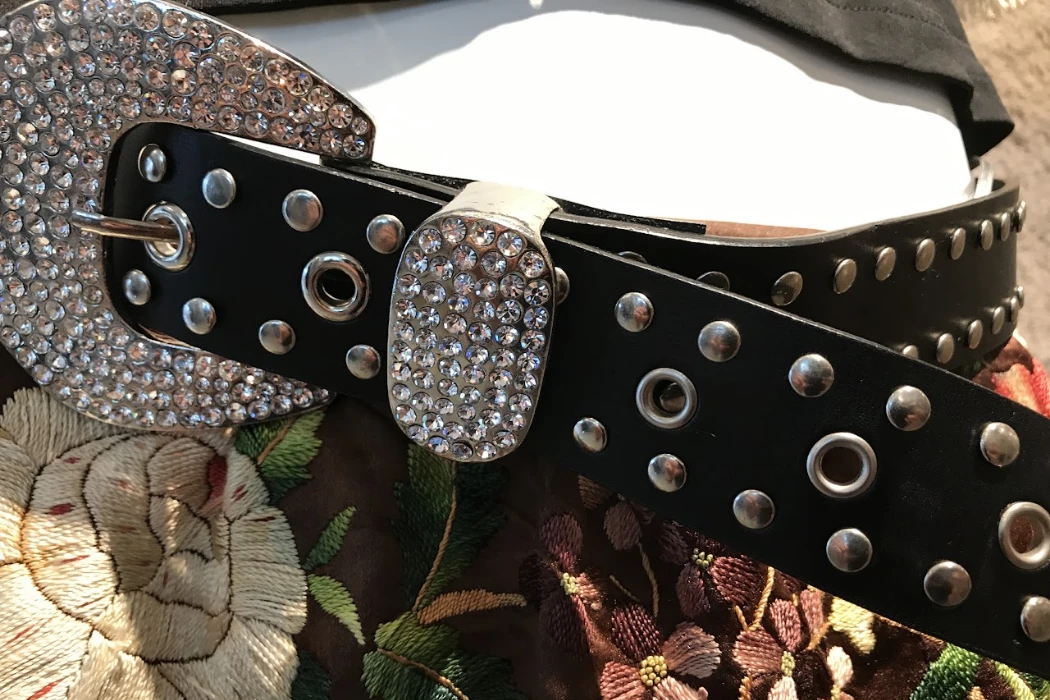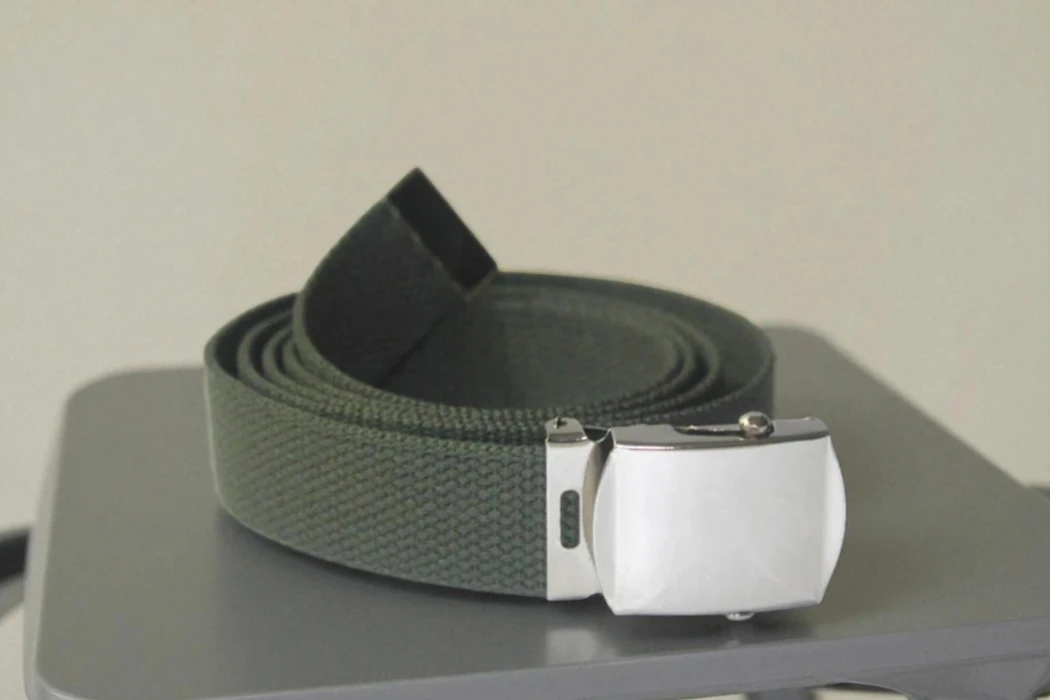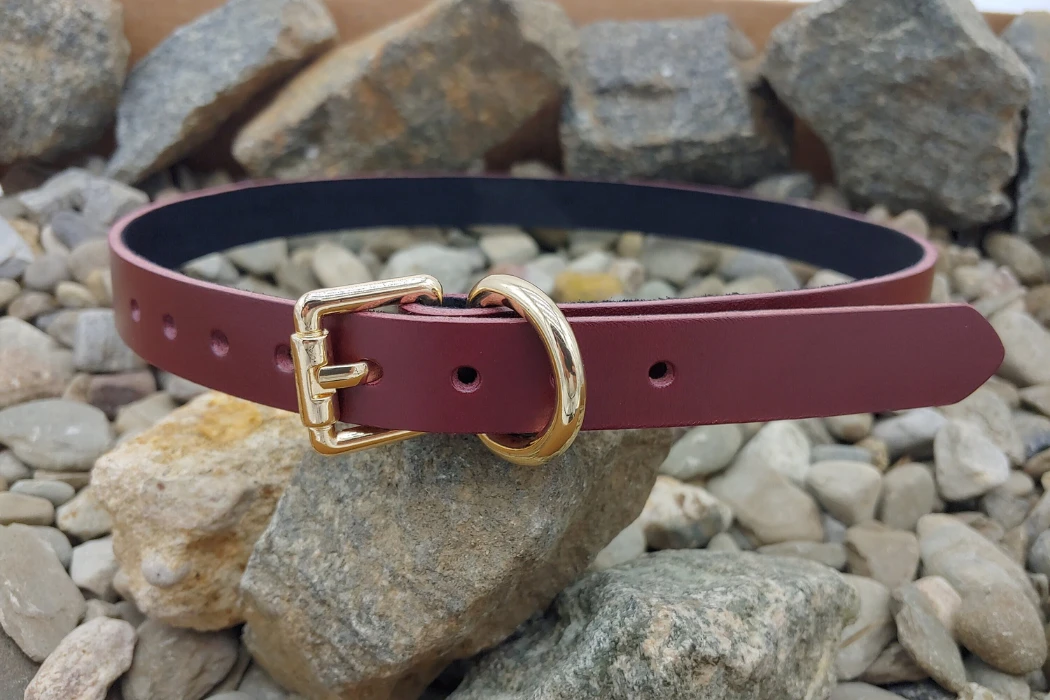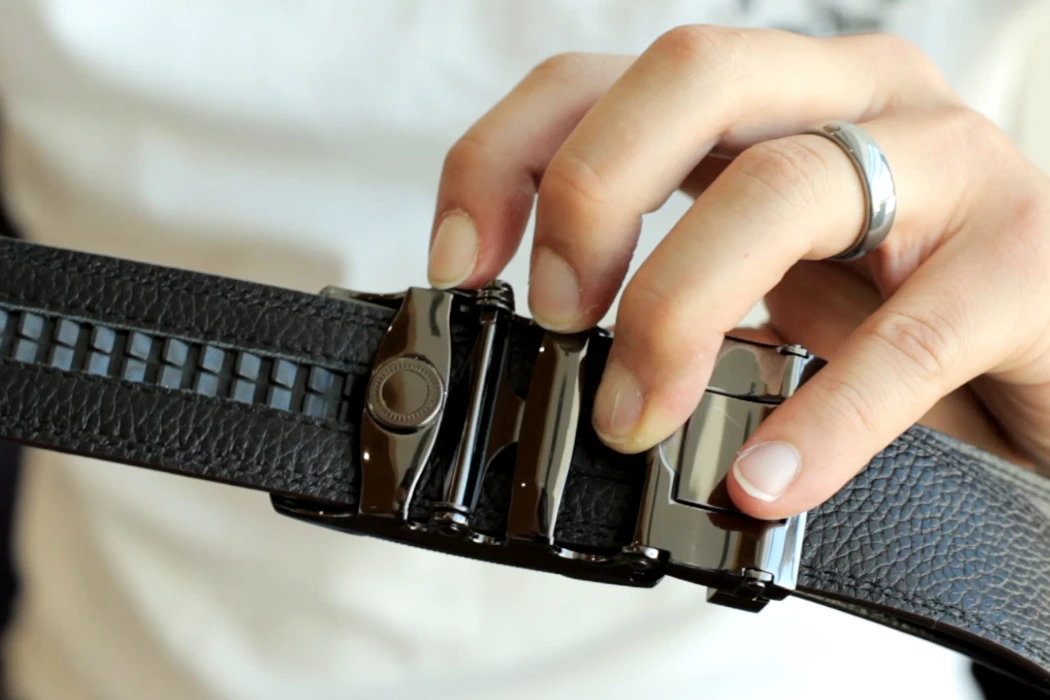
Leather belt straps can be customized with different buckles, colors, constructions and branding. The useful question for a brand is which parts can change while the assembled belt still fits and functions correctly. A removable buckle does not make every strap compatible, and a logo method that looks good on one leather finish may perform differently on another.
Start a custom belt project with a drawing of the strap and buckle interface, a material specification and a finished sample. These three references make a strap-only replacement program or a coordinated belt collection much easier to control.
Define what the customer will be able to customize
There are three different product briefs. A factory can make a complete belt to your design; it can make a strap for one specified buckle; or it can develop a family of interchangeable straps and buckles. The last option needs compatibility testing across the family, not just approval of one attractive combination.
| Program | Decisions to lock | Main approval risk |
|---|---|---|
| Complete private-label belt | Material, size range, buckle, finish, logo and packaging | Bulk belts differ from the approved complete sample |
| Replacement strap for an existing buckle | Exact buckle model, connection, strap width and thickness | A nominally matching strap does not fit the clamp or fold |
| Interchangeable collection | Shared interface plus an approved list of combinations | One color or construction is thicker and fails in another buckle |
For a third-party buckle, supply the actual component or its authorized technical drawing. Do not promise compatibility with a luxury brand from a photograph or strap width alone. Artwork and trademark permissions also need to be clear before sampling.
Specify the buckle interface before selecting surface details
The buckle’s outside width describes its appearance. The inside bar or channel width determines how the strap passes through it. Allowance must account for the finished strap, edge treatment and manufacturing tolerances. A “38 mm buckle” is a starting description; the supplier’s dimensional drawing and a physical assembly decide the fit.
Thickness is equally important. Measure the strap body and the buckle fold separately. A layered belt can have a slim body yet an oversized folded end. A clamp designed for one thickness may mark a thinner strap or fail to close on a thicker one. Ratchet tracks also require a matched tooth profile, position and release mechanism.
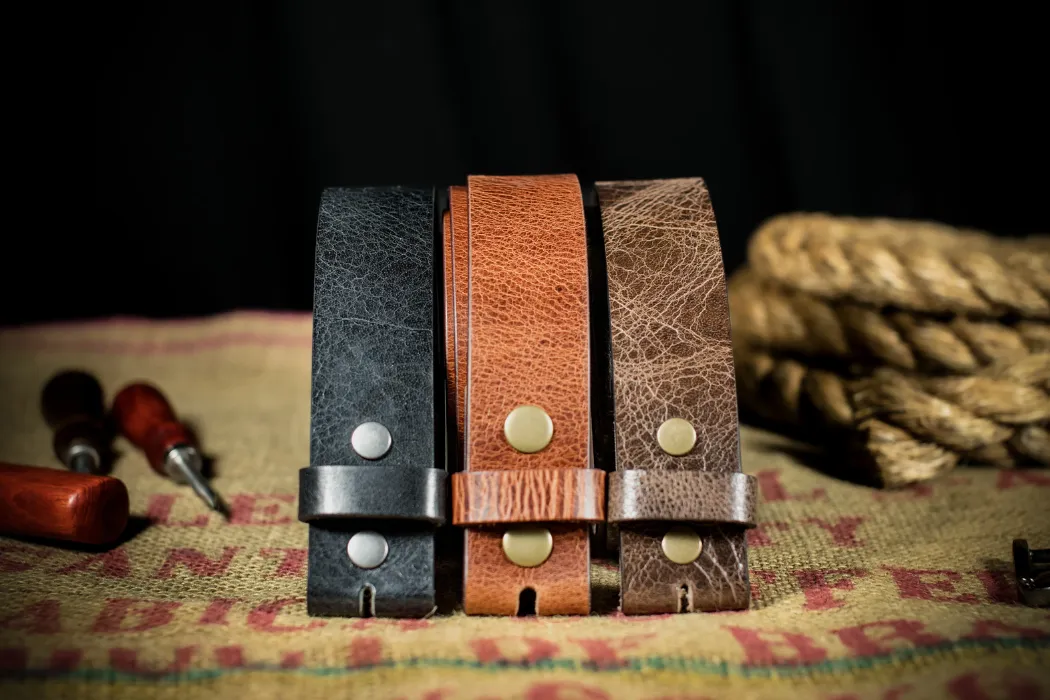
- Snaps: Specify opening direction, component size, placement and repeated opening checks. Check that normal wear does not accidentally open the fold.
- Chicago screws: Match post length to the compressed assembly. Agree the tightening and retention method, customer instructions and replacement parts.
- Stitched or riveted folds: Suitable when routine buckle removal is not part of the product design. Repair or replacement may require a workshop.
- Clamps: Test the actual strap surface and thickness for grip, damage and release. Follow the component maker’s instructions.
Record keeper position and clearance as part of the interface. A buckle may close correctly while leaving the tip loose, trapping a keeper or pushing the fold into the first trouser loop.
Choose the leather construction for the intended silhouette
A single-layer strap exposes the leather’s cross-section and often suits a substantial casual look. A lined or built-up belt allows different face and back materials, controlled padding and a tailored edge. Neither construction automatically guarantees better durability. The relevant checks are dimensional stability, flexing, seam quality, layer adhesion where applicable and the behavior around holes and folds.
Specify leather species, surface description, tannage where relevant, finish, thickness range and lining. “Genuine leather” alone is insufficient. Full-grain describes the retained grain surface; it does not establish the finished belt’s service life. A corrected surface can be appropriate when the collection needs a more uniform appearance.
Approve shade and texture under agreed lighting. For a black-and-brown reversible belt, assess both surfaces, the edge color, logo orientation and buckle rotation. A two-sided strap with an unsuitable buckle is not a complete reversible product.
Match logos and decoration to the actual finish
Debossing, embossing, foil, printing, laser marking and metal details create different effects. Selection should follow a strike-off on the production material. Vegetable-tanned leather is often used for traditional tooling, but chrome-tanned or coated leather should not be ruled out for all stamping. Results depend on the finish, structure, process and required detail.
| Method | Useful sample questions |
|---|---|
| Deboss or emboss | Are small letters legible? Does the surrounding finish distort? Does the impression remain acceptable after flexing? |
| Foil or print | Is color contrast correct? Does the mark adhere and resist the agreed rubbing and bending conditions? |
| Laser mark | Has the material composition been cleared for the process? Are contrast, residue and surface damage acceptable? |
| Metal logo or decorative fitting | Is the back comfortable and protected? Can the fitting rotate, loosen or catch clothing? |
Give the supplier vector artwork, dimensions, position from a fixed reference and an approved color reference. Avoid approving a logo only in a rendered mock-up. For laser work, verify coatings and backing composition with the material supplier; the equipment maker’s material restrictions explain why unidentified synthetic layers require particular care.
Approve a modular collection as a compatibility matrix
List each strap construction against every intended buckle. Check the smallest and largest sizes, the thickest edge treatment and each reversible orientation. Keep one approved assembled sample for every construction that changes the interface. Cosmetic colors sharing an identical construction may use a common technical reference, but their finish still needs approval.
Customer instructions should show the correct release, attachment and adjustment method. State which buckle families the strap fits, how size is measured and whether shortening is allowed. If trimming is part of the design, identify the permitted end and preserve the required track, holes and attachment allowance. Do not describe every removable buckle as cut-to-fit.
Send an RFQ that can become a production specification
Include the buckle sample or drawing, strap dimensions and tolerances, material and lining, attachment detail, size chart, logo artwork, edge finish, packing and the list of intended combinations. Ask for sample and bulk quotations on that same basis, with tooling identified separately.
Hoplok’s confirmed minimum order is 300 pieces for leather belts and 1,000 for PU belts. Belt sampling takes 2–3 weeks and bulk production 60–90 days; confirm material availability, tooling and the project schedule with the quotation. Color and style splits require confirmation. For a custom belt enquiry, send the complete-belt brief or the specific replacement-buckle interface so feasibility can be assessed before design details are finalized.
Review how the closure and fixed attachment work before choosing the replacement hardware.