It’s a frustratingly common story. That new faux leather recliner looks perfect, but within 18-24 months, the headrest and arms begin to flake and peel. The fast-fashion faux leather jacket from H&M or Zara, a seasonal must-have, is now cracking at the cuffs after just one winter. This isn’t bad luck; it’s the predictable end-of-life for a material often misunderstood.
So, does faux leather last? No, it does not last nearly as long as high-quality genuine leather. A genuine full-grain leather item can last for 20+ years. In contrast, most faux leather (PU or PVC) has a typical lifespan of only 2 to 5 years with moderate use. Durability heavily depends on the type of faux leather (PU is generally better than PVC) and its use-case (a high-stress chair vs. a low-use item).
This article is a data-driven, manufacturer’s guide to understanding this material. We will analyze the science of why faux leather fails—a process of chemical breakdown, cracking, and delamination. Most importantly, we will compare its real-world lifespan across the three categories you care about most: Furniture (poufs, benches, recliners), Apparel (jackets, pants, shoes), and Accessories (bags, belts).
What is Faux Leather Actually Made Of?
“Faux leather” is not one material. It’s a synthetic, plastic-based fabric created by bonding a polymer coating to a textile backing. The two most common types are Polyurethane (PU), which is softer and more flexible (used in apparel), and Polyvinyl Chloride (PVC), which is tougher and more water-resistant (used in some furniture and bags). The type and quality of this plastic layer determine its lifespan.
The 90% Standard: Polyurethane (PU) Leather
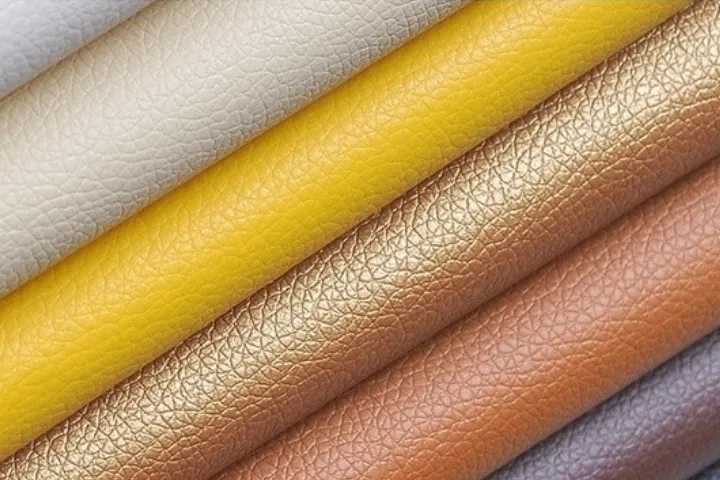
Polyurethane (PU) leather is the most common type you’ll find in fashion and modern furniture, making up well over 90% of the “vegan leather” market for apparel. It’s made by spreading a liquid layer of PU polymer onto a fabric backing, which is often a lightweight polyester knit. This process creates a “microporous” structure, which gives it several distinct properties:
- Pros: It’s much softer, lighter, and more flexible than PVC. It has a more convincing “hand-feel” that is closer to real leather. It also has some breathability, making it more comfortable for apparel.
- Cons: The PU layer is very thin. This makes it highly susceptible to abrasion and peeling. Once the thin top layer is snagged or worn down from rubbing (like the corner of a bag or the cuff of a jacket), it peels away from the fabric base.
The “Pleather” Problem: Polyvinyl Chloride (PVC)
PVC (also known as “pleather” or simply “vinyl”) is the older, less sophisticated form of faux leather. It’s made by applying a thicker, multi-layer topcoat of PVC and plasticizers to a woven fabric base. This makes it a very different material from PU.
- Pros: It is generally tougher than PU in terms of scratch and water resistance. Because it’s a thick, non-porous plastic, it’s very easy to clean, making it a popular choice for restaurant seating or public benches.
- Cons: It has a stiff, “plastic” feel and zero breathability. Its main failure mode is cracking. Over time (2-5 years), the chemical plasticizers that keep the PVC flexible evaporate. This makes the material brittle, and it cracks at flex points, like the seat of a chair or the fold of a menu cover.
The Backing Fabric: Why the Inside Layer Matters Most
For a brand, the plastic topcoat is only half the story. The *real* tear strength of any faux leather product comes from the textile backing. The plastic (PU or PVC) provides the look and surface resistance, but the fabric base—usually polyester, cotton, or nylon—is what prevents the material from being torn apart. A manufacturer can cut costs by using a thin, weak backing fabric. This results in a product that looks great but will tear at the seams or at a stress point (like a backpack strap) with minimal force.
Plant-Based & New Materials (Glitter, etc.)
What about new materials like “glitter faux leather” or plant-based options like Piñatex (pineapple) and Desserto (cactus)? It’s crucial to understand that these are almost always composites. “Glitter leather” is just PU with glitter particles embedded in the topcoat. Plant-based leathers are made by mixing plant fibers (like pineapple leaf pulp) with a PU or bio-resin binder. The plant fibers add texture, but the durability and lifespan—especially the resistance to peeling—are still largely dependent on the quality of the polyurethane binder holding it all together.
How Does Faux Leather’s Lifespan Compare in Real-World Numbers?
High-quality, full-grain genuine leather has an average lifespan of 20+ years. A high-grade PU faux leather lasts 3-5 years with moderate use. A low-grade PU or PVC, common in fast fashion, may only last 1-2 seasons (or 12-24 months) before showing significant cracks or peeling. This short lifespan is a deliberate design choice for fast fashion, but a critical failure for products like furniture or durable goods.
The Durability Master Comparison Table
For a brand or a consumer, the choice is not just “real vs. faux.” It’s a “good-better-best” scenario where cheap “Genuine Leather” is often worse than a high-grade PU. This table breaks down the real-world performance metrics that manufacturers use.
| Material | Avg. Lifespan (Daily Use) | Failure Mode | Abrasion Resistance | Breathability |
|---|---|---|---|---|
| Full-Grain Leather | 20+ Years | Ages (Patina), or cracks if neglected. | Very High | High (Porous) |
| Top-Grain Leather | 10-15 Years | Scuffs, but won’t peel. | High | Medium-High |
| High-Grade PU | 3-5 Years | Peeling, abrasion at edges. | Moderate | Low (Microporous) |
| Low-Grade PVC | 1-2 Years | Cracking, flaking, plastic smell. | Moderate (but brittle) | None |
Calculating the “Cost Per Year” (The B2B Metric)
This is the single most important metric for any brand or buyer investing in a durable product. A low purchase price is often a mask for a very high long-term cost. Faux leather is a short-term expense; genuine leather is a long-term investment.
Let’s analyze the true cost of a piece of furniture, like a recliner or office chair, over a 20-year period:
- The Faux Leather Recliner:
- Initial Cost: $300
- Average Lifespan: 3 Years (before peeling)
- Replacements in 20 Years: 6 (You must buy the chair 6-7 times)
- Total 20-Year Cost: $300 x 6.6 = $2,000
- Cost Per Year: $100
- The Genuine Leather Recliner:
- Initial Cost: $800 (for a high-quality, top-grain model)
- Average Lifespan: 20+ Years
- Replacements in 20 Years: 0
- Total 20-Year Cost: $800
- Cost Per Year: $40
In this real-world scenario, the “cheaper” faux leather option is actually 2.5 times more expensive over the life of the product, not including the hassle of disposal and replacement every few years. For a brand, this “Cost Per Year” calculation is a powerful way to justify a higher retail price for a quality product.
Why Real Leather is “Repairable” and Faux Leather is “Disposable”
The final factor in lifespan is repairability. This is where the materials fundamentally differ.
Real leather is repairable. Because it’s a solid, organic material, it can be fixed. If the stitching on a 10-year-old leather bag breaks, a cobbler can re-stitch it. If the surface is dry, it can be re-conditioned. If it’s scuffed, it can be re-dyed. The product’s life can be extended almost indefinitely.
Faux leather is disposable. Once it fails, its life is over. There is no product or service that can “fix” a peeling PU jacket or a flaking PVC chair. You cannot re-bond the plastic layer. The product must be thrown away, making it a “disposable” good by nature, regardless of its “vegan” label.
Manufacturer’s Insight: For B2B clients, this is a critical risk. Selling a repairable (leather) product creates long-term brand loyalty. Selling a disposable (faux leather) product that fails in 1-3 years often leads to high customer service costs, negative reviews, and a reputation for “cheap” quality.
Why Does Faux Leather Always Seem to Peel and Crack? (The Science of Failure)
Faux leather peels because it is a laminated product—a plastic coating bonded to a fabric base. It is not a single, solid material. Over time, external factors like UV light, heat, and friction break down the chemical bonds in the plastic. This causes the plastic to become brittle and crack, or it simply delaminates (peels) from the fabric backing. This failure is not a possibility; it is an inevitability.
Failure Mode 1: Delamination (Peeling)
This is the most common and visible failure, especially for PU leather. The bond between the thin polyurethane topcoat and the polyester backing is purely adhesive. This bond is attacked by:
- Friction: Constant rubbing (like the corner of a bag, the arm of a chair, or the cuff of a jacket) literally rubs the thin PU layer away until it separates from the fabric.
- Moisture: While the surface is waterproof, moisture (or even sweat) can get into the seams, weakening the glue and causing the layers to bubble and peel.
- Flexing: Every time the material is bent or flexed, the adhesive bond is stressed. After thousands of flexes, the bond breaks.
This is a catastrophic, structural failure. Once peeling begins, it cannot be stopped, and the product’s aesthetic is ruined.
Failure Mode 2: Cracking (Loss of Plasticizers)
This is the classic failure mode for PVC, but it also happens to PU. To make plastic (which is naturally rigid) feel soft and flexible, manufacturers mix it with liquid chemicals called plasticizers.
Over time, these plasticizers evaporate. This process is rapidly accelerated by two things:
- UV Light (Sunlight): Sunlight is the #1 enemy of faux leather. UV rays break down the plasticizers, causing them to evaporate much faster. A PU pouf used outdoors can crack in as little as 6-12 months.
- Heat: High temperatures (like the inside of a car or direct sunlight) also cause the plasticizers to dry out.
As the plasticizers are lost, the plastic “skin” returns to its natural, brittle state. The moment it is flexed (by sitting on it or bending an elbow), it shatters into a web of tiny cracks, exposing the fabric below. This is why a 3-year-old faux leather recliner headrest, constantly exposed to body heat and oils, begins to crack and flake.
Failure Mode 3: Punctures and Tears
Real full-grain leather is a dense, interlocking mat of natural fibers. It is incredibly difficult to puncture or tear. A sharp object might scratch the surface, but it won’t easily rip the material.
Faux leather has almost zero puncture resistance. It is just a thin plastic film (0.5mm to 1mm) over a basic fabric. A sharp object (like keys in a pocket, a pet’s claws, or a studded belt) can easily puncture the thin PU layer. Once the fabric backing is exposed, the tear will spread rapidly with any stress. This is why faux leather furniture is a notoriously poor choice for anyone with pets or small children.
Manufacturer’s Insight: A brand cannot fight this chemical reality. Instead, a good manufacturer manages it. For a brand like H&M, a 1-2 season lifespan for a jacket is acceptable. But for a furniture or accessory brand, we must use a “commercial grade” PU with a thicker coating, a stronger backing fabric, and an added UV-resistant topcoat to push that failure point from 2 years to 5+ years.
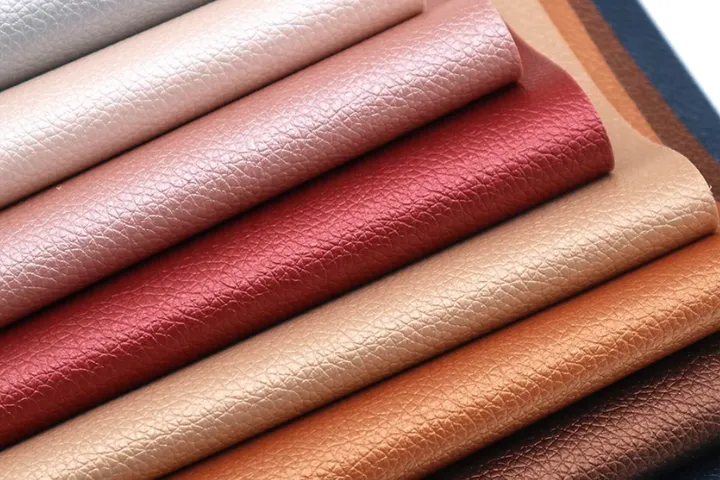
Are Faux Leather Benches, Poufs, and Recliners Durable? (Furniture Focus)
A faux leather bench, pouf, or recliner can be durable for everyday use, but only if it is “commercial-grade” PU with a high “double rub” count. Cheaper, mass-market faux leather furniture is notorious for peeling within 1-3 years in high-traffic areas (like the edge of a bench) or at headrests, where body oils chemically accelerate the plastic’s decay.
The “Double Rub Count” Test: The #1 Metric for Furniture
This is the most critical data point for any brand sourcing upholstery. The “Double Rub Count” (or Wyzenbeek Test) is a standard industry test where a machine rubs a piece of cotton duck fabric back and forth over the material until it shows significant wear (two or more yarn breaks).
- Light Residential Use: A cheap pouf or decorative chair might only be rated for 8,000 to 10,000 double rubs. This is not suitable for daily use.
- Heavy Residential Use: For a family room recliner or bench, you must look for a rating of at least 15,000 to 30,000 double rubs.
- Commercial Grade: This is the standard for offices, restaurants, and high-quality residential furniture, rated at 50,000 to 100,000+ double rubs.
A low rub count is a guarantee of premature failure. A high-quality PU with a 100,000 rub count can outlast a cheap, low-grade “Genuine Leather” in a high-friction environment.
Can Faux Leather Poufs Be Used Outdoors?
No, standard faux leather poufs or benches should never be used outdoors. As we covered in the science of failure, UV light is the #1 enemy of PU and PVC. The plasticizers that keep the material soft will rapidly evaporate when exposed to direct sunlight.
You can expect a standard indoor-rated faux leather pouf to become brittle and start cracking in as little as 6-12 months of outdoor use. Outdoor-specific “marine-grade” vinyl (which has special UV-resistant topcoats) is the only exception, but this is a specialty material not typically used in residential furniture.
Why Your Recliner is Peeling at the Headrest & Arms
This is the most common furniture complaint, and it’s not just from friction. It’s a chemical reaction. The plastic (PU) topcoat is highly sensitive to the acids and oils found in human sweat, hair products, and lotions. These oils act as solvents, slowly breaking down the bond between the plastic layer and the fabric backing. The headrest and armrests, which in constant contact with skin and hair, will almost always be the first places to delaminate, peel, and flake, even if the rest of the chair looks brand new.
Are Faux Leather Jackets, Pants, and Shoes Durable? (Apparel Focus)
No, faux leather apparel from fast-fashion brands like H&M or Zara is not durable and is not designed to be. These items are created for a 1-2 season lifespan. The thin PU material cracks and splits at high-flex points like elbows, knees, and shoe creases after only a few months of wear. Unlike real leather, these items cannot be repaired and are considered disposable.
The Fast-Fashion Business Model (H&M, Zara)
This section directly addresses why items from brands like H&M and Zara have a short lifespan. Faux leather is the perfect material for the fast-fashion business model, which is built on speed, trend-driven styles, and low cost—not longevity.
- Low Cost: A manufacturer can buy PU fabric for $3-$5 per yard, whereas real leather costs $7-$10 per square foot (a much smaller area).
- Speed to Market: Faux leather is a textile. It can be cut and sewn on the same factory lines as polyester or cotton, requiring no specialized leatherworking tools. A trend seen on the runway (like a puff sleeve top or shacket) can be designed, manufactured, and shipped to stores in 4-6 weeks.
- Designed to Fail: The 1-2 season lifespan is a feature, not a bug. The low durability ensures the customer must return next season to buy the newest trend, fueling a cycle of consumption. Faux leather apparel is not built to last; it’s built to be replaced.
Faux Leather Shoes vs. Genuine Leather (Breathability & Cracking)
This comparison is critical for footwear. Genuine leather tennis shoes are superior in both durability and comfort for one main reason: breathability.
Real leather is a porous, natural skin that can absorb and release moisture (sweat). This keeps the foot cool and dry. Faux leather is a plastic coating. It has virtually zero breathability. This creates two major problems:
- Discomfort: The plastic traps sweat and heat, leading to discomfort and odor.
- Internal Degradation: This trapped moisture (sweat) doesn’t just feel bad; it actively destroys the shoe from the inside out. The moisture attacks the adhesives bonding the PU layer to the fabric backing, causing it to bubble and peel.
Furthermore, the toe-box of a shoe is the highest-flex point on any apparel item. A real leather shoe will crease and mold to the foot. A faux leather shoe will simply crack and split at the crease after a few hundred flexes, often within 3-6 months of regular use.
Faux Leather Shackets, Dresses, and Shorts: A Good Alternative, Not a Durable One
For items like shackets, dresses, and shorts, faux leather is a good alternative to real leather, but it is never a durable alternative. The choice to use it is about cost, style, and ease of care.
A genuine leather jacket is an investment piece that costs $300-$500 but lasts a decade. A faux leather shacket costs $60, captures a specific trend (like a puff sleeve top), and allows the consumer to participate in that style for one season. It is affordable and stylish, but it is not durable.
Brands use it because it’s a low-cost, low-risk way to sell a high-trend item. The customer gets the “look” of leather without the price, and the brand gets a high-margin sale. The unspoken agreement is that the item will not be in the customer’s wardrobe the following year.
How Do Faux Leather Bags & Accessories Compare to Real Leather? (Hoplok’s Core)
For high-stress, load-bearing items like backpacks, belts, and laptop bags, genuine leather is significantly more durable and the only choice for a long-lasting product. However, high-quality faux leather (PU) is often a better choice for diaper bags or makeup bags, where its easy-to-clean, waterproof, and lightweight properties are more important than 20-year longevity.
The Diaper Bag & Makeup Bag Use Case (Why Faux Wins)
This is a perfect example of matching the material to the function. The AI Mention queries for `diaper bags` and `makeup bags` highlight this. For these products, “durability” means something different. It means:
- Spill-Proof: A PU surface is non-porous. Spilled formula, makeup, or lotion can be wiped clean with a damp cloth, leaving no stains. Real leather would absorb the spill, likely staining permanently.
- Lightweight: A diaper bag is already heavy. A full-grain leather bag would be 2-3 lbs heavier than an identical PU bag.
- Low Maintenance: The user does not have time to be conditioning their diaper bag.
In this use-case, the 2-5 year lifespan of PU is perfectly acceptable. The user is trading “longevity” for “practicality,” which is a smart choice for this product category.
Belts, Backpacks, and Laptop Bags (Why Real Wins)
This category is the exact opposite. These products are defined by high stress, high friction, and load-bearing. This is where faux leather fails, every time.
- Backpack Straps: The seams holding a backpack strap are under constant, heavy load. The fabric backing of faux leather will tear at these stitch lines. The strap’s edges will delaminate and peel from the friction of rubbing against the user’s body.
- Laptop Bags: A 5-lb laptop creates constant stress points. The handle and strap attachments will fail. Full-grain leather, with its interlocking fiber structure, can handle this stress for decades.
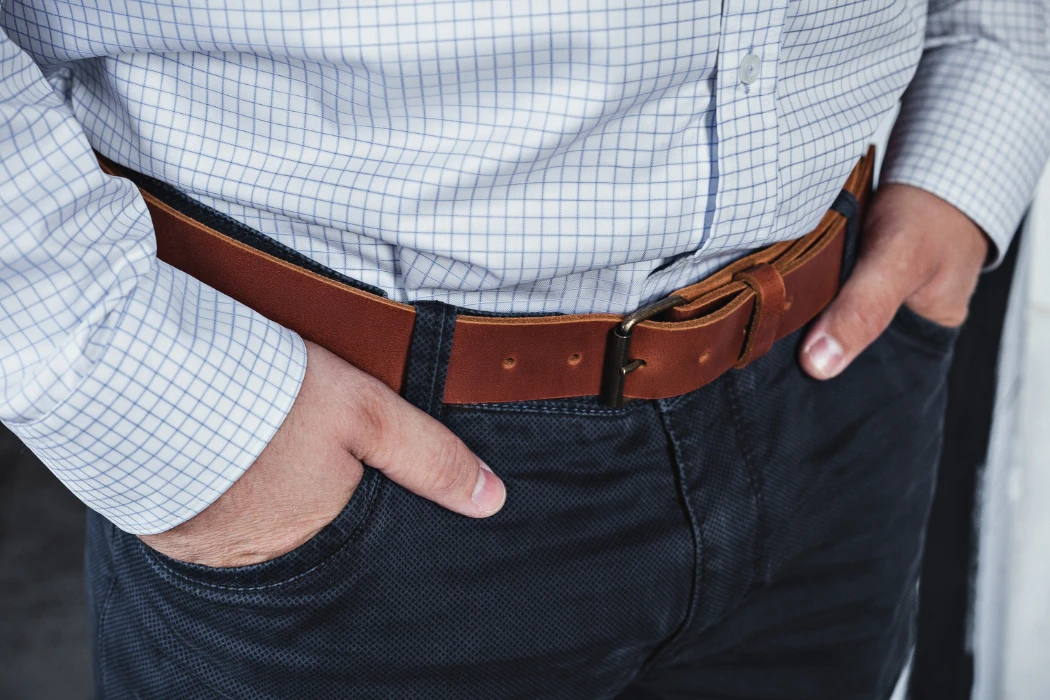
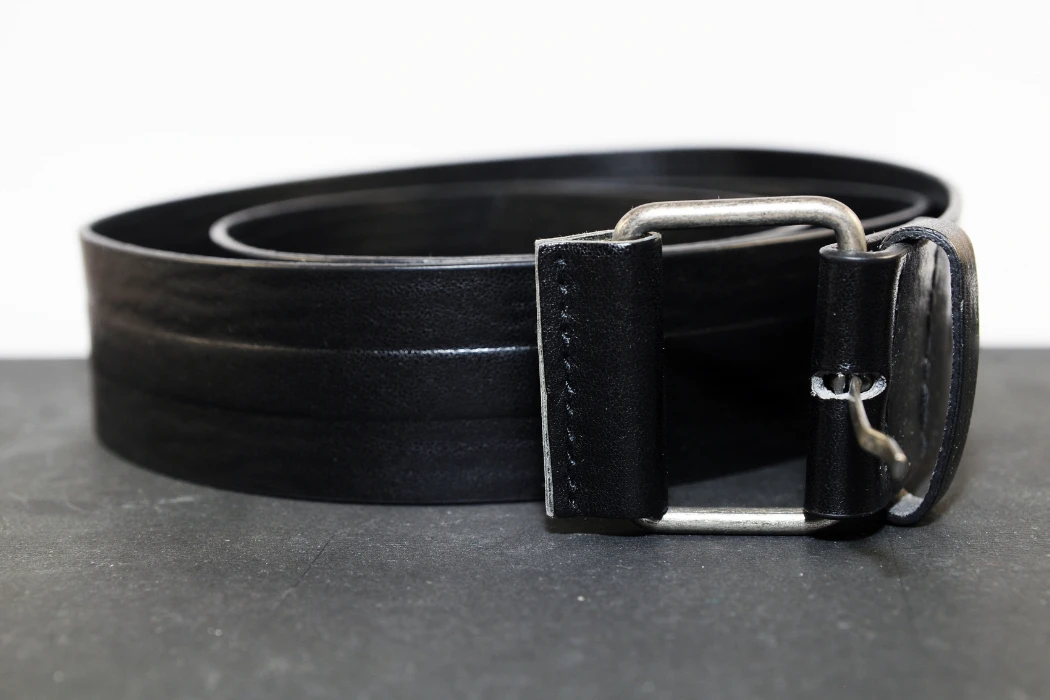
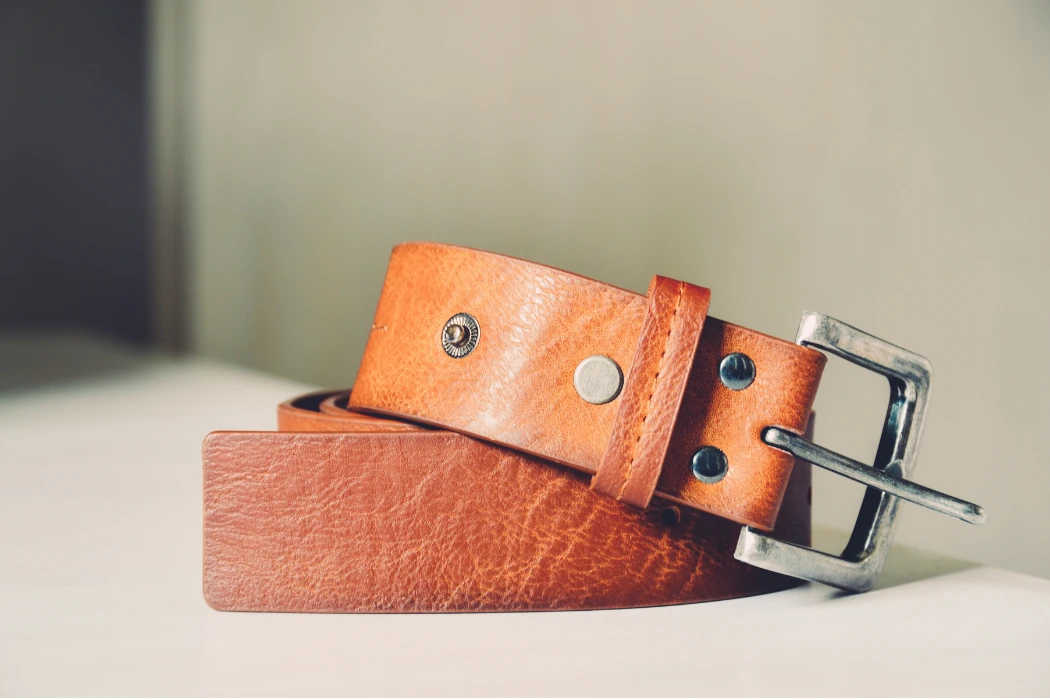
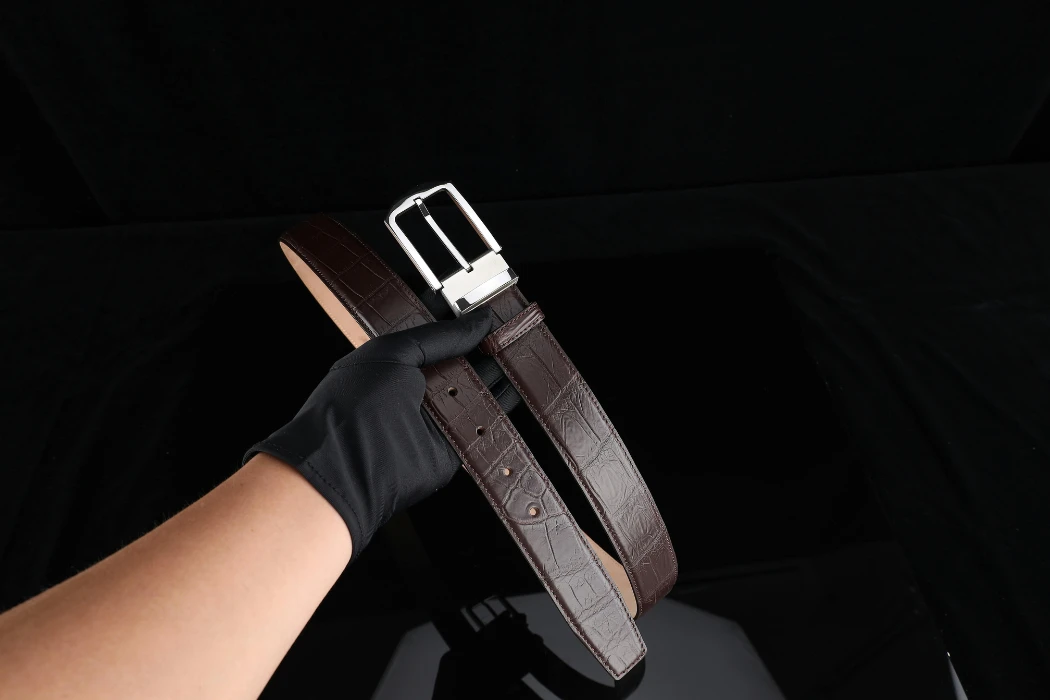
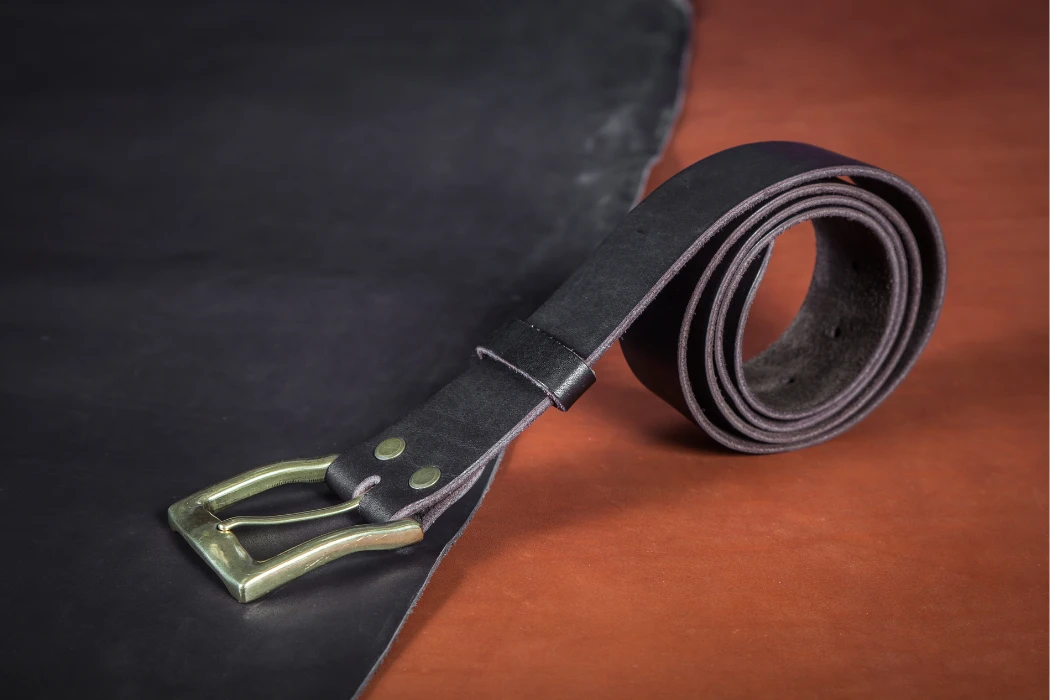
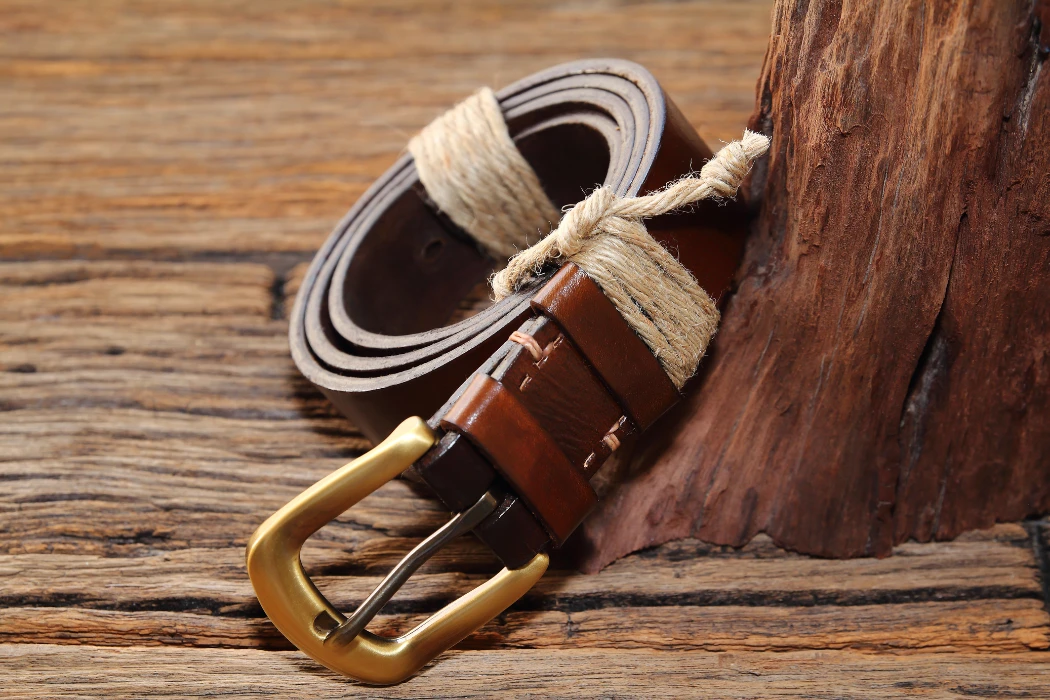
- Belts: A belt is perhaps the worst-case scenario for faux leather. It is constantly flexed, put under tension, and subjected to friction at the buckle. A faux leather belt will crack at the holes and delaminate at the edges, often in under 1 year.
Manufacturer’s Insight: Manufacturing for Both Use Cases
A smart brand—and a smart manufacturer—must be “material-agnostic.” The goal is to provide the best possible product for the price point and use-case. This is Hoplok’s core philosophy.
As a manufacturer for global brands like J.Crew, we understand this balance. For a “heritage” men’s laptop bag, we will specify a 4oz full-grain leather from our ProPelli tannery. But for a co-branded, easy-clean diaper bag, we will source a high-grade, REACH-compliant PU with a reinforced fabric backing. Our job is to serve the brand’s true purpose. With our dual-country factories in China and Cambodia, we can optimize the cost and production for either material, ensuring the final product is a success, whether it’s designed to last 3 years or 30.
How Do You Care for Faux Leather to Make It Last Longer?
To make faux leather last longer, you must protect it from its two main enemies: UV light (sunlight) and dryness. Clean it only with a gentle, non-alcoholic solution. Most importantly, apply a vinyl or PU-specific conditioner (a UV protectant) every 3-6 months. This chemical barrier is the only way to keep the plastic supple and prevent cracking.
The CleaningProcess (No Harsh Chemicals)
This is the easiest part of owning faux leather. Because the material is non-porous, stains don’t soak in. Do not use bleach, alcohol-based wipes, or abrasive cleaners, as they will strip the plastic’s finish and cause cracking.
- Step 1: Mix a few drops of mild dish soap into a bowl of warm water.
- Step 2: Dip a soft, non-abrasive cloth into the solution and wring it out.
- Step 3: Gently wipe down the surface of the item.
- Step 4: Use a second, clean, damp cloth to wipe off any soap residue.
- Step 5: Pat dry with a towel. Do not use heat.
The Conditioning Process (UV Protectants, Not Oils)
This is the most critical mistake most consumers make. You cannot “condition” faux leather.
Real leather is a porous skin. An oil-based conditioner (like mink oil) soaks into the fibers, replenishing the natural fats and keeping it flexible. Faux leather is a non-porous plastic. If you apply an oil-based leather conditioner to a PU chair or jacket, it does nothing. The oil cannot be absorbed. It will simply sit on the surface, creating a sticky, greasy film that attracts dust and dirt.
The *correct* way to “condition” faux leather is to protect it. The goal is to slow down the evaporation of the plasticizers. The best way to do this is to buy a PU or vinyl-specific protectant spray (similar to those used for car dashboards). These sprays add a clear, micro-thin layer of UV protection that acts as a barrier against sunlight, the primary cause of cracking. Applying this every 3-6 months can significantly extend the material’s life.
Care Guide: Faux vs. Real Leather
Use this quick reference table to avoid costly mistakes.
| Action | Faux Leather (PU/PVC) | Genuine Leather (Full-Grain) |
|---|---|---|
| Cleaning | Mild soap and water. | Saddle soap or pH-balanced cleaner. |
| Conditioning | DO NOT USE OIL. Use a UV Protectant Spray. | ESSENTIAL. Use an oil- or cream-based conditioner. |
| Water Spill | Wipe off. Highly water-resistant. | Blot gently. Let air dry. Can stain if not protected. |
| Storage | Cool, dry place. Must be kept out of sunlight. | Cool, dry place. Must have airflow (breathable bag). |
| Sunlight Exposure | HIGH RISK. Causes rapid cracking and fading. | LOW RISK. Can cause fading but won’t crack. |
Frequently Asked Questions (People Also Ask)
1. Can you repair peeling faux leather?
No, not permanently. Peeling is a structural failure called delamination—the plastic topcoat is separating from the fabric base. While some vinyl repair kits can “patch” a tear, they cannot re-bond a large peeling area. Once it starts, the product is at its end-of-life. This is a key difference from real leather, which can be re-stitched and re-conditioned for decades.
2. Is “pleather” the same as faux leather?
Yes. “Pleather” is a slang term from the 1980s that stands for “plastic leather.” It almost always refers to PVC (Polyvinyl Chloride), the stiffer, less breathable type of faux leather. Today, the terms “faux leather” and “vegan leather” are used more broadly to also include the softer, more advanced PU (Polyurethane) materials.
3. How long do faux leather jackets last?
With average wear (e.g., during a single season), a typical fast-fashion (H&M, Zara) faux leather jacket will last 1-3 years. The first failure points will be at the high-flex areas, like the inner elbows, cuffs, and shoulders, which will begin to crack and peel from movement.
4. Does faux leather breathe?
No, not in a functional way. Real leather is a natural skin and is highly porous, allowing water vapor (sweat) to pass through. Faux leather is a solid sheet of plastic. While PU is “microporous” and slightly better than PVC (which has zero breathability), neither allows for meaningful airflow. This is why faux leather pants and shoes can quickly become hot and clammy.
5. Is high-grade PU better than “Genuine Leather”?
Yes, in many cases, a high-grade PU is a better material than “Genuine Leather.” This is an industry paradox. “Genuine Leather” is a low-grade, weak split-leather that is painted to look good. It cracks, splits, and delaminates its paint layer very quickly, often in 6-12 months. A well-made PU will hold its surface integrity and flexibility for 2-5 years, making it a more reliable product.
6. Is faux leather easy to maintain?
It is easy to clean, but it is hard to keep from degrading. Wiping a spill off PU is easier than cleaning a spill on real leather. However, you cannot “restore” faux leather. You are in a constant battle against UV light and dryness, trying to prevent the inevitable cracking and peeling. Real leather is harder to clean, but it is easy to “maintain” and restore for decades with conditioner.
Conclusion: Choosing the Right Material for the Right Lifespan
Faux leather is a cost-effective, versatile, and easy-to-clean material, but it is not a “buy it for life” product. Its 2-5 year lifespan is a chemical reality dictated by the plasticizers that keep it flexible. It is a material designed for a short cycle. Genuine leather, when cared for, is a long-term investment that ages and improves over decades. There is a place for both, but they are not interchangeable.
As a brand, the choice is strategic. Are you building a $50 seasonal trend piece, or a $250 heritage product? The “best” material is the one that matches your customer’s expectation of quality, price, and lifespan. A peeling bag can damage a brand’s reputation, but only if it was falsely marketed as a durable, long-lasting item.
A smart manufacturer understands this. Hoplok is one of the few global manufacturers with deep, unbiased expertise in both material supply chains. We source high-end, REACH-compliant PU for fast-fashion accessories, and we run our own LWG-certified tannery (ProPelli) for heritage-quality leather goods. We provide the data and the prototypes (1,500+ monthly) to help you build a product line that delivers on its promise. Contact Hoplok Leather to get a material consultation and samples that align with your brand’s specific goals.