Bag names are a useful starting point for a collection, but they are not a manufacturing specification. A crossbody describes how a bag is carried; a bucket describes its shape; a flap describes its closure. One product can belong to all three categories.
This illustrated guide keeps 50 common style labels in one place and explains the next specification question each label raises. Use it to align a brand’s design, merchandising and sourcing teams before asking suppliers to quote. The examples are a vocabulary reference, not a promise that Hoplok supplies every specialist construction illustrated.
Handbag vs purse: what is the actual difference?
There is no universal size boundary between a handbag and a purse. In American English, purse commonly means a handbag. In British English, purse can mean a small money holder. Cambridge Dictionary records these regional uses. A rule that handbags must be large and purses must be small evening bags would therefore mislabel many products.
In an international buying brief, write the intended item explicitly: for example, “leather shoulder bag,” “zip coin purse” or “card-and-coin wallet,” followed by dimensions and a drawing. Use the market-appropriate word in a storefront, while keeping the technical product identity consistent in the order documents.
Clutch vs purse: category, not a fixed size comparison
A clutch is designed to be carried in the hand or under the arm. The Fitzwilliam Museum’s terminology entry describes the traditional handle-free form. Contemporary designs may add a detachable chain or wrist strap. In US retail usage, a clutch can also be called a purse; the words are not mutually exclusive.
| Buying question | Clutch brief | Broader handbag or purse brief |
|---|---|---|
| How is it carried? | Handheld grip; state any detachable strap | Specify hand, shoulder, crossbody or convertible carrying |
| What must fit? | List actual phone, card holder and other intended contents | Define the required contents and internal organisation |
| How does it open? | Specify frame, flap, zipper or other closure | The category name does not determine the closure |
| What determines capacity? | Internal usable dimensions and opening size | Internal usable dimensions and opening size |
| What proves suitability? | A loaded sample that is comfortable to hold and closes correctly | A loaded sample checked in its intended carrying mode |
Neither label guarantees security, low weight, durability or a formal appearance. Those results depend on construction. A slim clutch may fail to hold a customer’s phone even when its outer width looks sufficient, because the frame, lining or closure reduces the opening.
50 types of bags and the specification question to ask
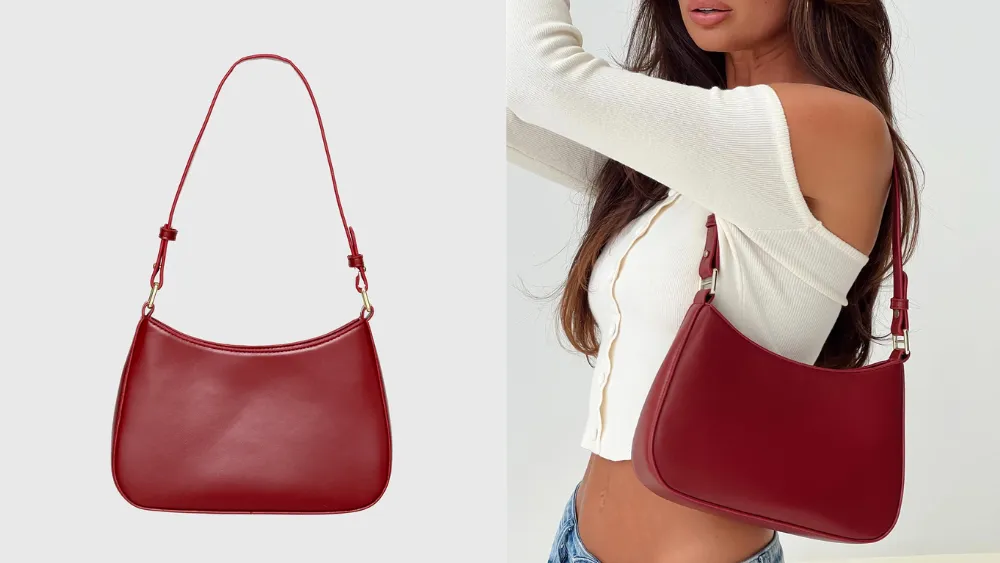
1. Shoulder Bag
A bag with a strap or handles intended for shoulder carrying.
Specification check: Define handle drop, opening clearance and comfort with the intended clothing.
2. Crossbody Bag
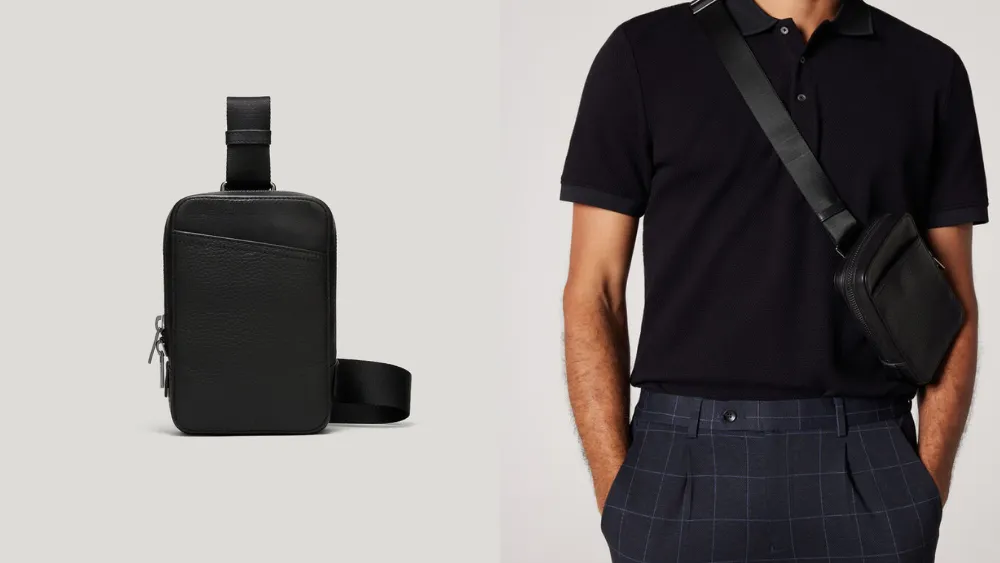
A bag with a strap intended to pass diagonally across the body.
Specification check: Specify strap adjustment range, attachment positions and whether the strap is removable.
3. Tote Bag
A carryall commonly using two handles and a broad main opening.
Specification check: Set usable capacity, handle reinforcement, base construction and the required closure.
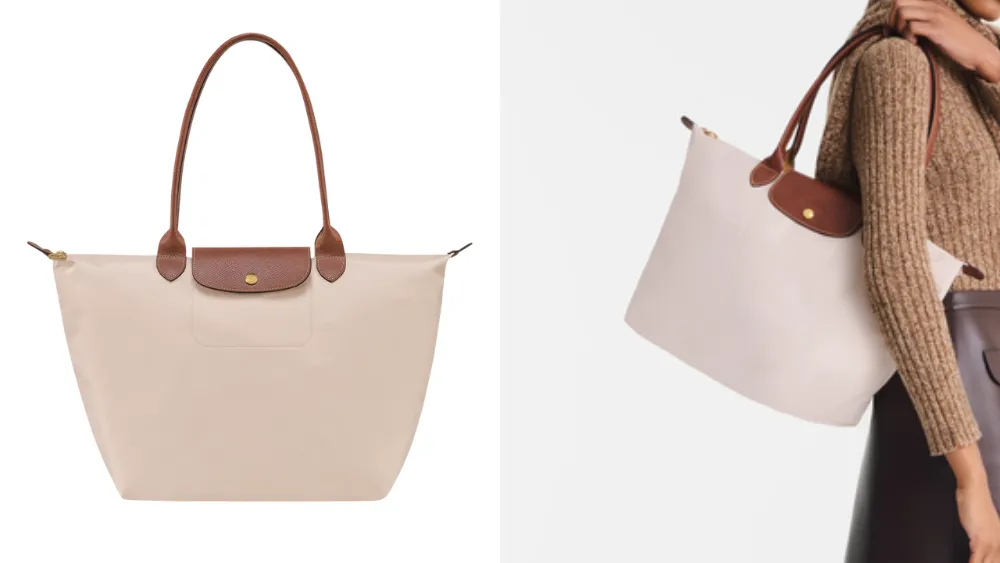
4. Clutch
A compact bag designed primarily for hand carrying, sometimes with a detachable strap.
Specification check: Check hand grip, actual phone fit, closure effort and where a spare strap is stored.
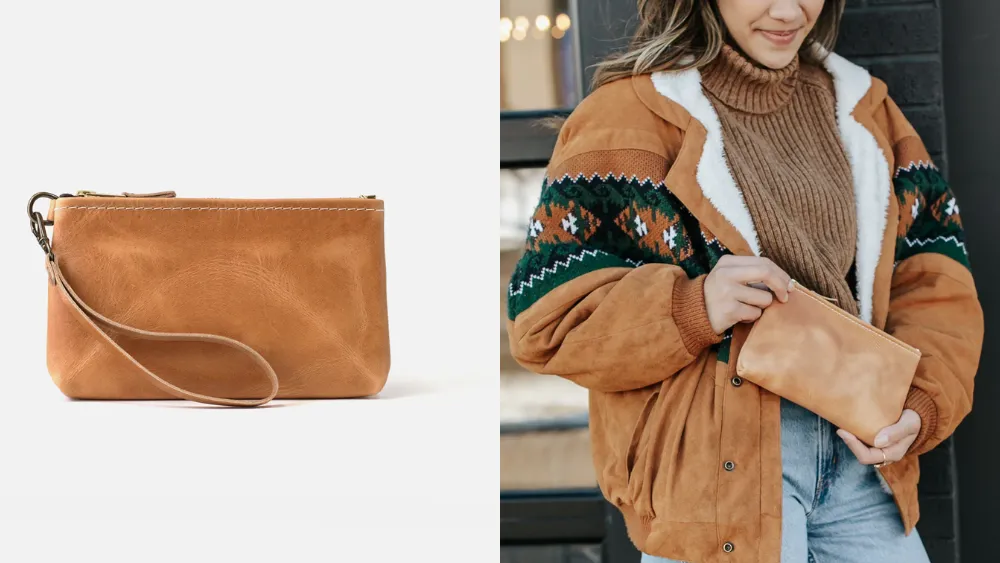
5. Satchel
A structured carrying bag; the label is used for several top-handle and flap-front designs.
Specification check: Supply a drawing rather than relying on the name to define handles or closure.
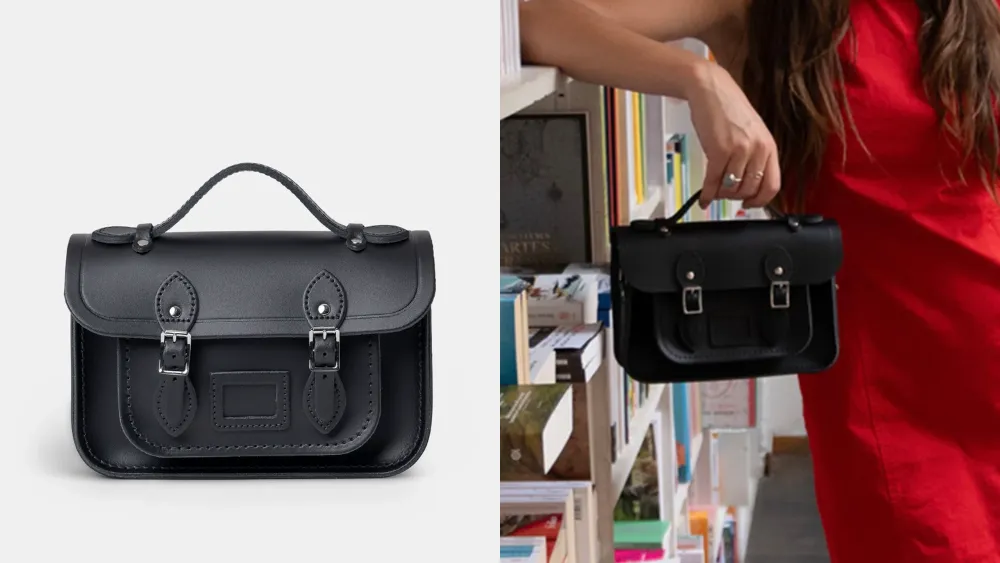
6. Hobo Bag
A soft shoulder bag associated with a slouching, often curved silhouette.
Specification check: Review the drape both empty and loaded; define how much base structure is intended.
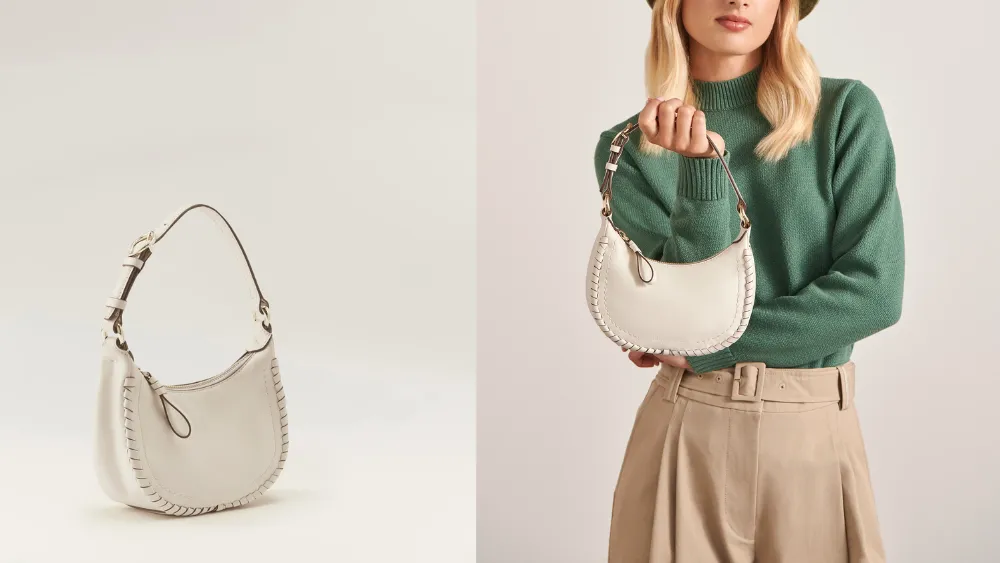
7. Backpack
A bag normally carried on the back using two shoulder straps.
Specification check: Define strap adjustment, access, back contact and reinforcement for the intended contents.
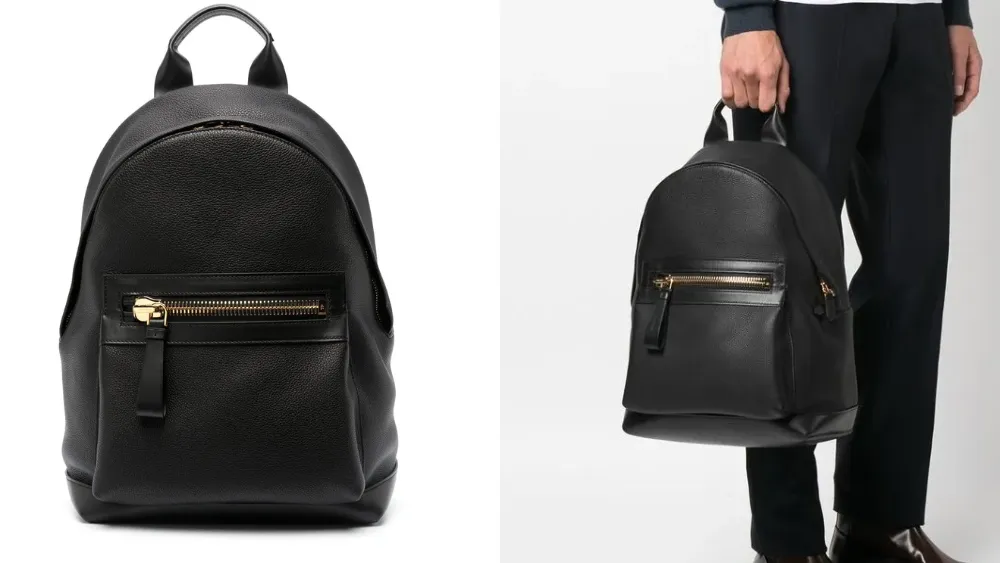
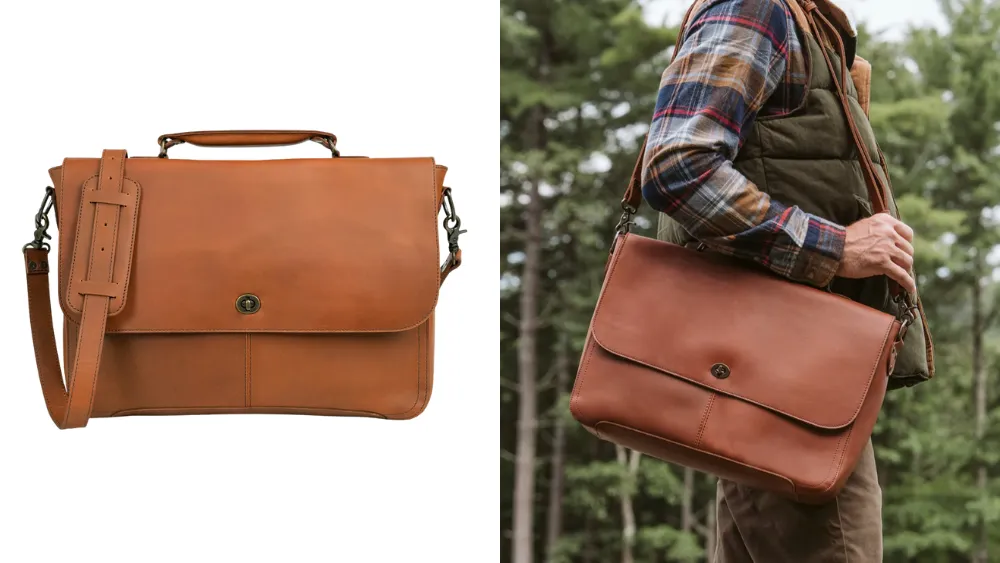
8. Messenger Bag
A shoulder or crossbody bag commonly using a broad front flap.
Specification check: Check opening access, strap placement and closure behaviour when filled.
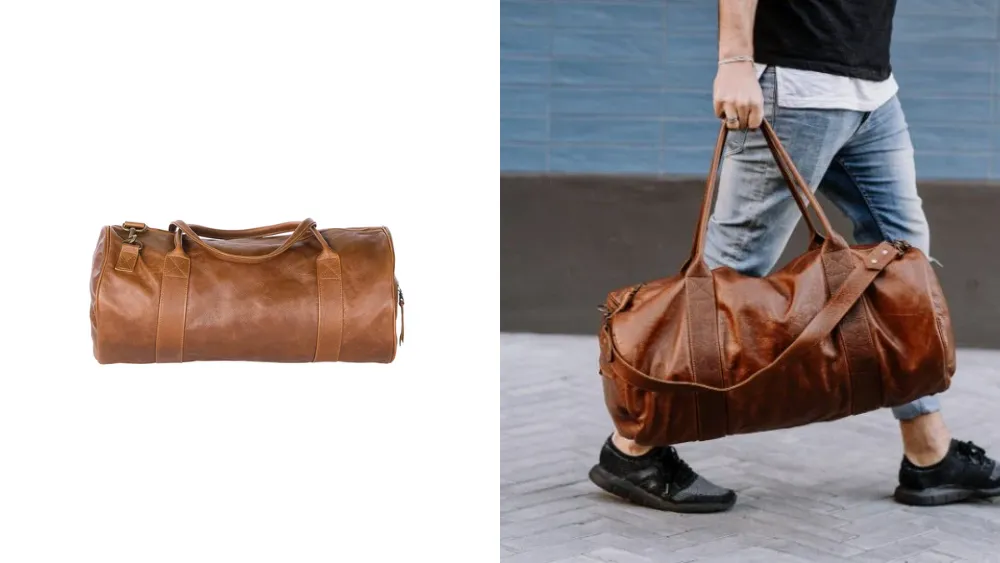
9. Duffle Bag
A roomy bag commonly using an elongated body, top opening and carry handles.
Specification check: Specify dimensions, end-panel shape, carrying arrangement and intended packing contents.
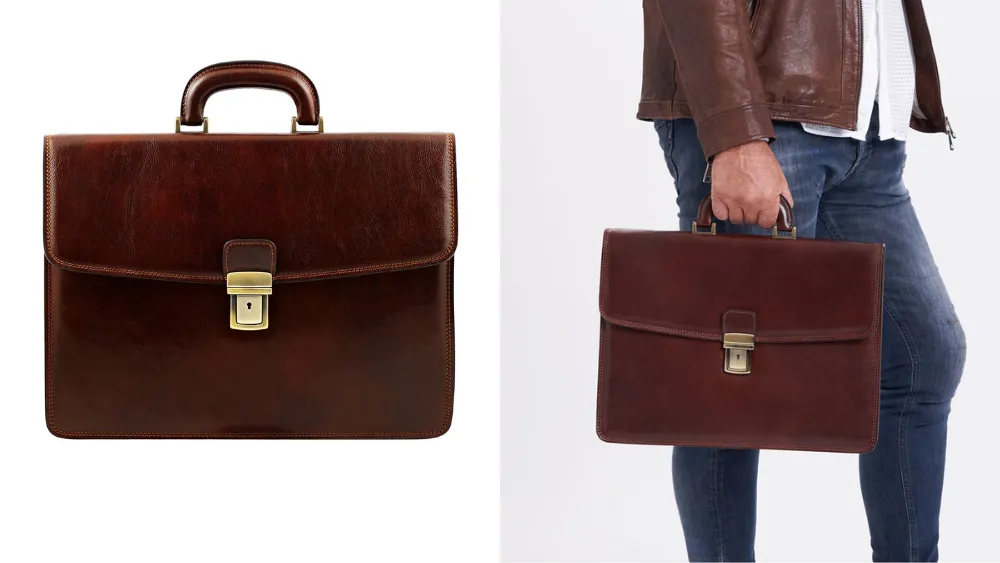
10. Briefcase
A business bag organised for documents and related items; it may be rigid or soft-sided.
Specification check: Define document and device fit, opening style and internal dividers.
11. Baguette Bag
A narrow, elongated shoulder-bag silhouette.
Specification check: Check the internal opening and handle drop rather than quoting only outer dimensions.
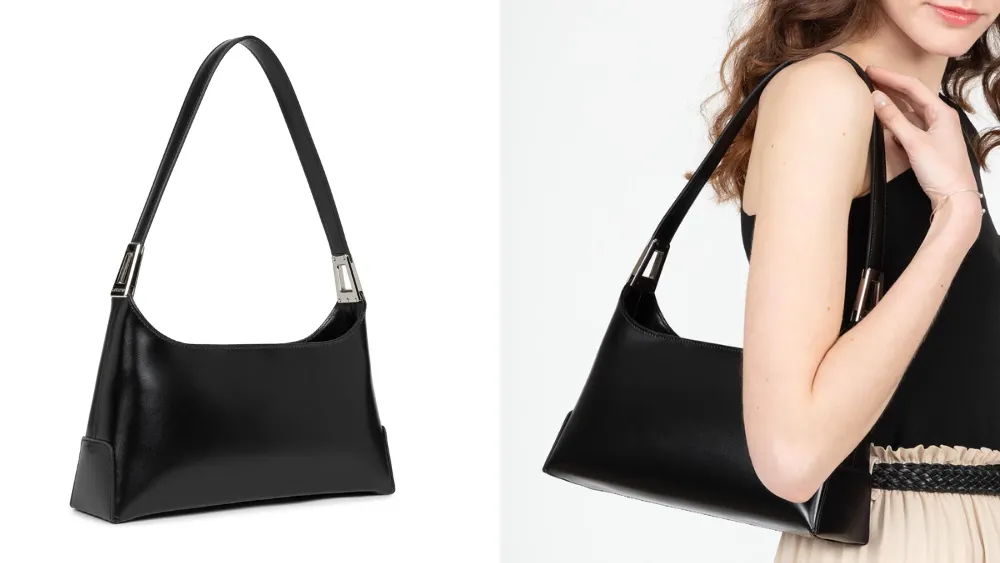
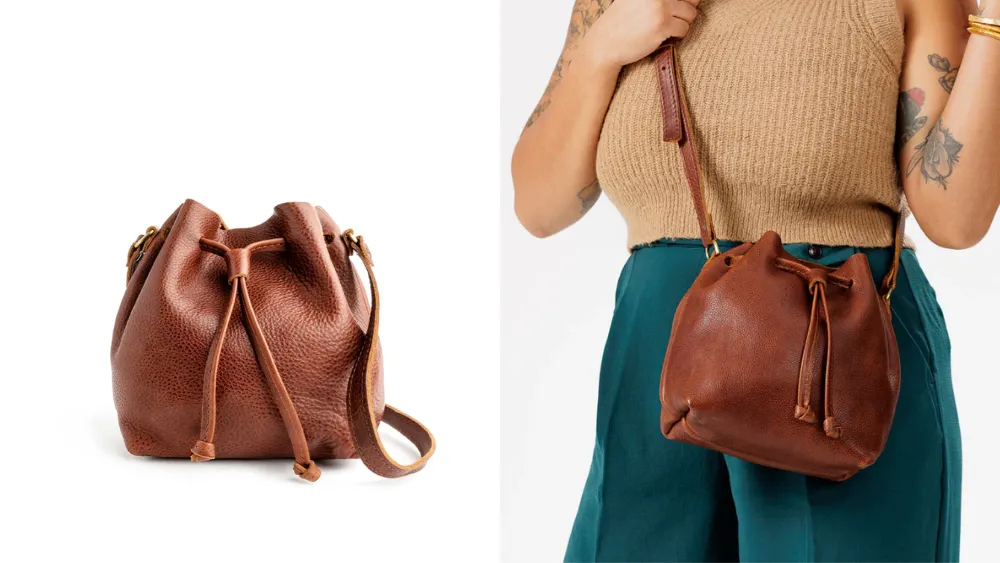
12. Bucket Bag
A bag with a bucket-like body, often closed with a drawstring.
Specification check: Specify the base shape, drawstring path and remaining opening when closed.
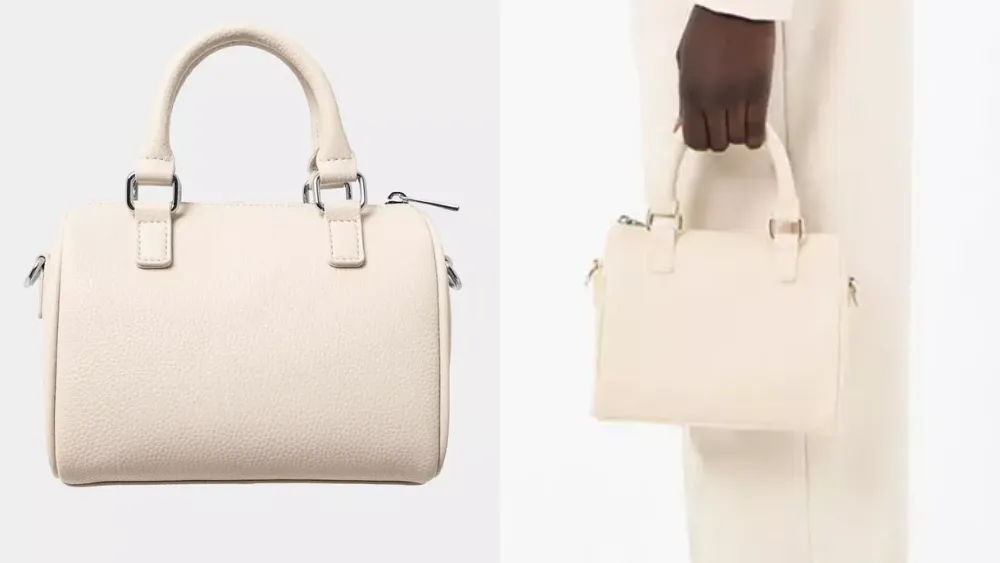
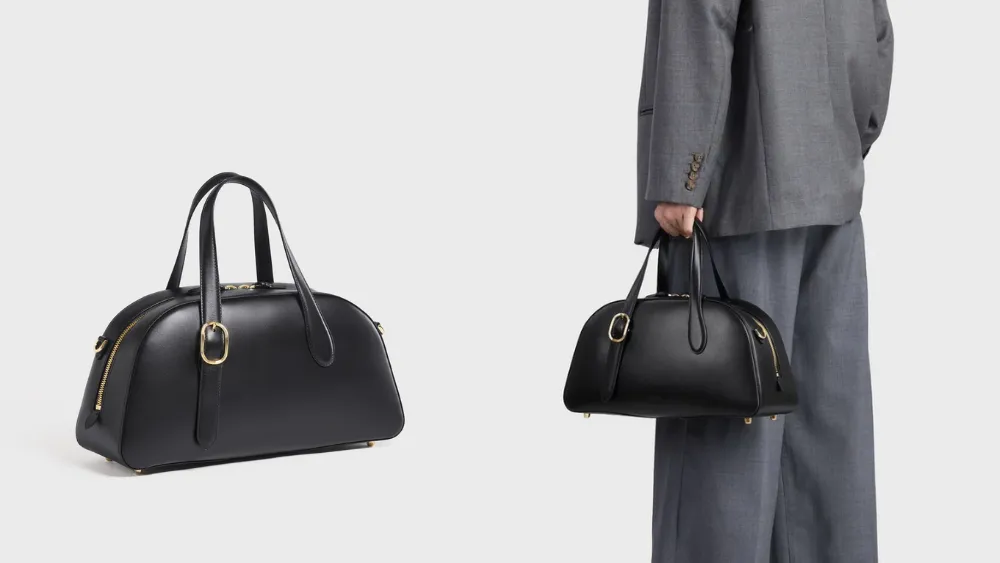
13. Bowling Bag
A handbag silhouette inspired by a bowling carrier, usually with handles and a rounded upper body.
Specification check: Set base support, zip access and proportions; the name does not establish sports-equipment suitability.
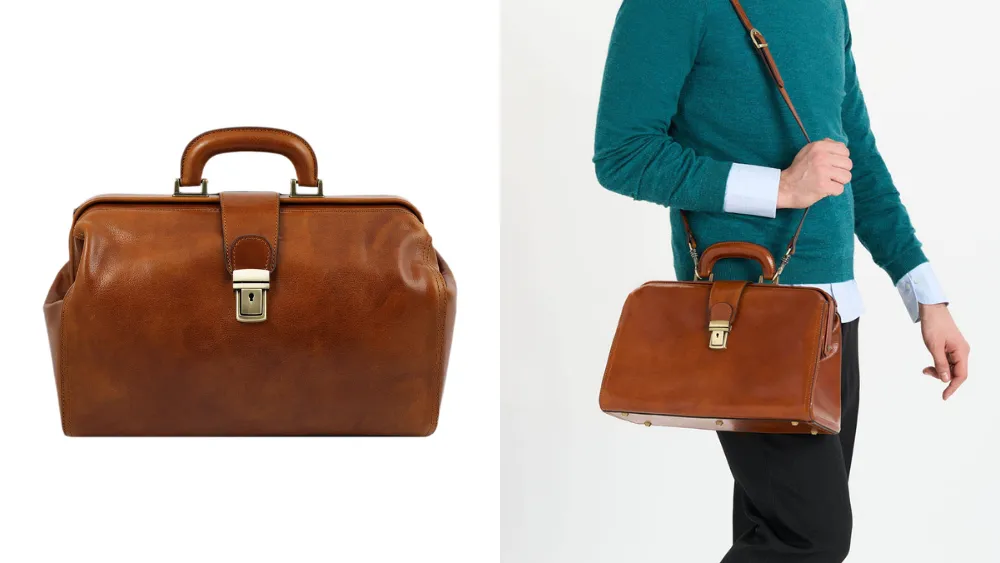
14. Doctor’s Bag
A fashion bag drawing on the wide-opening, framed medical-bag form.
Specification check: Confirm the frame, opening limit and closure alignment; it is not automatically a medical-use product.
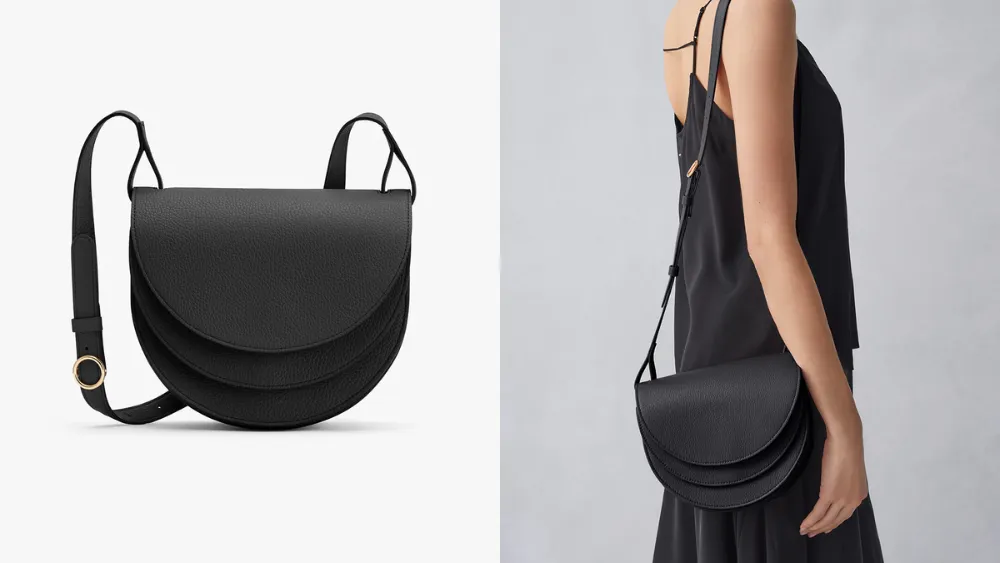
15. Saddle Bag
A bag style associated with a rounded base and flap.
Specification check: Define flap overlap, side profile and attachment details with an approved drawing.
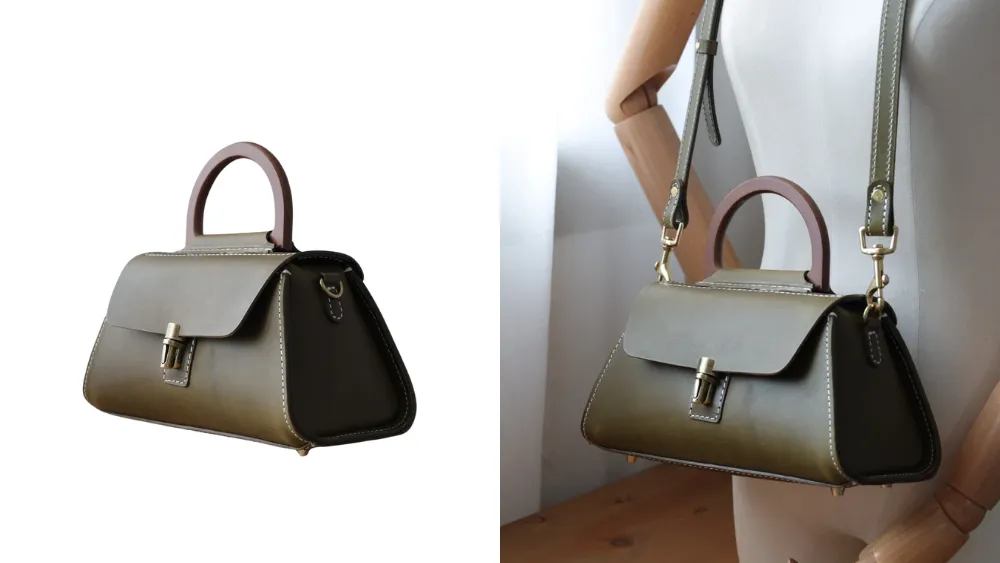
16. Trapezoid Bag
A bag whose principal outline is trapezoidal.
Specification check: State top and base widths independently; the label alone does not say which is wider.
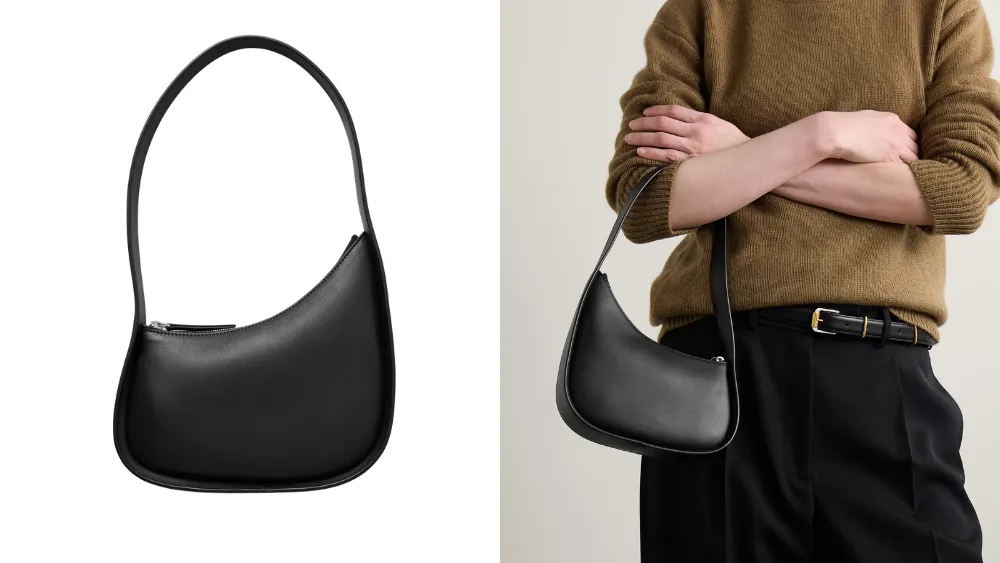
17. Half Moon Bag
A bag based on a semicircular or crescent outline.
Specification check: Check capacity at its narrow ends and the opening available to the user.
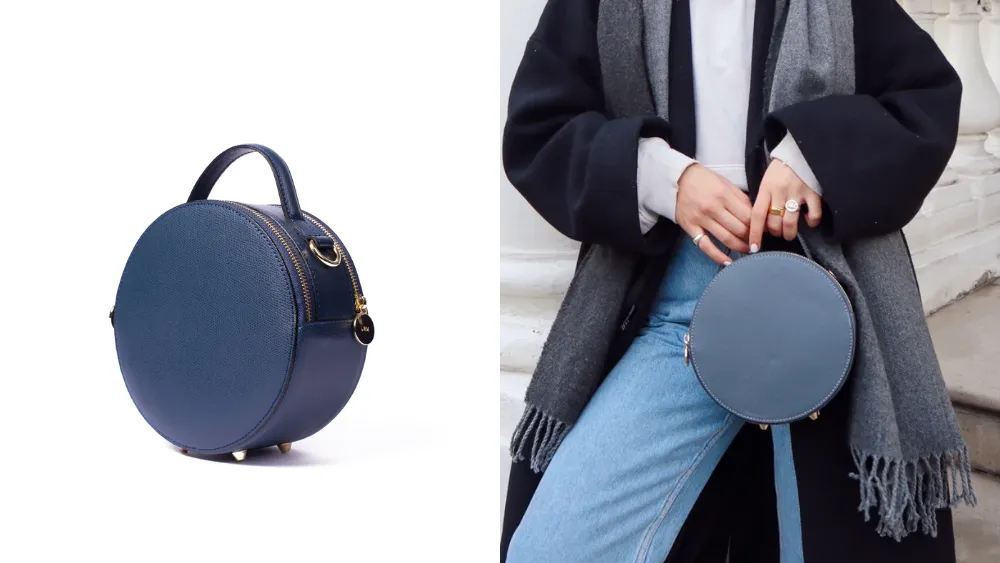
18. Round Bag
A bag with a circular main outline.
Specification check: Specify diameter, depth and opening geometry; external diameter alone does not prove phone fit.
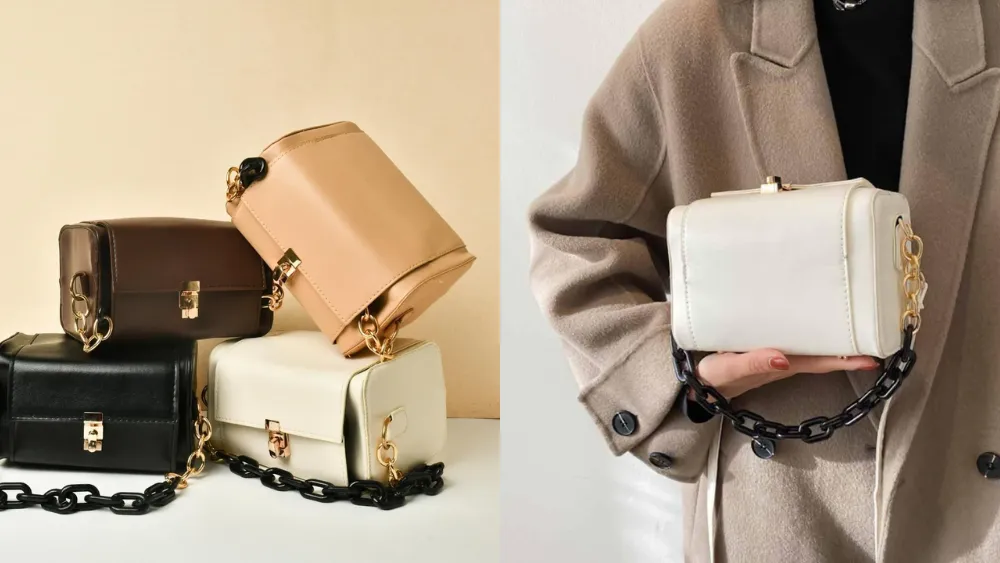
19. Box Bag
A bag with a box-like, usually structured body.
Specification check: Agree corner construction, lining, frame or shell material and closure operation.
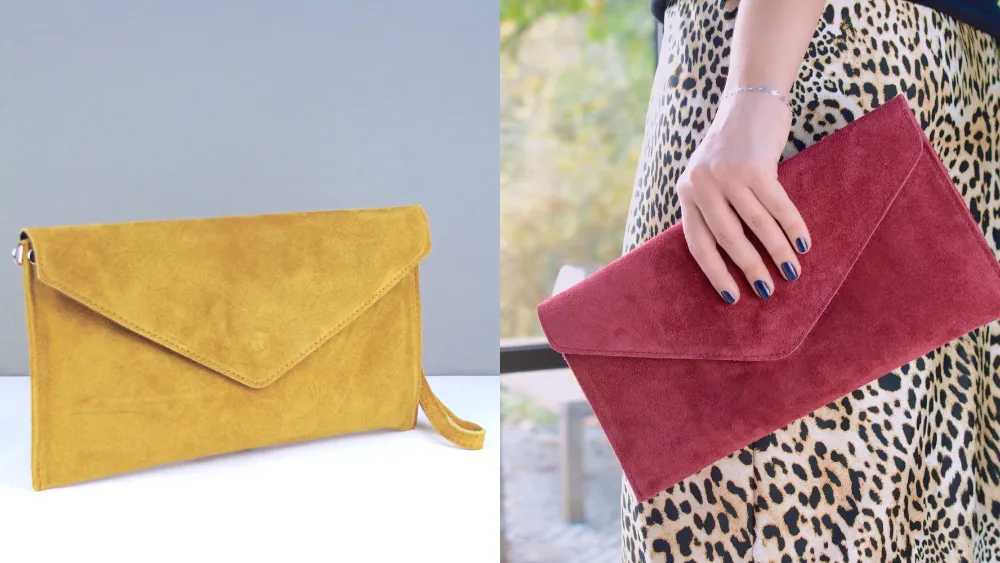
20. Envelope Bag
A flat bag with a flap resembling an envelope.
Specification check: Check flap closure with intended contents and whether the body has a gusset.
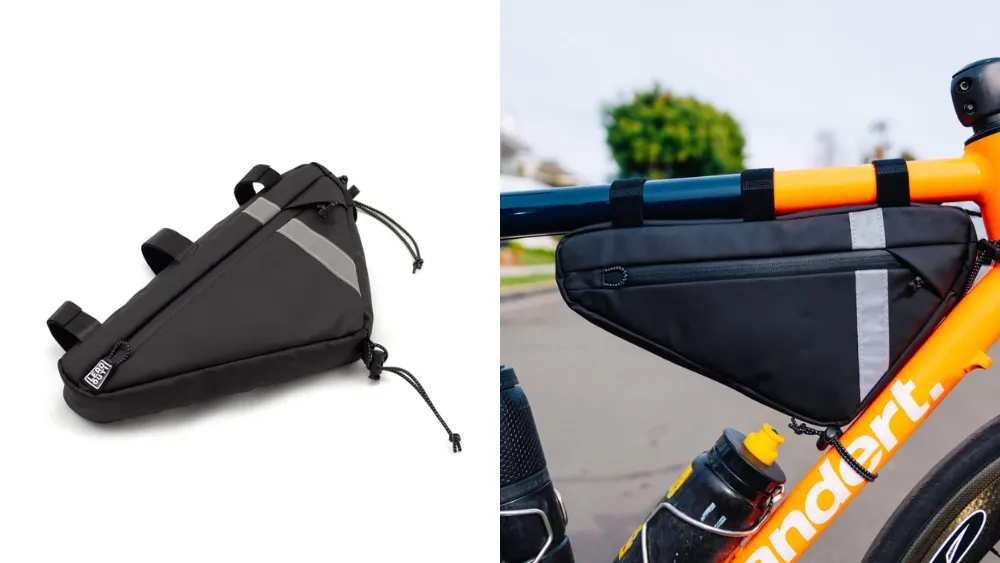
21. Frame Bag
A bag built around a rigid opening frame.
Specification check: Approve the actual frame dimensions, hinge movement and attachment method.
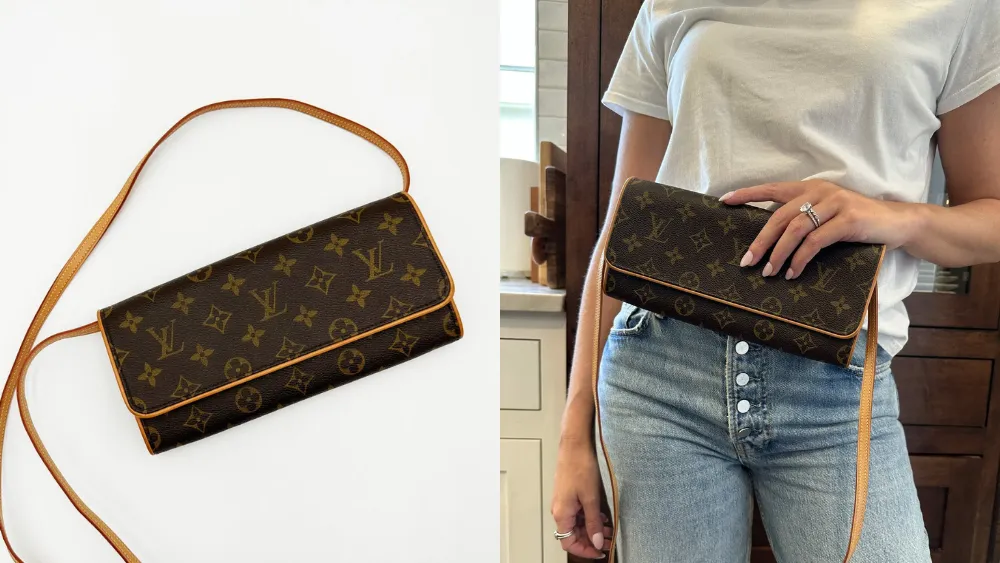
22. Pochette
A small pouch-style bag; carrying details vary by design.
Specification check: State whether it is a standalone bag, detachable pouch or internal organiser.
23. Wristlet
A small bag or pouch with a loop intended for the wrist.
Specification check: Confirm loop size, attachment construction and whether the loop is detachable.
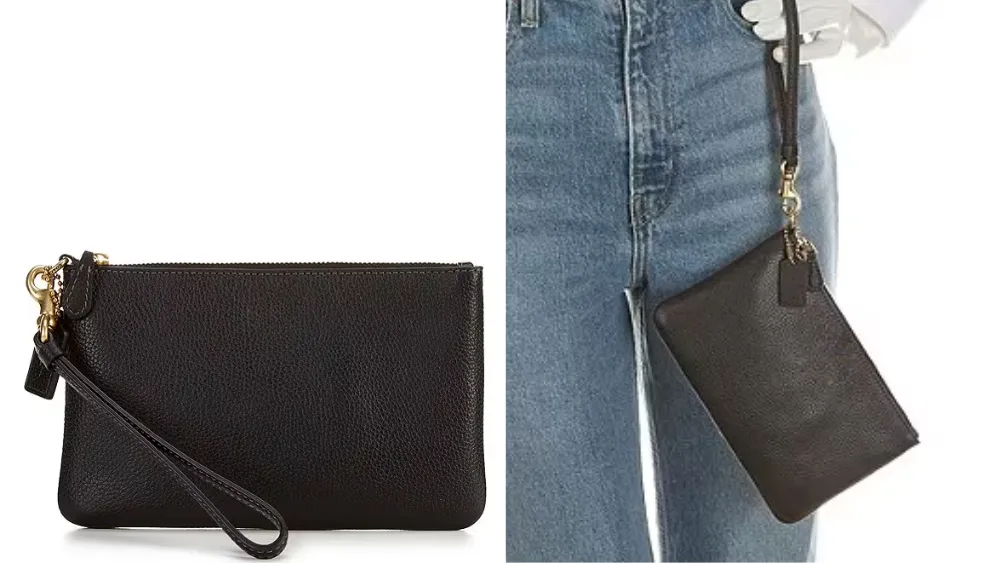
24. Mini Bag
A small version of a bag silhouette; the name has no universal dimensional threshold.
Specification check: List the minimum contents that must fit and verify them on the sample.
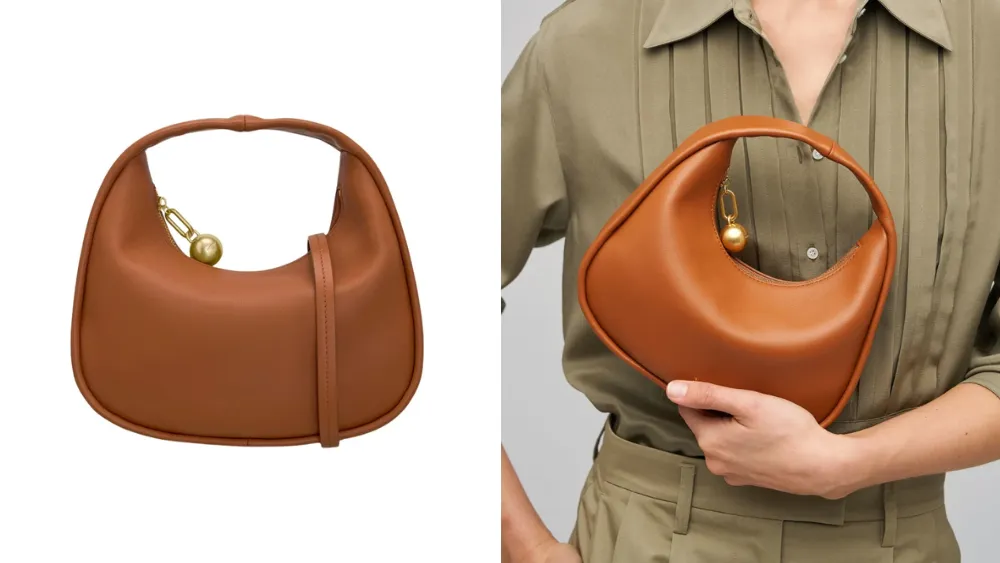
25. Kiss Lock Clutch
A clutch using a frame with a paired clasp closure.
Specification check: Check clasp engagement, opening effort, alignment and clearance around the lining.
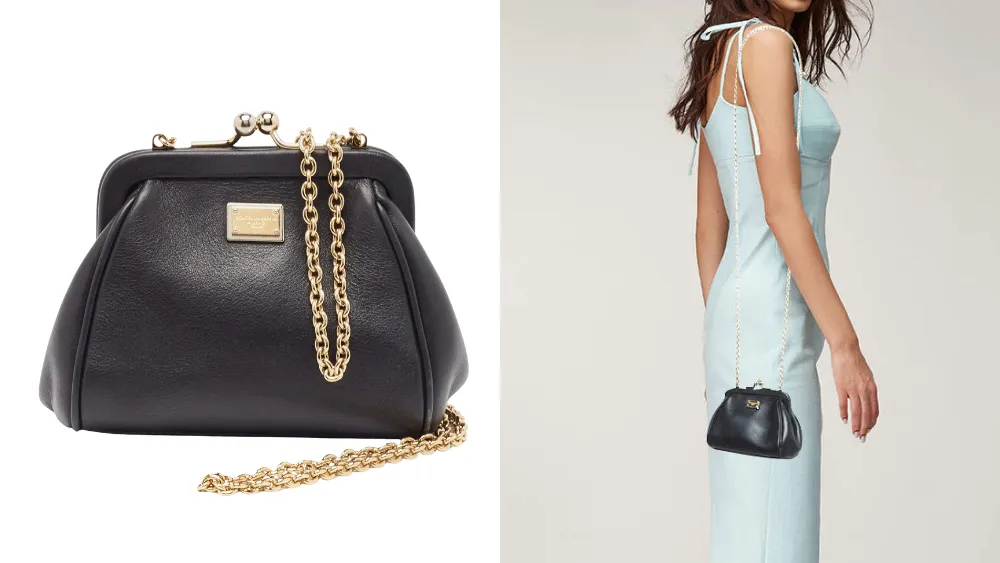
26. Bracelet Bag
A bag incorporating a ring or bracelet-like handle.
Specification check: Approve the handle opening, contact surfaces and how it attaches to the body.
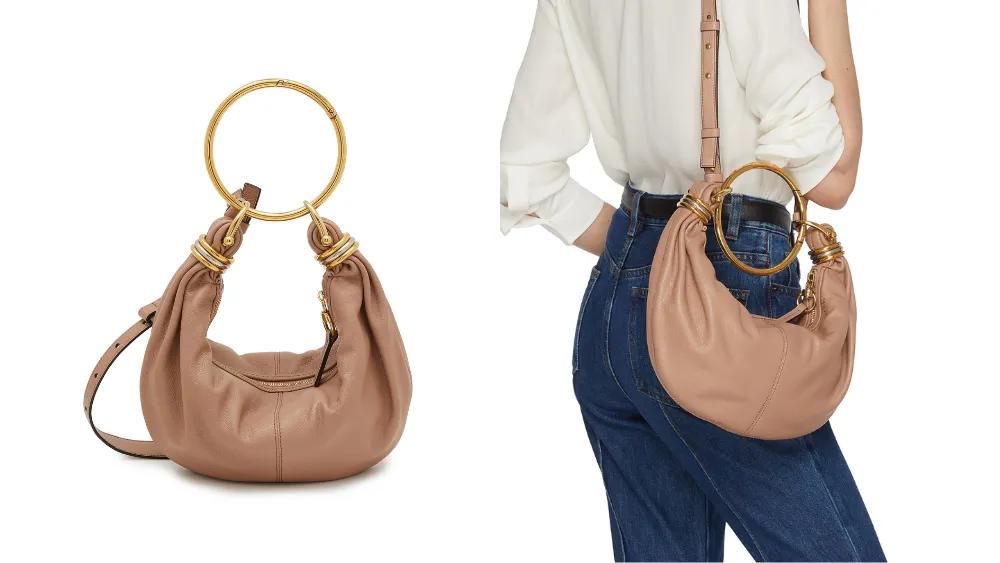
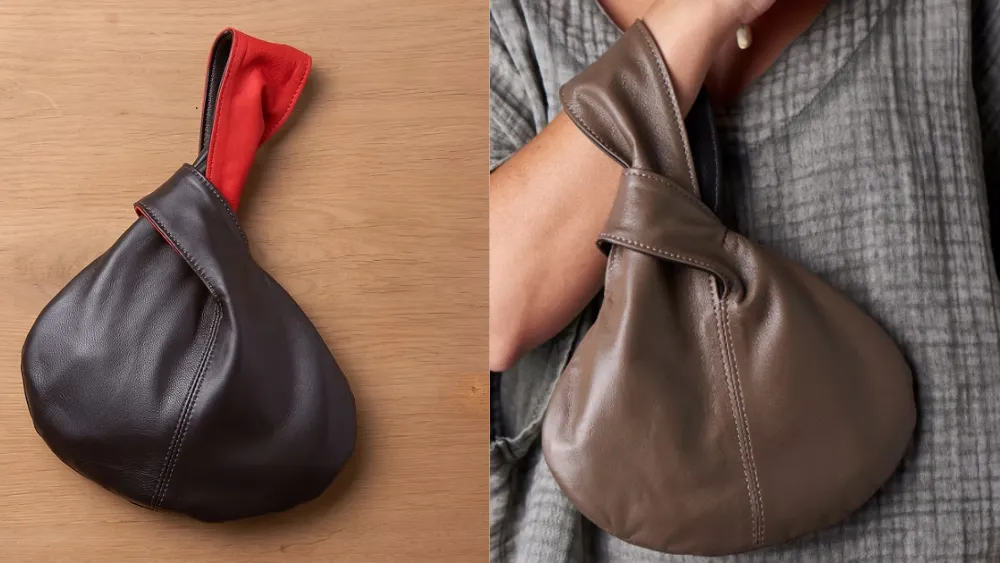
27. Knot Bag
A soft bag using a loop-through-handle arrangement as part of its carrying or closing design.
Specification check: Specify handle lengths and opening behaviour with the agreed sample contents.
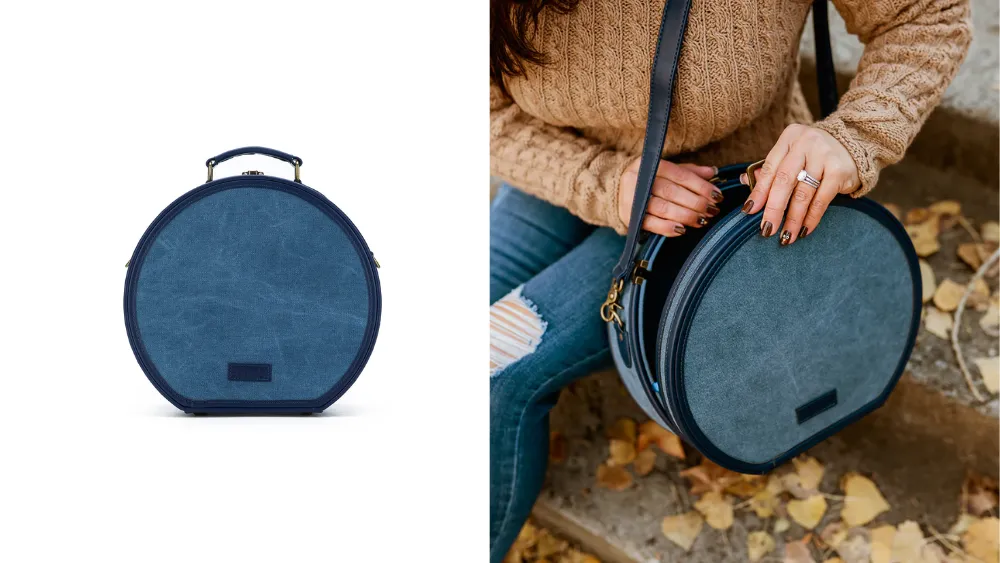
28. Hat Box Bag
A fashion bag based on a rounded hat-box case.
Specification check: Define depth, lid or opening direction and how contents are retained.
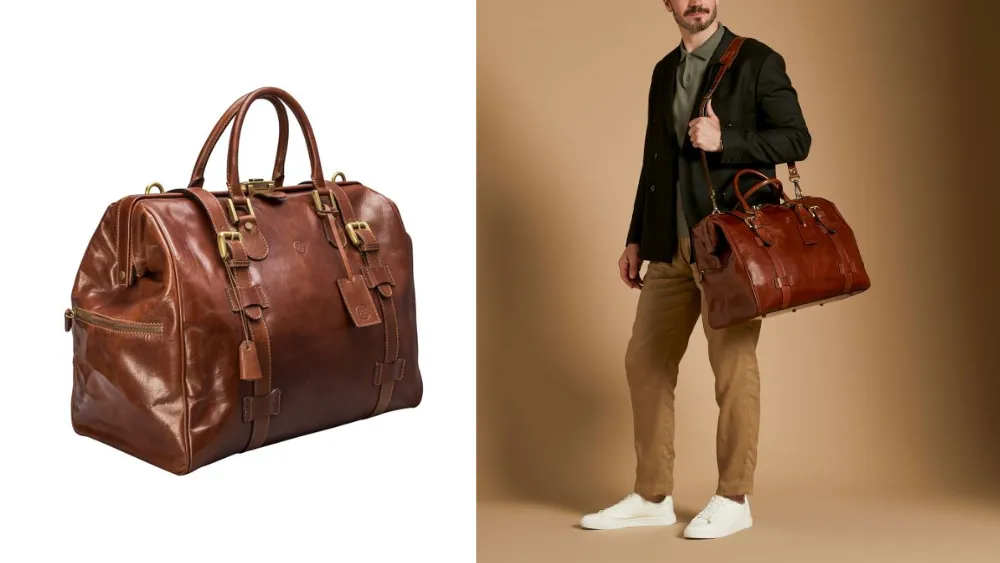
29. Gladstone Bag
A traditional framed travel-bag form with a wide opening.
Specification check: Specify the frame and body construction; the historical name is insufficient for a quotation.
30. Bermuda Bag
A handle bag often associated with a changeable fabric cover.
Specification check: Specify the handle and cover attachment; check each cover fits the same base.
31. Boston Bag
A rounded-top, handled bag commonly closed with a zipper.
Specification check: Agree end-panel geometry, base support and the opening length.
32. Canteen Bag
A compact bag whose round form recalls a canteen case.
Specification check: Clarify that it is a fashion bag and define usable compartment and strap details.
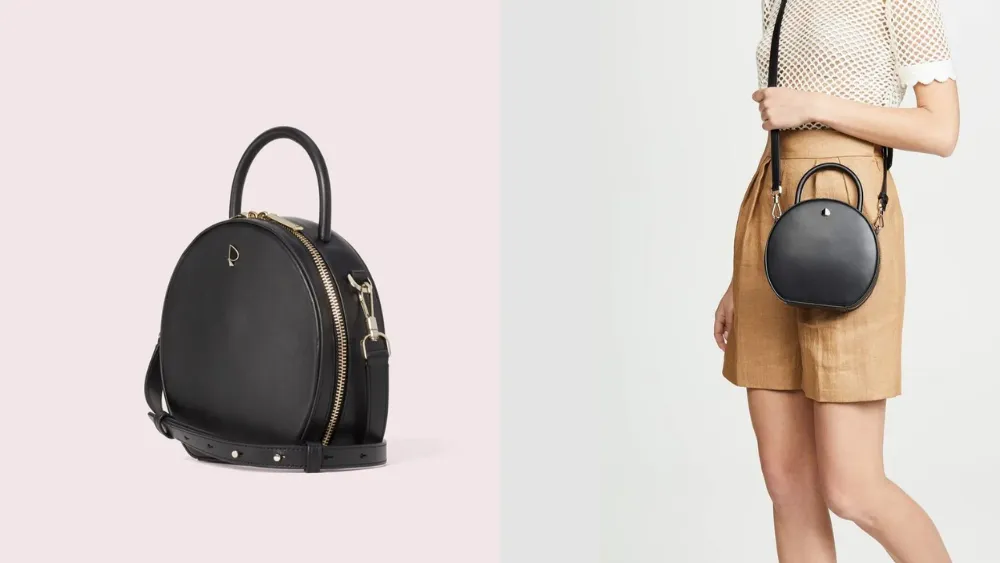
33. Foldover Bag
A bag whose upper section folds over to form part of its silhouette or closure.
Specification check: Check usable height after folding and whether contents obstruct the fold.
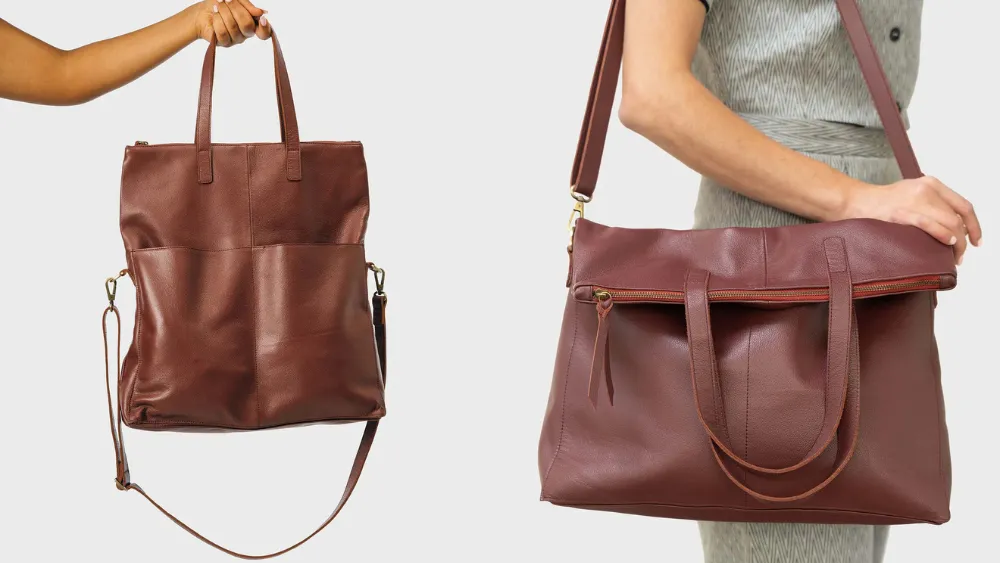
34. Lunch Box Bag
A name used for both meal carriers and fashion bags shaped like lunch boxes.
Specification check: Distinguish fashion styling from food-contact or insulation requirements; those need separate confirmation.
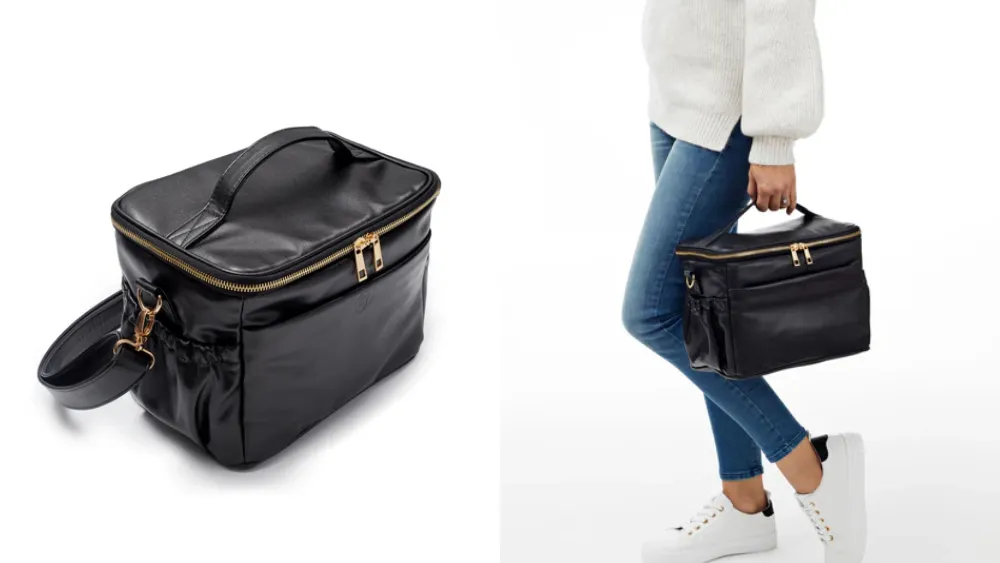
35. Kiondo Bag
A traditional woven bag associated with Kenyan craft, often made with sisal.
Specification check: Check material and origin documentation; a woven appearance does not prove provenance.
See the Pitt Rivers Museum discussion of the kiondo form for its Kenyan material and craft context.
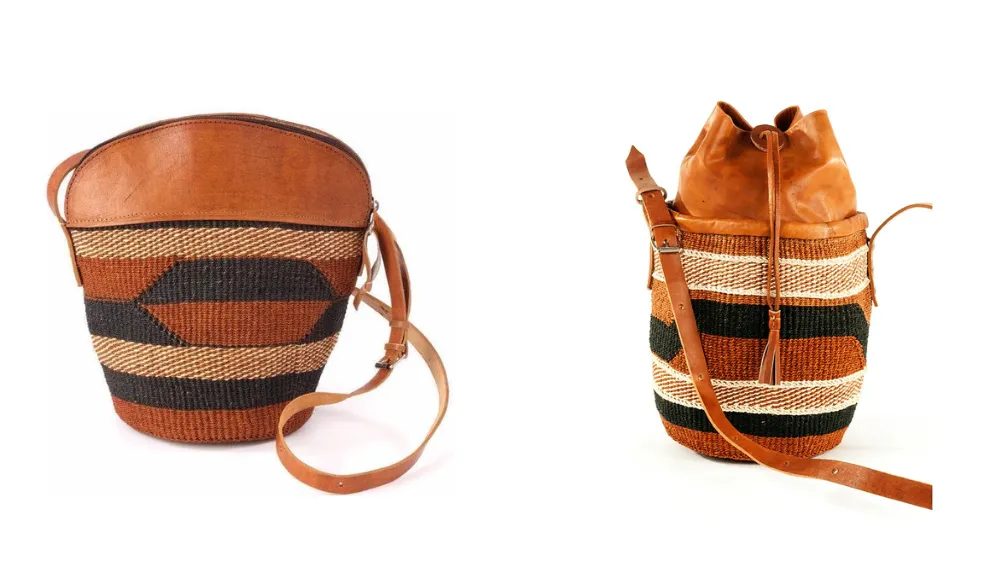
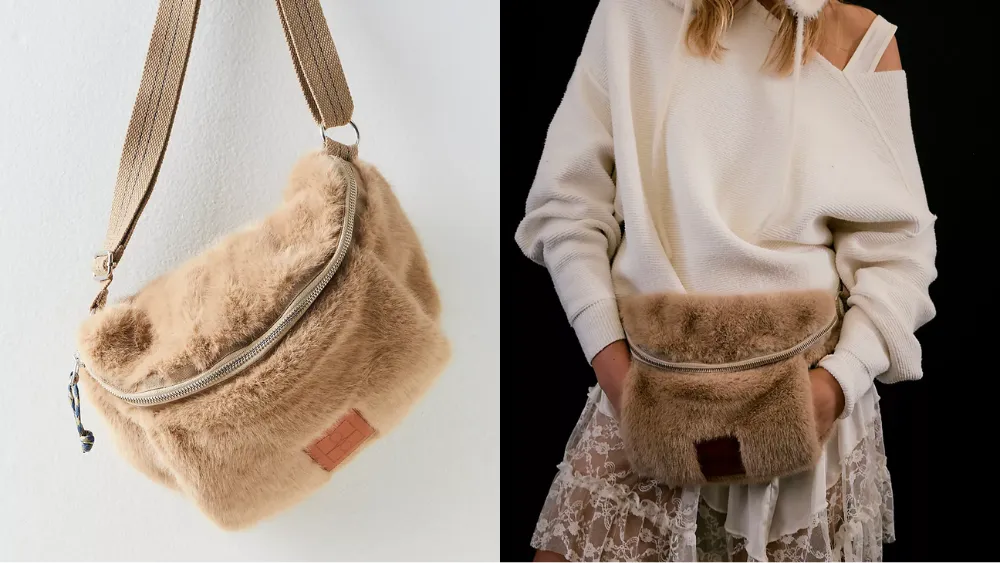
36. Muff Bag
A hand-warming muff form combined with storage.
Specification check: Define hand openings and the separate storage compartment; specialist materials require confirmation.
37. Haversack
A simple carrying sack traditionally associated with a shoulder strap.
Specification check: Supply a drawing to distinguish it from a backpack or contemporary utility bag.
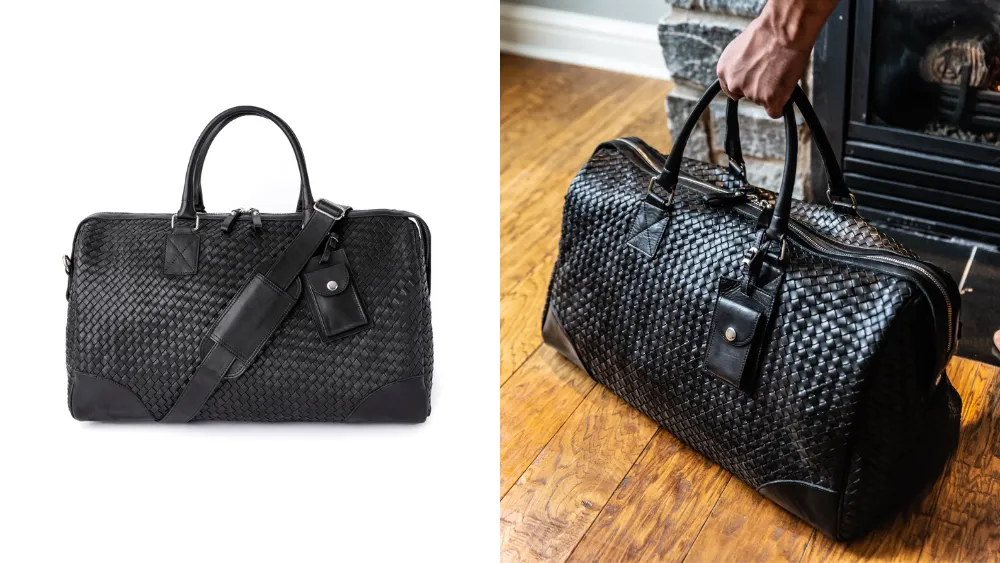
38. Weekender Bag
A travel-oriented carryall intended for short trips.
Specification check: Specify actual packed contents and dimensions; the name does not guarantee airline acceptance.
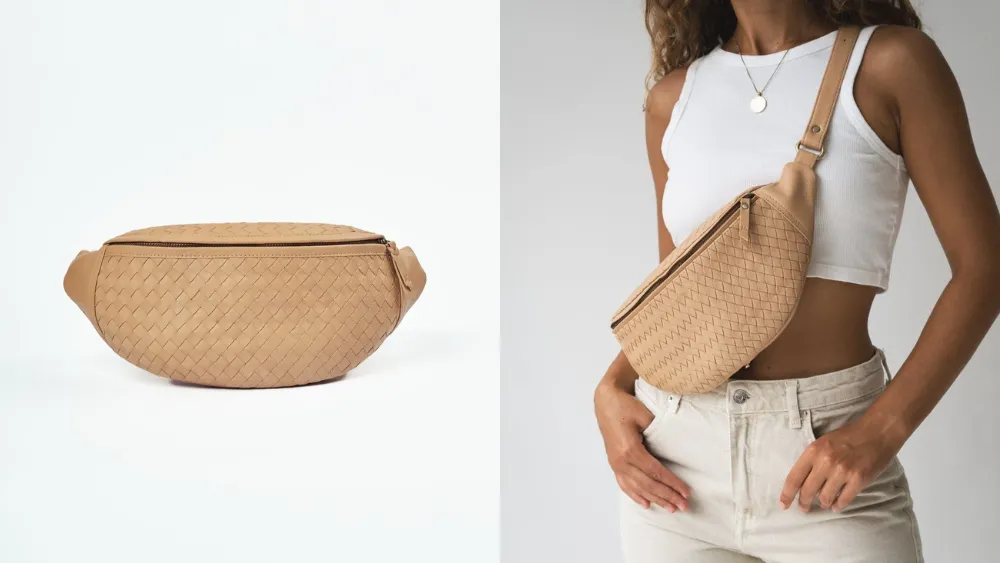
39. Fanny Pack / Belt Bag
A pouch designed for waist wearing, often also marketed for crossbody use.
Specification check: Check the full strap range and fit in each advertised carrying position.
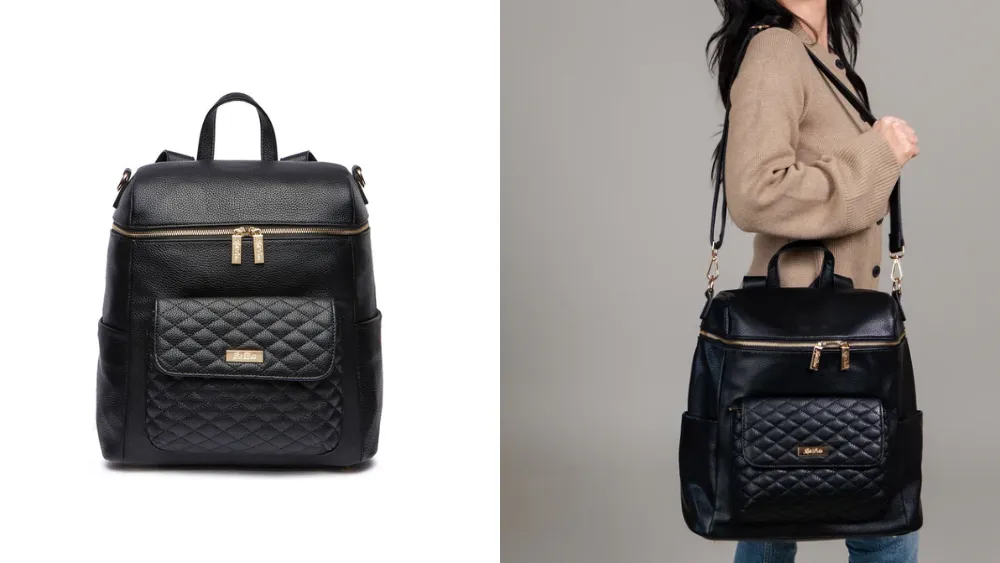
40. Diaper Bag
A bag arranged for baby-care supplies.
Specification check: Confirm any specialist pockets, accessories and cleaning requirements separately; a compartment layout is not a performance certification.
41. Laptop Bag
A bag with space intended for a computer and related items.
Specification check: Use device dimensions and a fit sample; screen diagonal alone is not sufficient.
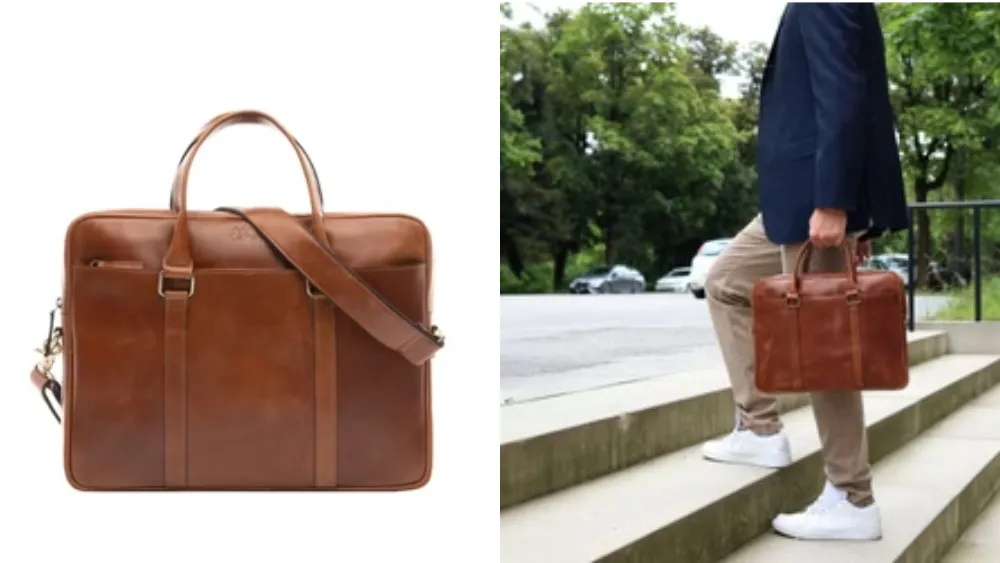
42. Gym Bag
A bag organised for exercise clothing and related belongings.
Specification check: Specify any separate compartments and cleaning requirements; do not assume odour or water resistance.
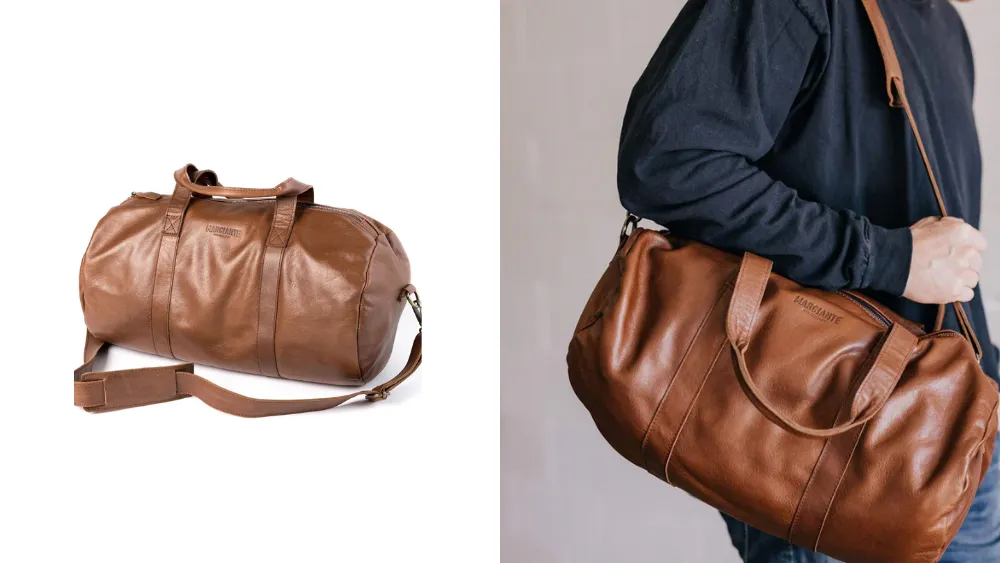
43. Shopping Bag
A bag intended for carrying purchases.
Specification check: Define the carrying requirement, handle construction and whether folding is intended.
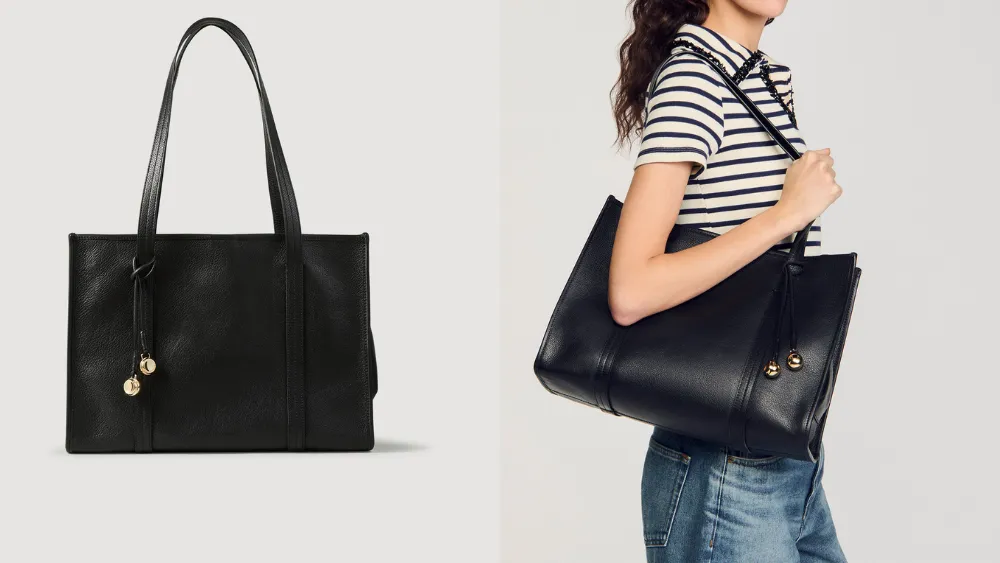
44. Beach Bag
A bag intended for beach-related belongings.
Specification check: Agree materials and care limits; the label does not establish waterproofness or sand resistance.
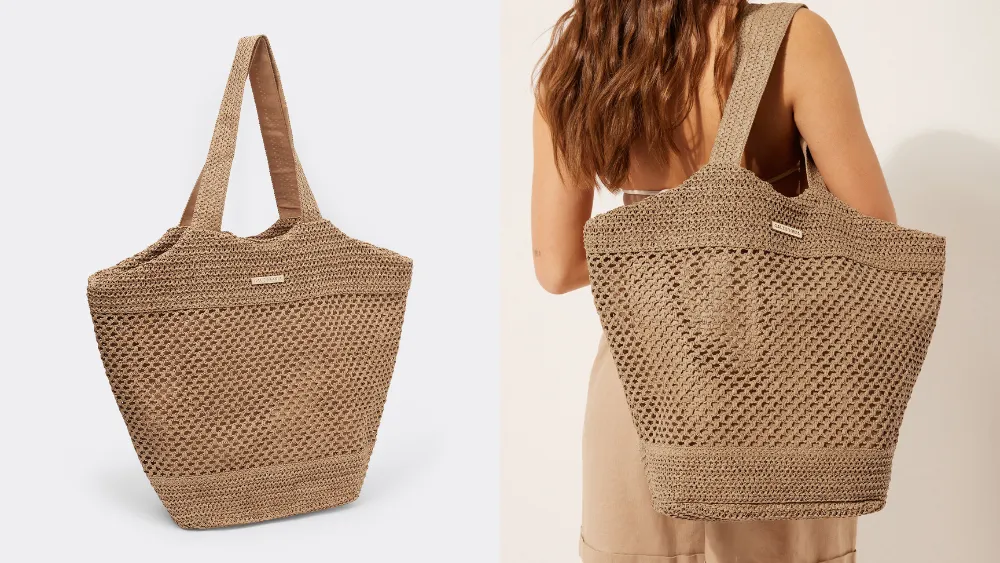
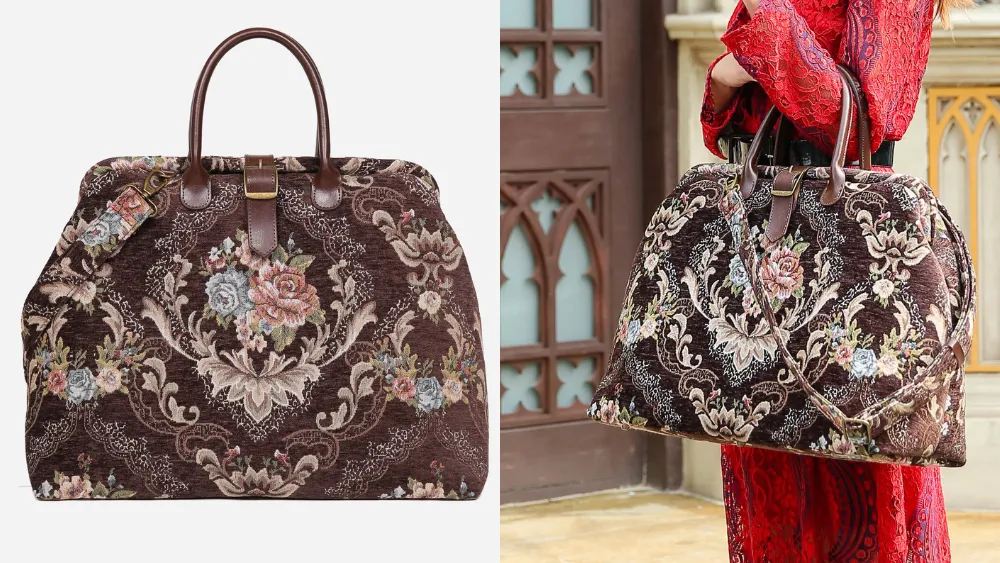
45. Carpet Bag
A bag associated with carpet-like or tapestry textiles.
Specification check: Specify the actual fabric and backing instead of assuming recycled content from the style name.
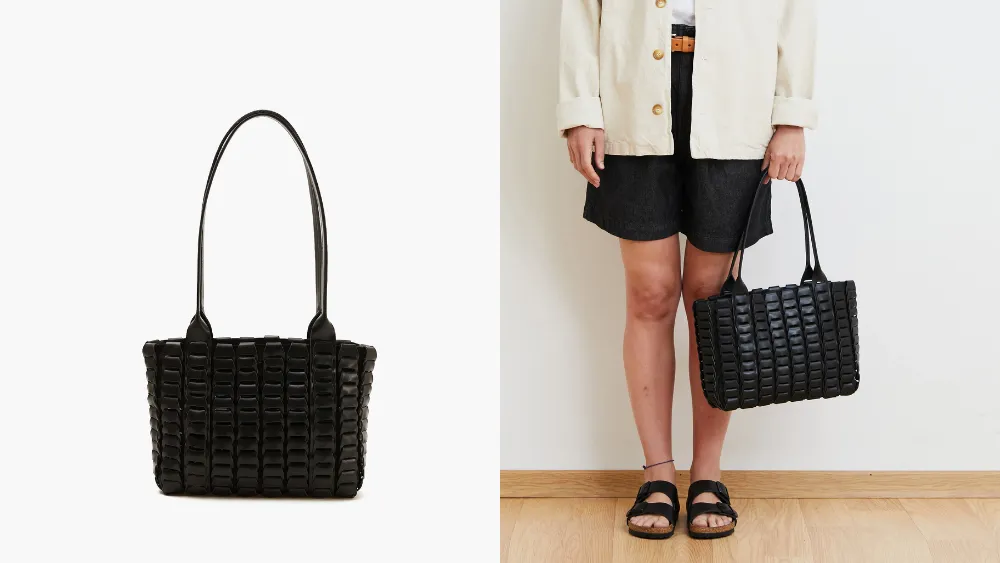
46. Basket Bag
A bag with a woven basket-like construction.
Specification check: Check the material, exposed edges, lining and handle attachment; confirm sourcing of specialist components.
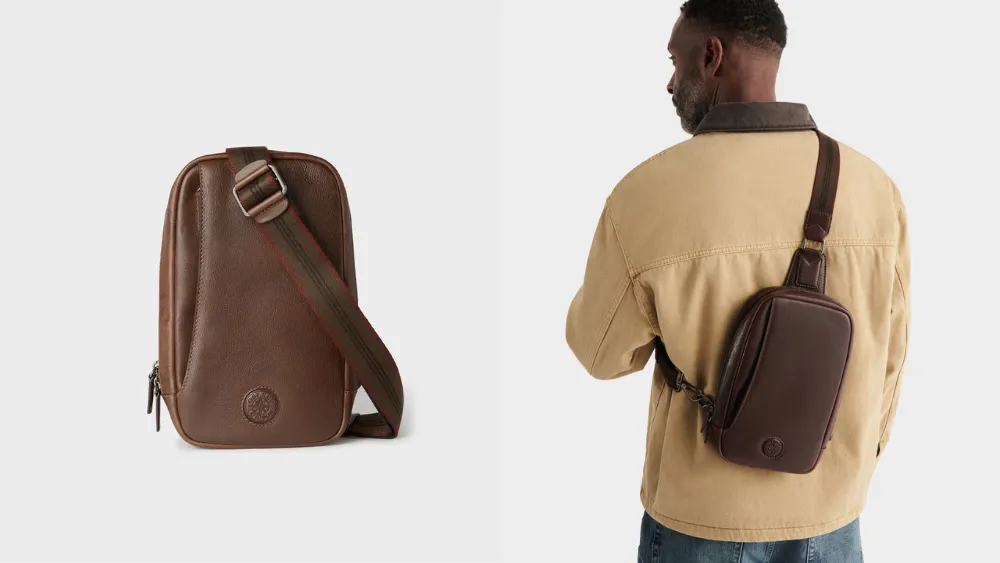
47. Sling Bag
A single-strap bag worn across the body, on the front or back depending on the design.
Specification check: Define intended orientation, strap range and opening access.
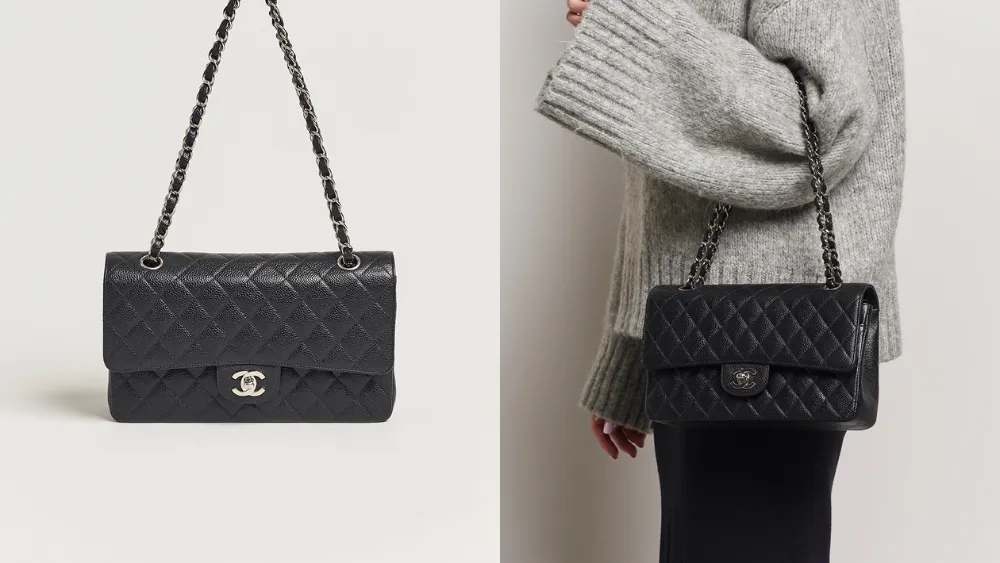
48. Flap Bag
A bag whose opening is covered by a flap.
Specification check: Specify flap overlap, closure hardware and access with the bag loaded.
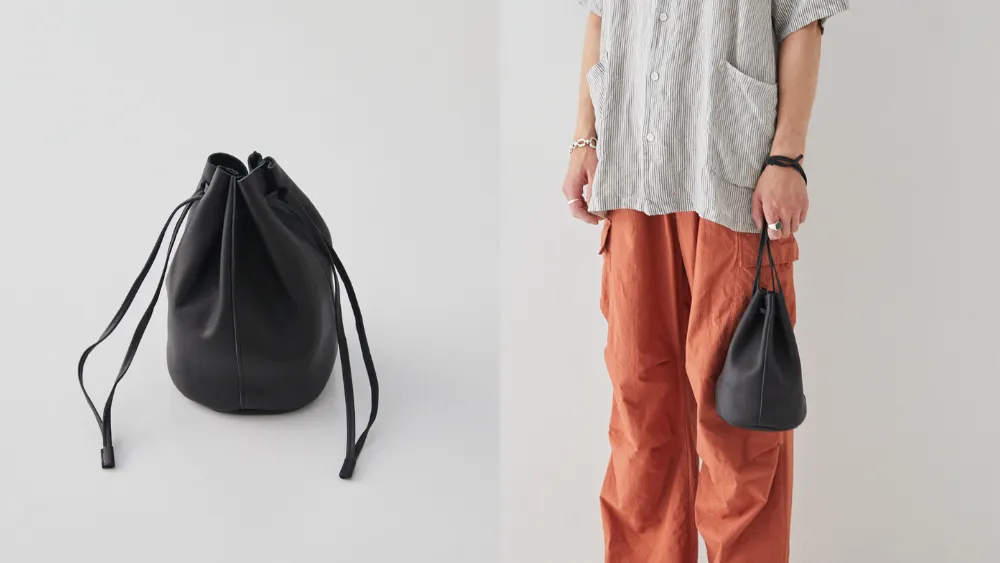
49. Drawstring Bag
A bag using a cord or strap to gather its opening.
Specification check: Check pulling effort, cord ends and the gap remaining after closure.
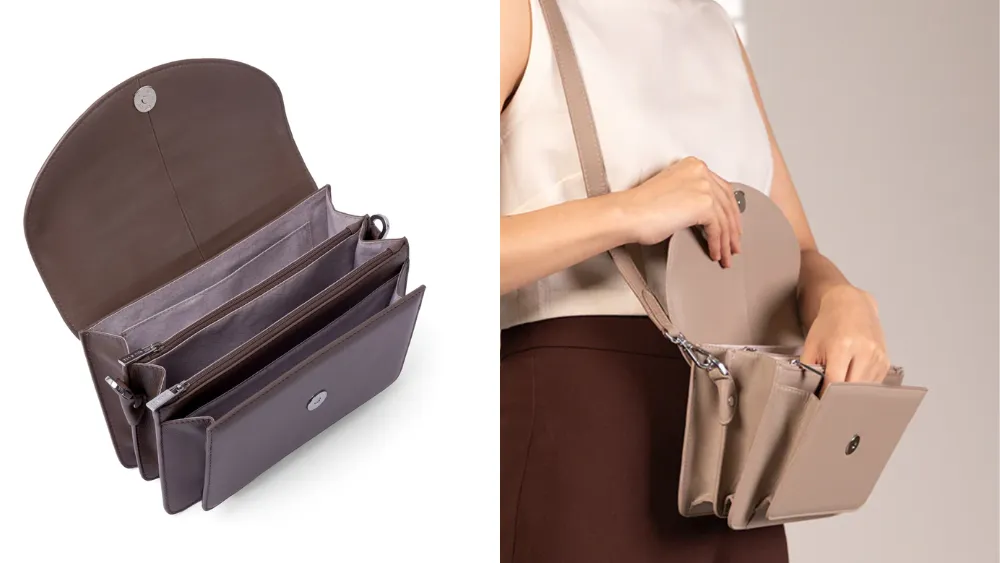
50. Accordion Bag
A bag with expanding sections or gussets that create separated compartments.
Specification check: Define compartment expansion and check closure alignment at the intended fill level.
Terminology references for less familiar forms include Saville Needleworks’ Bermuda cover and handle description and Merriam-Webster’s haversack entry. Names can overlap in current retail use, so the sample and drawing remain the ordering reference.
Turn the selected style into a comparable quotation
Begin with the intended customer task: everyday essentials, a specific device, commuting documents or an evening assortment. Then define the product in measurable terms. A quote based only on “medium purse” cannot be compared reliably with one based on a detailed sample.
- Dimensions and contents: give width, height, depth, opening size and the objects that must fit.
- Construction: define base support, gussets, pockets, lining and reinforcement.
- Carrying: specify handle drop, strap range, width and detachable components.
- Material and finish: provide the leather or PU reference, colour, surface effect and expected care routine.
- Hardware and closure: identify the buckle, frame, zipper, magnet or clasp using samples or drawings.
- Branding and packing: show logo position, labels, care card, protective packing and carton requirements.
- Approval: agree sample checks, tolerances and any additional performance tests before bulk production.
Sample checks that help prevent avoidable returns
Try the actual intended contents, rather than estimating capacity from a photograph. Check access to small pockets, closure operation when filled, strap comfort and handle clearance. Compare empty and loaded appearance so that a soft bag is not sold using only an artificially supported silhouette.
Confirm the dimensions used in the online listing and show adjustable or detachable features accurately. Do not label a bag “laptop compatible,” “waterproof,” “insulated” or “carry-on approved” solely because its style commonly serves that purpose. State the supported size or performance conditions.
Develop a leather or PU bag range with Hoplok
Hoplok manufactures leather and PU bags for business customers. Confirmed bag minimum order quantities are 200 pieces for leather and 1,000 for PU. Bag sampling takes 3–4 weeks, with bulk lead time of 60–90 days. Confirm how quantities apply across styles and colours and agree the project schedule in the quotation.
Start with the custom bag manufacturing page, or compare briefs for crossbody bags, shoulder bags, hobo bags and laptop bags. Send the selected silhouette, drawings, materials and quantity through the contact page. Specialist constructions in this glossary require separate capability confirmation.
Frequently asked questions
Is a purse always smaller than a handbag?
No. The meaning changes by market. Use a clear product name and dimensions instead of a fixed size distinction.
Can a clutch have a strap?
Some contemporary clutches have detachable straps. State whether the strap is included and check both the handheld and strapped configuration.
Can the same bag be a shoulder bag and a flap bag?
Yes. One term describes carrying and the other describes the opening. Use both when they clarify the specification.
How should a leather handbag be cleaned?
Use the care method approved for its material and finish, including the lining and hardware. See the leather care and stain-response guide.